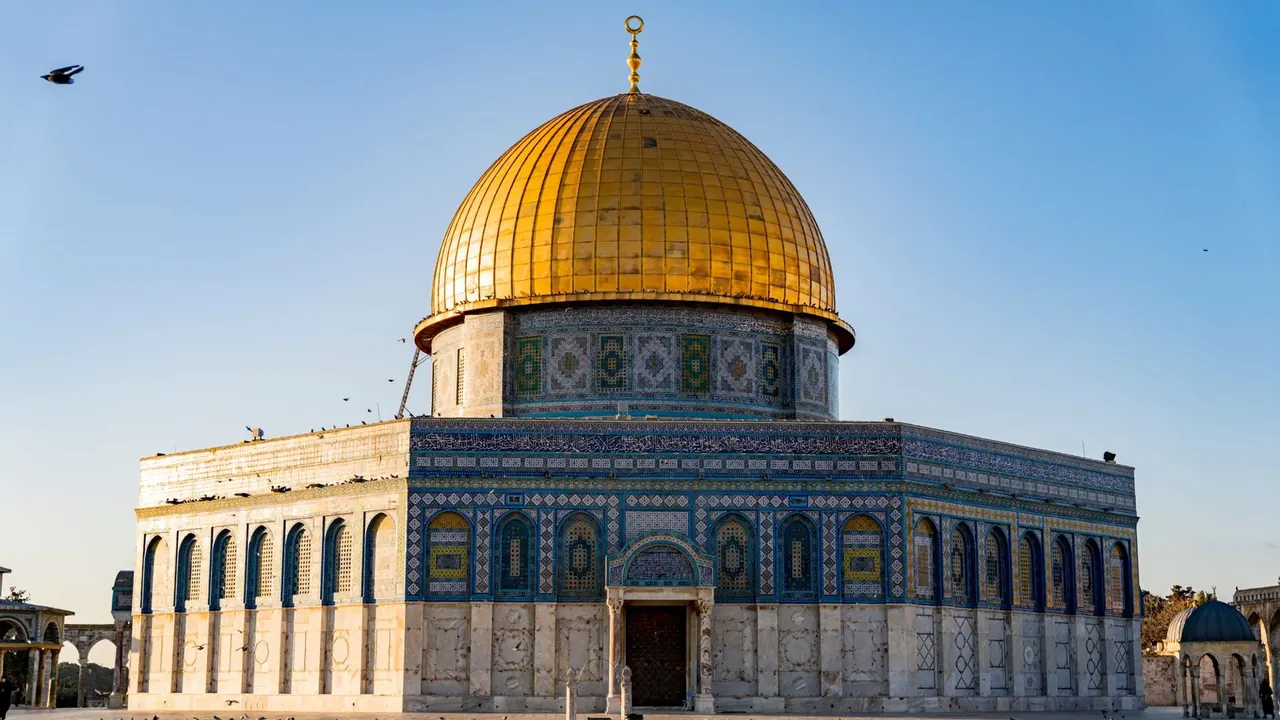
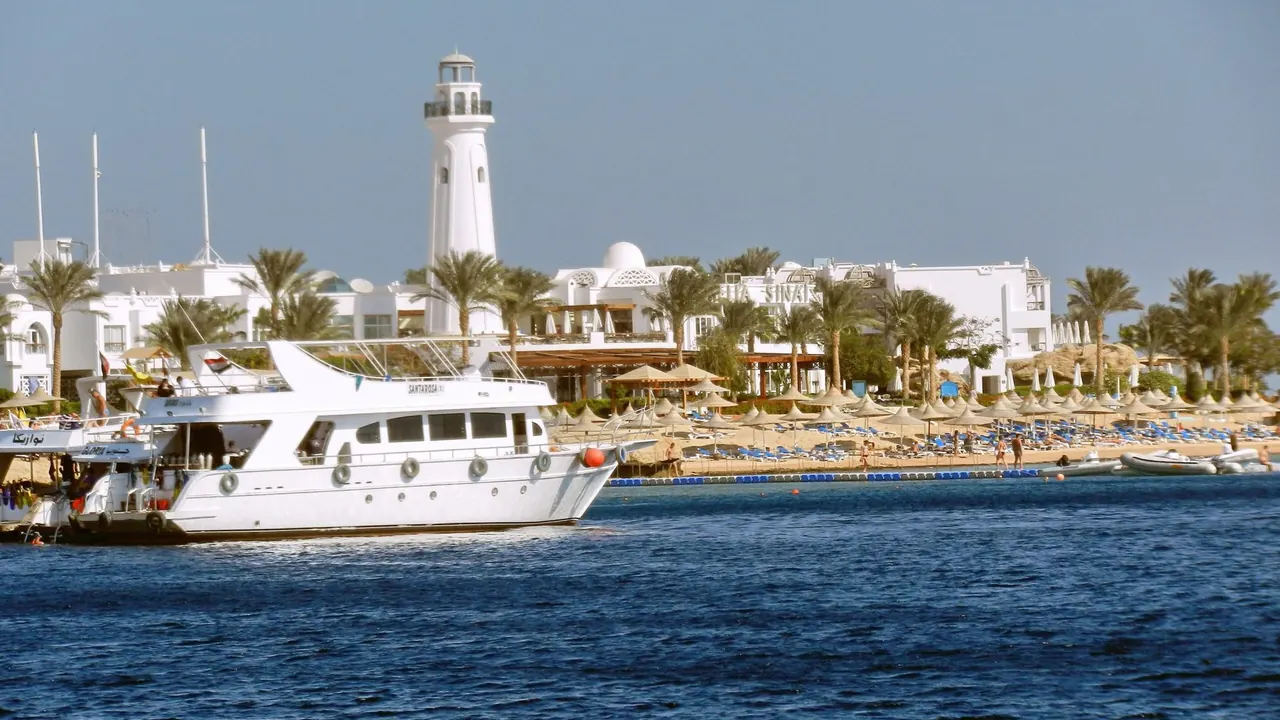
Photos: Jerusalem by Yasir Gürbüz, Pexels License; Sharm el-Sheikh by Tanya Dedyukhina, CC BY 3.0, cropped.
Jerusalem or Sharm el-Sheikh?
Our verdict in twelve categories, each scored against the same fixed benchmark cities, and the climate month by month, so you can choose for your trip.
Choose Jerusalem for
- culture and sights
- day trips
- food and drink
Jerusalem is the choice for a trip built around history and belief. The Old City's holy sites, the excavations beneath them and institutions such as the Israel Museum and Yad Vashem fill several days, and Bethlehem, Masada and Tel Aviv are all within easy reach. Expect high prices and a city that wants to be walked, climbed and thought about rather than lounged in.
Choose Sharm el-Sheikh for
- prices
- beaches
- nature and the outdoors
For a week of sun, sea and very little planning, Sharm el-Sheikh wins easily. The coral begins just off the beach, Ras Mohammed is among the world's great dive sites, and all-inclusive resorts make it far cheaper than Jerusalem. What it lacks is almost everything Jerusalem has in abundance: history, a food culture and places worth travelling out to.
Scoreboard
Twelve categories on one fixed scale from 0 to 100. The shaded stretch is the gap between the two.
Your match
Pick a travel style or drag the sliders, and both match scores follow your weighting.
Wins on culture and sights and day trips with your weighting.
Wins on prices and beaches with your weighting.
What matters to you?
Category by category
What the scores mean for a trip.
Beaches & swimming
Here the gap is as wide as it gets. Jerusalem has no swimming at all. A beach day means the train to Tel Aviv's long sandy shore, or a drive down to float in the Dead Sea, and either one takes up a whole day away from the sights.
Sharm el-Sheikh is built around the sea. The Red Sea is clear and calm, and at Sharks Bay, Ras Um Sid and along the Nabq coast you walk out on a jetty and snorkel the reef edge straight from the hotel beach. Most beaches belong to hotels and some are small, so pack reef shoes, but nothing within reach of Jerusalem comes close.
Food & drink
Jerusalem eats far better. Mahane Yehuda is worth a visit in its own right, and the city mixes Arab hummus counters, ka'ak carts and knafeh with Kurdish, Iraqi and Yemenite Jewish cooking, so each meal can be different. You do need to plan around kosher menus and the Shabbat closures in West Jerusalem.
In Sharm most meals come from a hotel buffet, and Naama Bay's restaurants are built for tourists. The Old Market's grilled fish, koshari and taameya and a Bedouin dinner in the desert are the best of it, good for an evening or two but not a reason to go.
Culture & sights
There is barely a contest. Jerusalem's walled Old City holds the Western Wall, the Church of the Holy Sepulchre and the Dome of the Rock in about one square kilometre. The City of David and the Western Wall tunnels lie beneath it, and the Israel Museum and Yad Vashem stand beyond the walls. Several days barely cover it.
Sharm el-Sheikh is a modern resort. Its sights come down to the Al Sahaba Mosque and the painted Coptic Heavenly Cathedral in the Old Market, an hour's visit at most. For Egypt's history you have to travel a long way out.
Nightlife
Neither suits a big night out, but the evenings feel very different. Going out in Jerusalem is local and low-key: market stalls in Mahane Yehuda that turn into bars after closing, pubs around Nahalat Shiva and the German Colony, and quiet Friday nights under Shabbat.
Sharm's nightlife is made for visitors. Naama Bay has promenade bars, beach DJ nights and a few large clubs that stay open late in the peak months, though many guests never get further than the lobby bar and the hotel show.
Nature & outdoors
Sharm el-Sheikh has the stronger outdoors, and most of it is underwater. The reef walls of Ras Mohammed, the wreck of the Thistlegorm and the reefs of the Tiran Strait make it a world-class base for diving and snorkelling. On land there is kiteboarding and there are jeep trips into the red granite of the Sinai.
Jerusalem's outdoors is mostly for walkers. The Judean Hills around Sataf and Ein Karem are green in spring, Wadi Qelt cuts down toward Jericho, and Ein Gedi and the dawn climb to Masada are about an hour away. It is varied country, but nothing in it matches Sharm's reefs.
Day trips
Jerusalem is one of the best bases in the region. Bethlehem is next door, and Tel Aviv and Jaffa are half an hour away by train. Masada, Qumran and the Dead Sea make a classic day out, and Caesarea, Acre and the Baha'i gardens in Haifa are all within about two hours.
From Sharm the list is short. There is laid-back Dahab an hour to the north, and St Catherine's Monastery below Mount Sinai, often combined with a night climb for the sunrise. Tours to Cairo, Luxor or Petra are sold, but each makes for a very long day.
Good for families
Sharm el-Sheikh is the easier choice for families, as long as you pick the hotel carefully. Kids' clubs, family pools, water slides and shallow lagoons for a first try at snorkelling cover most of a week, though the midsummer heat is hard on small children.
Jerusalem is very welcoming to children. The Biblical Zoo, the aquarium and the Bloomfield Science Museum make good outings, and Hezekiah's Tunnel is a highlight for older children. Still, the Old City's steps are no place for a stroller and the mood at the holy sites is serious, so the city works better with older, curious children.
Getting around
Jerusalem is far easier to get around. The Old City, Jaffa Road and Mahane Yehuda are within walking distance of each other, the light rail runs out to Yad Vashem, and a fast train goes to Tel Aviv and the airport. The hills make for steep walking, and buses and trains stop for Shabbat.
Sharm stretches about 30km along the coast, and the only public transport is shared minibuses on the main road. Hotel shuttles and taxis, with the fare agreed before you get in, do most of the work, and Naama Bay is the only part worth exploring on foot.
Shopping & style
Jerusalem has more worth buying, though neither city is a place for fashion. In Jerusalem you can buy olive-wood carvings and embroidery in the Old City souq, painted Armenian ceramics, silver Judaica around the Jewish Quarter and spices from Mahane Yehuda, all of which make distinctive gifts. Mamilla has the familiar international brands.
Sharm's Old Market and Naama Bay sell perfume oils, papyrus, alabaster and galabiyas, with a lot of sales talk along the way. That is fine for a few souvenirs, but there is no local craft worth seeking out.
Affordability
Sharm el-Sheikh is much the cheaper trip. All-inclusive resorts often cost less than a simple room on the Mediterranean, and food in the Old Market is cheap. Outside the hotel, though, taxis, diving, excursions and imported drinks add up.
Jerusalem is expensive. Hotels, sit-down restaurants and alcohol cost well above the Mediterranean norm, especially around the Jewish festivals. Free holy sites, reasonably priced public transport and hummus or falafel lunches help, but the total stays high.
Live music & performing arts
Of the two, only Jerusalem has a real stage. The Jerusalem Symphony Orchestra, the Jerusalem Theatre, the Israel Festival and summer concerts at the Sultan's Pool below the walls make up a small but genuine programme, even though most plays are in Hebrew.
In Sharm, performance means hotel entertainment teams, belly dancing and tanoura dancers at dinner shows. There is no theatre or concert hall at all.
Wellness & relaxation
Sharm el-Sheikh is the more restful stay. Resort spas offer hammam-style scrubs, steam rooms and massage, and the long, warm days by the pool and the sea make it easy to switch off.
Jerusalem is crowded and emotionally charged, and its spas are mostly in hotels. It does have quiet of other kinds: the Dead Sea's mud and float about an hour away, the calm of a Saturday in West Jerusalem, and the gardens on the Mount of Olives and in the Armenian compound.
When should you go?
Pick your month. The climate figures are measured averages, not a forecast.
Jerusalem in July
Sharm el-Sheikh in July
Daytime high, °C
Rainfall in the month, mm
Where the figures come from
Jerusalem has no rain gauge within 25 km of the centre, so its rainfall comes from a gridded climate dataset read at the city rather than from a gauge further away.
Sharm el-Sheikh has no weather station within reach, so its figures come from a gridded climate model rather than a measured record, and read a broad area rather than the city itself.
Temperature and rainfall are climate normals, averaged over the years shown. Jerusalem: 1991-2020 normals, Jerusalem (1.8 km from centre). Sharm el-Sheikh: 2001-2020 normals, NASA POWER reanalysis grid, no weather station within 90 km.
Jerusalem is at its best in spring and autumn, from April to May and again in October, when days are warm and the hills are pleasant for walking. From June to September highs of around 30°C make the Old City's steps hard work in the afternoon. The rain arrives in November and peaks in January at about 109mm, with cool days that suit museums better than viewpoints. If you plan to swim at Tel Aviv, late summer is when the Mediterranean is warmest, at about 28°C.
Sharm el-Sheikh hardly sees any rain all year, so the thing to plan around is heat. From June to August highs reach about 38°C, which keeps everyone in the water or the shade. December to February are mild, and the sea stays around 23°C, warm enough to swim, though breezy afternoons can feel cool on the sand. The two cities fit together well: winter suits Sharm, and spring and autumn suit both.
Which traveller are you?
On a culture and arts trip, Jerusalem is the clear pick. Beyond the famous shrines there is the Tower of David citadel, the Rockefeller and Bible Lands museums and the Armenian Quarter, with concerts and festival theatre in the evenings. Sharm offers neither museums nor a stage.
For a beach and sun trip, choose Sharm el-Sheikh. It is dry all year, the sea is warm even in winter, and the coral starts a short walk along a jetty from your sunbed. From Jerusalem, the nearest swimming is a full day out in Tel Aviv.
On a tight budget, Sharm el-Sheikh wins if you stay put. Most of Jerusalem's holy sites are free and falafel lunches are cheap, but the bed itself is dear. In Sharm the bed is cheap, and boat dives, desert tours and taxis are where the money goes.
Before you go
| Measure | Jerusalem | Sharm el-Sheikh |
|---|---|---|
| Official language | Hebrew | Arabic |
| Currency | New Israeli Sheqel (ILS) | Egyptian Pound (EGP) |
| Sockets | CHM230 V, 50 Hz | CF220 V, 50 Hz |
| Driving side | Right | Right |
| Time zone | UTC+2, UTC+3 in summer | UTC+2, UTC+3 in summer |
| Emergency number | Police 100, fire 102 | Police 122, ambulance 123, fire 180 |
| Elevation | 754 m | 1 m |
| Main airport | Ben Gurion International Airport (TLV)42 km from centre111 non-stop destinations | Sharm El Sheikh International Airport (SSH)16 km from centre112 non-stop destinations |
| Public holidays this year | - | 15 days |
By the numbers
| Measure | Jerusalem | Sharm el-Sheikh |
|---|---|---|
| City population | 1,050,151 | 73,000 |
| People per km² | 8,374 | - |
| Museums within 10 km | 69 | 1 |
| UNESCO World Heritage sites within 50 km | 7 | 0 |
| Swim season, months above 21 °C | 7 months | 12 months |
Where else could you go?
Every comparison below shares a destination with this one, so you can follow Jerusalem or Sharm el-Sheikh somewhere new.