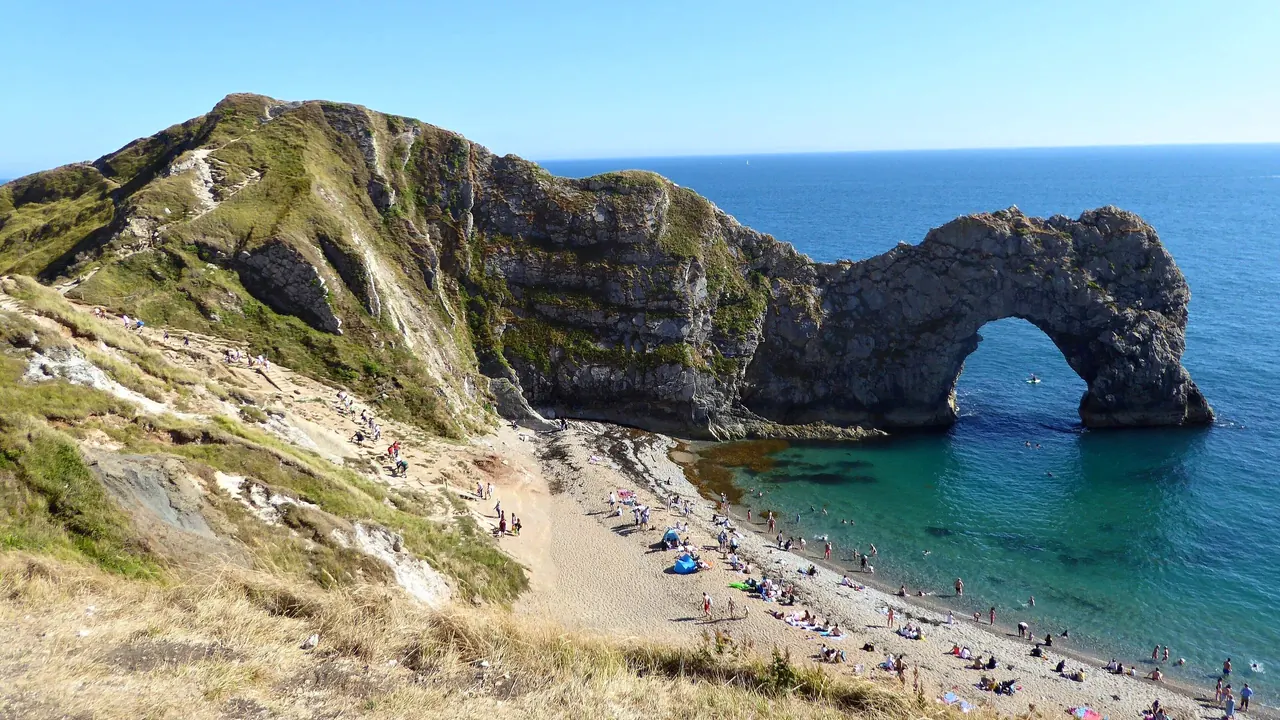
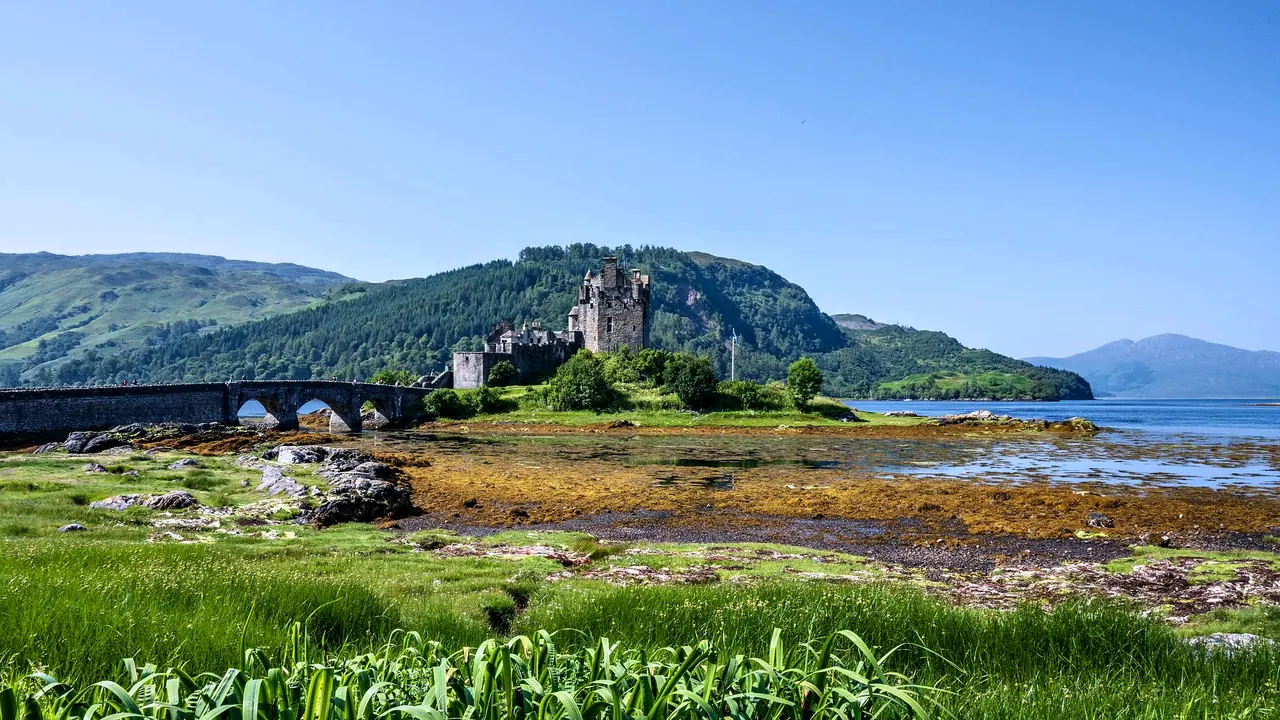
Photos: Jurassic Coast by Ethan Doyle White, CC BY-SA 4.0, cropped; Scottish Highlands by Evelin Magnus, Pexels License.
Jurassic Coast or Scottish Highlands?
Our verdict in twelve categories, each scored against the same fixed benchmark cities, and the climate month by month, so you can choose for your trip.
Choose Jurassic Coast for
- families
- beaches
- getting around
The Jurassic Coast is the better pick for a classic seaside summer with a bit of adventure. It has proper sand at Weymouth and Studland, sea that is pleasant for a dip in late summer, and fossil hunting that children remember. The towns are close enough together that a family can stay in one place without long drives every day, and the cliffs and coast path give walkers plenty to do.
Choose Scottish Highlands for
- live music and the arts
- nature and the outdoors
- wellness
Choose the Scottish Highlands when the landscape itself is the reason for going. Glencoe, the Cuillin and the Cairngorms are far bigger and wilder than anything on the Dorset and Devon cliffs, and eagles, otters and dolphins add a wildlife side the south coast cannot match. It also suits travellers who want real remoteness and evenings by a fire with a fiddle session. In return you accept colder water, long drives on single-track roads and more rain.
Scoreboard
Twelve categories on one fixed scale from 0 to 100. The shaded stretch is the gap between the two.
Your match
Pick a travel style or drag the sliders, and both match scores follow your weighting.
Too close to call, level with your weighting
Wins on families and beaches with your weighting.
Wins on live music and the arts and nature and the outdoors with your weighting.
What matters to you?
Category by category
What the scores mean for a trip.
Beaches & swimming
The Jurassic Coast is the better place for a beach trip. Studland's dune-backed sands and Weymouth's gently shelving bay are made for whole days of sandcastles and paddling, and in late summer the water is warm enough for a proper swim, if a short one. The shingle coves at Lulworth and Durdle Door add clear water and dramatic settings.
The Highlands have arguably the lovelier sand, with the white beaches of Morar, Arisaig and Assynt looking almost Caribbean in sunshine. The sea is several degrees colder, though, so these are beaches for walks and picnics, and swimming usually means a wetsuit.
Food & drink
The two eat at much the same level, both built on seafood landed nearby rather than restaurant culture. Dorset's version is crab sandwiches, cream teas, Blue Vinny cheese and English sparkling wine from the chalk vineyards, with Bridport's market and Lyme Bay as the places to base yourself.
The Highlands lean towards langoustines, oysters, smoked salmon and venison, and whisky distillery tours give them a draw the south coast has no answer to. Away from the west-coast harbours both thin out to pub and hotel-bar menus, with kitchens closing earlier in the Scottish villages.
Culture & sights
The Highlands have the edge, mainly because their sites carry a stronger story. Culloden, Glencoe and the empty Clearance townships tell of the Jacobites and the emptying of the glens, and Eilean Donan and Urquhart Castle are among the most recognisable castles in Britain.
The Jurassic Coast's heritage is gentler and more about science: Mary Anning's fossils at Lyme Regis, the ruins of Corfe Castle, and Hardy's Dorchester with Maiden Castle beside it. In both, sightseeing means driving between scattered sites rather than spending days in museums.
Nightlife
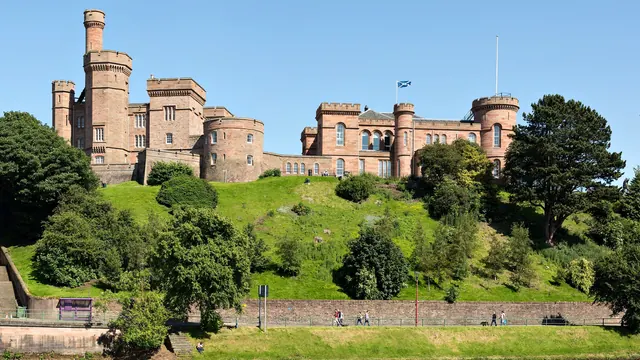
Neither is a place for a night out, and evenings in both end early in a pub. The difference is in the kind of pub. Weymouth's seafront is the only real strip of bars on the Jurassic Coast, and it fills with stag and hen parties at summer weekends. In the Highlands the busiest pubs are in Inverness and in walkers' towns like Fort William and Aviemore, where people swap stories of the day's climb over a dram.
Nature & outdoors
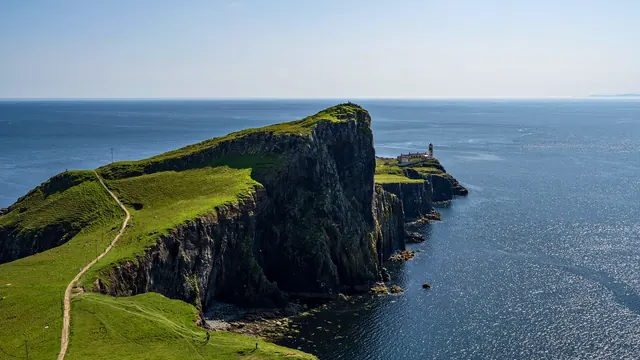
Both come here first for the landscape, but the Highlands are on a bigger scale. Glencoe, Torridon and the Cairngorm plateau are real mountain country, with scrambling, sea kayaking, mountain biking and even winter skiing, and the wildlife of eagles, otters, dolphins and whales is a major attraction in itself.
The Jurassic Coast's appeal is the geology along a single line of cliffs: red Devon sandstone, ammonite-rich shale near Charmouth, the limestone arch of Durdle Door and Purbeck's chalk stacks at Old Harry Rocks. Walking the coast path and fossil hunting are the highlights here, rather than summits.
Day trips
Day trips are about equally good in both, but they go in different directions. From the Jurassic Coast you head inland to cathedral cities and market towns such as Exeter, Sherborne and Salisbury, with Stonehenge as the longer outing.
From the Highlands the best trips cross water or rails: ferries from Oban to Mull and Iona, the steam train over Glenfinnan to Mallaig, or a whisky run through Speyside. Distances there take longer than the map suggests.
Good for families
Families are clearly better served on the Jurassic Coast. Weymouth's donkeys and sea-life centre, Studland's shallow water, the tank museum at Bovington and the Swanage steam railway are all within a short drive, and cottages and campsites are set up for families. The main things to watch are the cliff edges and falling rock.
The Highlands work for families who enjoy outdoor life, especially around Aviemore with its wildlife park and reindeer herd. Elsewhere, long journeys, wet days and summer midges make it harder going with small children.
Getting around
Both are really driving destinations, but the Jurassic Coast is the easier one to manage. Its lanes clog in summer and the car parks at Lulworth fill early, yet trains reach Exmouth, Weymouth and Wareham, and a chain of buses lets you walk the coast path between stops without a car.
In the Highlands, single-track roads with passing places, camper vans and sheep slow every journey. The scenic rail lines and buses miss most of the trailheads and beaches, and island ferries need booking ahead in summer.
Shopping & style
What sets the two apart is what you bring home, not where you buy it. On the Jurassic Coast the best browsing is in Bridport, with its street market and antiques and vintage quarter, and the souvenir to take home is a polished ammonite from Lyme Regis or Charmouth.
Highland shopping runs to tweed, knitwear, tartan and bottles bought at the distillery, plus pottery and jewellery from craft studios on Skye. Inverness has its Victorian covered market and Aviemore has outdoor-gear shops, but like Dorset there are no big-name shopping streets.
Affordability
Costs are much the same in both. Each is pricey in high summer, with rooms on Skye or in Lyme Regis booking up early, and in both the best sights are free. The steady extras differ: car parking at the busy Dorset beauty spots, and fuel and car hire on the long Highland drives.
The savings come from different places too. On the Jurassic Coast they come from staying in Weymouth or a caravan park. In the Highlands they come from hostels, campsites and bothies, or from going in spring or autumn, when there is less competition for the limited rooms and they are easier to find.
Live music & performing arts
The Highlands have more live music worth seeking out. Fiddle and pipe sessions in pubs and village halls, ceilidhs, Gaelic song in the west and summer Highland games give evenings a character of their own, and Inverness has a proper theatre.
The Jurassic Coast offers summer shows at Weymouth's pavilion, some folk nights and small festivals in the market towns. For anything bigger you have to go to Poole or Exeter.
Wellness & relaxation
Neither has much of a spa culture, so relaxation in both comes from slowing down. The Highlands do this better, because the remoteness is real: a cottage at the end of a single-track road, long June evenings and loch dips, with lodge spas on Skye and in Speyside.
On the Jurassic Coast the calm comes from villages like Beer and Charmouth outside August, with walking by day and the pub at night. It is restful, but you are rarely far from other visitors.
When should you go?
Pick your month. The climate figures are measured averages, not a forecast.
Jurassic Coast in July
Scottish Highlands in July
Daytime high, °C
Rainfall in the month, mm
Where the figures come from
Jurassic Coast's temperatures are measured 66 km from the centre, at Bournemouth Airport.
Jurassic Coast has no rain gauge within 25 km of the centre, so its rainfall comes from a gridded climate dataset read at the destination rather than from a gauge further away.
Scottish Highlands has no rain gauge within 25 km of the centre, so its rainfall comes from a gridded climate dataset read at the destination rather than from a gauge further away.
Scottish Highlands's sunshine is measured 44 km from the centre, at Kinloss.
Temperature and rainfall are climate normals, averaged over the years shown. Jurassic Coast: 1991-2020 normals, Bournemouth Airport (65.7 km from centre). Scottish Highlands: 2005-2020 (sunshine 1991-2020, rainfall 1991-2020) normals, Inverness / Dalcross (12.1 km from centre).
Both are summer destinations, but the Jurassic Coast runs warmer and sunnier. Along the Dorset coast, July and August reach about 22°C and are the obvious beach months, with the sea at its warmest, around 17°C, in August and September. June is the driest month and almost as sunny, so it is a calmer time to walk the cliffs. From October the rain picks up sharply and stays heavy through the winter, when short grey days are best spent fossil hunting after storms rather than on the sand.
The Highlands, measured around the main visitor area, are a few degrees cooler all year, peaking at about 19°C in July, and the sea only reaches around 14°C. Spring and early summer are the best times to go: April is the driest month and May the sunniest, which fits the advice to walk the hills in May, June or September. Late summer turns wetter, and from October to January rain is frequent and days are cold and dark, so a winter trip only really works for skiing or a cottage by the fire.
Which traveller are you?
On a family trip with young children, the Jurassic Coast is the safer bet. Guided fossil walks at Charmouth, Purbeck's primate rescue park and a sea mild enough to splash about in by August fill a week with little planning.
For an outdoors trip, the Highlands win clearly. Climbing Ben Nevis, walking the West Highland Way or crossing the Cuillin ridge on Skye are proper mountain days, often with red deer on the slopes, and May, June and September give the kindest conditions.
For a beach and sun trip, the Jurassic Coast is the only real contender. Its summers are noticeably sunnier, and the red-cliffed sands at Exmouth and Sidmouth come with Georgian resort towns behind them, while the Highland bays are remote and exposed to the wind.
Before you go
| Measure | Jurassic Coast | Scottish Highlands |
|---|---|---|
| Official language | English | English |
| Currency | Pound Sterling (GBP) | Pound Sterling (GBP) |
| Sockets | G230 V, 50 Hz | G230 V, 50 Hz |
| Driving side | Left | Left |
| Time zone | UTC, UTC+1 in summer | UTC, UTC+1 in summer |
| Emergency number | 112 or 999 | 112 or 999 |
| Main airport | Exeter International Airport (EXT)25 non-stop destinations | Inverness Airport (INV)15 non-stop destinations |
| Public holidays this year | 8 days | 10 days |
By the numbers
| Measure | Jurassic Coast | Scottish Highlands |
|---|---|---|
| Swim season, months above 21 °C | None | None |
Where else could you go?
Every comparison below shares a destination with this one, so you can follow Jurassic Coast or Scottish Highlands somewhere new.
- Devonvs Jurassic Coast
- Isle of Wightvs Jurassic Coast
- Cotswoldsvs Jurassic Coast
- Cornwallvs Jurassic Coast
- Orkneyvs Scottish Highlands
- Pembrokeshirevs Jurassic Coast