Photos: Kauai by Jess Loiterton, Pexels License; Maui by Kelsey, Pexels License.
Kauai or Maui?
Our verdict in twelve categories, each scored against the same fixed benchmark cities, and the climate month by month, so you can choose for your trip.
Choose Kauai for
- prices
- nature and the outdoors
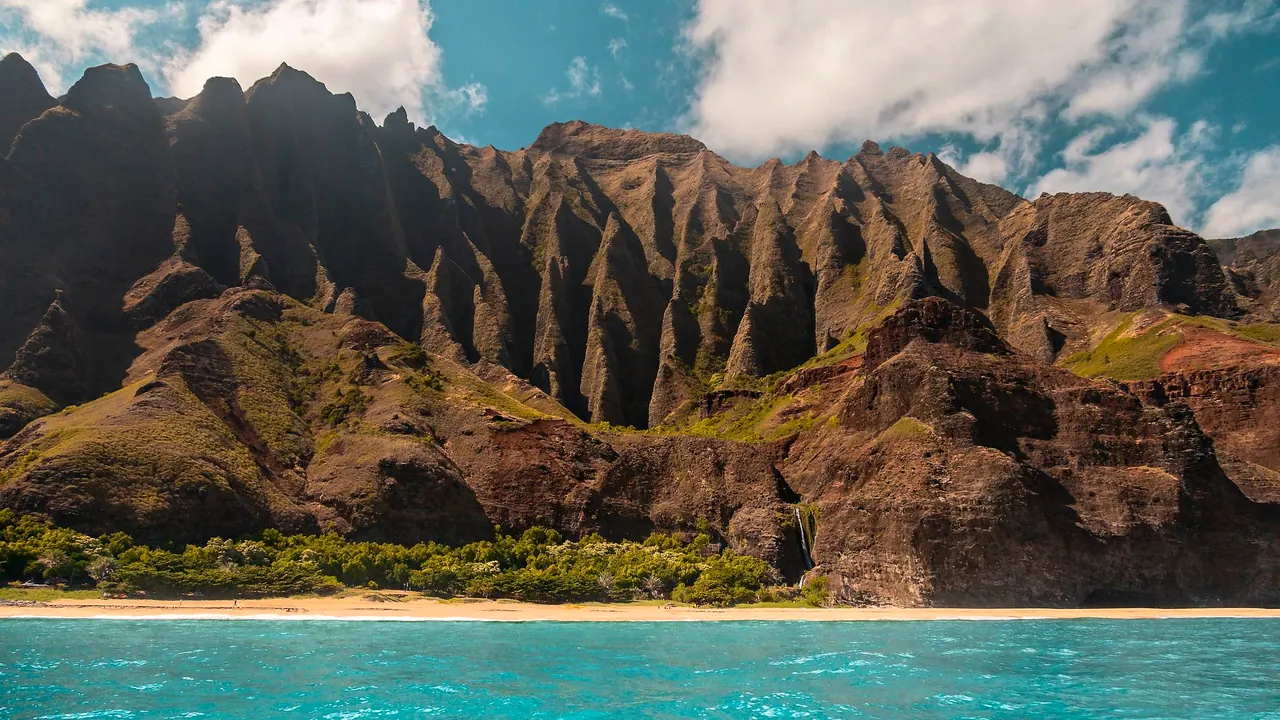
Kauai is for travellers who want the land itself to be the trip. The cliffs of the Na Pali Coast, the red gorge of Waimea Canyon and the wet green valleys of the north shore are the reasons to come, and there is little to do after dark. It suits walkers, kayakers and couples who are happy with small towns, plate lunches and early nights, and who will take a little more rain in exchange for a greener island.
Choose Maui for
- food and drink
- wellness
- day trips
Maui offers more beyond the outdoors. Its beaches on the sunny west and south coasts are easier to rely on, and it has more places to eat and shop and more spas. Kihei keeps a few bars open later, and Lanai is a ferry ride away. Families, people visiting Hawaii for the first time and anyone who wants a resort base with a volcano sunrise and whale season close by will find it the more rounded island.
Scoreboard
Twelve categories on one fixed scale from 0 to 100. The shaded stretch is the gap between the two.
Your match
Pick a travel style or drag the sliders, and both match scores follow your weighting.
Wins on prices and nature and the outdoors with your weighting.
Wins on food and drink and wellness with your weighting.
What matters to you?
Category by category
What the scores mean for a trip.
Beaches & swimming
Both islands have warm water all year, and both lose their north shores to winter swells. Maui's beaches still go further. Its sheltered bays at Napili and Kapalua and the golden crescents from Kihei to Makena are all on the dry, sunny side, so a beach day rarely has to be planned around the weather.
Kauai's finest settings, Hanalei Bay, Tunnels and Ke'e, are swimmable mainly from May to September, which leaves Poipu as the reliable base all year. Many of its beaches have rip currents and no lifeguards, so it calls for more care. In return it offers monk seals resting on the sand at Poipu.
Food & drink
Neither island is somewhere to plan a trip around food, and both have the same local staples of poke, plate lunches, saimin and shave ice. Maui simply has more of it: counters in Kahului, Wailuku and Kihei, farm stands, a goat dairy and a winery upcountry around Kula, and more resort dining rooms in Wailea and Kaanapali.
On Kauai, eating is simpler and earlier. There are food trucks in Kapaa and Hanalei and farmers markets in each town, and most of the sit-down restaurants are on the east side.
Culture & sights
Heritage is thin on both islands, but Maui has a little more to fill a day. There is the Bailey House Museum in Wailuku, the plantation story at the sugar museum in Puunene, the huge stone platform of Piilanihale Heiau near Hana and the battle history of Iao Valley.
Kauai's equivalents, the Kauai Museum in Lihue, the Grove Farm homestead and the Russian fort ruins at Waimea, are stops on a drive rather than reasons to come. On both islands, the land carries more of the Hawaiian meaning than any building does, and on Maui that means Haleakala above all.
Nightlife
Neither island is for a big night out, but Maui at least gives you a choice. Kihei has a cluster of casual bars that draws a younger crowd and stays open latest, Paia adds a few small bars, and the lounges in Wailea and Kaanapali serve cocktails into the late evening. On Kauai the evening means a sunset drink in Poipu or Princeville, perhaps a weekend band in Kapaa, and then bed.
Nature & outdoors
Both are outstanding, and the difference is one of kind. Kauai is the island of cliffs and canyons. You can see the Na Pali Coast from the Kalalau Trail or from a boat, walk the cool Kokee forests above Waimea Canyon, and kayak the Wailua River to waterfalls. Frequent rain on its north and mountain sides keeps everything green.
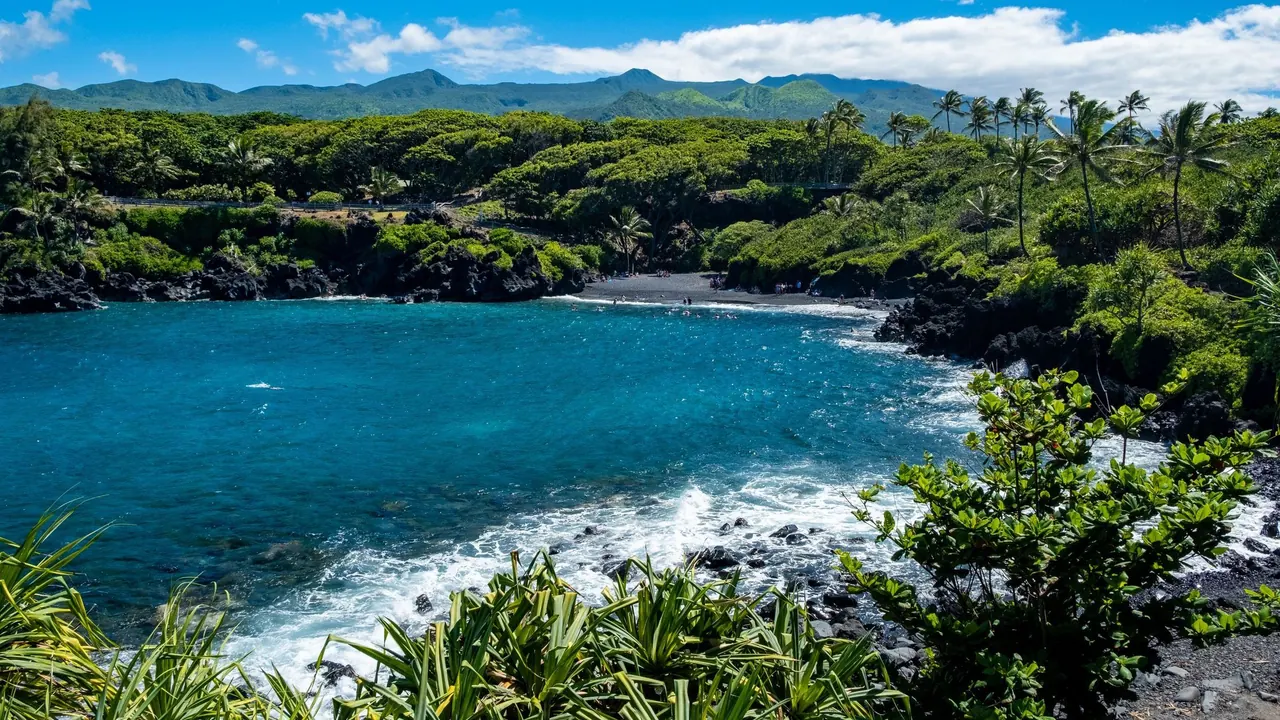
Maui is built around a volcano. The cindery crater of Haleakala, sunrise above the clouds and the rainforest along the road to Hana are its highlights. It has more to do on the water, with Molokini's sunken crater for snorkelling and diving and Hookipa for windsurfing. Both islands have humpback whales offshore in winter.
Day trips
Maui has the one real separate destination: Lanai, a passenger ferry ride across the channel, with the plantation-era square of Lanai City. Kauai has nothing similar, since Niihau is closed to visitors and every other island means a flight. On land the two are alike, each with a string of small towns for half days: Hanapepe, Koloa and Waimea on Kauai, and Paia, Makawao and Wailuku on Maui.
Good for families
Both suit a family that wants an outdoor vacation about equally well, but in different ways. Maui relies more on things built for families: resorts in Wailea and Kaanapali designed around pools and kids' programmes, the Maui Ocean Center aquarium and winter whale-watching boats. Its long drives to Hana and the cold summit of Haleakala can be hard on small passengers.
Kauai is simpler. It offers the rock-walled pools at Lydgate, the Anini lagoon, a plantation train ride and turtles on the sand at Poipu. It has no aquarium, though, and little to do indoors on a rainy day.
Getting around
On both islands you really need a hire car, and the bus is of no use for sightseeing. Kauai's single road never closes its loop, so the north shore and the west side are about two and a half hours apart, and where you choose to stay matters.
Maui spreads across two volcanoes with Kahului between them, and both resort coasts are within about an hour of it. The effort goes into the long scenic drives up Haleakala and along the road to Hana. In Wailea or Kaanapali, beach paths make a day without the car easy.
Shopping & style
Shopping is a sideline on both islands, but Maui has more of it. There are open-air resort centres in Wailea and Kaanapali with a few luxury labels, everyday malls in Kahului, boutiques in Paia, galleries in Makawao, and lavender and coffee from the upcountry farms. Kauai is smaller still, with surfwear in Old Kapaa and Hanalei and galleries in Hanapepe. Its one distinctive buy is the fine Niihau shell lei.
Affordability
There is little to choose between them on cost: both are among the most expensive places to vacation. Groceries are shipped in, restaurant meals cost well above mainland levels and a hire car is hard to avoid. Maui's top resorts in Wailea and Kapalua and its Kihei condos in winter are dear, and Kauai's Poipu and Princeville are no cheaper in any meaningful way.
On both islands the beaches, lookouts and trails cost nothing, and poke counters and plate lunches keep meals manageable. The big extra costs differ: on Kauai it is boat and helicopter trips along Na Pali, and on Maui it is snorkel cruises, helicopter flights and luaus.
Live music & performing arts
Maui is the only one of the two with a real stage. The Maui Arts & Cultural Center in Kahului hosts touring concerts, local theatre and hula festivals, and the historic Iao Theater in Wailuku puts on community productions. Kauai has no regular theatre or concert life. On both islands, hula and slack-key guitar are living traditions that most visitors meet at resort luaus and in restaurants, and they are best heard away from those settings.
Wellness & relaxation
Maui has the larger spa offer, while Kauai relies more on its slow pace. Kauai's resort spas are concentrated in Poipu. Its gentler appeal is on the north shore, where yoga retreats gather around Hanalei and Princeville in a soft, rainy calm, and the whole island is in bed early.
Maui's resorts in Wailea and Kapalua have long treatment menus with hydrotherapy circuits, and the green hills around Haiku and Kula have yoga studios and small retreats. Neither island has hot springs or a bathing tradition, so on both a relaxing trip means spas, quiet and early nights.
When should you go?
Pick your month. The climate figures are measured averages, not a forecast.
Kauai in July
Maui in July
Daytime high, °C
Rainfall in the month, mm
Temperature and rainfall are climate normals, averaged over the years shown. Kauai: 1991-2020 normals, Lihue Airport (3.9 km from centre). Maui: 1991-2020 (sunshine 1981-2010, rainfall 1961-1990) normals, Kahului Airport (15.1 km from centre).
On both islands the sea stays at 24°C or warmer all year, so you can swim in any month. The real choice is between wetter and drier seasons. Kauai's figures, taken where most visitors stay, show a long wet season: rain builds from October and peaks in March at 133mm, and the north and mountain side are wetter still. April to September is drier and sunnier, and from May to September the north shore is also calm enough to swim. Daytime highs barely reach 30°C even in late summer, so walking and hiking are comfortable all year.
Maui's figures come from the dry resort coasts of the south and west. They are drier and a little hotter than Kauai's, and the rainforest along the road to Hana and the green upcountry hills see far more rain. On those leeward coasts hardly any rain falls from April to October. With summer highs around 31°C, the middle of the day is better spent in the water than on a trail. The wet spell there is short and centred on January, which at 108mm is wetter than January on Kauai. In December, February and March, though, Maui's resort coasts are clearly drier than Kauai. For the surest sun on either island, go between May and September.
Which traveller are you?
On an outdoors trip, both islands are superb, so choose by landscape. Kauai suits walkers and kayakers, with the Kalalau Trail above the Na Pali cliffs and the Kokee forests over Waimea Canyon. Maui suits those drawn to a volcano crater, Molokini snorkelling and windsurfing.
For a food and nightlife trip, Maui is the better pick, although neither island is strong on either. It has more poke counters, farm stands and resort dining rooms, and Kihei's bars stay open late. Kauai eats dinner early and then goes quiet.
On a relaxing and wellness trip, Maui has more to offer. There are the large Wailea and Kapalua spas with hydrotherapy and lomilomi massage, yoga retreats upcountry, and the stillness of Hana at the end of its road. Kauai is just as slow but has fewer places offering treatments.
Before you go
| Measure | Kauai | Maui |
|---|---|---|
| Currency | US Dollar (USD) | US Dollar (USD) |
| Sockets | AB120 V, 60 Hz | AB120 V, 60 Hz |
| Driving side | Right | Right |
| Time zone | UTC-10 | UTC-10 |
| Emergency number | 911 | 911 |
| Main airport | Lihue Airport (LIH)14 non-stop destinations | Kahului International Airport (OGG)29 non-stop destinations |
| Public holidays this year | 13 days | 13 days |
By the numbers
| Measure | Kauai | Maui |
|---|---|---|
| Population | 66,921 | 144,444 |
| People per km² | 47 | 77 |
| Swim season, months above 21 °C | 12 months | 12 months |
Where else could you go?
Every comparison below shares a destination with this one, so you can follow Kauai or Maui somewhere new.