Photos: Kiruna by Steinkatz, CC BY 4.0, cropped; Svalbard by Sprok, CC BY-SA 3.0, cropped.
Kiruna or Svalbard?
Our verdict in twelve categories, each scored against the same fixed benchmark cities, and the climate month by month, so you can choose for your trip.
Choose Kiruna for
- getting around
- prices
- wellness
Kiruna is the better choice for anyone who wants the Arctic winter of huskies, aurora and ice hotel on easier terms. It is a railway town you can reach and move around in, with wood-fired saunas at the end of the day and activities older children can manage, and the bill is high but well short of Svalbard's. In summer it opens up Abisko and Kebnekaise for hiking without an armed escort.
Choose Svalbard for
- day trips
- nature and the outdoors
- food and drink
Svalbard is the bigger and wilder experience, for travellers after true high-Arctic wilderness and its animals: glaciers calving into fjords, walrus on remote shores, polar bears on the coast and sea ice, and boat trips to the Soviet ghost town of Pyramiden. It needs a generous budget, and every step beyond Longyearbyen is guided, so it rewards adults who want a short expedition rather than a comfortable base.
Scoreboard
Twelve categories on one fixed scale from 0 to 100. The shaded stretch is the gap between the two.
Your match
Pick a travel style or drag the sliders, and both match scores follow your weighting.
Wins on getting around and prices with your weighting.
Wins on day trips and nature and the outdoors with your weighting.
What matters to you?
Category by category
What the scores mean for a trip.
Beaches & swimming
Neither place has a beach worth the name. Kiruna at least has a few weeks of lake and river swimming in July, in water that rarely gets much above 15°C. In Svalbard the fjords stay at 4-7°C even in high summer, the shores are grey shingle, and swimming means a polar plunge off a boat or lengths in Longyearbyen's indoor pool.
Food & drink
Svalbard eats better than its size suggests. Longyearbyen has a handful of restaurants cooking seriously with seal, king crab, reindeer and Arctic char, a famously deep wine cellar and its own brewed beer, so a short stay can bring several memorable dinners in town.
Kiruna's best cooking happens out of town, at the wilderness lodges and around the ice hotel at Jukkasjärvi, with tasting menus built on Sami traditions. In town it is hotel dining rooms, pizzerias and fika cafés, and a long stay soon repeats itself.
Culture & sights
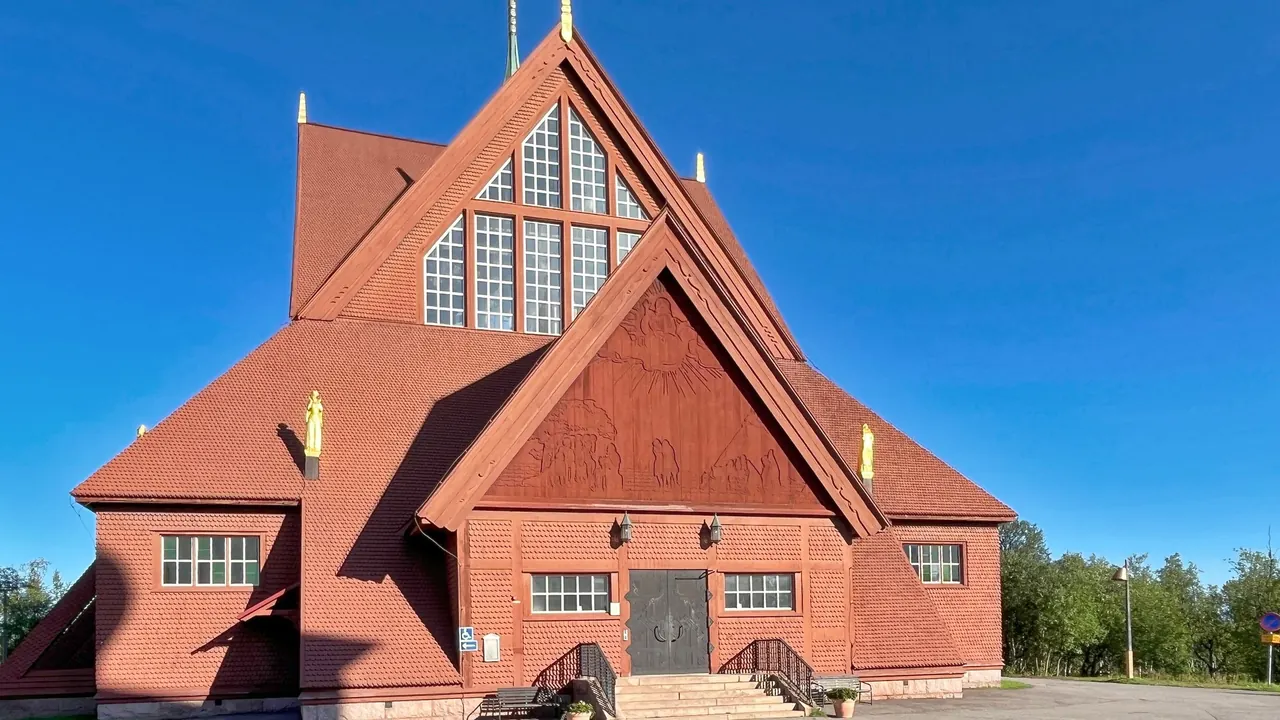
Both are about industrial and Arctic history rather than monuments, and either fills only a day or so. Kiruna's highlights are physical: a guided descent into the working iron-ore mine and the wooden church shaped like a Sami goahti hut, with Sami culture mostly met on excursions.
Svalbard tells its story through the Svalbard Museum on trappers and miners, a small museum on North Pole airship and balloon expeditions, old cable-car towers above town, and the Global Seed Vault seen from outside.
Nightlife
Evenings are quiet in both, with a few pubs and hotel bars and no clubs. Longyearbyen's main street has the more sociable mix of guides, researchers and miners over locally brewed beer, cheerful at weekends in the dark months. In Kiruna, aurora hunting takes most winter visitors out into the cold rather than into a bar.
Nature & outdoors
Kiruna's outdoors is forest and lake country: birch woods and frozen lakes crossed on cross-country skis, snowshoes or a dog sled, under an aurora season that runs from September to March, so autumn visitors get dark skies before the deepest cold. Around midwinter the sun stays below the horizon. In summer the midnight sun brings fishing, rafting and canoeing on the Torne, with the mountain trails of Abisko and the Kungsleden to the west.
Svalbard is the more complete high-Arctic landscape. It has no trees at all, only bare layered rock above glacier-edged fjords, and its wildlife comes closer, with the islands' own reindeer grazing in Longyearbyen itself. Its peak is the light spring from March to May, the time for ski touring and long snowmobile runs to the east coast ice. Summer moves the action onto the water, with kayaking and boat trips to glacier fronts, and the dark months add an eerie blue twilight to the aurora.
Day trips
Svalbard's few outings are stranger and more memorable. Barentsburg is a working Russian mining settlement and Pyramiden a Soviet ghost town beneath its pyramid-shaped mountain, each several hours away by boat in summer or by snowmobile in spring, and the research village of Ny-Ålesund is further still.
Kiruna's main outing is much easier: Jukkasjärvi, only 17km away, with its ice hotel, seventeenth-century church and Sami homestead museum. Beyond that there is little more than Gällivare, another mining town.
Good for families
Kiruna is the more manageable choice with children. Older ones can drive huskies, ride snowmobiles and sleep in ice, the town is small and safe, and buses reach the main sights, although toddlers struggle with the cold and late aurora nights.
Svalbard adds glacier boat trips and walrus sightings, but many snowmobile and glacier trips have minimum ages, and nobody can leave town without an armed guide because of polar bears. It really works only for teenagers.
Getting around
Kiruna is far easier to explore on your own terms. Beyond its walkable centre, buses run to the airport and Jukkasjärvi, the Malmbanan railway reaches Abisko and the mountains, and a hire car opens up the rest for anyone confident driving on snow.
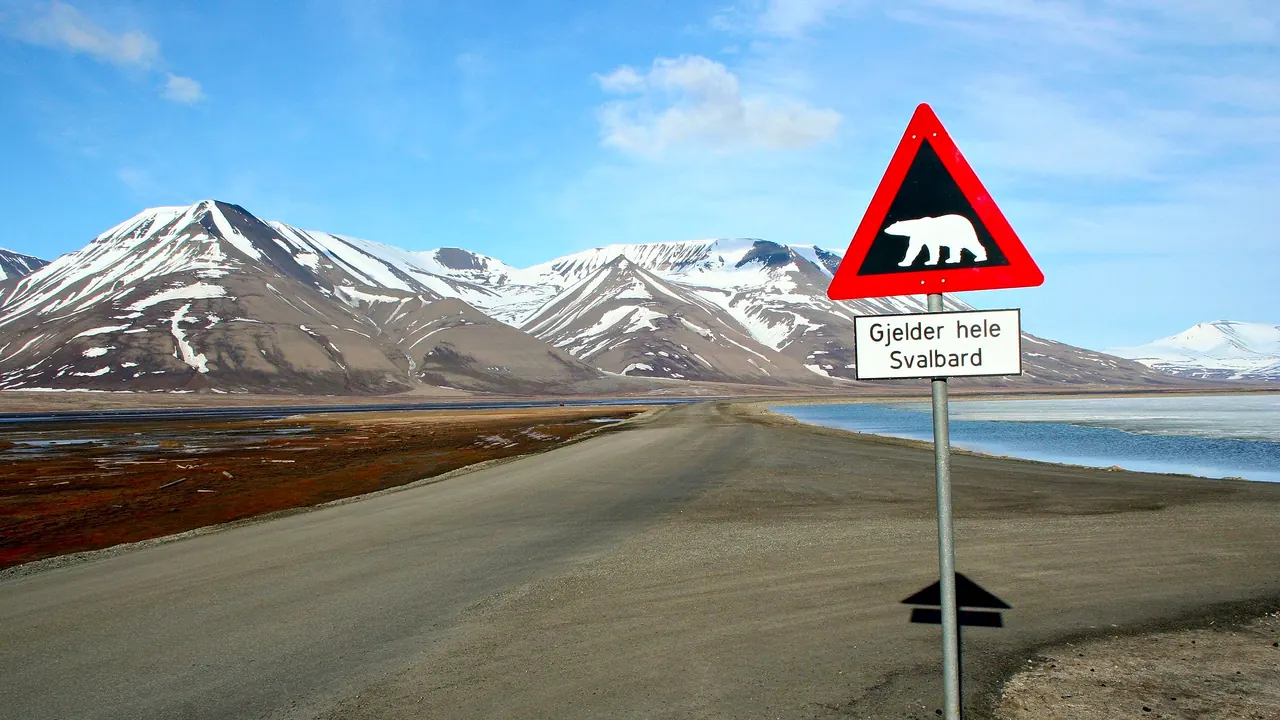
Svalbard has no roads between settlements, and polar bear rules keep visitors within Longyearbyen unless they are guided. Every outing is by boat, snowmobile, sled or small plane, and weather or ice can cancel plans at short notice.
Shopping & style
Both offer a short main street of outdoor gear and souvenirs. What differs is the thing to buy: in Kiruna, Sami duodji such as reindeer-horn knives and birch-wood cups from craft shops and the Jukkasjärvi homesteads; in Longyearbyen, knitwear and sealskin goods, with Svalbard's freedom from Norwegian VAT making extra layers a little cheaper.
Affordability
The real gap is how much of the trip you can do without paying someone. In Kiruna most of the money goes on the activities, from dog-sledding and snowmobile trips to aurora tours and a night in the ice hotel. Around them, self-catering, local buses and the cheaper summer months leave a careful traveller room to save.
Svalbard costs more at every turn. Rooms are few, restaurant meals carry the cost of flying everything in, and almost every outing beyond Longyearbyen needs a guide as well as a boat, snowmobile or sled. Tax-free clothing and gear are the only small relief.
Live music & performing arts
Live performance is scarce in both. Svalbard is a touch livelier, with a winter jazz festival and an autumn blues festival filling the culture house and pubs, plus local choirs and a big band. Kiruna offers occasional concerts in the church and community hall, and joik singing during its winter festival.
Wellness & relaxation
Kiruna makes more of the Nordic way of unwinding. Wood-fired saunas at wilderness lodges, an ice-hole plunge into a frozen lake and outdoor hot tubs under the aurora are part of the stay, and the ice hotel area adds spa facilities.
Svalbard has an indoor pool and a few saunas at hotels and lodges, and little else. Its restfulness comes from silence, the absence of traffic and long evenings under the midnight sun or the polar night.
When should you go?
Pick your month. The climate figures are measured averages, not a forecast.
Kiruna in July
Svalbard in July
Daytime high, °C
Rainfall in the month, mm
Where the figures come from
Kiruna has no rain gauge within 25 km of the centre, so its rainfall comes from a gridded climate dataset read at the destination rather than from a gauge further away.
Temperature and rainfall are climate normals, averaged over the years shown. Kiruna: 2005-2020 (rainfall 1991-2020) normals, Kiruna Airport (3.8 km from centre). Svalbard: 1991-2020 normals, Svalbard Lufthavn (5.1 km from centre).
Kiruna has a real, short summer. From June to August highs reach around 17°C, warm enough for a brief lake swim in July, but these are also the wettest months, with July bringing about 95mm. From November to March it stays below freezing for the dog-sledding and aurora season, and April is the thaw.
Svalbard, measured around Longyearbyen, never gets warm. Even July only reaches about 9°C, and the deepest cold comes late, with March at around -9°C, so the snow season for sledding and snowmobiling runs well into May, longer than in Kiruna. It is far drier all year, rarely above 25mm in a month, so summer days on the water are less likely to be rained off than summer walks in Kiruna.
Which traveller are you?
On an outdoors trip, Svalbard comes out ahead. Glaciers, roadless fjords and the chance of polar bears, walrus and Arctic foxes make it rawer than Kiruna's birch forest and frozen lakes, though Kiruna lets you hike Abisko on your own.
On a family trip with children, Kiruna is the safer bet. Children can drive a husky team and sleep in a room of ice, buses reach Jukkasjärvi, and nobody needs an armed guide to leave town, while Svalbard's trips often carry minimum ages.
On a tight budget, Kiruna is the only realistic option of the two. It is expensive, but self-catering apartments, supermarkets and a cheaper summer help, whereas in Svalbard almost everything is flown in and nearly every outing needs a paid guide.
Before you go
| Measure | Kiruna | Svalbard |
|---|---|---|
| Official language | Swedish | Norwegian, Nynorsk, Bokmål, Sámi |
| Currency | Swedish Krona (SEK) | Norwegian Krone (NOK) |
| Sockets | CF230 V, 50 Hz | CF230 V, 50 Hz |
| Driving side | Right | Right |
| Time zone | UTC+1, UTC+2 in summer | UTC+1, UTC+2 in summer |
| Emergency number | 112 | Police 112, ambulance 113, fire 110 |
| Elevation | 550 m | - |
| Main airport | Kiruna Airport (KRN)3 km from centre4 non-stop destinations | Svalbard Airport, Longyear (LYR)3 non-stop destinations |
| Public holidays this year | 16 days | 13 days |
By the numbers
| Measure | Kiruna | Svalbard |
|---|---|---|
| Population | 17,284 | 2,668 |
| People per km² | 1,516 | - |
| Museums within 10 km | 1 | - |
| UNESCO World Heritage sites within 50 km | 0 | - |
Where else could you go?
Every comparison below shares a destination with this one, so you can follow Kiruna or Svalbard somewhere new.
- Tromsovs Kiruna
- Lofotenvs Kiruna
- Rovaniemivs Kiruna
- Laplandvs Kiruna
- Stockholmvs Kiruna
- Tromsovs Svalbard