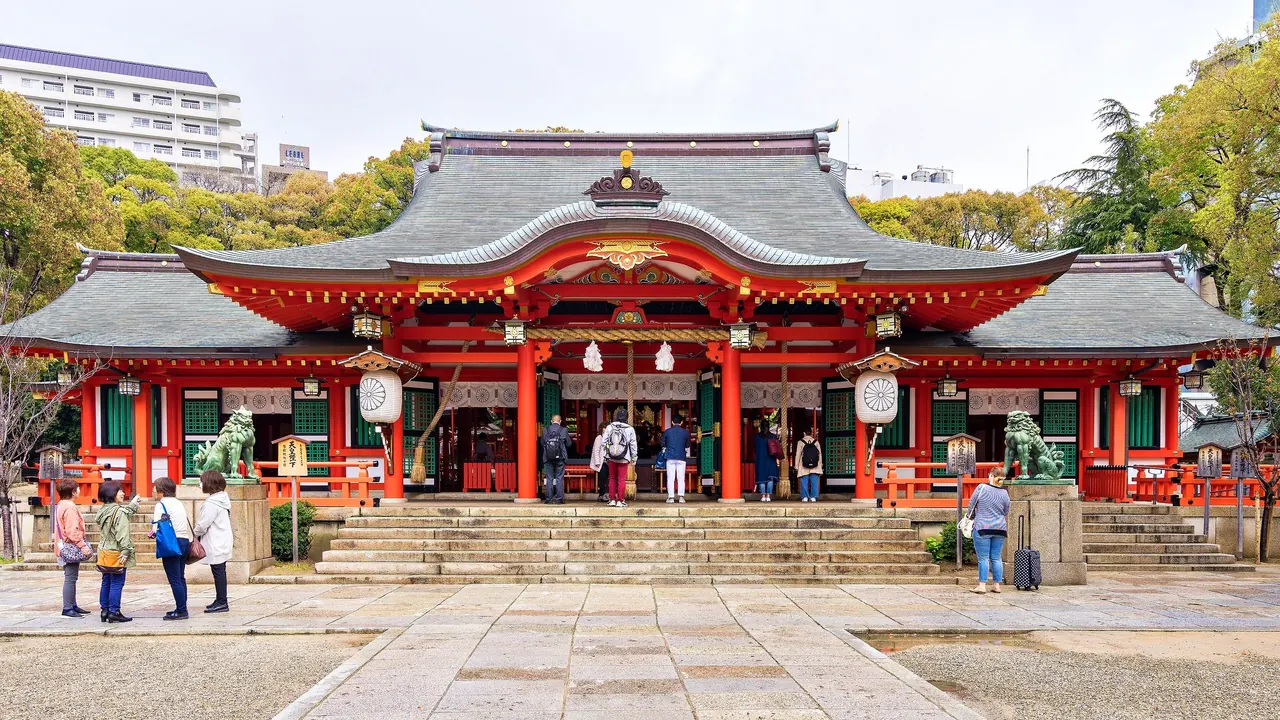
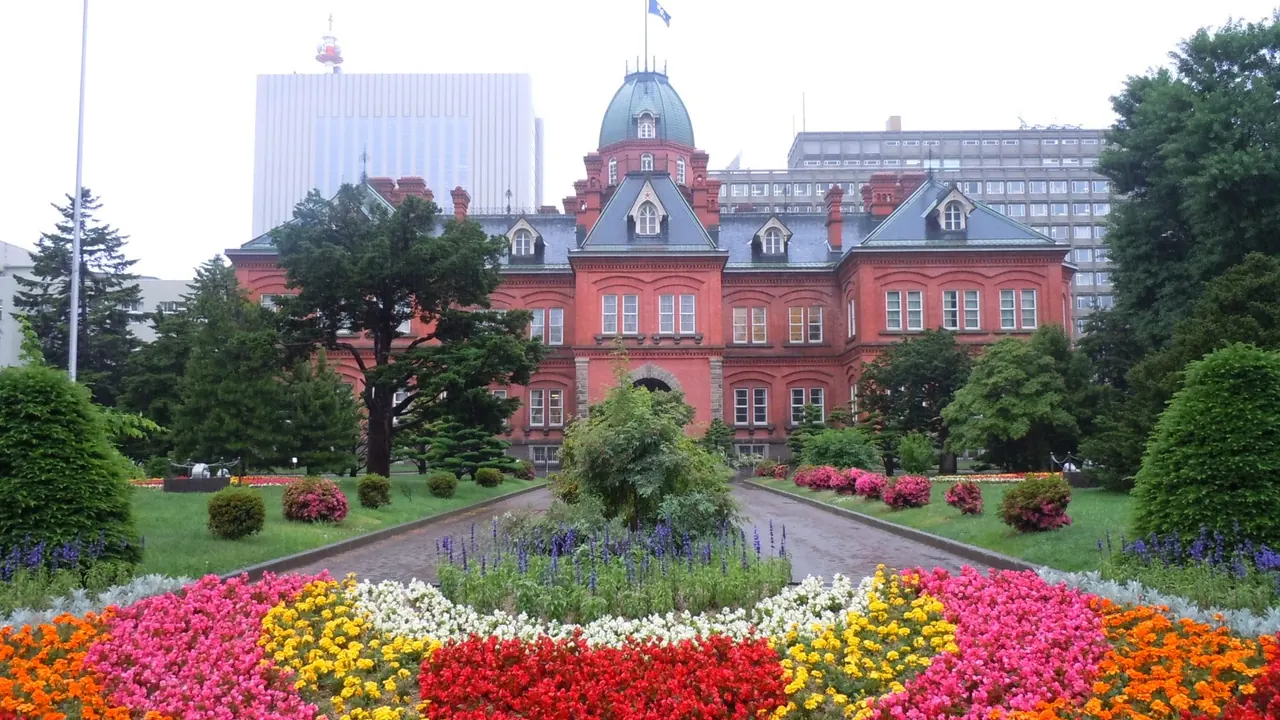
Photos: Kobe by Wei-Te Wong, CC BY-SA 2.0, cropped; Sapporo by Feri88, CC BY 3.0, cropped.
Kobe or Sapporo?
Our verdict in twelve categories, each scored against the same fixed benchmark cities, and the climate month by month, so you can choose for your trip.
Choose Kobe for
- day trips
- beaches
- culture and sights
Kobe suits a traveller who wants a comfortable, compact base in the heart of western Japan. Its merchant houses, jazz bars and Kobe beef fill a couple of days, and then the rail lines do the rest. Kyoto, Nara, Osaka and Himeji Castle are all easy day trips, and the milder climate gives it a long, pleasant spring and autumn.
Choose Sapporo for
- nightlife
- nature and the outdoors
- food and drink
For snow, seafood and late nights, Sapporo is the stronger pick. You can ski without leaving the city, soak in Jozankei, eat crab and miso ramen and work your way through Susukino's bars, with lakes and volcanoes close by in summer. The trade-off is that a stay here means exploring Hokkaido rather than touring Japan beyond it.
Scoreboard
Twelve categories on one fixed scale from 0 to 100. The shaded stretch is the gap between the two.
Your match
Pick a travel style or drag the sliders, and both match scores follow your weighting.
Too close to call, 2 points apart
Wins on day trips and beaches with your weighting.
Wins on nightlife and nature and the outdoors with your weighting.
What matters to you?
Category by category
What the scores mean for a trip.
Beaches & swimming
Neither city is a beach destination, but Kobe at least has one close by. Suma's long sandy beach is fifteen minutes away by train, with lifeguards and the warmer water of Osaka Bay in high summer, and Awaji Island across the strait has quieter swimming.
Sapporo is inland, so reaching the sea means half an hour or more out to Ishikari or Otaru. There the cooler Sea of Japan is good for a swim for only a few weeks around early August, so treat it as an afternoon out rather than a reason to go.
Food & drink
Both cities eat very well, but Sapporo has the edge because so much of its food comes straight from Hokkaido. Mornings mean crab and sea urchin over rice at Nijo Market, evenings mean miso ramen, soup curry and jingisukan lamb, and beer runs through the city's identity.
Kobe's table owes more to its history as a treaty port. It has Kobe beef on the teppanyaki grill, a long baking and cake tradition in Motomachi and Kitano, steamed buns in Chinatown and the sake breweries of Nada. Choose Sapporo for local produce and regional dishes, Kobe for pastry, sake and a famous steak.
Culture & sights
Neither is a heritage city, and each takes about two days to see, but Kobe has more to offer. The merchant houses of Kitano, the ancient Ikuta Shrine, the earthquake museum and Ando's art museum on the bay tell a layered story of foreign trade, disaster and recovery.
Sapporo's history begins with its 1870s street grid, so its landmarks are the Clock Tower, the red-brick government building and the open-air Historical Village, with Ainu culture covered at the Hokkaido Museum. Its most memorable sight is Noguchi's Moerenuma Park, which is more landscape than history.
Nightlife
Sapporo is the better night out. Susukino is a whole district of neon towers with bars stacked floor upon floor, plus karaoke and ramen counters that stay busy past midnight even in winter. Touts and hostess bars mean the side streets are the easier place to start.
Kobe's evenings are quieter: whisky bars and izakaya in the lanes north of Sannomiya, or a drink by the lit-up harbour at Harborland. For anything louder you take the train to Osaka, and neither city is really for clubbing.
Nature & outdoors
Snow is what sets the two apart. From December to March Sapporo has ski slopes inside its own city limits, and Kobe has nothing like that. Kobe's outdoors are the Rokko range rising straight behind the centre: trails start near Shin-Kobe and pass the Nunobiki falls, ropeways climb Maya and Rokko for night views over the bay, and the Suma Alps make a short, rocky scramble at the western end.
Sapporo's landscape is on a bigger scale. Teine, an alpine venue at the 1972 Winter Olympics, and Kokusai are both within the city, and Niseko's powder is about two hours away. In summer the caldera lake and volcanoes of Shikotsu-Toya lie about an hour south, and the flower fields of Furano and Biei are within reach.
Day trips
Kobe is far ahead here. Its rail corridor makes Himeji Castle, Osaka, Kyoto and Nara easy days out, and the shinkansen reaches Kurashiki and even Hiroshima and Miyajima. A week in Kobe can cover many of western Japan's best-known sights.
Sapporo has fewer outings, and they take longer: Otaru's canal and the Yoichi distillery, the Ainu museum at Shiraoi, the hot springs of Noboribetsu and Asahikawa. Beyond those, trips lead into lakes and farmland rather than to other cities.
Good for families
Both are safe, clean and easy with children, and Kobe edges ahead for the variety close to its centre. Oji Zoo, the aquarium beside Suma beach, the Harborland Ferris wheel and the ropeways up to play areas on Rokko are all near, and Universal Studios is about an hour away.
How much Sapporo appeals depends on the season. Winter brings the Snow Festival slides and beginner ski slopes in the city, and summer brings the fountains and grassy hills of Moerenuma. January cold calls for proper clothing, just as Kobe's summer heat needs planning around.
Getting around
Both cities are easy to find your way around, but they are built differently. Kobe is one long line between hills and sea. JR, Hankyu and Hanshin trains run side by side from east to west on the same card, so you pick a station rather than learn a network, and the compact core from Sannomiya to Motomachi is mostly done on foot. Sapporo spreads out as a grid instead, and there the subway does more of the work, with three lines crossing the centre and a streetcar loop out to the Moiwa ropeway.
The bigger difference is the season. Walking in Kobe stays easy all year, apart from the uphill streets of Kitano. Sapporo's centre is flat but slow and icy in midwinter, when the underground walkway from the station to Susukino is the best way across town. Kobe's outer sights, Port Island and the mountains, are reached by rail and ropeway, while in Sapporo Moerenuma Park and Jozankei mean taking a bus.
Shopping & style
Kobe shops for style, Sapporo for things to eat. Kobe's covered arcades run for blocks through Sannomiya and Motomachi, Daimaru and boutiques in stone buildings anchor the old foreign settlement, and the local specialities are pearls, Nagata leather shoes and Western-style cakes.
In Sapporo the shopping bags fill with Hokkaido chocolate, butter biscuits, cheese and dried seafood from the station malls and the long Tanukikoji arcade, and Ainu woodcarving is the craft to take home. In both cities, serious fashion shoppers will find more depth in Japan's largest cities.
Affordability
Costs are much the same in both, with modest business hotels, cheap ramen and set lunches, and inexpensive local transport. The splurges differ. In Kobe it is a Kobe beef teppanyaki dinner, shinkansen day trips and a night at an Arima ryokan. In Sapporo it is crab and sea urchin, ski passes, and central hotel rooms that become scarce and expensive during the February Snow Festival.
Live music & performing arts
Kobe has more for an evening at a performance, largely thanks to jazz. There are small clubs with resident trios around Sannomiya and Kitano and the Kobe Jazz Street festival each autumn. The Hyogo Performing Arts Center is nearby, the Takarazuka Revue is about forty minutes away, and Osaka has kabuki and bunraku.
Sapporo's strength is classical music at Kitara, home of the Sapporo Symphony Orchestra and the Pacific Music Festival each July. Beyond that and the Yosakoi Soran street dancing in June, its programme is that of a regional city.
Wellness & relaxation
Each city has a major hot-spring town within its own limits, so the difference is the setting. Kobe's Arima Onsen, half an hour away over Mount Rokko, is famous for its rust-coloured and carbonated waters and makes an easy afternoon, or a night with a kaiseki dinner.
Sapporo's Jozankei lies in a forested gorge an hour away, with open-air baths where you soak under falling snow or turning leaves, and Noboribetsu is also within reach. With its wide streets and quiet winters, Sapporo itself also feels the calmer of the two.
When should you go?
Pick your month. The climate figures are measured averages, not a forecast.
Kobe in July
Sapporo in July
Daytime high, °C
Rainfall in the month, mm
Where the figures come from
Kobe's sunshine is measured 29 km from the centre, at Osaka.
Temperature and rainfall are climate normals, averaged over the years shown. Kobe: 1971-2000 (sunshine 1991-2020, rainfall 1991-2020) normals, Kobe (1.3 km from centre). Sapporo: 1991-2020 normals, Sapporo (2.2 km from centre).
Kobe has the longer comfortable season. April to May and October to November are ideal for walking the streets and the Rokko trails, and winters are mild rather than cold. July and August are the beach months, with the sea at Suma near 27°C. The price is heat and rain: June and July are the wettest months, with about 226mm in July, and August highs near 32°C make sightseeing sticky.
Sapporo runs on a different calendar. Winter is its signature season, with daytime highs around 0°C in January, steady snow and the least sunshine of the year. That suits skiing and the Snow Festival but makes long walks hard work. Summer is its gentle side, with highs near 26°C in August and far less rain in June than Kobe gets. The sea is warm enough to swim in for only a few weeks, though, and September is Sapporo's wettest month.
Which traveller are you?
For a culture and arts trip, Kobe is the better base. Its own sights, the Kitano merchant houses and Ando's museum on the bay, are modest, but Kyoto, Nara and Himeji Castle are easy days out, and jazz clubs fill the evenings.
On a food and nightlife trip, Sapporo wins. Seafood bowls at Nijo Market in the morning, miso ramen and lamb grilled at the table lead on to Susukino, where thousands of small bars stay busy past midnight. Kobe's evenings wind down earlier.
On an outdoors trip, Sapporo has the bigger landscape: ski slopes inside the city and Niseko powder in winter, then caldera lakes and volcanoes in summer. Kobe's Rokko trails make a fine day's hiking, but nothing on that scale.
Before you go
| Measure | Kobe | Sapporo |
|---|---|---|
| Official language | Japanese | Japanese |
| Currency | Yen (JPY) | Yen (JPY) |
| Sockets | AB100 V, 50 and 60 Hz depending on the region | AB100 V, 50 and 60 Hz depending on the region |
| Driving side | Left | Left |
| Time zone | UTC+9 | UTC+9 |
| Emergency number | Police 110, fire 119 | Police 110, fire 119 |
| Elevation | 17 m | 5 m |
| Main airport | Kobe Airport (UKB)7 km from centre15 non-stop destinations | New Chitose Airport (CTS)42 km from centre42 non-stop destinations |
| Public holidays this year | 16 days | 16 days |
By the numbers
| Measure | Kobe | Sapporo |
|---|---|---|
| City population | 1,521,707 | 1,959,313 |
| People per km² | 2,732 | 1,747 |
| Museums within 10 km | 46 | 33 |
| UNESCO World Heritage sites within 50 km | 3 | 1 |
| Swim season, months above 21 °C | 5 months | 1 month |
Where else could you go?
Every comparison below shares a destination with this one, so you can follow Kobe or Sapporo somewhere new.