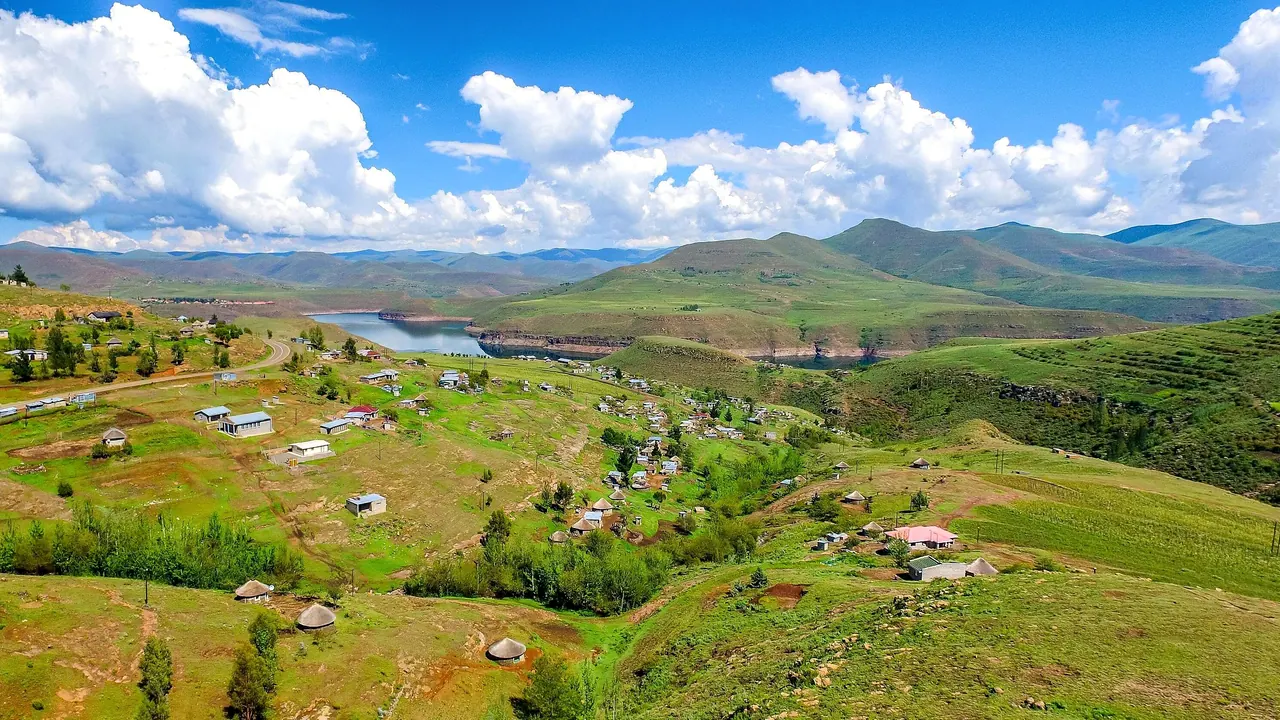
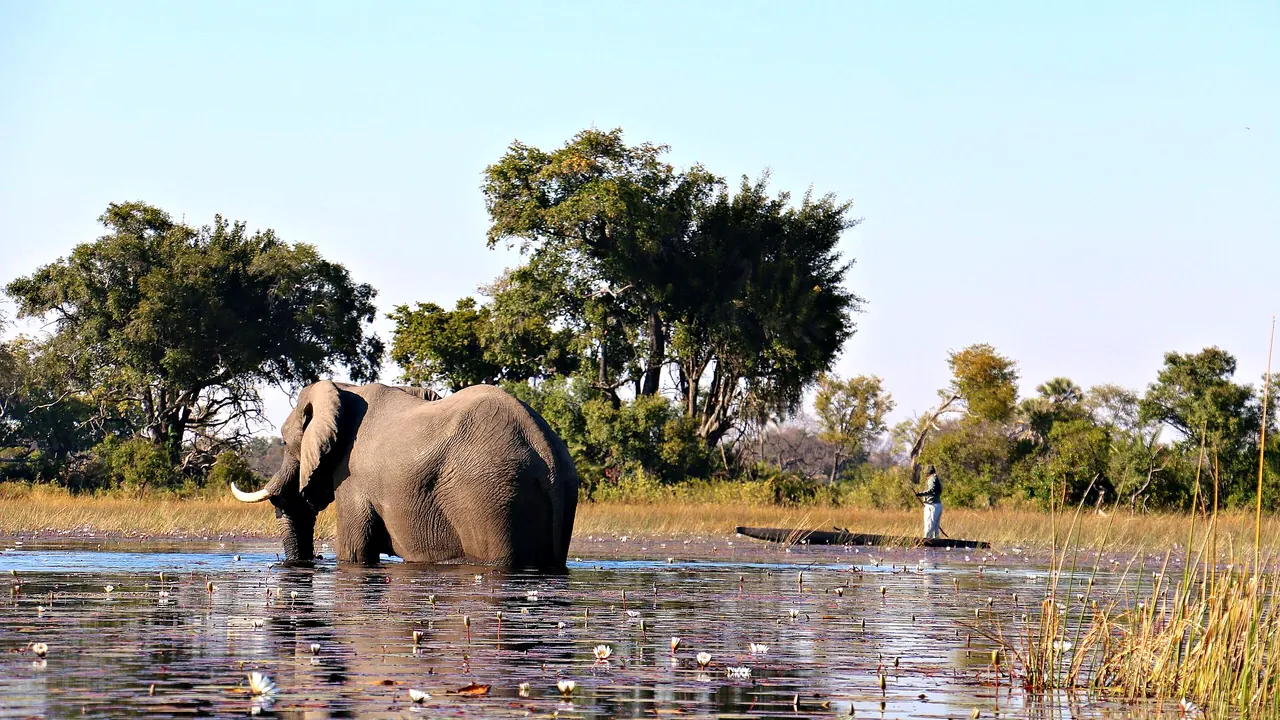
Photos: Lesotho by SkyPixels, CC BY-SA 4.0, cropped; Botswana by Hp.Baumeler, CC BY-SA 4.0, cropped.
Lesotho or Botswana?
Our verdict in twelve categories, each scored against the same fixed benchmark cities, and the climate month by month, so you can choose for your trip.
Choose Lesotho for
- prices
- culture and sights
- shopping
Lesotho is the trip for walkers, riders and travellers watching their money. It is a mountain kingdom where you go between villages on foot or on a Basotho pony, from lodge bases such as Malealea and Semonkong, and day-to-day costs stay low. It suits people who want space, silence and highland scenery, and who don't mind cold nights, simple rooms and long drives on winding roads.
Choose Botswana for
- families
- nature and the outdoors
- wellness
Botswana is the better choice if the point of the trip is animals. The Okavango Delta, Moremi and the Chobe River offer some of the finest wildlife viewing anywhere, with fly-in camps that take care of the logistics. The catch is cost: this is a high-price destination, and it rewards a bigger budget. It also works better with children, as long as they are old enough for game drives.
Scoreboard
Twelve categories on one fixed scale from 0 to 100. The shaded stretch is the gap between the two.
Your match
Pick a travel style or drag the sliders, and both match scores follow your weighting.
Too close to call, 1 point apart
Wins on prices and culture and sights with your weighting.
Wins on families and nature and the outdoors with your weighting.
What matters to you?
Category by category
What the scores mean for a trip.
Beaches & swimming
Neither country has a coast, so this is no reason to choose one over the other. In both, swimming means a pool at your lodge.
What differs is the water you can't get into. Lesotho's highland rivers and reservoirs are simply too cold. Botswana's delta channels and the Chobe River are warm but full of crocodiles and hippos, so you watch them from a boat. Lodge plunge pools feel especially welcome in Botswana's October heat.
Food & drink
Neither is a food destination, and the difference is in where you eat. In Lesotho it means papa with greens or stew, home-brewed sorghum beer in the villages, and hearty set dinners at the trekking lodges.
In Botswana, most meals come with the safari: well-cooked international menus at the lodges, bush breakfasts and dinners round a fire. Seswaa, slow-cooked pounded beef or goat, is the local dish to look for, and adventurous eaters can try mopane worms at the roadside.
Where in Lesotho: Maseru
Where in Botswana: Gaborone, Okavango Delta, Maun
Culture & sights
Both have small, history-led offerings, and they share a thread of San rock art. Lesotho's sights are closer together and tell one story, the Basotho nation. You can see Moshoeshoe I's mountain fortress at Thaba-Bosiu, the museum and dinosaur footprints at Morija, and villages of thatched stone huts still lived in.
Botswana's best site, the Tsodilo Hills with their thousands of paintings, is a long trip from Maun in itself. Beyond it there are scattered modest museums in Gaborone and Serowe, so visitors tend to see culture in passing between parks.
Where in Lesotho: Thaba-Bosiu, Morija, Sehlabathebe National Park, Liphofung
Where in Botswana: Tsodilo Hills, Gaborone, Serowe
Nightlife
Neither country is a place to plan evenings around, and in both the night tends to end early. Lesotho has almost no going out beyond the capital, and what Maseru offers is aimed at residents rather than visitors. In the highlands the evening is the meal at the lodge, and the steep mountain roads make staying put the sensible choice.
Botswana's evenings are more sociable for a visitor, if not much later. In Maun and Kasane the riverside and lodge bars are where you end up talking with safari guides and other travellers, and Gaborone adds shisa nyama grill spots and clubs playing house and kwaito at weekends. Out in the parks, the dawn game drive sends most people to bed soon after the fire.
Where in Lesotho: Maseru
Where in Botswana: Gaborone, Maun
Nature & outdoors
Both are outdoor countries, but Botswana's wilderness is the bigger draw. Lion, leopard, wild dog and huge buffalo herds roam the Okavango and Moremi, and the elephant herds of the Chobe in the dry season are a sight few places can match. The white salt flats of the Makgadikgadi Pans add a completely different landscape.
Lesotho offers scale rather than animals. You ride or hike across the grassy Maloti ridges, abseil beside the Maletsunyane Falls at Semonkong or cross Sani Pass towards southern Africa's highest peak. Wildlife there is sparse, while in Botswana there are no mountains to walk.
Where in Lesotho: Semonkong, Malealea, Sani Pass and Thabana Ntlenyana, Sehlabathebe National Park
Where in Botswana: Okavango Delta, Chobe National Park, Moremi Game Reserve, Makgadikgadi Pans
Day trips
Day trips to towns and heritage are limited in both. From Maseru, Thaba-Bosiu, Morija, Roma and the weavers of Teyateyaneng are all within easy reach, which makes it a handy base for short cultural outings.
Botswana's standout day trip crosses a border: from Kasane, Victoria Falls is about an hour and a half away, with Livingstone's museum as a bonus. Around Gaborone there are only half-day craft and village visits.
Where in Lesotho: Thaba-Bosiu, Morija, Teyateyaneng, Roma
Where in Botswana: Kasane, Gaborone
Good for families
Botswana is the more workable choice with children, though mainly for older ones. A game drive gives children something to remember, and some Chobe and delta lodges have family rooms and junior ranger programmes. Many camps still turn away young children, and the north is a malaria zone.
Lesotho has nothing built for families. Malealea, with short pony rides and walks to rock paintings, is the gentlest base, and Semonkong suits adventurous teenagers. Cold nights, steep roads and basic medical care make it hard with small children.
Where in Lesotho: Malealea, Semonkong
Where in Botswana: Chobe National Park, Okavango Delta, Gaborone
Getting around
Both mean planning ahead and relying on a vehicle. The difference is the kind of vehicle. In Lesotho you hire a car for paved but steep, twisting mountain roads where every journey takes longer than the map suggests. Sani Pass and Sehlabathebe need a four-wheel drive.
Botswana gives you a choice. A fly-in safari uses small aircraft between Maun, Kasane and the delta airstrips, so someone else handles the logistics. The alternative is self-drive in an equipped 4x4 through deep sand and long empty stretches.
Where in Lesotho: Maseru, Malealea
Where in Botswana: Maun, Kasane
Shopping & style
In both countries, shopping comes down to a few crafts rather than any style scene. Lesotho's are warm and wearable: the heavy wool Basotho blanket, the conical mokorotlo hat, and mohair tapestries woven in Teyateyaneng.
Botswana's signature craft is fine palm basketry from the villages around Etsha and Gumare, sold in Maun. Thamaga pottery and Oodi weaving are found near Gaborone, and the rest is mall chain stores.
Where in Lesotho: Teyateyaneng, Maseru
Where in Botswana: Maun, Gaborone, Etsha
Affordability
This is where the two countries differ most. Lesotho is cheap to travel in. Meals, minibuses and crafts cost little, and pony treks and village walks from Malealea and Semonkong are good value. A hire car with enough ground clearance is the main expense you can't avoid.
Botswana deliberately keeps prices high to keep visitor numbers low. Delta and Linyanti camps are among the steepest on the continent, before you add flights and park fees. Even a self-drive camping trip through Chobe and Moremi adds up quickly.
Where in Lesotho: Malealea, Semonkong, Maseru
Where in Botswana: Chobe National Park, Maun, Gaborone
Live music & performing arts
Lesotho has a little more to catch, though mostly by luck. Its own music is famo, accordion-led songs in Sesotho that play from minibus radios and at village gatherings rather than on a stage. For performance you can plan around, cultural village shows near Thaba-Bosiu put on traditional dance and choirs, and the Morija Arts and Cultural Festival is worth timing a trip for in the years it is held.
Botswana's strength is choral singing: gospel and choirs in the churches, and local choirs or dance groups who sometimes come to the lodges after dinner. Gaborone's Maitisong festival and the odd concert make up the rest. Neither country has a theatre or concert season to book.
Where in Lesotho: Morija, Thaba-Bosiu
Where in Botswana: Gaborone
Wellness & relaxation
Botswana is the more pampering choice. Many upmarket lodges in the Okavango and along the Chobe have massage rooms and plunge pools. Long afternoons on a deck above the water fill the gap between the morning and evening drives, though the early starts are a trade-off.
Lesotho's version of rest is simpler. At Malealea you get mountain views, no traffic and starry, cold nights, but no treatments beyond a hotel spa or two in Maseru.
Where in Lesotho: Malealea
Where in Botswana: Okavango Delta, Chobe National Park
When should you go?
Pick your month, and for a country the place in it. The climate figures are measured averages, not a forecast.
Maseru (Lesotho) in July
Okavango Delta (Botswana) in July
Daytime high, °C
Rainfall in the month, mm
Where the figures come from
Maseru (Lesotho)'s temperatures are measured 68 km from the centre, at Ficksburg.
Maseru (Lesotho) has no rain gauge within 25 km of the centre, so its rainfall comes from a gridded climate dataset read at the destination rather than from a gauge further away.
Temperature and rainfall are climate normals, averaged over the years shown. Maseru (Lesotho): 1998-2020 (rainfall 1991-2020) normals, Ficksburg (67.7 km from centre). Okavango Delta (Botswana): 1961-1990 (rainfall 1991-2020) normals, Maun (0.5 km from centre).
Both countries are at their driest in the southern winter, from May to September, but they use it differently. In Botswana those months are the high point, while Lesotho's best walking falls in the shoulder months on either side. Around Maseru, summer highs reach about 29°C in December and January, but those are also the stormy months, with about 112mm of rain in January, and the highland paths turn green and slippery. In winter the lowlands stay dry but cool, with highs around 18°C in June and July, and nights at altitude are freezing. For trekking, late April and May or September and October give dry paths and mild days.
The Okavango Delta is warmer all year. From May to September there is almost no rain and the days are comfortable, which makes it the classic safari season. After that the heat builds sharply to about 34°C in October and November, before the rains peak at around 130mm in January, when the delta turns green.
Which traveller are you?
On a trip on a tight budget, Lesotho is the clear choice. Lodges in Malealea and Semonkong offer simple rooms, campsites and pony treks run by village guides at modest cost. In Botswana, high park fees, remote camps and light-aircraft transfers put a wildlife trip out of easy reach.
On a family trip with children, Botswana works better. Some lodges in Chobe and the delta have family rooms, private vehicles and junior ranger activities, and a game drive holds a child's attention. Lesotho has almost nothing made for children and is hard going with little ones.
On an outdoors trip, Botswana comes out ahead for wildlife. Elephant herds along the Chobe, predators in Moremi and mokoro trips through the delta are among the best of their kind. Choose Lesotho only if you want mountains, gorges and long trails, which Botswana does not have.
More comparisons
Each shares a side with Lesotho or Botswana.
Where else could you go?
Set Lesotho or Botswana against any other country.