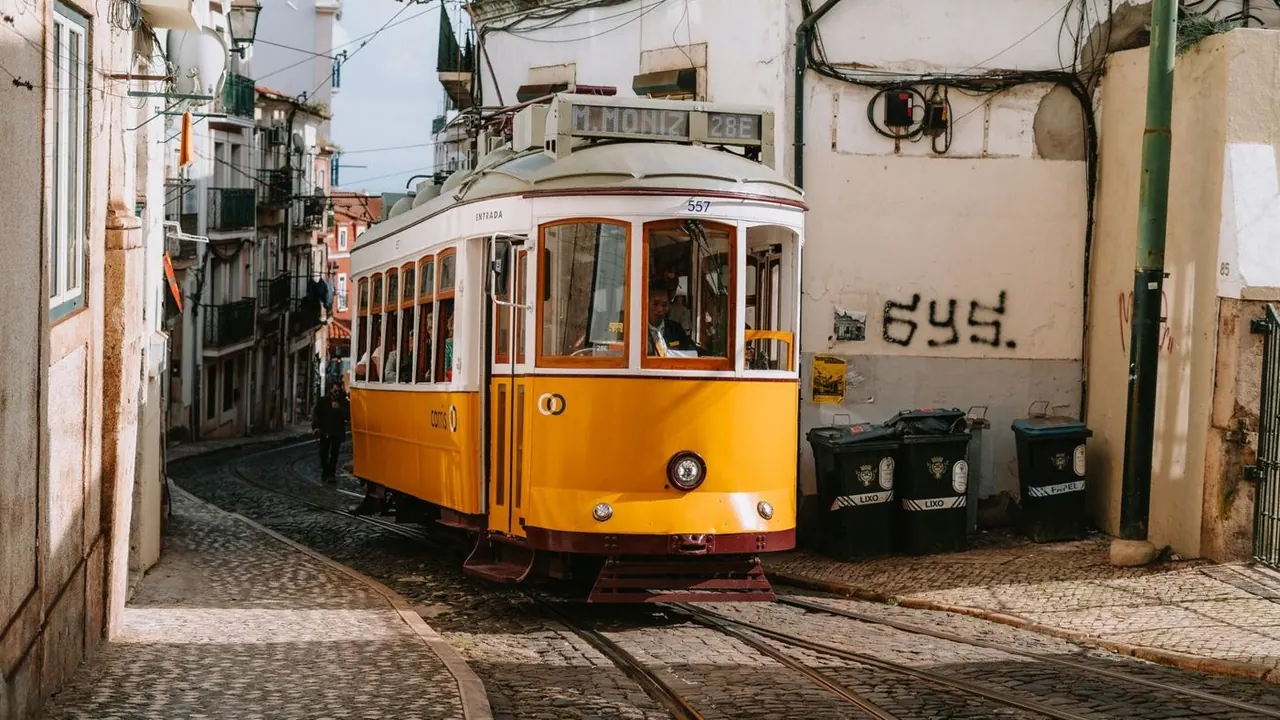
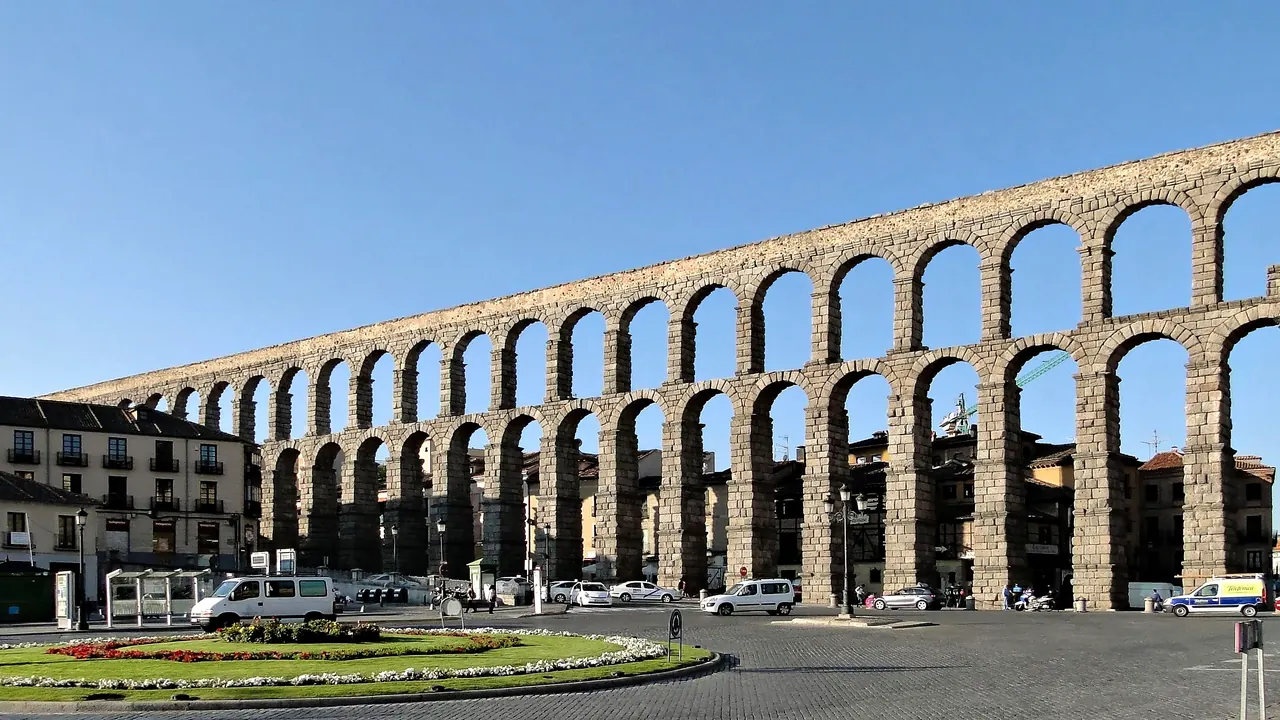
Photos: Lisbon by Riccardo Toso, Pexels License; Segovia by Bernard Gagnon, CC BY-SA 3.0, cropped.
Lisbon or Segovia?
Our verdict in twelve categories, each scored against the same fixed benchmark cities, and the climate month by month, so you can choose for your trip.
Choose Lisbon for
- nightlife
- beaches
- shopping
Lisbon is the better choice for a trip of several days that mixes things up. It gives you sightseeing spread over several quarters, fado and late nights in Bairro Alto, seafood and cheap good wine, and the Atlantic beaches a short train ride away. It suits travellers who want a capital with a lot going on, and who don't mind steep hills and a crowded summer.
Choose Segovia for
- prices
Segovia suits a shorter, slower trip built around one remarkable old town. The Roman aqueduct, the cathedral and the Alcázar sit along a single ridge, a roast suckling pig lunch is the meal people come for, and the Guadarrama mountains are on the doorstep. Pick it for a quiet stop in the heart of Spain, easily joined to Madrid, and don't expect a beach, much nightlife or much shopping.
Scoreboard
Twelve categories on one fixed scale from 0 to 100. The shaded stretch is the gap between the two.
Your match
Pick a travel style or drag the sliders, and both match scores follow your weighting.
Wins on nightlife and beaches with your weighting.
Wins on prices with your weighting.
What matters to you?
Category by category
What the scores mean for a trip.
Beaches & swimming
Lisbon has no beach in the city itself, but the coast is easy to reach. Trains run out to the surf beach at Carcavelos and the calmer bays at Estoril and Cascais, and the long sands of Costa da Caparica are across the river. The Atlantic stays cool, and some beaches suit surfers better than swimmers.
Segovia sits on the high Castilian plateau, a long day's drive from the sea. Swimming there means a hotel pool or a cold river pool in the Guadarrama foothills.
Food & drink
Lisbon is the better place for a varied week of eating. You get grilled fish and bacalhau in family tascas, clams and crab in seafood beer halls, warm custard tarts at every pastelaria, and good regional wine poured cheaply almost everywhere. Its markets, the Mercado da Ribeira and Campo de Ourique, add plenty of choice.
Segovia's cooking centres on a single great meal, cochinillo roasted in a wood-fired oven, followed by milk-fed lamb and La Granja's big white beans. It is worth one long lunch, but past the roasts the menus repeat themselves, and there is little international food.
Culture & sights
Lisbon has more to see, and it is spread across separate districts. The Manueline monastery and tower stand at Belem, the rebuilt neoclassical grid fills the Baixa, and the medieval lanes of Alfama climb below the castle. On top of that come the Gulbenkian and the National Tile Museum, collections Segovia has nothing to match. Plan three or four days.
Segovia packs its sights into one ridge: the mortarless Roman aqueduct, the late Gothic cathedral and the Alcázar on its clifftop. Romanesque churches with arcaded porches and the old Jewish quarter fill the streets in between. It is more concentrated and easier to take in, but it holds less, and a full day covers the essentials.
Nightlife
Lisbon has a real late scene. Bairro Alto's lanes fill with drinkers standing outside small bars, Cais do Sodre carries on later, and the warehouse clubs along the river fill after 2am and keep going until morning. Principe Real is the quieter, cocktail-bar side of the city.
In Segovia, an evening means tapas around Plaza Mayor and a few student bars at weekends. The old town is quiet early on weeknights and in winter, and anyone who wants a night out goes to Madrid.
Nature & outdoors
Both have good landscapes close by, but of different kinds. Lisbon's are coastal: the misty Sintra hills, the cliffs at Cabo da Roca, kitesurfing at Guincho, surfing at Ericeira, and hiking or kayaking along the limestone Arrabida ridges, with dolphin trips from Setubal.
Segovia faces mountains. Within half an hour are the Valsaín pine forests and the passes leading up to Peñalara at 2,428m, with its glacial lakes, and there is snow in winter. That makes it the pick for hill walking, which Lisbon cannot offer.
Day trips
Both make excellent bases. In Lisbon the best outings are easy by train: Sintra's palaces are about forty minutes away and Cascais is at the end of the coastal line. Further out you can reach Evora and the monasteries of Alcobaca, Batalha and Tomar.
Segovia's royal palace at La Granja is twenty minutes away, Madrid is under half an hour by fast train and walled Ávila is about an hour off. Its best rural outings, the villages of Pedraza and Sepúlveda and the Ribera del Duero wine country, are much easier with a car.
Good for families
With children, the big draws are in Lisbon: the Oceanario and its huge central tank, the science centre and riverside cable car beside it, the zoo, and rides on the trams and funiculars. Together they can fill several days. The steep hills and slippery pavements are hard work with a pushchair, though.
Segovia offers a castle on a cliff with a tower to climb and an aqueduct of giant stone arches, which children love, and La Granja's gardens give them space to run. There is no zoo, aquarium or theme park, so a day or two is plenty with young children.
Getting around
Lisbon has the fuller network: a clear metro, historic trams, funiculars, suburban trains and river ferries, all on one card. You still climb a lot between Baixa, Alfama and Bairro Alto, and the crowded trams are slow and attract pickpockets.
Segovia barely needs transport. The sights line one ridge you can walk in a morning, though the cobbles are steep in places. The only drawback is that the high-speed station is a bus ride out of town, and the villages and trailheads really need a car.
Shopping & style
Lisbon gives shoppers far more to do. Hand-painted tiles, cork, Burel wool, linens and tinned sardines make good things to take home. Chiado has old established shops, Principe Real has local designers, and you can browse the Feira da Ladra flea market and the independent shops of the LX Factory.
Shopping in Segovia mostly means souvenirs on Calle Real, with some ceramics, embroidery, boxed ponche and La Granja beans. For anything more, people go to Madrid.
Affordability
Costs come out similar overall, but they fall differently. Lisbon's everyday spending is low: coffee at the counter, set lunches, house wine and transport fares. Central rooms are the expensive part, especially in summer.
Segovia has plenty of modest family-run hotels and is cheap midweek and in winter. Old-town rooms cost more at weekends, when visitors arrive from Madrid, and the famous roast lunch by the aqueduct is a splurge rather than an everyday meal.
Live music & performing arts
Fado is the reason to book an evening in Lisbon, and you can hear it any night in the casas of Alfama and Mouraria, from polished dinner rooms to tiny places where neighbours take turns singing. The Gulbenkian orchestra, opera at Sao Carlos and the programme at the Centro Cultural de Belem round out a modest formal scene.
Segovia's arts come mainly with its festivals: the Titirimundi puppet festival in spring and summer concerts in churches and palace gardens. Outside those dates, Teatro Juan Bravo has the occasional touring show and little else is on.
Wellness & relaxation
Neither city has a bathing tradition, and in both the spa options are mostly in hotels. Lisbon still gives a restful trip more to work with: the wellness floors of the bigger hotels, the shaded Gulbenkian, Estrela and botanical gardens, and quiet bases on the Cascais coast or in the Sintra hills, away from the noisy old quarters.
Segovia is more limited, with only a handful of hotel spas. What it does have is the calm of its old town once the day-trippers leave in the late afternoon, with evening walks along the walls and pine air coming down from the sierra.
When should you go?
Pick your month. The climate figures are measured averages, not a forecast.
Lisbon in July
Segovia in July
Daytime high, °C
Rainfall in the month, mm
Temperature and rainfall are climate normals, averaged over the years shown. Lisbon: 1991-2020 normals, Lisboa / Geof (1.1 km from centre). Segovia: 1991-2020 normals, Segovia (0.3 km from centre).
Lisbon is at its best from May to early October. June to September is warm, dry and very sunny, with highs around 28°C, which is the beach season, although the Atlantic only reaches about 19°C and stays bracing. The rain returns in October and lasts through the winter. Winter days stay mild enough for sightseeing, but expect a fair number of wet ones.
Segovia has a harsher inland climate. January highs sit near 8°C, and in July and August the city reaches about 30°C, which makes the climbs through the old town tiring at midday. From October to April it is drier than Lisbon, so a cold winter visit is more often crisp than wet, but in summer Lisbon is the drier of the two. May, June, September and early October suit walking the town and the sierra trails best. In high summer Lisbon is slightly cooler, and in winter it is far milder.
Which traveller are you?
On a beach and sun trip, Lisbon is the only real option. The train along the river reaches the sand at Carcavelos and Cascais, and Costa da Caparica and the Arrabida coves are close. Segovia is landlocked, with only pools and chilly reservoirs.
On a food and nightlife trip, Lisbon wins clearly. It has seafood beer halls, neighbourhood tascas and cheap Alentejo and Douro wine, then Bairro Alto's street crowds and riverside clubs running until morning. Segovia offers superb roasts and a tapas round, but goes quiet early.
For a short city break, Segovia works neatly. Its aqueduct, cathedral, Alcázar and Romanesque churches line one walkable ridge, so a day or two covers them well, and the high-speed train links it to Madrid in under half an hour. Lisbon needs more days to do it justice.
Before you go
| Measure | Lisbon | Segovia |
|---|---|---|
| Official language | Portuguese | Spanish |
| Currency | Euro (EUR) | Euro (EUR) |
| Sockets | CF230 V, 50 Hz | CF230 V, 50 Hz |
| Driving side | Right | Right |
| Time zone | UTC, UTC+1 in summer | UTC+1, UTC+2 in summer |
| Emergency number | 112 | 112 |
| Elevation | 100 m | 1,002 m |
| Main airport | Lisbon Humberto Delgado Airport (LIS)7 km from centre157 non-stop destinations | Adolfo Suárez Madrid–Barajas Airport (MAD)68 km from centre241 non-stop destinations |
| Public holidays this year | 14 days | 12 days |
By the numbers
| Measure | Lisbon | Segovia |
|---|---|---|
| City population | 545,796 | 52,375 |
| People per km² | 5,453 | 320 |
| Museums within 10 km | 80 | 11 |
| UNESCO World Heritage sites within 50 km | 3 | 2 |
| Swim season, months above 21 °C | None | - |
Where else could you go?
Every comparison below shares a destination with this one, so you can follow Lisbon or Segovia somewhere new.