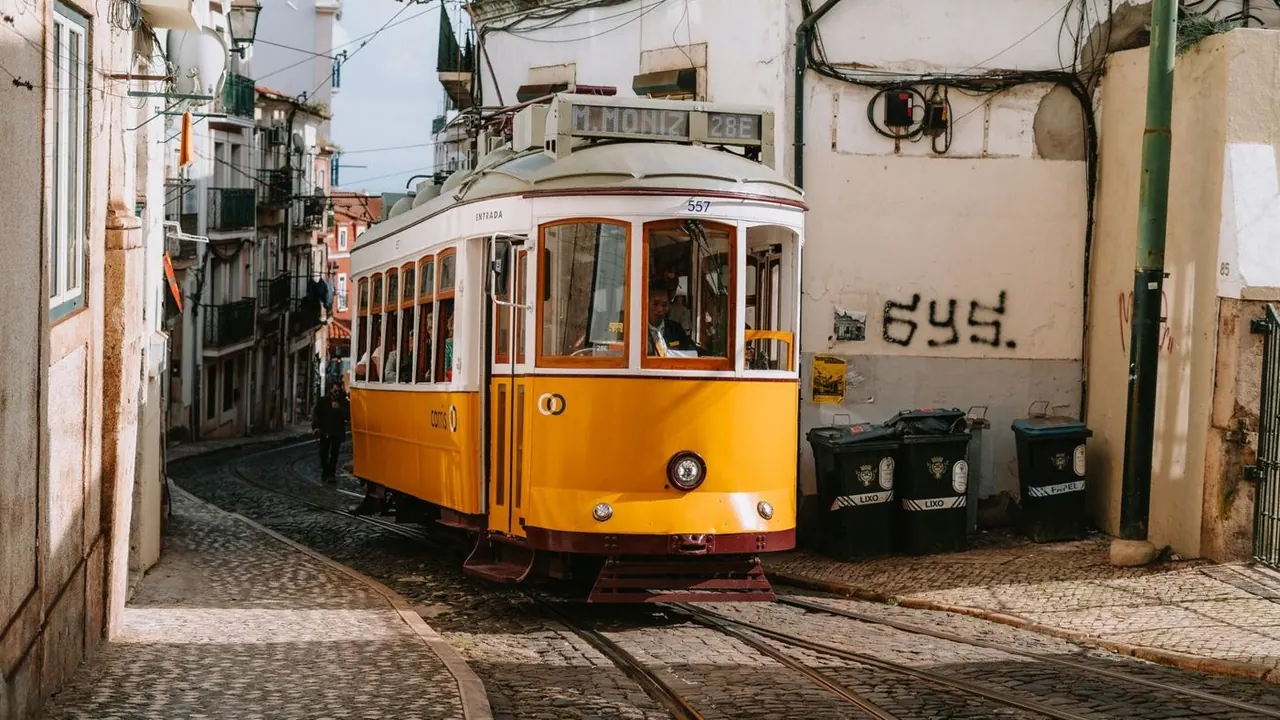
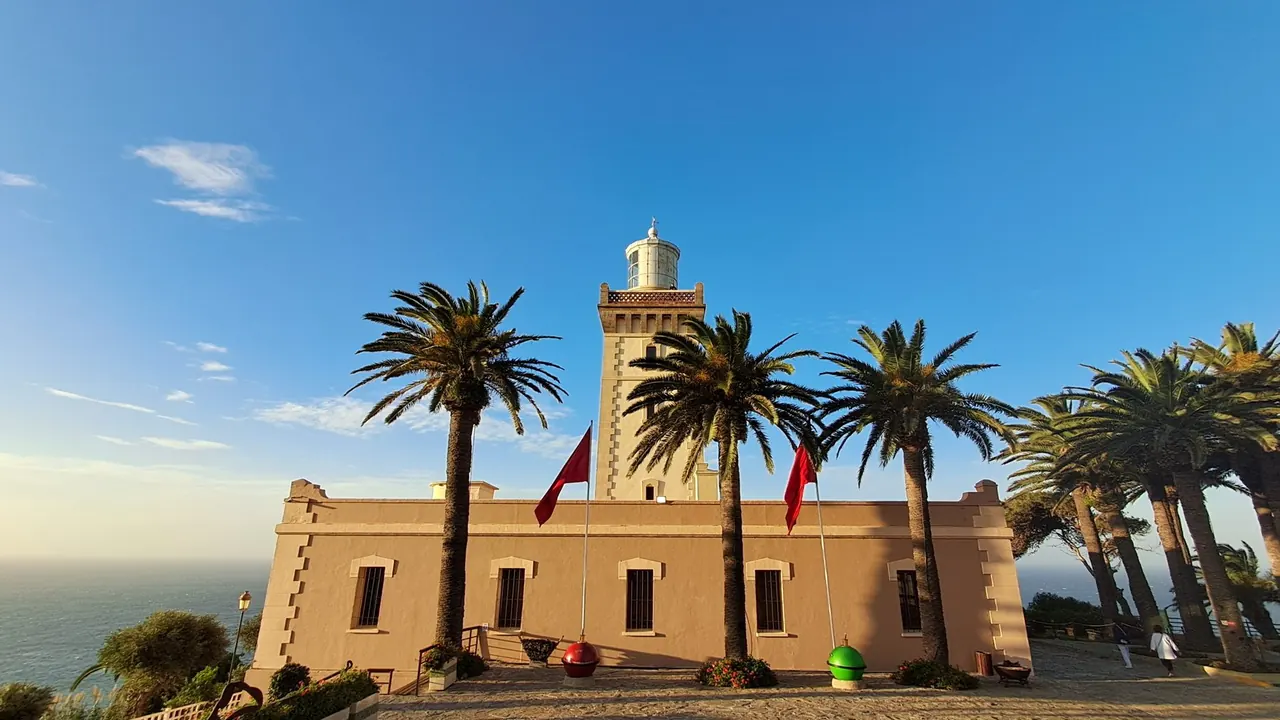
Photos: Lisbon by Riccardo Toso, Pexels License; Tangier by Ideophagous, CC BY-SA 4.0, cropped.
Lisbon or Tangier?
Our verdict in twelve categories, each scored against the same fixed benchmark cities, and the climate month by month, so you can choose for your trip.
Choose Lisbon for
- nightlife
- live music and the arts
- families
Lisbon is the better choice for a rounded city break with plenty in it. It has the major monuments of Belem, a real museum list, cooking and wine worth planning meals around, and late nights in Bairro Alto and along the river. A metro and suburban trains make Sintra, Cascais and the beaches easy, and the Oceanario gives children a proper day out. It suits a first visit to Portugal, couples who like long dinners and late bars, and families who can manage the hills.
Choose Tangier for
- prices
- wellness
Tangier rewards a slower, more atmospheric trip. Here the pleasure is sitting over mint tea above the Strait, getting lost in a whitewashed medina below the kasbah and taking a hammam with black soap and a kessa glove, all for noticeably less money. It also makes a good base for northern Morocco, with Asilah, Tetouan and Chefchaouen within reach and Spain an hour away by ferry. Expect quiet evenings, taxis instead of trams and very little laid on for children.
Scoreboard
Twelve categories on one fixed scale from 0 to 100. The shaded stretch is the gap between the two.
Your match
Pick a travel style or drag the sliders, and both match scores follow your weighting.
Wins on nightlife and live music and the arts with your weighting.
Wins on prices and wellness with your weighting.
What matters to you?
Category by category
What the scores mean for a trip.
Beaches & swimming
Neither city is a beach destination, but their coasts work differently. Lisbon's beaches are a train ride along the river. Carcavelos is a broad surf beach, Estoril and Cascais have calmer bays, and Costa da Caparica across the Tagus is a long strip of sand with beach bars.
Tangier has a city beach right on its bay, but the better swimming is out west at Achakar and Cap Spartel, or near Asilah, and you will need a taxi to get there. The sea is a couple of degrees warmer there. Beach life is mostly Moroccan families in summer, and dress is more modest than on the Lisbon coast.
Food & drink
Lisbon is the stronger city to eat in. The range runs from bacalhau and daily stews in family tascas to clams and prawns in seafood beer halls and warm custard tarts at the pastelaria counter. Good wine from across Portugal comes cheaply by the glass, and the Ribeira and Campo de Ourique markets put produce and places to eat under one roof.
Tangier's cooking is simpler: port-grilled sardines, tagines, bissara at breakfast and harira. Its real pleasure is the café, with long hours over mint tea on terraces facing the Strait. Fine dining is scarce, and wine and beer are limited to a few restaurants and hotels.
Culture & sights
Lisbon has much more to see. Belem holds the Manueline Jeronimos Monastery and the Belem Tower, the Baixa grid shows how the city was rebuilt after 1755, and Alfama climbs to the Sao Jorge Castle. Then there are the Gulbenkian collection, the Tile Museum and the Ancient Art Museum, which together fill three or four days.
Tangier is more about atmosphere than monuments. It has the kasbah palace museum looking across to Spain, the American Legation and its story of the international era, Art Deco streets in the Ville Nouvelle, and the memory of Paul Bowles and the Beats. Two or three days is enough.
Nightlife
This is where the two cities differ most. Lisbon goes out late and on the street. Crowds stand drinking in the lanes of Bairro Alto, the bars of Cais do Sodre stay open later, Principe Real has cocktail bars and the gay scene, and the warehouse clubs by the river fill after 2am.
Tangier's evenings are a walk along the seafront and a terrace table. Drinking is a discreet affair in a few old international-era bars, hotel lounges and summer beach clubs on the bay, and the medina goes quiet after dark.
Nature & outdoors
Lisbon's outdoors is a whole stretch of Atlantic coast. The misty Sintra hills run down to Cabo da Roca and the dunes of Guincho, where kitesurfers gather, and Ericeira, a recognised surf reserve, draws surfers all year. South of the river the Arrabida ridges drop into green water, good for hiking and kayaking, and boats from Setubal go out to the Sado dolphins.
Tangier's outdoors comes down to one headland and a hillside park. There are pine paths and cliffs at Cap Spartel, where the Atlantic meets the Mediterranean, and woodland walks in Perdicaris above the Strait. What sets it apart is the migration of storks and raptors across the Strait in spring and autumn. Real mountain walking in the Rif needs an overnight stay.
Day trips
Both cities make good bases, and Lisbon's outings are easier and more numerous. Sintra's palaces are forty minutes away by train and can fill a whole day. Further out are Evora, walled Obidos, and the UNESCO monasteries at Alcobaca, Batalha and Tomar.
Tangier's list is shorter but more varied. It takes in whitewashed Asilah, Tetouan's Andalusian medina, a long day to blue Chefchaouen, Rabat on the high-speed train, and Tarifa across the Strait, which puts a second continent within a day trip.
Good for families
Lisbon is much easier with children. The Oceanario is one of Europe's large aquariums, with a science centre and cable car beside it, and trams, funiculars and the Santa Justa lift count as rides in their own right. The catch is the hills and slippery pavements, which are hard work with a pushchair.
Tangier welcomes children but has no aquarium, zoo or theme park. Days out mean the promenade, the parks, the caves or the ferry to Spain, and families usually settle into a hotel with a pool.
Getting around
Lisbon has a proper network. There are four metro lines, historic trams and funiculars for the hills, and suburban trains and river ferries, all on one card. The climbs between quarters are steep and the trams are crowded, but you rarely need a car.
Tangier's medina, kasbah and Ville Nouvelle can be covered on foot. Beyond them you depend on blue petit taxis, with no metro or tram, and Cap Spartel and the beaches mean a taxi or a hired driver. The central ferry port and the train line to Rabat are the city's strengths.
Shopping & style
Lisbon has the wider range and the better things to carry home, from azulejo tiles to cork and Burel wool made in Portugal. Each quarter has its own character: the luxury houses line Avenida da Liberdade, Chiado keeps its old glove makers and bookshops, Principe Real has local designers, and the Feira da Ladra turns up old tiles and vinyl.
Tangier's shopping means bargaining in the medina lanes around the Petit Socco for leather slippers, rugs, lanterns and the striped red-and-white cloth of the Rif. The selling can be persistent, and the crafts are fewer and less refined than in Morocco's great souk cities. The Saturday market by the Grand Socco, with farm women down from the hills, is worth a look even if you buy nothing.
Affordability
How much Lisbon costs depends on where you stay and eat. A few streets away from Baixa and Chiado the restaurants charge noticeably less, and the popular rooftop bars are among the dearest places in town. Rooms climb further in summer and around big events. Drinking is the one area where Lisbon is the cheaper city, since good wine is poured by the glass in ordinary places.\n\nTangier stays the cheaper trip, but the gap narrows as you add comforts. A well-known hotel with a sea view, a restaurant that serves alcohol or a seafront place in the summer peak brings prices closer to European levels. Outside summer, the medina guesthouses offer their best value.
Live music & performing arts
Lisbon has fado every night. You can hear it in Alfama, Mouraria and Bairro Alto, in places that range from polished dinner houses to tiny rooms where neighbours sing. For something more formal there are the Gulbenkian orchestra, the Sao Carlos opera house and the Belem cultural centre.
Tangier's music lives more in its past and in its festivals: the Jajouka musicians of the Rif, gnawa and Andalusian music, and a long-running jazz festival. On an ordinary night there is little beyond what hotels stage, and the art-house cinema on the Grand Socco.
Wellness & relaxation
Tangier has the edge, thanks to a bathing culture Lisbon lacks. Neighbourhood hammams offer the full ritual of steam, black soap and scrubbing, and riads and larger hotels run gentler spa versions. Quiet riad rooftops above the medina help you slow down.
Lisbon has no historic baths, and its spas are mostly hotel floors. Rest there means the Estrela or Gulbenkian gardens, a long lunch, or staying out on the Cascais coast or in the Sintra hills, away from the noisy old quarters.
When should you go?
Pick your month. The climate figures are measured averages, not a forecast.
Lisbon in July
Tangier in July
Daytime high, °C
Rainfall in the month, mm
Temperature and rainfall are climate normals, averaged over the years shown. Lisbon: 1991-2020 normals, Lisboa / Geof (1.1 km from centre). Tangier: 1991-2020 normals, Tanger Aerodrome (9.5 km from centre).
The two climates follow almost the same pattern, but Tangier runs a little warmer all year. Both are dry and sunny from June to early September. In August Lisbon reaches about 28°C and Tangier about 30°C, which is still fine for walking but warm on the steep lanes of either city at midday. Beach weather runs from June to September in both. The Atlantic stays cool off Lisbon at around 19°C even in late summer, while Tangier's water reaches about 22°C, which makes a swim more comfortable.
Spring and autumn are the best months for sightseeing in both, with mild days in May and late September. The rain comes back in October. Lisbon gets its wettest weather in November, at about 120mm, and Tangier's heaviest rain carries on into December. Winter days are mild in both cities, though a couple of degrees milder in Tangier, so winter works for a city trip with an umbrella but not for the beach.
Which traveller are you?
On a food and nightlife trip, Lisbon is the clear pick. It has tascas, seafood beer halls and cheap glasses of Alentejo and Douro wine, and then late drinking on the streets of Bairro Alto and riverside clubs that run until morning. Tangier's evenings are mostly café terraces and the seafront.
On a family trip with children, Lisbon works better. It has the Oceanario, the science centre and zoo, tram and funicular rides, and an easy train to calm beaches at Cascais and Estoril. Tangier has pleasant parks and a promenade but almost nothing built for children.
On a trip on a tight budget, Tangier goes further. Grilled fish, tagines, mint tea and petit taxis all cost little, and medina riads are good value. Lisbon's day-to-day spending is modest, but its central rooms cost what they do in other southern European capitals.
Before you go
| Measure | Lisbon | Tangier |
|---|---|---|
| Official language | Portuguese | Arabic, Standard Moroccan Tamazight |
| Currency | Euro (EUR) | Moroccan Dirham (MAD) |
| Sockets | CF230 V, 50 Hz | CE50 Hz |
| Driving side | Right | Right |
| Time zone | UTC, UTC+1 in summer | UTC+1 |
| Emergency number | 112 | Police 19/112, ambulance 15, fire 15 |
| Elevation | 100 m | 56 m |
| Main airport | Lisbon Humberto Delgado Airport (LIS)7 km from centre156 non-stop destinations | Tangier Ibn Battuta Airport (TNG)11 km from centre50 non-stop destinations |
| Public holidays this year | 14 days | 11 days |
By the numbers
| Measure | Lisbon | Tangier |
|---|---|---|
| City population | 545,796 | 1,275,428 |
| People per km² | 5,453 | 6,393 |
| Museums within 10 km | 80 | 6 |
| UNESCO World Heritage sites within 50 km | 3 | 1 |
| Swim season, months above 21 °C | None | 3 months |
Where else could you go?
Every comparison below shares a destination with this one, so you can follow Lisbon or Tangier somewhere new.