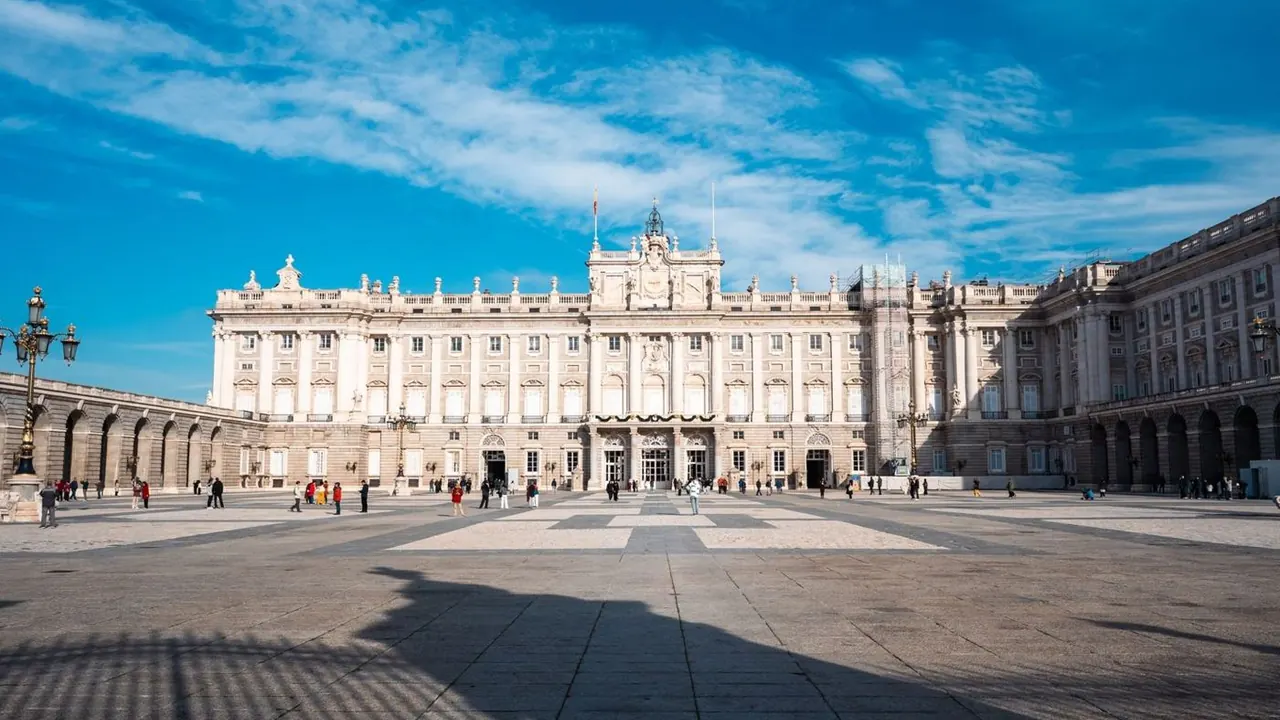
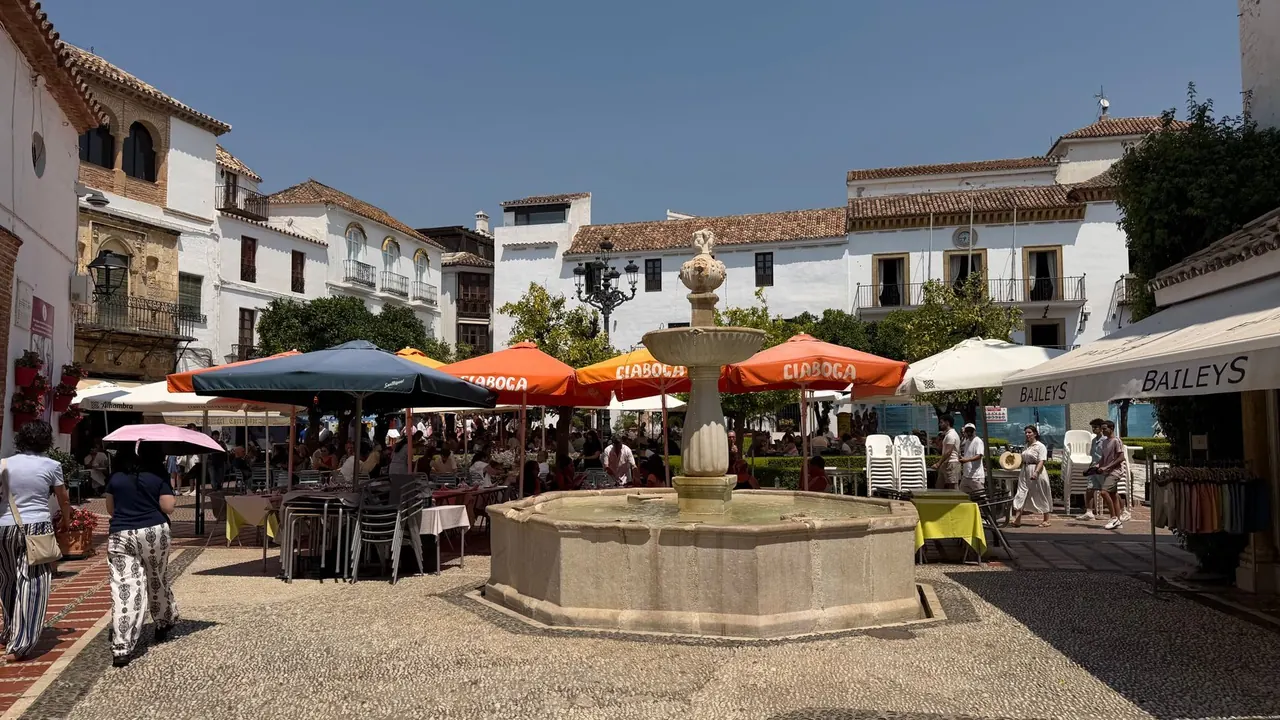
Photos: Madrid by Mert Ocak, Pexels License; Marbella by Décio Franchini, Pexels License.
Madrid or Marbella?
Our verdict in twelve categories, each scored against the same fixed benchmark cities, and the climate month by month, so you can choose for your trip.
Choose Madrid for
- culture and sights
- live music and the arts
- getting around
Madrid suits travellers who want a city to spend their days in. The Prado and its two neighbours, the opera, the flamenco tablaos and a tapas crawl that runs past midnight fill a week easily. Fast trains to Toledo, Segovia and Salamanca add depth without a car, and the metro means you never need one in town. It also costs less to eat and sleep well than on the coast.
Choose Marbella for
- beaches
- wellness
- nature and the outdoors
Marbella is the better choice if the sea is the point. You get a long run of sandy beaches, mountains rising straight behind the town and mild winters that keep the walking and the quiet spa side going outside summer. Expect to spend more and to rely on a car or taxis, and treat culture as an afternoon in the old town or a drive to Ronda or Málaga.
Scoreboard
Twelve categories on one fixed scale from 0 to 100. The shaded stretch is the gap between the two.
Your match
Pick a travel style or drag the sliders, and both match scores follow your weighting.
Wins on culture and sights and live music and the arts with your weighting.
Wins on beaches and wellness with your weighting.
What matters to you?
Category by category
What the scores mean for a trip.
Beaches & swimming
This is the widest gap between the two. Marbella's shore runs for about 27km, from the town beaches of La Venus and El Fuerte to the dunes at Cabopino. The sand is fine and greyish, the water is generally calm, and there are beach clubs and fish grills all along the front.
Madrid has no coast at all. In the heat its residents go to the big open-air pools or drive to the Guadarrama reservoirs. If you are based in Madrid and want the sea, you will need to add separate days on the coast.
Food & drink
Madrid eats better and more widely. There is the standing tapas crawl along Cava Baja and in Lavapiés, Castilian cocido and callos, and seafood and grills from every Spanish region gathered in the capital, plus market halls like San Miguel and San Fernando. Good food is easy to find almost anywhere in the centre.
Marbella has two good ends and a weak middle. At one end are sardine skewers on the beach and old-town tapas, at the other a handful of serious tasting menus around the Golden Mile and Puerto Banús. Close to the port, though, many menus are overpriced, so it pays to walk a few streets inland.
Culture & sights
Madrid is one of Europe's great art cities. Velázquez, Goya and El Greco hang in the Prado, Guernica in the Reina Sofía, and the Royal Palace and Plaza Mayor fill out the grand Habsburg and Bourbon centre. Art lovers can easily spend several days here.
Marbella offers a pretty whitewashed old town around the Plaza de los Naranjos, a museum of Spanish prints, Dalí bronzes on the Avenida del Mar and a Roman villa with mosaics. You can see all of it in an afternoon.
Nightlife
Madrid goes out later and in more ways, all year round. Malasaña has rock and indie bars, Chueca is the centre of the gay scene, there are terraces in La Latina and big clubs around Sol. Weekends run past dawn even in winter.
Marbella's night is glamorous and seasonal. Champagne bars and clubs face the yachts at Puerto Banús, and beach-club parties run along the Golden Mile. The style is polished rather than underground, and from November to March it fades to a quiet drink.
Nature & outdoors
Marbella has the edge because the mountains start almost at the beach. You can climb La Concha above town for views to Morocco, and the fir forests and ibex of Sierra de las Nieves are under an hour away. The sea adds paddleboarding and dolphin-watching, and the mild winters keep walking possible all year.
Madrid's outdoors means a trip of about an hour north to the Sierra de Guadarrama, with the granite boulders of La Pedriza and modest winter skiing at Navacerrada. In town there are the Retiro and the woods of Casa de Campo.
Day trips
Both make good bases, but Madrid's are easier and richer. High-speed trains reach Toledo and Segovia in about half an hour, and walled Ávila, Salamanca and Cuenca are within easy reach. El Escorial and Aranjuez are closer still, all without a car.
From Marbella you can reach Ronda's gorge, Málaga, Gibraltar and the white villages of Casares and Mijas, with Granada possible on a long day. There is no train, though, so a hire car does most of the work.
Good for families
The two are about equal for families, but the trips look very different. Marbella is a beach vacation: sheltered, lifeguarded sand, a flat promenade for scooters, and pool-centred apartments. The water parks and the zoo are along the coast and easier with a car.
Madrid is a city vacation with children. There are rowing boats and puppet shows in the Retiro, the zoo and funfair in Casa de Campo, and a metro with lifts. The adult focus of the big museums and the July heat are the drawbacks.
Getting around
Madrid is far easier. The centre from the Royal Palace to the Prado is flat and walkable, and the large air-conditioned metro runs straight to the airport. The Atocha and Chamartín stations connect to the fast-train network, so you never need a car.
Marbella stretches for kilometres along the motorway from San Pedro to Cabopino. The old town and promenade are pleasant on foot, but beyond them it means slow buses, taxis or a hire car, and there is no train.
Shopping & style
Madrid gives you more range. There are luxury houses on Calle Serrano in the Salamanca district, flagships and department stores around Sol, and independent and vintage shops in Malasaña and Conde Duque. El Rastro flea market fills La Latina on Sunday mornings.
Marbella is narrower and more about labels. Designer boutiques and jewellers line Puerto Banús beside the yachts, and the old town has linen, leather and ceramics. Once you look past the big names, there is little to browse.
Affordability
Madrid is noticeably cheaper. Hotel prices are typical of a capital, but the midday menú del día and tapas with a drink keep food costs modest. The metro is inexpensive, and the big museums have free hours.
Marbella costs more by Spanish standards, especially in July and August around the Golden Mile and the port. Old-town tapas bars, off-season rates or staying in a neighbouring town bring costs down.
Live music & performing arts
Madrid has a full stage calendar all year. There is opera at the Teatro Real, the national orchestra at the Auditorio Nacional, zarzuela, and Gran Vía musicals. The best tablaos present serious flamenco performers rather than a dinner show.
In Marbella, live performance mostly means summer. Big pop and rock acts play an outdoor quarry amphitheatre, and the beach clubs book DJs. The flamenco here is aimed at visitors, so for serious music you would go to Málaga.
Wellness & relaxation
Marbella is built for rest in a way Madrid is not. Spa resorts, yoga retreats and detox clinics are spread along the Golden Mile and the hills behind it, and from October to May the town is calm, with golf, promenade walks and long lunches.
In Madrid, relaxing means an Arab-style bathhouse under brick vaults in the old centre, a hotel spa, or a slow afternoon in the Retiro or the Botanical Garden. The city's late, social rhythm works against it.
When should you go?
Pick your month. The climate figures are measured averages, not a forecast.
Madrid in July
Marbella in July
Daytime high, °C
Rainfall in the month, mm
Where the figures come from
Marbella's temperatures are measured 40 km from the centre, at Malaga / Aeropuerto.
Marbella has no rain gauge within 25 km of the centre, so its rainfall comes from a gridded climate dataset read at the city rather than from a gauge further away.
Temperature and rainfall are climate normals, averaged over the years shown. Madrid: 1991-2020 normals, Madrid (1.7 km from centre). Marbella: 1991-2020 normals, Malaga / Aeropuerto (39.7 km from centre).
Madrid is a spring and autumn city. May, late September and October bring warm, sunny days that suit long walks between museums. July and August are fierce on the plateau, often around 33°C, so sightseeing moves to the mornings and late evenings. Winters are cold and bright, with highs near 10°C, and October brings the heaviest rain of the year, though it is never very wet.
Marbella stays mild all year. Even in January the afternoons reach about 17°C, so winter walking is pleasant, but this is also the rainy season, with December the wettest month at around 115mm. The beach season runs from June to early October. The sea is at its warmest in August at about 22°C, cooler than further east in the Mediterranean. In high summer the two cities are equally hot, but in Marbella you can get into the sea.
Which traveller are you?
For a beach and sun trip, Marbella is the obvious pick. It has more than two dozen beaches, chiringuitos grilling sardines and a sea that stays swimmable into early October. Madrid, on its inland plateau, can only offer municipal pools and reservoirs.
On a culture and arts trip, Madrid wins clearly. The Prado, Reina Sofía and Thyssen sit along a single avenue, the Teatro Real and Auditorio Nacional stage opera and orchestras, and Toledo and Segovia are short train rides away. Marbella's heritage fills an afternoon.
For a relaxing and wellness trip, Marbella is better, especially between October and May. Spa resorts and retreats on the Golden Mile, calm promenade walks and mild sunshine make for an easy rest. Madrid's late, noisy rhythm keeps pulling you out.
Before you go
| Measure | Madrid | Marbella |
|---|---|---|
| Official language | Spanish | Spanish |
| Currency | Euro (EUR) | Euro (EUR) |
| Sockets | CF230 V, 50 Hz | CF230 V, 50 Hz |
| Driving side | Right | Right |
| Time zone | UTC+1, UTC+2 in summer | UTC+1, UTC+2 in summer |
| Emergency number | 112 | 112 |
| Elevation | 663 m | 22 m |
| Main airport | Adolfo Suárez Madrid–Barajas Airport (MAD)14 km from centre239 non-stop destinations | Málaga-Costa del Sol Airport (AGP)39 km from centre166 non-stop destinations |
| Public holidays this year | 12 days | 12 days |
By the numbers
| Measure | Madrid | Marbella |
|---|---|---|
| City population | 3,506,730 | 159,786 |
| People per km² | 5,801 | 1,398 |
| Museums within 10 km | 88 | 6 |
| UNESCO World Heritage sites within 50 km | 4 | 0 |
| Swim season, months above 21 °C | - | 3 months |
Where else could you go?
Every comparison below shares a destination with this one, so you can follow Madrid or Marbella somewhere new.