Photos: Mahe by dronepicr, CC BY 2.0, cropped; Zanzibar by Ákos Helgert, Pexels License.
Mahe or Zanzibar?
Our verdict in twelve categories, each scored against the same fixed benchmark cities, and the climate month by month, so you can choose for your trip.
Choose Mahe for
- nature and the outdoors
- beaches
- wellness
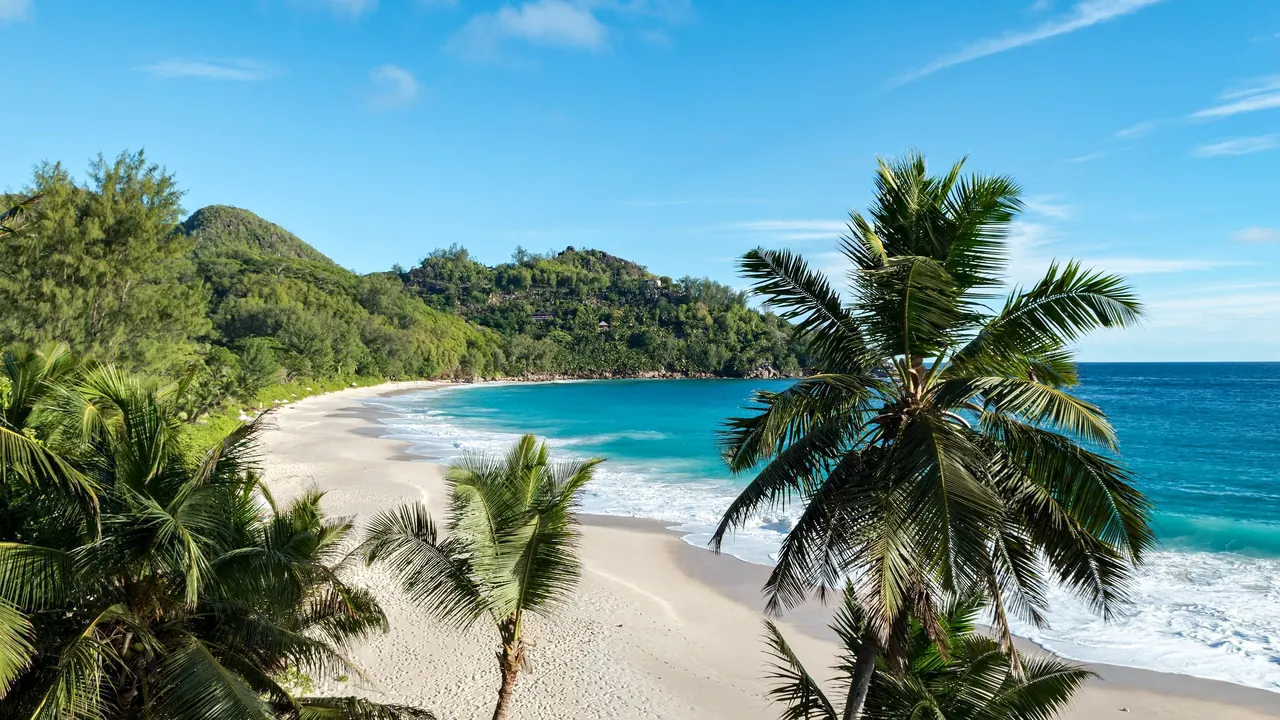
Mahe is for travellers who want the finest beaches with real landscape rising behind them, and who can afford it. Granite-framed coves on every coast, cloud-forest trails in Morne Seychellois and marine parks just offshore fill a week with swimming, snorkelling and short, steep walks. Evenings are quiet, often at a hotel with a bay to itself. Choose it for rest and nature. It has little to offer in history, food or nights out.
Choose Zanzibar for
- prices
- culture and sights
- nightlife
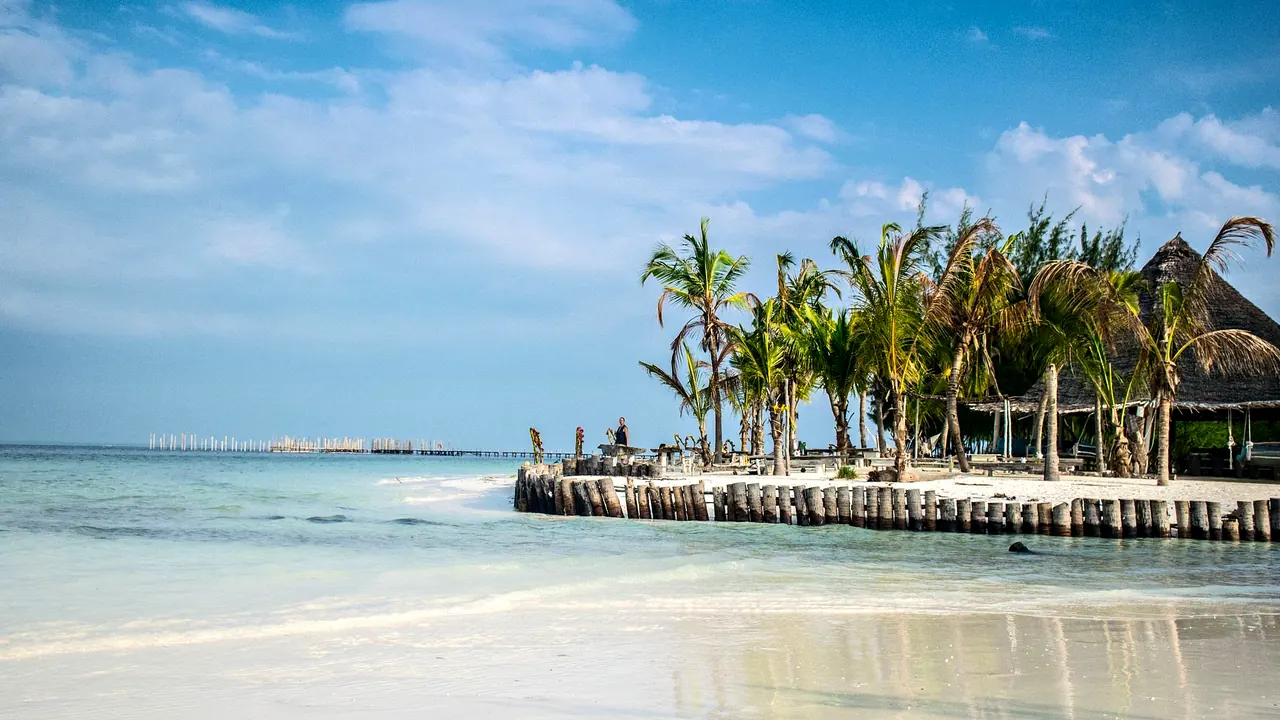
If you want a beach that comes with a story, pick Zanzibar. Stone Town's coral-stone lanes, the Omani sultans' palace and the memorial on the old slave market site give it a depth Mahe can't match. The Forodhani evening market turns dinner into an outing, and the north coast has some life after dark. It is also far easier on the budget. In return you get a flat coral island, and on the east coast your swimming follows the tide.
Scoreboard
Twelve categories on one fixed scale from 0 to 100. The shaded stretch is the gap between the two.
Your match
Pick a travel style or drag the sliders, and both match scores follow your weighting.
Wins on nature and the outdoors and beaches with your weighting.
Wins on prices and culture and sights with your weighting.
What matters to you?
Category by category
What the scores mean for a trip.
Beaches & swimming
Both islands have white sand and warm water, but Mahe edges ahead. It has more than sixty beaches set between smooth granite boulders, and because the trade winds switch sides through the year, one coast or another is always calm. You can move from Beau Vallon's easy family strand to surf at Anse Intendance or snorkelling coves like Anse Royale.
Zanzibar's powdery coral sand is lovely, but the tide matters more. Kendwa and Nungwi in the north stay swimmable at any hour. On the east coast, from Paje down to Jambiani, the sea pulls back hundreds of metres at low tide, so you plan your swims around the tide table.
Food & drink
Zanzibar eats better. Its Swahili cooking carries centuries of Omani, Indian and Persian trade: clove-scented pilau, coconut fish curries, urojo from street stalls, and the Forodhani Gardens market, where an evening of seafood skewers and Zanzibar pizza is a meal and an outing in one. Outside Stone Town the choice narrows, and alcohol is limited to hotels and tourist places.
Mahe's Creole food is good when kept simple: grilled snapper, octopus curry, ladob, and curry-and-rice plates from roadside takeaways. Most restaurants sit in resorts, though, and menus repeat from bay to bay.
Culture & sights
Mahe's history is short and easily covered. Victoria is a capital you can walk across in a morning, with a clock tower, two cathedrals, a Hindu temple and a modest history museum. The rest is spread around the island: a ruined mission school on a mountain road, plantation houses that now hold craft workshops, and an old spice estate. It makes a pleasant break from the beach, but it is not a reason to choose the island.
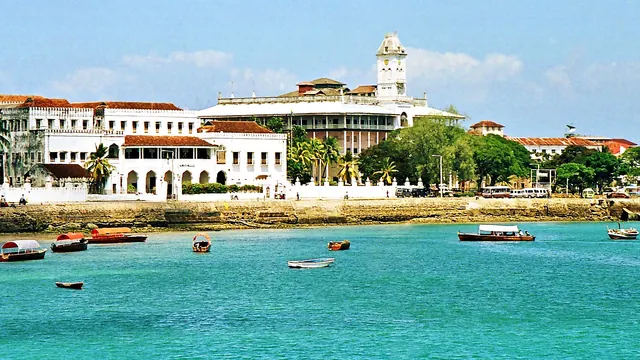
On Zanzibar the history is a whole town you can stay in. Trade with Arabia and India shaped Stone Town's houses, mosques and temples, and you get the most from it by wandering the lanes over several days, noticing doorways and hidden courtyards rather than visiting museum after museum. Outside town, the ruined palaces of the sultans and the Persian baths at Kidichi make a half-day of history that Mahe has nothing to match.
Nightlife
Neither island is a party destination, but Zanzibar has more going on. Nungwi and Kendwa have beach bars, bonfires and a well-known full-moon party. Paje has kitesurfers' bars, and Stone Town has rooftop sundowners over the harbour. It all stays fairly low-key, because drinking is kept within hotels and tourist bars, and during Ramadan it goes quiet.
Mahe's evenings come down to sundowners and a long dinner. Beau Vallon's evening street market with local bands is the liveliest it gets, and on weeknights the island is asleep by eleven.
Nature & outdoors
Mahe has the stronger landscape, because it has mountains. Morne Seychellois National Park climbs above 900m through cinnamon and pitcher plants on trails like Copolia and Trois Frères. Three marine parks, granite dive sites, passing whale sharks and nearby seabird islands complete the picture.
Zanzibar is flat coral, so its outdoors happens at sea level. You can watch red colobus monkeys up close in Jozani Forest, snorkel the clear reef at Mnemba and look for dolphins off Kizimkazi. It does have one thing Mahe can't offer: Paje's shallow lagoon and steady winds make it the better choice for kitesurfing.
Day trips
The two are level here, but the outings differ. From Mahe, day trips mean island-hopping: the fast ferry to Praslin's Vallée de Mai, where the coco de mer grows, and on to La Digue's bicycles and slow village life. The ferries depend on the weather.
Zanzibar's outings stay on or close to the island: tortoises on Changuu, spice farm tours, the old mosque at Kizimkazi, and Stone Town itself if you're based on a beach. Dar es Salaam and Pemba are within reach but work better with a night away.
Good for families
Both work for a beach-and-pool family week, and neither has a zoo, theme park or children's museum. Mahe is the easier choice with young children. It is safe and relaxed, there is no malaria, and Beau Vallon and the sheltered west-coast bays have shallow water in the right season. The catch is steep roads without pavements and strong currents on some beaches.
In Zanzibar, Kendwa's all-tide beach and the monkeys in Jozani are great for children. Against that, you need malaria precautions, medical care is limited and the road transfers are long.
Getting around
Getting around is about equally awkward on both, for different reasons. Mahe is small, but its roads twist over mountain passes with sharp bends and traffic on the left. The buses run through Victoria, so most visitors hire a car or take taxis.
Zanzibar is flatter but more spread out. Nungwi and Paje are each an hour or more from town, dala-dalas are slow, and driving yourself means a local permit and police checkpoints. What Zanzibar has and Mahe lacks is Stone Town, an old town you explore entirely on foot.
Shopping & style
Zanzibar gives you more to browse. Darajani market sells clove, cardamom and vanilla by the bag, and Stone Town's lanes have kanga cloth, carved chests, Tingatinga paintings and tanzanite. Much of it repeats, and you are expected to haggle.
On Mahe, shopping is a quick stop at Victoria's market for vanilla, chilli sauce and tea, plus a few craft and sarong shops. The one distinctive souvenir is a polished coco de mer nut, sold with an export permit.
Affordability
This is one of the clearest gaps between the two. Mahe is expensive almost however you travel, because nearly everything is imported. Even with a Creole guesthouse, market fish and the public bus, a stay costs more than most tropical trips.
Zanzibar lets you choose your spend. Stone Town guesthouses, Forodhani stalls, dala-dalas and simple bungalows at Paje and Jambiani are cheap, while north-coast resorts, diving and taxis cost much more. Prices are highest around Christmas and in July and August.
Live music & performing arts
Zanzibar has a musical tradition of its own that you can actually go and hear. Taarab, with its mix of Swahili poetry and Arabic and Indian melody, is played at Stone Town's music school and in cultural halls, and the dry season brings festivals of East African music and film.
On Mahe, live performance mostly means sega and moutya drumming at hotel shows and weekend beach-bar bands. The exception is the Festival Kreol in late October. Neither island has theatre or a concert season.
Wellness & relaxation
Both islands run at the slow pace of the tide, and neither has a bathing tradition you can still use. Mahe has the slight edge for real seclusion: many hotels stand alone on their own bay, with spa pavilions on the hillside, though treatments are expensive. The south-west and north-west coasts are the quietest.
Zanzibar's calm comes from village life. The days follow the tide and the call to prayer, spas use coconut oil and local spices, and yoga is easy to find around Paje and Jambiani. For quiet, stay on the coast rather than in Stone Town, which gets crowded during the day.
When should you go?
Pick your month. The climate figures are measured averages, not a forecast.
Mahe in July
Zanzibar in July
Daytime high, °C
Rainfall in the month, mm
Where the figures come from
Mahe's station stands 237 m below the place it is measured for, so that place is likely a little cooler than the figures say.
Zanzibar's temperatures are measured 78 km from the centre, at Dar Es Salaam Airport.
Zanzibar has no rain gauge within 25 km of the centre, so its rainfall comes from a gridded climate dataset read at the destination rather than from a gauge further away.
Temperature and rainfall are climate normals, averaged over the years shown. Mahe: 1991-2020 normals, Seychelles International Airport (10 km from centre). Zanzibar: 1991-2020 normals, Dar Es Salaam Airport (77.9 km from centre).
Both islands are hot all year and the sea stays warm enough to swim in every month, so the real difference is rain. Mahe is wettest at the turn of the year, with 442mm in January, and stays fairly wet through to May and again from September. Its driest spell runs from June to August, with July down to 88mm. April and May are the sunniest months, and April and October, between the two wind seasons, bring calm water on most coasts. Daytime highs barely change, so walking is sticky in any month rather than impossible.
Zanzibar has two separate rainy seasons. The long rains peak in April at 363mm and carry on through May, and shorter rains return in November and December. From June to October it is dry and very sunny, and January and February are good too, though at around 33°C they are the hottest months for walking Stone Town's lanes. Both islands are at their driest from June to August, so those months suit either one. Outside them, avoid April and May for Zanzibar and December to February for Mahe.
Which traveller are you?
On a culture and arts trip, Zanzibar is the obvious choice. Stone Town's UNESCO-listed old town, the Palace Museum, the slave market memorial and live taarab give you days of material. Mahe's heritage takes two or three short outings.
For a trip on a tight budget, go to Zanzibar. Stone Town guesthouses, Forodhani street food, dala-dalas and simple bungalows around Paje keep costs modest. On Mahe, even guesthouses, roadside curries and public buses still add up to an expensive stay.
On an outdoors trip, Mahe has more to give. Its granite peaks climb through cloud forest to wide reef views, three marine parks lie close to shore, and whale sharks sometimes pass in late season. Zanzibar's outdoors is flat: forest monkeys, reef trips and kitesurfing.
Before you go
| Measure | Mahe | Zanzibar |
|---|---|---|
| Official language | French, English, Seychellois Creole | English, Swahili |
| Currency | Seychelles Rupee (SCR) | Tanzanian Shilling (TZS) |
| Sockets | G240 V, 50 Hz | G230 V, 50 Hz |
| Driving side | Left | Left |
| Time zone | UTC+4 | UTC+3 |
| Emergency number | 112 or 999 | Police 112, ambulance 115, fire 114 |
| Main airport | Seychelles International Airport (SEZ)19 non-stop destinations | Abeid Amani Karume International Airport (ZNZ)40 non-stop destinations |
| Public holidays this year | 13 days | 13 days |
By the numbers
| Measure | Mahe | Zanzibar |
|---|---|---|
| Population | 77,000 | 896,721 |
| People per km² | 490 | 569 |
| Swim season, months above 21 °C | 12 months | 12 months |
Where else could you go?
Every comparison below shares a destination with this one, so you can follow Mahe or Zanzibar somewhere new.
- Praslinvs Mahe
- La Diguevs Mahe
- Serengetivs Zanzibar
- Praslinvs Zanzibar
- Réunionvs Zanzibar
- Balivs Zanzibar