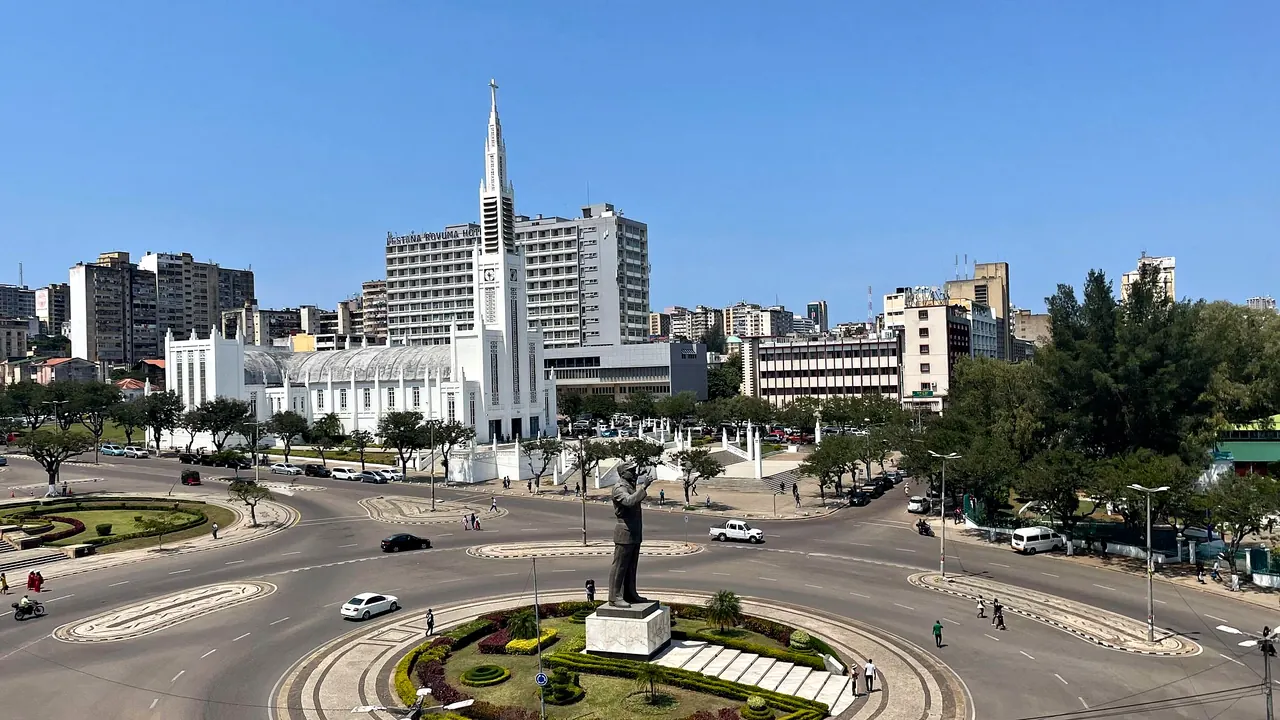
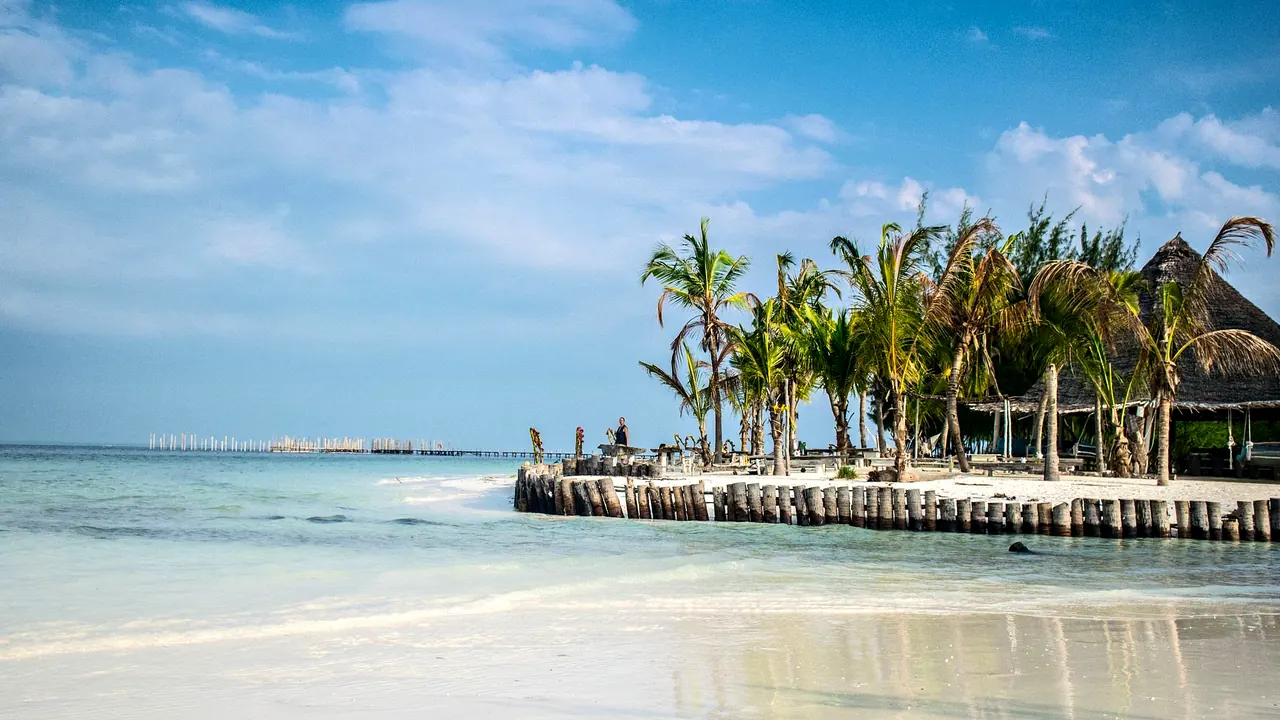
Photos: Maputo by Salazar Sérgio, CC BY-SA 4.0, cropped; Zanzibar by Ákos Helgert, Pexels License.
Maputo or Zanzibar?
Our verdict in twelve categories, each scored against the same fixed benchmark cities, and the climate month by month, so you can choose for your trip.
Choose Maputo for
- nightlife
- live music and the arts
- shopping
Maputo suits a traveller who wants an African capital rather than a resort: jacaranda-lined avenues of colonial and modernist buildings, prawns picked at the fish market and grilled next door, and weekend nights of marrabenta and kizomba that run until dawn. It works best as a short city stop before the southern coast or a safari, and it asks you to give up easy swimming, rest and simple walking about after dark.
Choose Zanzibar for
- beaches
- wellness
- families
For warm sea, white sand and slow days, Zanzibar is the stronger pick by a wide margin. The north coast at Nungwi and Kendwa gives swimming at every tide, the beach villages are genuinely restful, and Stone Town adds more history than anything in Maputo. Families will find it far easier going, though evenings are quiet and drinking is limited to hotels and tourist bars.
Scoreboard
Twelve categories on one fixed scale from 0 to 100. The shaded stretch is the gap between the two.
Your match
Pick a travel style or drag the sliders, and both match scores follow your weighting.
Wins on nightlife and live music and the arts with your weighting.
Wins on beaches and wellness with your weighting.
What matters to you?
Category by category
What the scores mean for a trip.
Beaches & swimming
This is the widest gap between the two. Maputo sits on a shallow bay, and the shore at Costa do Sol is for strolling and grilled fish rather than swimming. The water is often cloudy, and at low tide it pulls back over mudflats. Good beaches mean a boat to Inhaca, the surf at Macaneta or a night away at Ponta do Ouro.
On Zanzibar the beach is the whole point. The north coast at Kendwa and Nungwi has coral sand, clear water at every tide and sunsets over the sea. The east coast around Paje is lovely but strongly tidal, so even the island's weaker stretch outclasses Maputo's city shore.
Food & drink
They are evenly matched, and both are built on seafood, but the flavours differ. Maputo cooks with Portuguese garlic, wine and peri-peri, adds pastelarias and fresh rolls, and has the fish market, where you choose your crab or prawns and have them grilled next door, with cold lager at the esplanadas to follow.
Zanzibar's cooking is spiced Swahili food, with clove and cardamom pilau, coconut fish curry, octopus and urojo, and the Forodhani night market makes an easy first evening in Stone Town. Alcohol is mostly limited to hotels and tourist places, and away from Stone Town the menus quickly turn to resort buffets.
Culture & sights
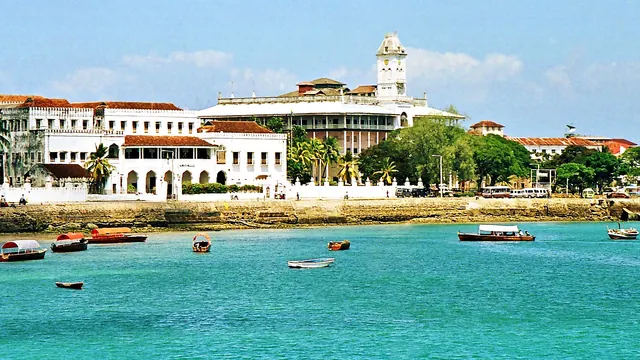
Zanzibar has more to see. Stone Town's UNESCO-listed lanes of coral-stone houses and carved doors, the Palace Museum of the Omani sultans and the cathedral built on the site of the last open slave market in East Africa carry real historical weight. Omani palace ruins and the Persian baths at Kidichi lie just outside town.
Maputo's appeal is architectural rather than historic: the domed railway station, the Iron House, the white modernist cathedral and Pancho Guedes's sculptural buildings in the upper city. Its museums are tired, though the National Art Museum's Malangatana works are worth seeing, and two or three days covers it all.
Nightlife
Maputo is the place for a proper night out. Evenings start at the esplanadas and lounge bars of Polana and Sommerschield and end in clubs playing marrabenta, kizomba and amapiano until dawn, while the bars along the Marginal fill up on warm weekends. Venues are spread out, so you take taxis between them.
Zanzibar's nights are gentler and centred on the beach: bonfires and beach bars at Nungwi and Kendwa, the full-moon party, kitesurfers' bars in Paje and rooftop sundowners in Stone Town. There are hardly any clubs, most places close by midnight, and Ramadan quietens the island further.
Nature & outdoors
They are roughly level on the outdoors, but Maputo's nature lies on land and takes a journey to reach. Maputo National Park has elephants and hippos among its coastal lakes, humpback whales pass from June to November, and Kruger is near enough for a safari with a night or two away.
Zanzibar's nature is at sea and close by. You can snorkel with turtles on the Mnemba reef, watch red colobus monkeys in Jozani Forest, kitesurf on the Paje lagoon and sail a dhow at sunset. It has no big game, but you don't need a 4x4 or a long day to reach any of it.
Day trips
Neither is a great base for day trips, but Zanzibar gives you more easy outings. From Stone Town there are the giant tortoises on Changuu, sandbank swims and spice farm tours ending in a village lunch, and Kizimkazi's old mosque is in the south. From the beach towns, Stone Town itself makes the obvious day out.
Maputo's list is shorter. Inhaca by boat, seafood across the bay at Catembe, the fort site at Marracuene and the waterfall at Namaacha just about cover it, and anything more ambitious, from Eswatini to the southern coast, needs a night away.
Good for families
Zanzibar is much easier with children. North coast resorts have pools and calm water at Kendwa, and the tortoises, monkeys and snorkelling with turtles make good outings. Malaria precautions and limited medical care still apply, as they do in Maputo.
In Maputo, children have almost nothing made for them, the pavements are broken, the traffic is heavy, and walking after dark is not advised, so every outing goes by taxi. Families usually pass through quickly on their way to the coast or a safari lodge.
Getting around
Maputo is spread out, and after dark you need a car for even short hops. Its grid of long avenues climbs a steep slope from the Baixa to Polana and Sommerschield, the pavements are broken and the crowded chapas are hard to work out without help. Most visitors use ride-hailing or tuk-tuks, and keep an eye out for pickpockets in the Baixa.
On Zanzibar the problem is the hour or more of road between places that are easy on foot. Stone Town's maze of alleys is best walked, and you can stroll the beach villages along the sand. Getting to Nungwi or Paje means a taxi or a hotel transfer, though, and driving yourself takes a local permit and patience at police checkpoints.
Shopping & style
Maputo's best buys are art and cloth. You'll find Makonde ebony carvings at the craft market, paintings in the city's studios, and capulana prints that a tailor will turn into clothes within a day or two. The tiled Mercado Central adds cashews and piri-piri, and a few malls carry South African chains.
Zanzibar's stalls lean towards spice and souvenirs. Darajani market sells clove, vanilla and cardamom by the bag, and the Stone Town lanes have Tingatinga paintings, kanga cloth, carved chests and tanzanite. Much of it repeats from stall to stall, you're expected to haggle, and the beach villages offer little beyond Maasai beadwork.
Affordability
Zanzibar is a little easier on the budget, mainly because it has a genuinely cheap way to stay. Stone Town guesthouses, the Forodhani stalls and simple bungalows around Paje and Jambiani keep costs down, although the northern resorts, diving and boat trips quickly add up.
In Maputo, local food, beer and the fish market are cheap, but comfortable hotels and restaurants for foreigners are priced for diplomats and industry staff. Since you will be taking taxis everywhere, a comfortable stay costs about what it would in a mid-range Western European city.
Live music & performing arts
Maputo has the more active live music scene. Marrabenta and timbila play alongside jazz in bars with house bands, the Franco-Mozambican Cultural Centre runs a steady programme of concerts, dance and film, and the Teatro Avenida is home to the country's best-known theatre company.
Zanzibar's distinctive sound is taarab, which you can hear at rehearsals at Stone Town's music school and in cultural halls, and the old town hosts East African music and film festivals in the dry season. Away from Stone Town, live music is mostly hotel shows and beach bands.
Wellness & relaxation
Zanzibar is far better for rest. Days in the beach villages are set by the tide, coastal resorts offer massages with coconut oil and local spices, and yoga is easy to find around Paje and Jambiani.
Maputo has only hotel spas and a few massage studios, and the traffic and need for care in the street keep you on edge. The calmest moments are a coffee in leafy Polana or a sundowner over the bay, and people who want real rest go on to Inhaca or the southern coast.
When should you go?
Pick your month. The climate figures are measured averages, not a forecast.
Maputo in July
Zanzibar in July
Daytime high, °C
Rainfall in the month, mm
Where the figures come from
Zanzibar's temperatures are measured 78 km from the centre, at Dar Es Salaam Airport.
Zanzibar has no rain gauge within 25 km of the centre, so its rainfall comes from a gridded climate dataset read at the destination rather than from a gauge further away.
Temperature and rainfall are climate normals, averaged over the years shown. Maputo: 1991-2020 (sunshine 1981-2010) normals, Maputo / Mavalane (5.8 km from centre). Zanzibar: 1991-2020 normals, Dar Es Salaam Airport (77.9 km from centre).
Maputo is at its most comfortable from May to September, the dry southern winter, when highs sit in the high twenties and rain almost stops, which makes it the time for walking the avenues. The catch is the bay, which cools to about 22°C by midwinter. Summer from December to March brings the warmest sea but also heavy, humid heat and the wettest months, with around 154mm in January.
Zanzibar stays hot all year, and around the main beach areas the sea never drops below about 26°C. Its weather turns on two rainy seasons: the long rains of April and May, with some 363mm in April and the fewest sunny hours, and a shorter wet spell in November and December. June to October is dry and sunny, and January and February are good too. Both destinations work well from June to September, but only Zanzibar has truly warm swimming water then.
Which traveller are you?
On a beach and sun trip, Zanzibar wins easily. Kendwa and Nungwi offer powder-white sand and water deep enough to swim at any tide, while Maputo's city shore is muddy at low tide and its better beaches mean a boat or a long drive.
For a food and nightlife trip, Maputo is the better choice. Its upper-city clubs play kizomba, Afro-house and amapiano until dawn, the Marginal stays loud on warm weekends, and the fish market turns prawns and crab into a long evening. Zanzibar mostly goes quiet by midnight.
For a relaxing and wellness trip, choose Zanzibar. Days in its beach villages follow the tide, coconut-oil massages and yoga are easy to find around Paje and Jambiani, and nothing presses on you. Maputo's traffic, noise and street caution make it a poor place to unwind.
Before you go
| Measure | Maputo | Zanzibar |
|---|---|---|
| Official language | Portuguese | English, Swahili |
| Currency | Mozambique Metical (MZN) | Tanzanian Shilling (TZS) |
| Sockets | CFM220 V, 50 Hz | G230 V, 50 Hz |
| Driving side | Left | Left |
| Time zone | UTC+2 | UTC+3 |
| Emergency number | Police 119, ambulance 198, fire 117 | Police 112, ambulance 115, fire 114 |
| Elevation | 31 m | - |
| Main airport | Maputo Airport (MPM)5 km from centre18 non-stop destinations | Abeid Amani Karume International Airport (ZNZ)40 non-stop destinations |
| Public holidays this year | 9 days | 13 days |
By the numbers
| Measure | Maputo | Zanzibar |
|---|---|---|
| Population | 1,133,200 | 896,721 |
| People per km² | 3,268 | 569 |
| Museums within 10 km | 3 | - |
| UNESCO World Heritage sites within 50 km | 0 | - |
| Swim season, months above 21 °C | 12 months | 12 months |
Where else could you go?
Every comparison below shares a destination with this one, so you can follow Maputo or Zanzibar somewhere new.
- Dar es Salaamvs Zanzibar
- Krugervs Maputo
- Mbabanevs Maputo
- Dianivs Zanzibar
- Mombasavs Zanzibar
- Johannesburgvs Maputo