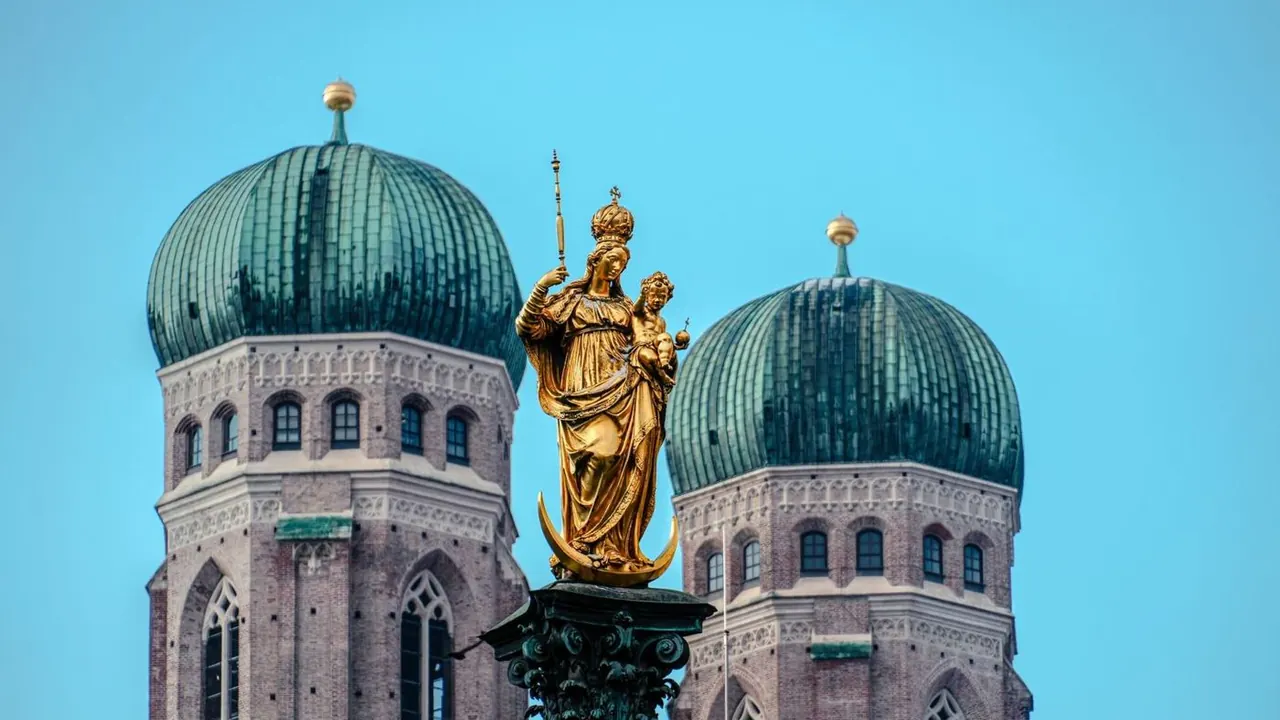
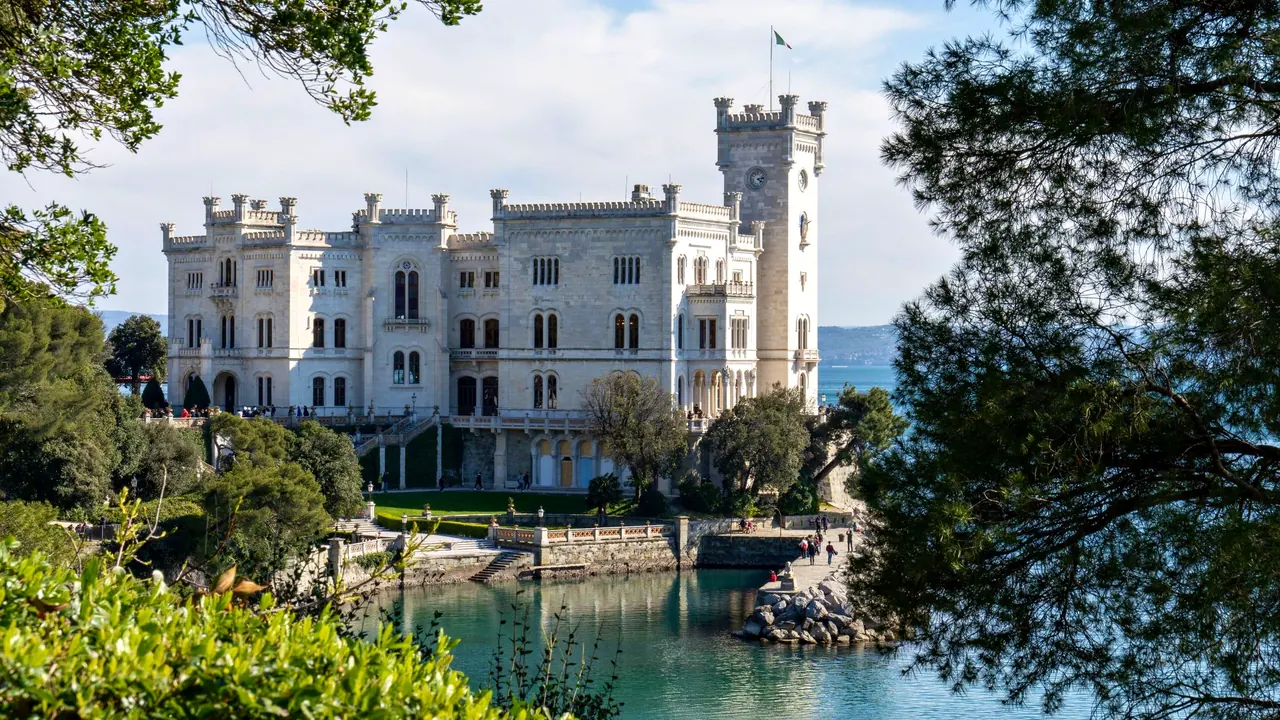
Photos: Munich by 0xd1ma, Pexels License; Trieste by Tibor Szabo, Pexels License.
Munich or Trieste?
Our verdict in twelve categories, each scored against the same fixed benchmark cities, and the climate month by month, so you can choose for your trip.
Choose Munich for
- shopping
- live music and the arts
- nightlife
Munich suits travellers who want a big, smooth-running city with a lot to fill each day. It has royal picture galleries and palaces, one of the world's great opera houses, beer gardens, serious shopping, and the Alps close enough for hiking or skiing. Families do well here too, as do visitors who want to see Salzburg or the Bavarian castles without hiring a car. You pay for all this, especially for a room.
Choose Trieste for
- beaches
- prices
- food and drink
Trieste is for travellers who would rather slow down by the sea than keep to a full schedule. It is a former Habsburg port where swimming off the Barcola promenade, coffee in old coffee houses and evening spritz on Piazza Unità make up the day, with the Karst and Slovenia right behind it. It costs less and is much quieter after dark, and children will find less aimed at them.
Scoreboard
Twelve categories on one fixed scale from 0 to 100. The shaded stretch is the gap between the two.
Your match
Pick a travel style or drag the sliders, and both match scores follow your weighting.
Wins on shopping and live music and the arts with your weighting.
Wins on beaches and prices with your weighting.
What matters to you?
Category by category
What the scores mean for a trip.
Beaches & swimming
Trieste wins easily, because the sea is part of daily life there. Locals lay towels on the stepped concrete platforms and pine-shaded lawns at Barcola and climb down ladders into clear Adriatic water. For prettier swimming there are the pebble coves at Sistiana and Duino and the bay at Grignano. Bring water shoes rather than a bucket and spade, as there is almost no sand.
Munich's version is a day out rather than a way of life. People sunbathe on the Isar's gravel banks at the Flaucher, or take the S-Bahn to the Starnberger See and the Ammersee for jetties and lawns. The water there is alpine-fed and noticeably fresher than Trieste's sea.
Food & drink
The two eat surprisingly alike, both leaning on meat. Munich's beer halls serve roast pork, Schweinshaxe and white sausage, and Trieste's old buffet counters carve boiled pork and sausages to eat with horseradish and sauerkraut. The real difference is what you drink. Munich revolves around Helles under the chestnut trees of its beer gardens, where you may bring your own picnic, and it has a fuller tier of starred restaurants for a special night out.
Trieste revolves around coffee, with its own way of ordering it, and around Karst wines like Vitovska and Terrano. You drink these at the osmize, farmhouses on the plateau that open for a few weeks at a time. It also adds Adriatic sardoni to the menu, which Munich cannot match.
Culture & sights
Munich has the deeper store of sights, mainly because of its royal collections. The Kunstareal alone, with the Alte Pinakothek's old masters and the Lenbachhaus's Blue Rider painters, could fill several days. On top of that come the Residenz, Nymphenburg and the vast Deutsches Museum.
Trieste is more about townscape than museums. Its highlights are Piazza Unità opening onto the sea, the Canal Grande through the Borgo Teresiano, the cathedral mosaics and Roman theatre on San Giusto, and white Miramare on the coast. Both cities have a sobering memorial nearby, Dachau outside Munich and the Risiera di San Sabba in Trieste.
Nightlife
Munich gives you more choice after dark. Evenings can stay in a beer hall, or move on to the cocktail and gay bars of Glockenbach and Gärtnerplatz, and a few techno clubs run until morning at weekends. During the Oktoberfest, the whole city goes out.
Trieste's evenings are built around the aperitivo: spritz or local white wine around Piazza Unità and in Cavana, and summer nights at the Barcola kiosks. There are few clubs, and on winter weeknights the streets are quiet well before midnight.
Nature & outdoors
Munich comes out ahead because of the Alps. The Zugspitze, the Wetterstein and Tegernsee are about an hour or so away by train for proper hiking and winter skiing. In town, the English Garden has surfers riding the Eisbach wave.
Trieste's outdoors is closer to home and quite different. The limestone Karst rises straight behind the city, with the Strada Napoleonica along its edge, climbing in Val Rosandra and the enormous Grotta Gigante. On the water, the gulf has serious sailing and the Miramare marine reserve is good for snorkelling, which landlocked Munich cannot offer.
Day trips
Both make excellent bases, and Munich has a slight edge because so much is quick by train. Augsburg, Nuremberg, Regensburg and Salzburg are easy rail trips, and Neuschwanstein and Herrenchiemsee are the classic castle excursions.
Trieste's appeal is the mix of three countries. Aquileia's mosaics, star-shaped Palmanova and the Collio wine villages are in Italy, Piran, Ljubljana and Postojna are in Slovenia, and Venice is a long but realistic day. The Croatian side of Istria and the wine country are easier with a car.
Good for families
Munich is the easier city with children, and it has places made for them. Families can visit the Hellabrunn zoo along the Isar meadows, the hands-on Deutsches Museum and the Sea Life aquarium, and Legoland is within driving range. Beer gardens with playgrounds let parents relax too.
Trieste is safe and calm but offers less for younger children. The Grotta Gigante, the Miramare gardens and a small aquarium make good outings, but the steep stepped streets and swimming from rocks will try anyone with toddlers.
Getting around
Munich's integrated U-Bahn, S-Bahn, tram and bus network reaches everything from Nymphenburg to the lakes, and the flat city is good for cycling. The main annoyance is delays on the central S-Bahn line.
Trieste has no metro, but its centre is flat and compact along the waterfront, and buses run out to Barcola, Miramare and the Karst. Boats crossing to Muggia make a pleasant change from the bus. The effort here is vertical, as the long flights of steps up to San Giusto will show.
Shopping & style
Munich is far better for shopping. It has luxury houses on Maximilianstrasse, department stores along the Kaufingerstrasse axis, independent boutiques in Glockenbach and Schwabing, and Tracht tailors for a dirndl or lederhosen. In December, the Christmas markets fill the old town with craft stalls.
Trieste has ordinary Italian clothing shops around Corso Italia and some good antique browsing in the old town lanes. The best things to bring home are edible: roasted coffee, Karst wine and honey, and presnitz.
Affordability
Trieste is the gentler city on the wallet. Coffee at the bar, a buffet plate of boiled meats and the city buses all cost little, and swimming at Barcola and walking on the Karst are free. Rooms only get tight around the Barcolana regatta and in high summer.
Munich is Germany's most expensive city, and you feel it most in hotel rooms, especially during the Oktoberfest and the trade fairs. Beer-hall meals, picnics in beer gardens, free parks and token-fee museum Sundays soften the bill without changing the overall picture.
Live music & performing arts
Both have a real feel for opera, and oddly both keep operetta alive: Munich at the Gärtnerplatztheater, Trieste as a Habsburg legacy rare in Italy. Munich operates on a far bigger scale, with the Bavarian State Opera in the National Theatre, three orchestras of real standing and the rococo Cuvilliés Theatre for chamber opera, plus jazz clubs and big concerts at the Olympic Park.
Trieste's Teatro Verdi runs a proper opera and ballet season, and in summer there are concerts in the castle courtyard on San Giusto. Beyond that, the live music circuit runs thin within a few nights.
Wellness & relaxation
Munich has the bathing tradition. The Art Nouveau Müller'sches Volksbad has vaulted pools and a Roman-style steam bath, the public saunas follow German textile-free custom, and the large thermal complex at Erding is a short trip out, with Bad Tölz further towards the mountains.
Trieste has only hotel and day spas, and for proper thermal baths you have to leave the city. Its calm comes instead from the pace of the place: a newspaper in an old coffee house, or a sunset walk out along the Molo Audace.
When should you go?
Pick your month. The climate figures are measured averages, not a forecast.
Munich in July
Trieste in July
Daytime high, °C
Rainfall in the month, mm
Temperature and rainfall are climate normals, averaged over the years shown. Munich: 1991-2020 normals, München (1.9 km from centre). Trieste: 1991-2020 normals, Trieste (1.6 km from centre).
Both cities are at their best from late spring to early autumn, but their years take different shapes. Munich's summer is mild, with highs around 25°C in July and August, which is comfortable for walking the streets. It is also the wettest part of the year, at about 120mm a month from May to August, so expect thundery afternoons. September is drier and still mild, a good month for both the city and the mountains. Winter is cold and grey in town, though that is when the Alps have snow.
Trieste is warmer and, for most of the year, sunnier. July and August reach 29°C, which makes the climb to San Giusto hot work, and the sea warms to about 25°C, so swimming is easy from June to September. Its rain comes in autumn. September is already wet, and October and November are wetter still, peaking at around 125mm, with the Bora blowing in winter. That makes April to early June the best time for walking. Winters are milder than Munich's but windy.
Which traveller are you?
For a beach and sun trip, Trieste is the clear choice. It is sunnier and warmer, and from June to September you can swim in the Adriatic every day at Barcola or in the coves near Duino. Munich's lakes are lovely but alpine-cold and an hour away.
On a family trip with children, Munich makes things easier. It has a big riverside zoo, the Deutsches Museum's children's area, playgrounds in beer gardens and transport that takes pushchairs. Trieste's steep stepped streets and rocky swimming spots suit older children better than toddlers.
On a tight budget, Trieste goes further. Buffet lunches, coffee at the bar and cheap buses keep daily costs down, and the waterfront and the Karst walks are free. Munich's hotels are dear all year, and beer garden picnics only partly make up for it.
Before you go
| Measure | Munich | Trieste |
|---|---|---|
| Official language | German | Italian |
| Currency | Euro (EUR) | Euro (EUR) |
| Sockets | CF230 V, 50 Hz | CFL230 V, 50 Hz |
| Driving side | Right | Right |
| Time zone | UTC+1, UTC+2 in summer | UTC+1, UTC+2 in summer |
| Emergency number | 112 | 112 |
| Elevation | 519 m | 2 m |
| Main airport | Munich Airport (MUC)29 km from centre210 non-stop destinations | Trieste Airport (TRS)31 km from centre32 non-stop destinations |
| Public holidays this year | 12 days | 13 days |
By the numbers
| Measure | Munich | Trieste |
|---|---|---|
| City population | 1,505,036 | 198,417 |
| People per km² | 4,844 | 2,332 |
| Museums within 10 km | 75 | 33 |
| UNESCO World Heritage sites within 50 km | 1 | 5 |
| Swim season, months above 21 °C | - | 4 months |
Where else could you go?
Every comparison below shares a destination with this one, so you can follow Munich or Trieste somewhere new.
- Rovinjvs Trieste
- Ljubljanavs Trieste
- Bledvs Trieste
- Innsbruckvs Munich
- Venicevs Trieste
- Salzburgvs Munich