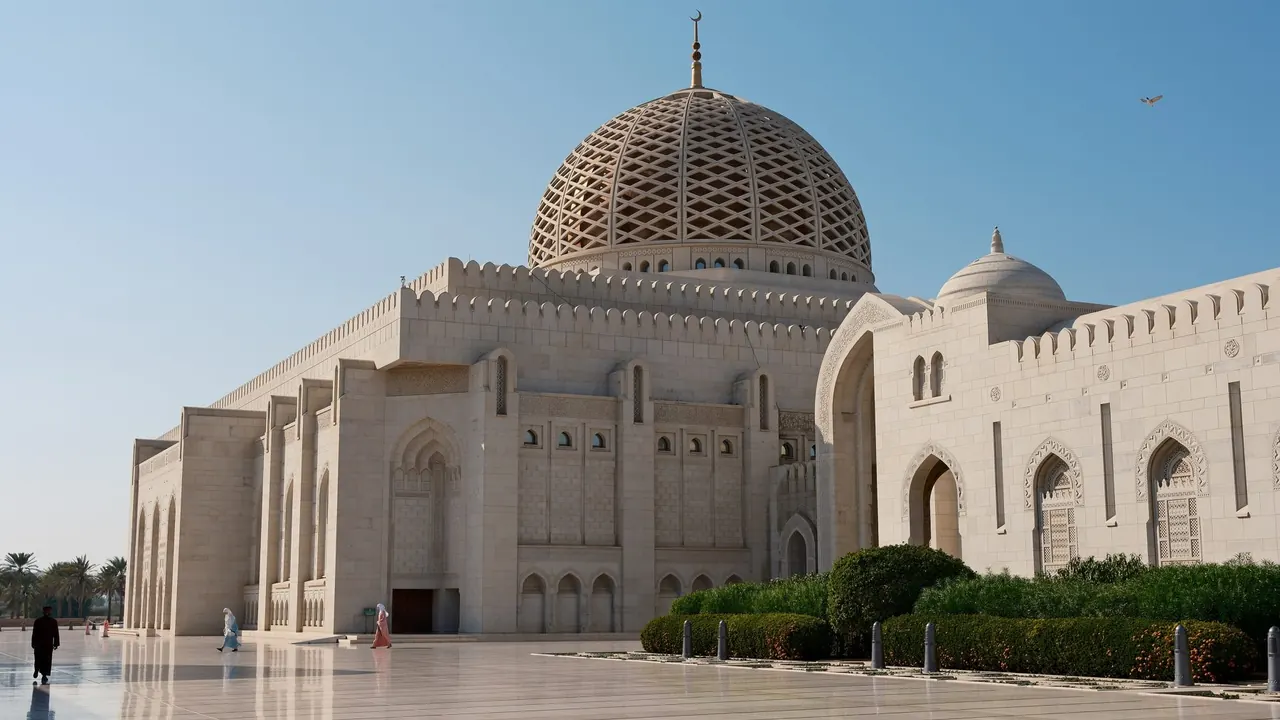
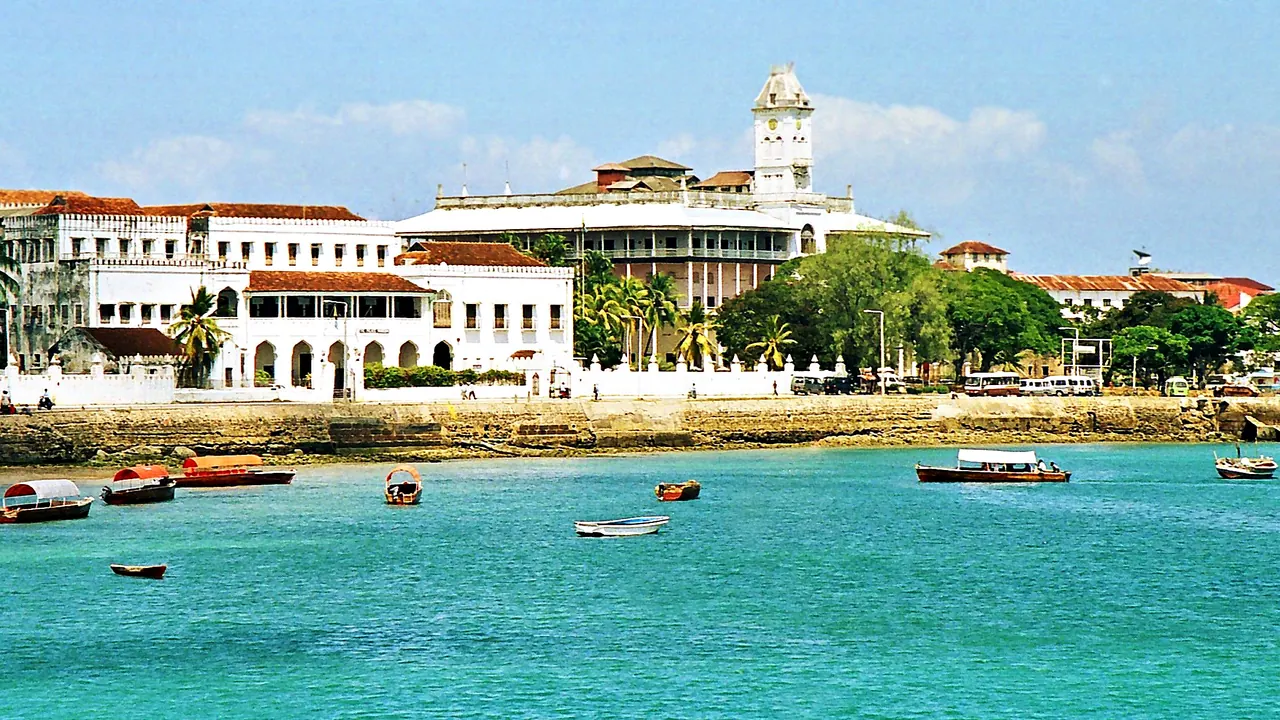
Photos: Muscat by Alli Khalil, CC BY 4.0, cropped; Stone Town by Dr. Ondřej Havelka (cestovatel), CC BY 4.0, cropped.
Muscat or Stone Town?
Our verdict in twelve categories, each scored against the same fixed benchmark cities, and the climate month by month, so you can choose for your trip.
Choose Muscat for
- day trips
- families
- wellness
Muscat suits travellers who want a comfortable, calm base with plenty to do beyond the city. The Hajar mountains, the gorges along the coast and the forts of the interior are all within a day's drive, the resort spas along the southern coves are made for slow days, and the safe, orderly city makes it easy to bring children. It works best as a winter trip with a hire car, for people happy to spend time on the road.
Choose Stone Town for
- getting around
- prices
- culture and sights
Stone Town is the better choice if you want to wander a historic old town on foot and eat well at street level for little money. The coral-stone lanes, carved doors and seafront grill market give a stronger sense of place than anything in Muscat, though it is less restful and harder with small children. Most people give it two or three nights before moving on to Zanzibar's beaches.
Scoreboard
Twelve categories on one fixed scale from 0 to 100. The shaded stretch is the gap between the two.
Your match
Pick a travel style or drag the sliders, and both match scores follow your weighting.
Wins on day trips and families with your weighting.
Wins on getting around and prices with your weighting.
What matters to you?
Category by category
What the scores mean for a trip.
Beaches & swimming
Muscat has the better swimming, and some of it is in the city. Qurum gives a long stretch of urban sand, and the coves at Qantab, Al Bustan and Yiti have clear water just south of the centre. Boats run out to the Daymaniyat Islands for coral snorkelling. The catch is summer, when the heat pushes beach time to early mornings and evenings.
Stone Town's own shore is a working waterfront of dhows and jetties, so swimming starts with a boat ride to the Nakupenda sandbank or the islets of Changuu and Bawe. The white-sand beaches Zanzibar is known for, at Nungwi, Kendwa and Paje, are an hour or more away by road.
Food & drink
Stone Town eats better, and much of it is on the street. Swahili cooking is heavy with clove and cardamom, the Forodhani Gardens fill with seafood grills and Zanzibar pizza every evening, and the mornings start with urojo soup and bitter coffee from corner vendors. Away from the stalls, many restaurant menus are the same.
In Muscat, Omani food such as shuwa and majboos is surprisingly hard to find outside a few traditional floor-seated places. Day-to-day eating is in the cheap Keralan, Pakistani and Lebanese canteens of Ruwi and Mutrah. Both share a taste for sticky halwa, a sign of the old Omani link with Zanzibar, and in both towns alcohol is mostly limited to hotels.
Culture & sights
In Stone Town the whole old town is the sight. It is a UNESCO-listed maze of coral-stone houses and brass-studded doors, with the Old Fort, the Palace Museum and the cathedral on the site of East Africa's last open slave market all within a short walk. The museums are modest, but the streets do most of the work.
Muscat's sights are fewer and spread out along the coast. The Sultan Qaboos Grand Mosque is grander than anything on Zanzibar, and the National Museum tells Oman's story well. Old Muscat's forts can only be seen from outside, though, and the Mutrah corniche is a pleasant stroll rather than a district you can lose yourself in.
Nightlife
Neither place is for a big night out, though Stone Town has slightly more of an evening ritual. You watch the sunset with a drink on a rooftop or a seafront terrace, then eat at the night market. Anyone after a party goes north to the beach bars of Nungwi or Kendwa.
In Muscat, going out means a hotel lounge or one of a few hotel nightclubs, busiest with expatriates on Thursday and Friday nights. Local evenings are sober ones: families on the Mutrah corniche and shisha cafés.
Nature & outdoors
Muscat has much more scenery. The dark Hajar mountains drop straight into the sea behind the city, Wadi Shab and the Bimmah sinkhole are on the coast road, and the terraced gardens of Jebel Akhdar are two hours inland. At sea there are spinner dolphins and turtles in the Daymaniyat reserve, but hiking is only safe from October to April.
Zanzibar is low and flat, so outdoor time means dhow sailing, reef snorkelling at Mnemba and watching red colobus monkeys in Jozani Forest. Kitesurfing on the east coast is the one thing Muscat lacks, and walkers will find little to do.
Day trips
From Muscat you can drive into the interior to see Oman's history: Nizwa's round fort and Friday livestock market, the mud-brick fort at Bahla, painted Jabrin Castle and the hanging village of Misfat al Abriyeen. Down the coast, Sur still builds wooden dhows. You need a car or a driver for all of it.
Stone Town's outings stay on one small island: a half-day spice farm tour, the giant tortoises on Prison Island, the ruined sultans' palaces at Maruhubi and Mtoni, and the slave chambers at Mangapwani. There is no other town worth the trip, so a stay runs out of excursions much sooner.
Good for families
Muscat is the more practical choice with children. It is safe and unhurried, Qurum park is where local families spend their evenings, and the big mall in Seeb has an aquarium tunnel and a snow park for the hottest hours. Expect a lot of time in the car, and plan for winter.
Stone Town has lovely moments for children, such as tortoises on Changuu, colobus monkeys and the Forodhani food stalls. The old town itself is hard going, though: narrow lanes shared with motorbikes, paving that defeats pushchairs, and malaria and food hygiene to manage. Families usually relax once they reach a beach hotel.
Getting around
Stone Town is easier on foot. The old town takes about twenty minutes to cross, and walking is the only way through it. It is a real labyrinth with persistent touts, but the seafront always puts you right. Beyond it, taxis and hired drivers do the work, because the dala-dalas are hard for newcomers to use.
Muscat has no centre to walk. It is a chain of districts about 50km long joined by highways, with buses of little use for sightseeing. A hire car is the norm and easy on good roads, but on foot you are limited to the Mutrah corniche and the cove of Old Muscat.
Shopping & style
The shopping is evenly matched, and in both places it is about markets rather than fashion. Muscat's Mutrah Souq is calm and scented with frankincense, and it is the place for silver, khanjar daggers and perfume oils. Beyond it there are suburban malls of international chains.
Stone Town's Darajani market and the curio lanes around Gizenga Street offer cloves and vanilla, kanga cloth, carved chests and Tingatinga paintings. There is more bargaining and more repetition from shop to shop than in Mutrah.
Affordability
Stone Town is the cheaper stay overall. Night-market meals, dala-dalas and simple guesthouses cost little, though boutique hotels in merchant houses, rooftop dining and organised sandbank or spice tours are priced for foreigners. Agree taxi fares before you set off.
Muscat is cheap to eat in, thanks to its South Asian canteens, and fuel is inexpensive. The rooms are what make it costly: the beach resorts are priced like the pricier Mediterranean coasts, and a hire car or taxis are close to unavoidable. Hotel rates do drop in the hot summer months.
Live music & performing arts
Muscat has the Royal Opera House, a proper stage that brings touring opera, ballet, orchestras and Arab music stars through the autumn-to-spring season. It is worth checking its programme against your dates. Beyond the opera house there is very little.
Stone Town's performances are more local and less predictable. Taarab clubs rehearse and play without a fixed schedule, so ask around. The town comes alive for the Sauti za Busara music festival and the film festival, and the rest of the year it is mostly hotel dinner shows.
Wellness & relaxation
Muscat is the more restful place. The city is low-rise and uncrowded, and the large resort spas in the coves south of the centre offer hammam rituals and frankincense treatments with long, quiet pool days. The warm springs at Nakhal and Rustaq are a simple local alternative inland.
Stone Town's slow pace suits long afternoons on a shaded rooftop, and boutique hotels offer massages using clove and coconut oil. The Hamamni baths are only a monument, though, and the heat, motorbikes and touts in the lanes mean most people go to the coast for real rest.
When should you go?
Pick your month. The climate figures are measured averages, not a forecast.
Muscat in July
Stone Town in July
Daytime high, °C
Rainfall in the month, mm
Where the figures come from
Muscat's sunshine is measured 32 km from the centre, at Seeb, International Airport.
Stone Town's temperatures are measured 78 km from the centre, at Dar Es Salaam Airport.
Stone Town has no rain gauge within 25 km of the centre, so its rainfall comes from a gridded climate dataset read at the city rather than from a gauge further away.
Temperature and rainfall are climate normals, averaged over the years shown. Muscat: 1991-2020 normals, Qaboos Port (3.4 km from centre). Stone Town: 1991-2020 normals, Dar Es Salaam Airport (78 km from centre).
Muscat is at its best in winter. From November to March the days are warm rather than hot, around 24°C in January, and almost dry. That is good weather for walking the corniche, hiking the wadis and lying on the beach, and the sea stays warm enough to swim in all year. From May the heat climbs to about 37°C. Until October, sightseeing on foot only works early in the morning or in the evening, though the sun shines strongly in every month.
Stone Town hardly changes in temperature. Highs stay close to 33°C all year and the sea never drops below about 26°C, so rain is what decides when to go. The long rains from March to May are very heavy, peaking at about 363mm in April, and November and December bring a shorter wet spell. June to October is the driest and sunniest stretch, and January and February are a good second choice. The two cities fit together well: Muscat in midwinter, Zanzibar in the dry months of the southern winter.
Which traveller are you?
On a family trip with children, Muscat is the easier base. A winter week at a beach resort, with sea outings and indoor stops for the hottest hours, runs smoothly. In Stone Town children tire quickly, so keep it to a night or two before the coast.
For an outdoors trip, Muscat offers much more variety. You can mix mountain walks, gorge wading, kayaking and diving in a single week, provided you go between October and April. Zanzibar's outdoor days happen almost entirely on or under the water.
On a tight budget, Stone Town is kinder to your money, as long as you eat and sleep the way locals do and choose paid tours carefully. In Muscat, cheap meals help little when the room and the car take most of the budget.
Before you go
| Measure | Muscat | Stone Town |
|---|---|---|
| Official language | Arabic | English, Swahili |
| Currency | Rial Omani (OMR) | Tanzanian Shilling (TZS) |
| Sockets | CG240 V, 50 Hz | G230 V, 50 Hz |
| Driving side | Right | Left |
| Time zone | UTC+4 | UTC+3 |
| Emergency number | 968 | Police 112, ambulance 115, fire 114 |
| Elevation | 69 m | 15 m |
| Main airport | Muscat International Airport (MCT)31 km from centre83 non-stop destinations | Abeid Amani Karume International Airport (ZNZ)7 km from centre40 non-stop destinations |
| Public holidays this year | - | 13 days |
By the numbers
| Measure | Muscat | Stone Town |
|---|---|---|
| City population | 1,421,409 | - |
| People per km² | 406 | - |
| Museums within 10 km | 10 | 2 |
| UNESCO World Heritage sites within 50 km | 0 | 1 |
| Swim season, months above 21 °C | 12 months | 12 months |
Where else could you go?
Every comparison below shares a destination with this one, so you can follow Muscat or Stone Town somewhere new.
- Mombasavs Stone Town
- Dubaivs Muscat
- Arushavs Stone Town
- Abu Dhabivs Muscat
- Nairobivs Stone Town
- Dohavs Muscat