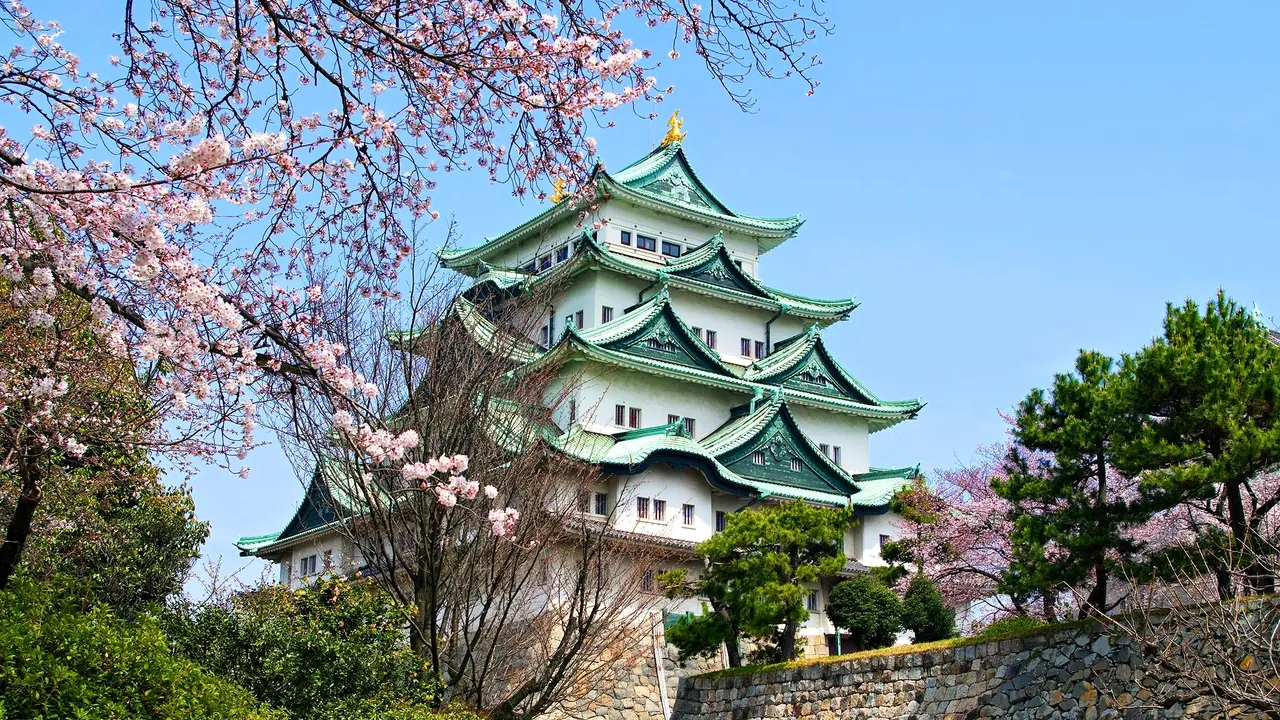
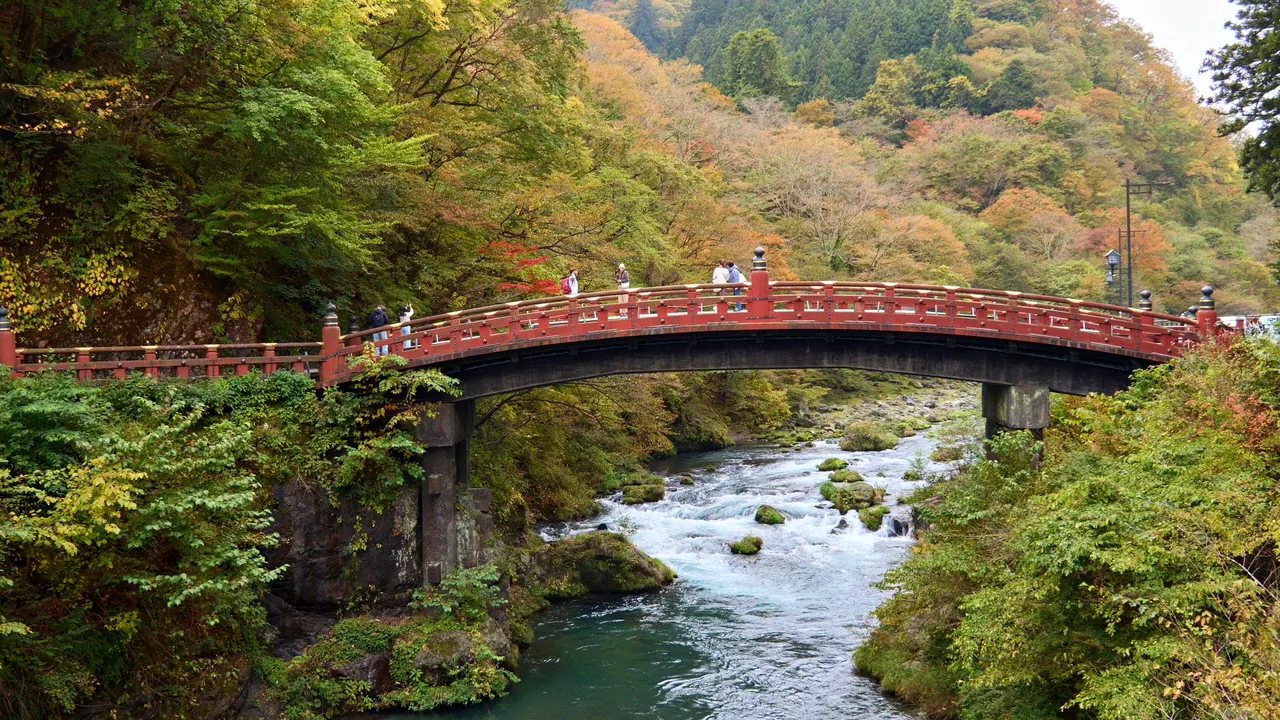
Photos: Nagoya by Hiroaki Kaneko, CC BY-SA 3.0, cropped; Nikko by lumoplank, CC0.
Nagoya or Nikko?
Our verdict in twelve categories, each scored against the same fixed benchmark cities, and the climate month by month, so you can choose for your trip.
Choose Nagoya for
- food and drink
- shopping
- live music and the arts
Nagoya suits a traveller who wants a comfortable, well-connected city base. It has rich regional cooking, department stores and the arcades of Osu, a strong line-up for children, and evenings that don't end at dusk. Its biggest asset is the shinkansen: Kyoto, Ise and a string of castle and pottery towns are all within an easy day, so it works well for a longer stay in central Japan.
Choose Nikko for
- nature and the outdoors
- wellness
- culture and sights
Nikko is the choice for a slower, quieter trip built around one great sight and the mountains behind it. The cedar-shaded shrines of Toshogu, the lakes and waterfalls of the national park and a long soak at a hot-spring inn give it a depth of atmosphere Nagoya can't match. Expect simple food, dark streets after dinner and a stay of a few days rather than a week.
Scoreboard
Twelve categories on one fixed scale from 0 to 100. The shaded stretch is the gap between the two.
Your match
Pick a travel style or drag the sliders, and both match scores follow your weighting.
Wins on food and drink and shopping with your weighting.
Wins on nature and the outdoors and wellness with your weighting.
What matters to you?
Category by category
What the scores mean for a trip.
Beaches & swimming
Neither is a beach destination, but Nagoya can at least offer a swim. Its own shore is port and industry, but the wide, sheltered beaches of the Chita Peninsula, such as Utsumi, are about an hour away by train and warm enough in midsummer.
Nikko has no sea at all. Its highland lakes are for boating and fishing rather than swimming, so in summer the water you will use is a hot spring or a hotel pool.
Food & drink
Food is one of Nagoya's real strengths. Its dark-miso regional cooking runs from eel served three ways to misonikomi udon simmered in a clay pot, and each dish has its own specialist restaurants. Add the morning-service breakfasts, the department-store food halls and the street snacks of Osu, and you can eat something different at every meal.
Nikko's list is short and gentle: yuba, mountain soba, grilled river fish and yokan. Most kitchens serve day visitors at lunch, so the best dinner is usually the multi-course meal at your ryokan.
Culture & sights
Nikko has the more memorable sight. The shrines and temples are a UNESCO-listed ensemble in a forest of giant cedars. Toshogu's lacquer and gold carvings, the Yomeimon gate and the gilded hall of Rinnoji survive from the Edo period rather than being postwar rebuilds, and they stand together within a short walk.
Nagoya's history is scattered across a modern grid after the 1945 bombing. Its reconstructed castle and the forest shrine of Atsuta sit apart from each other. In return it has a wider range of museums, from the Tokugawa samurai treasures to the Toyota and railway museums. These suit visitors curious about how modern Japan was built.
Nightlife
Nagoya has a night out to offer, even if it is a modest one by Japanese standards. Sakae and Nishiki pack tiny bars, izakaya, karaoke and a few dance clubs into narrow buildings, and some stay open until morning at weekends.
Nikko goes dark soon after the day-trip crowds leave. An evening there means a long dinner at the inn and a soak, with a hotel lounge in Kinugawa as the only real alternative.
Nature & outdoors
Nikko is the stronger choice by a distance, since it is the gateway to a national park. Within a bus ride you have the volcanic cone of Mount Nantai, Kegon Falls dropping from Lake Chuzenji, and the level boardwalks of the Senjogahara marsh. There is rafting in the Kinugawa gorge and snow and frozen waterfalls in winter.
Nagoya sits on a flat, built-up plain. Inside the city, nature means Higashiyama park and the Tokugawaen and Shirotori gardens. The Suzuka Mountains, the maples of Korankei and the Nakasendo walking road in the Kiso Valley are rewarding but take at least an hour to reach.
Day trips
Nagoya is one of the best-placed bases in Japan. Kyoto is about 35 minutes away by shinkansen, Osaka is under an hour, and Ise Jingu is an easy rail trip. Closer still are the original castle keeps at Inuyama and Hikone, the shibori street at Arimatsu and the pottery towns of Seto and Tokoname.
From Nikko the main outing is Tokyo, which needs a long day. Utsunomiya's gyoza, the kilns of Mashiko and the thatched post town of Ouchi-juku are all within reach. Beyond them, most nearby destinations are lakes and mountains rather than towns.
Good for families
Nagoya is much better equipped for children. Its large port aquarium with orcas and belugas, the huge Higashiyama Zoo, the planetarium, the bullet trains at the railway museum, Legoland and Ghibli Park could fill a week. The one catch is that they are spread around the city.
Nikko is safe and easy-going but has less for young children. Its main draws are the Edo-period theme village and the miniature landmarks park at Kinugawa, plus the lake boats and boardwalks. The long staircases at the shrines are hard work with a pushchair, so two or three days is about right.
Getting around
In Nagoya the subway and rail lines share one IC card, and Nagoya Station makes regional trips straightforward. The wide postwar avenues are easy to find your way along, though not always pleasant to walk.
Nikko is simpler but slower. One road runs about 2km uphill from the station to the shrines. The lakes and falls depend on buses up the Irohazaka road, which can crawl for hours on autumn foliage weekends.
Shopping & style
Nagoya is a real shopping city. It has large department stores around Sakae and above the station, luxury avenues between them, and the arcades of Osu, where secondhand clothes, anime and a temple flea market sit side by side. Craft buyers can also find shibori and porcelain.
Nikko has one street of souvenir and food shops. It is worth a look for Nikko-bori carved trays and straw-soled geta sandals, and for little else.
Affordability
Overall costs are similar in the two places, but the money goes on different things. In Nagoya, business hotels keep rooms moderate and set lunches are good value. The spending comes from eel dinners, shinkansen day trips and theme parks.
In Nikko, soba, buses and shrine entry are cheap and there are plenty of hostels. The classic ryokan stay with dinner is the big cost, and autumn and the lake area are the dearest times and places to stay.
Live music & performing arts
Nagoya has a proper programme. Kabuki at the Misono-za, Noh near the castle, the Nagoya Philharmonic and opera at the Aichi Arts Center are all there, though much of it is aimed at Japanese speakers.
Nikko has no theatre or concert life. The exception is the Toshogu festival in spring and autumn, when a procession of armoured samurai and horseback archery is worth timing a visit around.
Wellness & relaxation
In Nagoya a bath is something you fit around a city day. You might stop at a neighbourhood bathhouse on the way back to the hotel, or spend an afternoon at the big Nagashima complex. For a night at a traditional inn you have to leave the city for Gero, two hours into the mountains. Otherwise, the calmest places are the pond gardens of Tokugawaen and Shirotori, an hour's pause from wide roads and office blocks.
In Nikko the hot spring is the point of the stay. The riverside inns of Kinugawa and the remote lakeside baths at Yumoto are within the area, so a morning on the shrine paths can end in an afternoon soak with no long journey in between. Come on a weekday or in winter and the whole place is quiet, not just a few garden corners.
When should you go?
Pick your month. The climate figures are measured averages, not a forecast.
Nagoya in July
Nikko in July
Daytime high, °C
Rainfall in the month, mm
Where the figures come from
Nikko has no weather station within reach, so its figures come from a gridded climate model rather than a measured record, and read a broad area rather than the city itself.
Temperature and rainfall are climate normals, averaged over the years shown. Nagoya: 1991-2020 normals, Nagoya (5.7 km from centre). Nikko: 2001-2020 normals, NASA POWER reanalysis grid, no weather station within 90 km.
Both are at their best in spring and autumn, but they keep different calendars. Nagoya is pleasant for walking from April to May and again from October to November. By August it is sticky and hot, with highs of 33°C. The wettest stretch runs from June to October and peaks in September at 225mm. The same heat makes midsummer the only time for a swim, when Ise Bay warms to about 27°C.
Nikko runs several degrees cooler all year, so its summers are easier, although July to October is just as wet. Late May and June are fresh and green, and October brings the maples. Winter is properly cold, with January highs of around 3°C. That suits snow and hot springs but makes long sightseeing days hard, while Nagoya stays mild enough for a winter city break.
Which traveller are you?
On a food and nightlife trip, Nagoya wins easily. Miso katsu, hitsumabushi eel and tebasaki wings fill the day, then the izakaya and small bars of Sakae and Nishiki keep going into the night. Nikko's restaurants mostly close once the day visitors leave.
On an outdoors trip, Nikko is the place. The Irohazaka road climbs to Lake Chuzenji and Kegon Falls, Senjogahara has boardwalk trails and Mount Nantai is there to climb. From Nagoya, comparable scenery is an hour or more away.
On a relaxing and wellness trip, Nikko comes out ahead. A ryokan at Kinugawa or the milky sulphur baths of Yumoto set a slow rhythm of shrine walks, open-air soaks and early nights. Nagoya has good super sento but stays a working city.
Before you go
| Measure | Nagoya | Nikko |
|---|---|---|
| Official language | Japanese | Japanese |
| Currency | Yen (JPY) | Yen (JPY) |
| Sockets | AB100 V, 50 and 60 Hz depending on the region | AB100 V, 50 and 60 Hz depending on the region |
| Driving side | Left | Left |
| Time zone | UTC+9 | UTC+9 |
| Emergency number | Police 110, fire 119 | Police 110, fire 119 |
| Elevation | 25 m | 660 m |
| Main airport | Chubu Centrair International Airport (NGO)37 km from centre43 non-stop destinations | Tokyo Haneda International Airport (HND)134 km from centre98 non-stop destinations |
| Public holidays this year | 16 days | 16 days |
By the numbers
| Measure | Nagoya | Nikko |
|---|---|---|
| City population | 2,326,844 | 77,027 |
| People per km² | 7,129 | 53 |
| Museums within 10 km | 63 | 5 |
| UNESCO World Heritage sites within 50 km | 0 | 1 |
| Swim season, months above 21 °C | 5 months | - |
Where else could you go?
Every comparison below shares a destination with this one, so you can follow Nagoya or Nikko somewhere new.