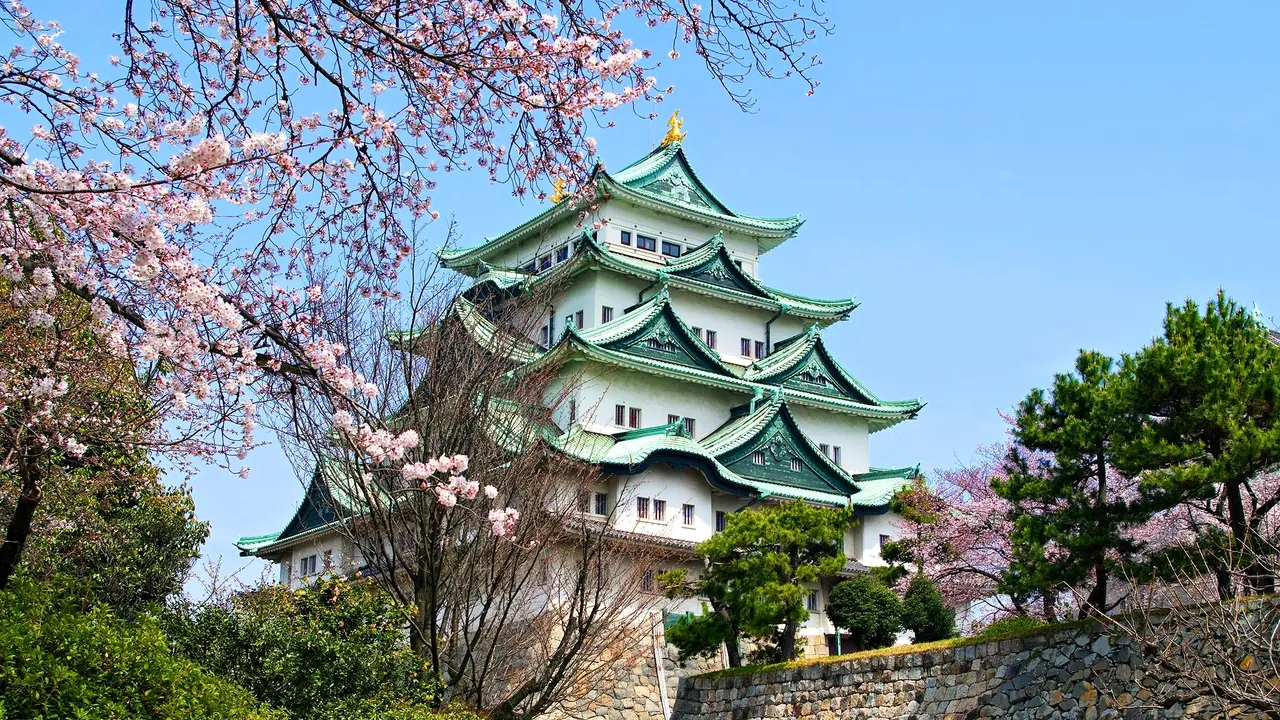
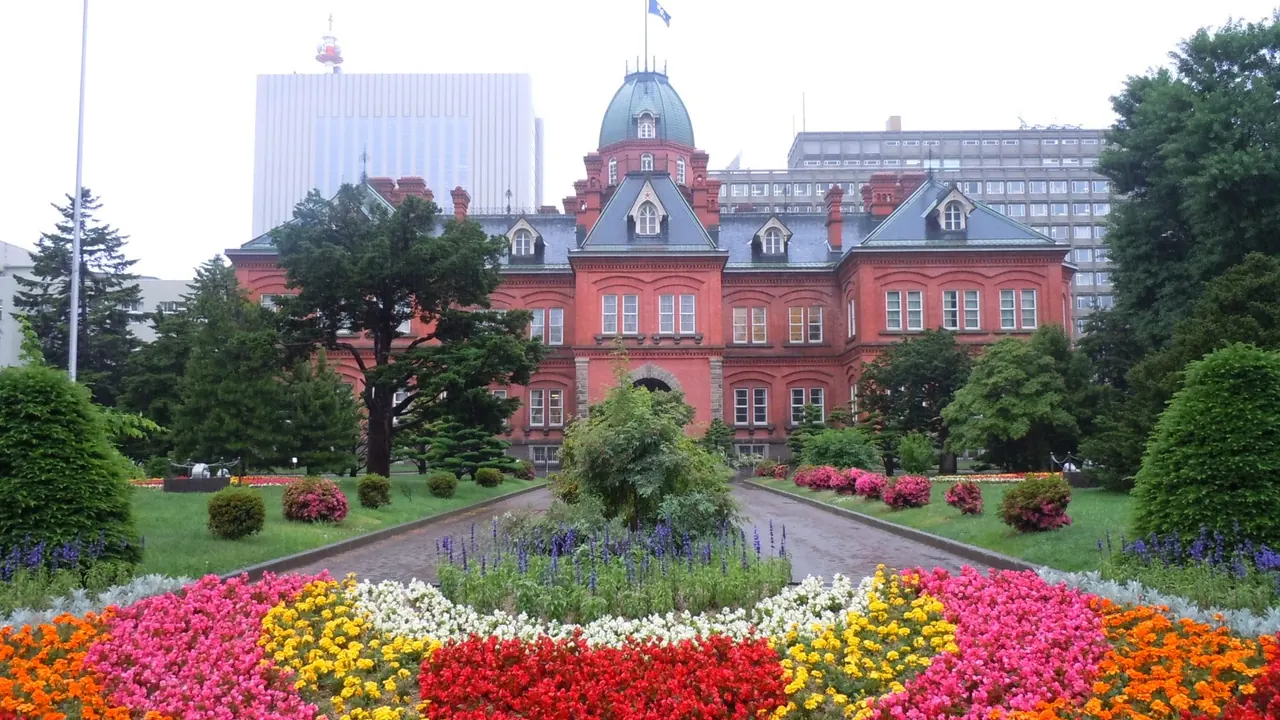
Photos: Nagoya by Hiroaki Kaneko, CC BY-SA 3.0, cropped; Sapporo by Feri88, CC BY 3.0, cropped.
Nagoya or Sapporo?
Our verdict in twelve categories, each scored against the same fixed benchmark cities, and the climate month by month, so you can choose for your trip.
Choose Nagoya for
- day trips
- culture and sights
- families
Nagoya suits a traveller who wants Japan's history and its rail network close at hand. Kyoto, Ise Jingu, Inuyama's original castle keep and the Kiso Valley post towns all make easy day trips. The city adds the Tokugawa Art Museum, Atsuta Shrine and a strong run of children's attractions, from the port aquarium to Ghibli Park. It is the better pick for families and for anyone who wants a base for exploring rather than a destination in itself.
Choose Sapporo for
- nature and the outdoors
- nightlife
- wellness
Choose Sapporo when the landscape and the season are the point. There are ski slopes inside the city limits, Niseko's powder is two hours off, and Shikotsu-Toya's caldera lake and the hot-spring towns of Jozankei and Noboribetsu are close by. That makes it the stronger trip for skiers, hikers and anyone who wants to soak and slow down. Susukino also gives it the livelier evenings, with streets of tiny bars and late ramen counters.
Scoreboard
Twelve categories on one fixed scale from 0 to 100. The shaded stretch is the gap between the two.
Your match
Pick a travel style or drag the sliders, and both match scores follow your weighting.
Too close to call, level with your weighting
Wins on day trips and culture and sights with your weighting.
Wins on nature and the outdoors and nightlife with your weighting.
What matters to you?
Category by category
What the scores mean for a trip.
Beaches & swimming
Neither city is a beach destination, but Nagoya does a little better. The Chita Peninsula beaches such as Utsumi and the ferry islands like Shinojima have wide sand and bay water that stays warm through July and August, though it is sheltered and not very clear.
Sapporo's nearest swimming, at Ishikari or near Otaru on the Sea of Japan, is cooler and only usable for a few weeks in high summer. In both places a swim is a day out, not the reason to come.
Food & drink
Both are among Japan's better cities for eating, and the difference is one of character. Nagoya has a cuisine of its own, rich and dark with red miso: hitsumabushi eel, miso katsu and tebasaki wings, each with its own specialist restaurants. It also has the morning-service breakfast habit and cheap snacks in the Osu arcades.
Sapporo leans on Hokkaido's produce: sea urchin and crab bowls at Nijo Market, miso ramen, soup curry, jingisukan lamb and beer halls in the old brewery. Go to Nagoya for its distinctive dishes, and to Sapporo for seafood and the quality of the ingredients.
Culture & sights
Nagoya has more to see. Bombing destroyed most of the old city, but it still has a castle with a carefully reconstructed palace, Atsuta Shrine in its forest, Tokugawa samurai treasures and Tale of Genji scrolls. The Toyota and railway museums also explain how industrial Japan was built.
Sapporo was laid out in the 1870s, so its landmarks date from the pioneer era: the Clock Tower, the red-brick government building and the Historical Village of Hokkaido. Its most memorable sight is Noguchi's Moerenuma Park, and two days covers everything.
Nightlife
Sapporo is the better night out. Susukino stacks thousands of tiny bars, izakaya and late ramen counters into its neon towers and stays busy past midnight even in midwinter. It is made for bar-hopping rather than dancing.
Nagoya's Sakae and Nishiki have a similar mix of small bars and karaoke, plus a few dance clubs that fill at weekends. But the city has a reputation for going home early, and on weeknights it mostly belongs to office workers having dinner and drinks.
Nature & outdoors
Here Sapporo is in a different league. It gets reliable winter snow, has Olympic slopes at Teine inside the city, and Niseko is two hours away. In summer the caldera lake and volcanoes of Shikotsu-Toya and the flower fields of Furano and Biei take over.
Nagoya sits on a flat, built-up plain, so its green space within the city is parks and gardens such as Higashiyama and Tokugawaen. The Suzuka Mountains, Korankei's autumn maples and the Nakasendo through the Kiso Valley are rewarding, but each takes an hour or more to reach.
Day trips
Nagoya is one of the best-placed bases in Japan. The shinkansen puts Kyoto just over half an hour away and Osaka under an hour, and Ise Jingu is an easy trip by Kintetsu train. Closer to home are the original castle keeps at Inuyama and Hikone, the pottery towns of Seto and Tokoname and the post towns of Tsumago and Magome.
Sapporo has fewer day trips, but they are distinctive: canal-side Otaru, the Yoichi whisky distillery, the Ainu museum at Upopoy and Noboribetsu's volcanic valley. Beyond those, most trips lead into the countryside rather than to towns.
Good for families
Nagoya gives children more to do. It has one of Japan's largest aquariums, with orcas and belugas, as well as Legoland, Ghibli Park, the full-size bullet trains at the railway museum and the rides at Nagashima Spa Land. These are spread out, though, so expect long train journeys.
Sapporo is easy and safe with children and comes into its own in winter, with Snow Festival slides and beginner ski lessons inside the city. In summer, Moerenuma and Takino parks give children room to run, but the list of big attractions is shorter.
Getting around
Both cities are laid out on grids with clean subways that run on a single IC card, so neither is hard to navigate. Nagoya's wide avenues are tiring on foot, but its station is a major regional hub, and the Linimo maglev reaches the outlying attractions.
Sapporo's numbered grid makes addresses easy to find, and its flat centre is more pleasant to walk. It has a streetcar loop and an underground walkway that keeps you off icy pavements, though in midwinter snow slows everyone down.
Shopping & style
The two are fairly close, and department stores with basement food halls are at the heart of both. Nagoya has a deeper luxury strip around Sakae and the Osu arcades of secondhand clothes, anime and electronics, plus crafts such as Arimatsu shibori and Seto pottery.
Sapporo's Tanukikoji arcade is cheaper and plainer, and most of what visitors take home is edible: Hokkaido chocolate, cheese and dried seafood. Ainu woodcarving and textiles are the craft to look for.
Affordability
Day-to-day costs are much the same. Business hotels keep rooms moderate in both, and cheap noodles and set lunches are easy to find. Where they differ is in what drives the bill up: in Nagoya it is eel dinners, shinkansen day trips and theme-park tickets, and in Sapporo crab and sea urchin, ski passes and central rooms during the February Snow Festival.
Live music & performing arts
Nagoya has the wider programme. Kabuki plays at the Misono-za, Noh and kyogen are staged near the castle, the Aichi Arts Center hosts opera and ballet, and the Philharmonic gives a regular season.
Sapporo's strength is classical music at Kitara, home to its symphony orchestra and to the Pacific Music Festival each July, along with street dance during Yosakoi Soran in June. In both cities most performances are in Japanese.
Wellness & relaxation
Sapporo is the better place to unwind. Jozankei's open-air baths in a wooded gorge are within the city limits, and Noboribetsu is close enough for a night away. The city itself feels unhurried, especially under winter snow.
Nagoya has good everyday bathing in neighbourhood sento and super sento, and the Nagashima complex is nearby. But Gero, its classic onsen town, is two hours away in the mountains, and in the city calm is mostly found in the teahouse gardens of Tokugawaen and Shirotori.
When should you go?
Pick your month. The climate figures are measured averages, not a forecast.
Nagoya in July
Sapporo in July
Daytime high, °C
Rainfall in the month, mm
Temperature and rainfall are climate normals, averaged over the years shown. Nagoya: 1991-2020 normals, Nagoya (5.7 km from centre). Sapporo: 1991-2020 normals, Sapporo (2.2 km from centre).
Nagoya is at its best in spring and autumn. April and May are warm and pleasant for walking between the castle and Osu, though rain builds through spring and May is already wetter than August. October and November bring comfortable days and the autumn maples, and November is when the rain eases. June to September is the hot, wet stretch: August reaches about 33°C with heavy humidity, and September is the wettest month at around 225mm. Midsummer is also the only time the Chita beaches are warm enough for a swim, with the bay near 27°C in August. Winters are cool, dry and often sunny, so sightseeing in a coat works well.
Sapporo's year runs the other way. From December to February daytime highs stay around 0°C, with steady snow and short, dull days, which is exactly what skiers come for. April to June is the driest part of the year, cool in spring and fresh by June. July and August peak at about 26°C, a comfortable escape from the heat further south, though the sea is only warm enough for a brief swim in August. Rain picks up again in late summer, and after October it turns cold quickly.
Which traveller are you?
On a culture and arts trip, base yourself in Nagoya and split the days. Give a day or two to the city's castle, Tokugawa treasures and an evening of kabuki or Noh, then take the shinkansen to Kyoto or the train to Ise. Sapporo's sights fill two days at most.
For an outdoors trip, choose Sapporo and plan around the season. Between December and March, bring ski gear and you can be on the snow the first morning. In summer, leave several days for lakes, volcano walks and farmland. In Nagoya, landscape is only an occasional day out between temples.
On a relaxing and wellness trip, Sapporo is the calmer place to be. Book at least one night at an onsen inn rather than squeezing a soak into an afternoon, and come for autumn colour or falling snow. Nagoya's bathhouses make a pleasant evening habit, but its best spa town means a long ride.
Before you go
| Measure | Nagoya | Sapporo |
|---|---|---|
| Official language | Japanese | Japanese |
| Currency | Yen (JPY) | Yen (JPY) |
| Sockets | AB100 V, 50 and 60 Hz depending on the region | AB100 V, 50 and 60 Hz depending on the region |
| Driving side | Left | Left |
| Time zone | UTC+9 | UTC+9 |
| Emergency number | Police 110, fire 119 | Police 110, fire 119 |
| Elevation | 25 m | 5 m |
| Main airport | Chubu Centrair International Airport (NGO)37 km from centre43 non-stop destinations | New Chitose Airport (CTS)42 km from centre42 non-stop destinations |
| Public holidays this year | 16 days | 16 days |
By the numbers
| Measure | Nagoya | Sapporo |
|---|---|---|
| City population | 2,326,844 | 1,959,313 |
| People per km² | 7,129 | 1,747 |
| Museums within 10 km | 63 | 33 |
| UNESCO World Heritage sites within 50 km | 0 | 1 |
| Swim season, months above 21 °C | 5 months | 1 month |
Where else could you go?
Every comparison below shares a destination with this one, so you can follow Nagoya or Sapporo somewhere new.