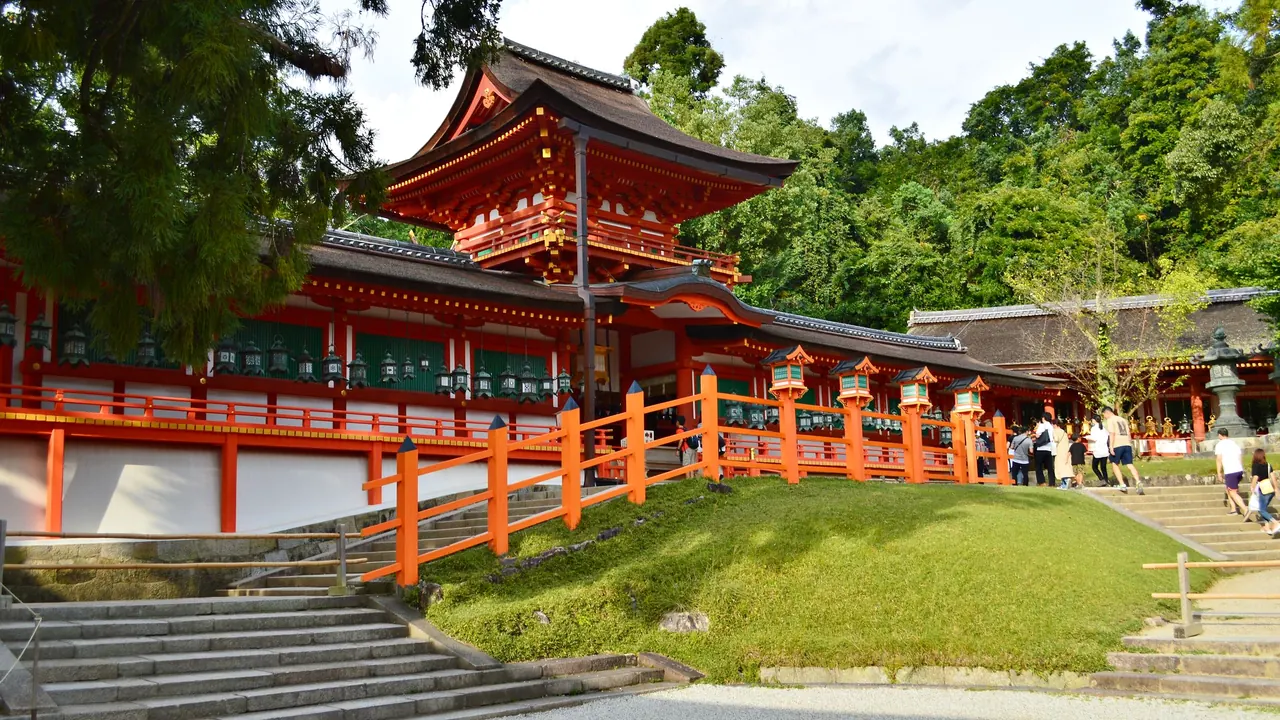
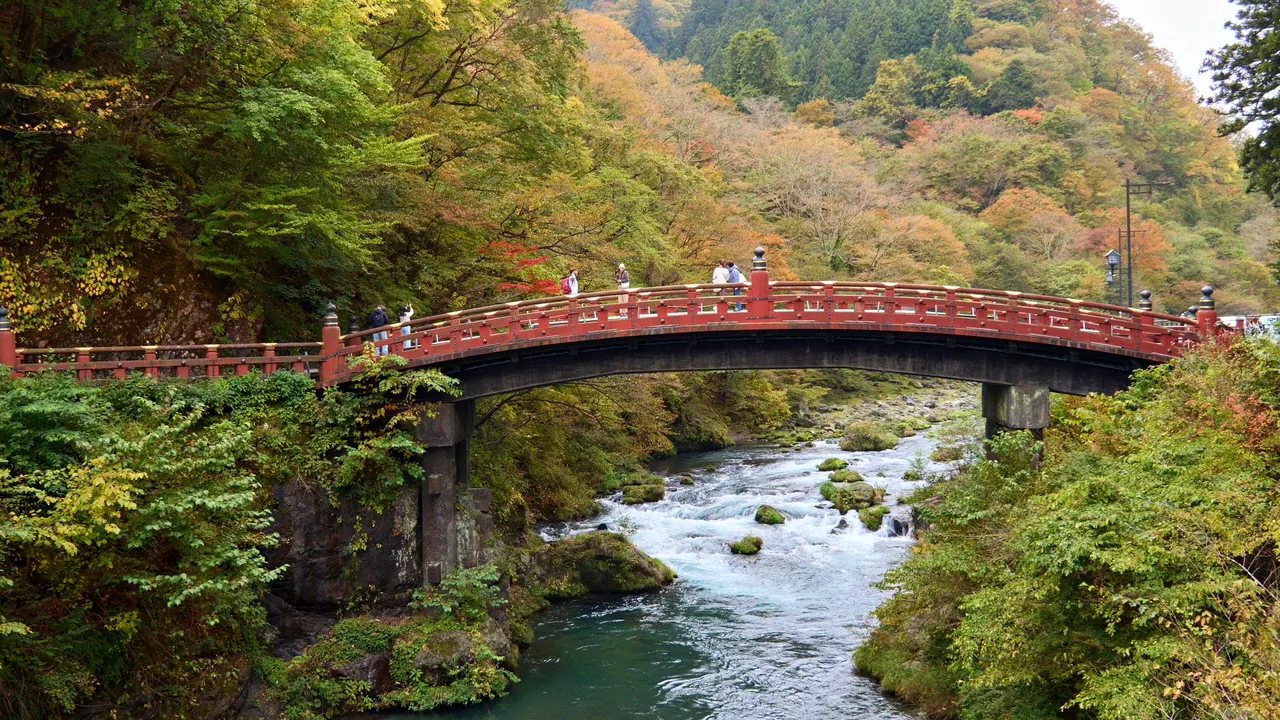
Photos: Nara by Saigen Jiro, CC0; Nikko by lumoplank, CC0.
Nara or Nikko?
Our verdict in twelve categories, each scored against the same fixed benchmark cities, and the climate month by month, so you can choose for your trip.
Choose Nara for
- day trips
- getting around
- shopping
Nara suits travellers who want Japan's oldest temples in depth and a base for the wider Kansai region. The Great Buddha, the lantern paths of Kasuga Taisha and the quieter temples to the west fill two or three unhurried days. The centre is walkable from the station, and Kyoto, Osaka and Horyu-ji are all close by train. Those short rides also make up for its thin evenings and modest food.
Choose Nikko for
- wellness
- nature and the outdoors
Choose Nikko if the trip is as much about mountains and hot water as about shrines. Toshogu's gilded carving in its cedar forest needs a day or two. After that the draw is the national park above town, with Lake Chuzenji, Kegon Falls and the Senjogahara boardwalks, followed by a long soak and a ryokan dinner. It is slower to get around and quieter still at night, so it rewards people who want to stay in one place rather than range widely.
Scoreboard
Twelve categories on one fixed scale from 0 to 100. The shaded stretch is the gap between the two.
Your match
Pick a travel style or drag the sliders, and both match scores follow your weighting.
Wins on day trips and getting around with your weighting.
Wins on wellness and nature and the outdoors with your weighting.
What matters to you?
Category by category
What the scores mean for a trip.
Beaches & swimming
Neither city works for a beach vacation. Nara lies in an inland basin and Nikko in the mountains, so summer swimming in both means a pool. From Nara, the industrial Osaka Bay shore is over an hour away and the better sand of the Kii Peninsula takes most of a day to reach. Nikko's highland lakes are for boating, not swimming, and the water people seek out there is the hot spring.
Food & drink
Nara eats better, though neither is a food destination. Persimmon-leaf kakinoha-zushi, sake-lees pickles, Miwa somen and the sake counters of Naramachi give it more variety. Osaka and Kyoto are close enough for a serious dinner.
Nikko's choice is narrower still: yuba in its many forms, mountain soba and river fish, mostly served at lunch along the shrine road. The best meal there is usually the multi-course dinner at your ryokan, so choosing the right inn matters more than choosing a restaurant.
Culture & sights
Both cities are built around great religious sites, but Nara has more of them, and they are older. Its time as the eighth-century capital left Todai-ji, Kofuku-ji, Kasuga Taisha, the Tang-era temples to the west and the National Museum. That is enough for two or three days without repeating yourself.
Nikko is one concentrated burst of Edo-period splendour: Toshogu's lacquer and gold leaf, with Rinnoji and Taiyuinbyo in their cedar forest. It is more ornate than anything in Nara, but you can cover it in a day or two, and there are few museums beyond it.
Nightlife
Evenings are quiet in both, but Nara at least has somewhere to go. There are izakaya near Kintetsu Nara station, sake counters and small bars in the covered arcades, and Osaka's bar districts are under an hour away until the last train. In Nikko the main street goes dark early. The evening is the ryokan dinner and the bath, with only a few hotel lounges in Kinugawa Onsen.
Nature & outdoors
Nikko is the outdoors destination of the pair. A bus ride up the Irohazaka road takes you to Lake Chuzenji at 1,269m, Kegon Falls, the Senjogahara marsh and serious climbs on Mount Nantai. There is also rafting, autumn colour and winter snow.
Nara's nature is gentler and closer to hand: deer on the park lawns, the ancient Kasugayama forest, an easy climb up Mount Wakakusa and the Yamanobe-no-michi through orchards in the foothills. Yoshino's hills make a fine outing in blossom season, but nothing near Nara matches Nikko's mountains.
Day trips
Nara has the far richer list. Kyoto and Osaka are each under an hour away and Horyu-ji is a short ride. Asuka, Uji and the mountain temples of Hase-dera and Muro-ji are all easy to reach, and Himeji makes a long day.
From Nikko, Tokyo is about two hours each way, so it takes a long day. The closer outings are Utsunomiya for its gyoza and the pottery kilns of Mashiko. Beyond them most choices are more mountains and lakes, so Nikko works better as a place to stay than as a base for exploring.
Good for families
Both suit a family for two or three days and no longer, but the attractions differ. In Nara it is the deer: children feed them crackers in the park and then squeeze through the pillar at Todai-ji, all within an easy walk. Toddlers need watching around hungry deer.
Nikko's attractions for children are out at Kinugawa, with an Edo-period theme village and a park of miniature landmarks, and older children enjoy the boats on Lake Chuzenji. With small children, the shrine staircases and long bus rides are harder going than Nara's compact centre.
Getting around
Nara is the easier place to get around. The main temples, Kasuga Taisha, the museum and Naramachi are all within walking distance of Kintetsu Nara station. The western temples are a short train or bus ride away, and the flat basin suits rental bikes.
In Nikko, the shrines are a 2km uphill walk from the stations along one road. Everything beyond, including the lake, the falls and the marsh, depends on buses up the Irohazaka road, which crawl on autumn weekends. Neither needs a car, but each sight takes longer to reach in Nikko.
Shopping & style
Neither is a shopping city, but Nara has more worth taking home. There are sumi ink and calligraphy brushes, Nara-zarashi linen, Akahada pottery and Ittobori dolls, along with the covered arcades and a department store. Nikko has one street of souvenir and food shops, where carved Nikko-bori trays and straw-soled geta are the genuine local crafts. For fashion, Osaka is close to Nara, while in Nikko you have to wait until Tokyo.
Affordability
Costs are much the same, and in both cities most of the money goes on the ryokan. Nara has plenty of business hotels near its two stations, and the temples charge modest entry fees hall by hall. Rail fares add up, though, if you use it as a base for day trips.
At the cheaper end, Nikko has guesthouses and hostels, inexpensive soba and cheap buses. The onsen inn with dinner, which is half the reason to go, is a real expense, especially by the lakes in foliage season.
Live music & performing arts
Nara has the deeper tradition. It is one of the birthplaces of Noh, and Kasuga Taisha keeps gagaku music and bugaku dance alive. The winter On-matsuri and the Omizutori fire rites at Todai-ji in early spring are worth planning a visit around, and Osaka is close for regular theatre.
Nikko's one great occasion is the Toshogu festival in spring and autumn, with its procession of a thousand men in samurai armour and its horseback archery. The rest of the year there are only the theme-park shows at Kinugawa and the occasional sacred dance at the shrines.
Wellness & relaxation
This is Nikko's clearest advantage. The riverside inns of Kinugawa Onsen are a short train ride away, and Yumoto has milky sulphur springs by Lake Yunoko. Many ryokan have open-air baths looking onto forest or river, with snow around them in winter.
Nara has no hot springs of its own, only old bathhouses, bathing complexes on the outskirts and some ryokan baths. What makes it restful is its pace: the park in the early morning, a tea house near a temple and the quiet once the day visitors leave.
When should you go?
Pick your month. The climate figures are measured averages, not a forecast.
Nara in July
Nikko in July
Daytime high, °C
Rainfall in the month, mm
Where the figures come from
Nara's sunshine is measured 26 km from the centre, at Osaka.
Nikko has no weather station within reach, so its figures come from a gridded climate model rather than a measured record, and read a broad area rather than the city itself.
Temperature and rainfall are climate normals, averaged over the years shown. Nara: 1971-2000 (sunshine 1991-2020, rainfall 1991-2020) normals, Nara (2.6 km from centre). Nikko: 2001-2020 normals, NASA POWER reanalysis grid, no weather station within 90 km.
Neither city is a beach destination at any time of year, so the question is when walking is comfortable. Nara is pleasant in April and May and again in October and November. July and August reach 32°C in a humid basin, and the wet spell starts in June and peaks in July at around 200mm. Winters are cool but fine for sightseeing, with highs near 9°C and January the driest month. August has the most sunshine, despite the heat.
Nikko is several degrees colder all year. Summer highs stay lower, around 29°C in town and cooler again up at the lakes, so July and August are better for hiking than in Nara. The rain is just as heavy, though, and it lasts through September and October. January highs of around 3°C bring snow, frozen waterfalls and the best of the hot springs. Autumn is the best time in both cities: the maples turn in Nikko, and the temperature in Nara is comfortable for long temple walks.
Which traveller are you?
On a culture and arts trip, Nara is the stronger choice. Its eighth-century temples, from Todai-ji to Toshodai-ji and Yakushiji, and the National Museum's Buddhist sculpture go deeper than Nikko's single shrine ensemble. Horyu-ji and Kyoto are close by train.
For an outdoors trip, Nikko wins clearly. The national park starts just above town, with Lake Chuzenji, Kegon Falls, the level Senjogahara boardwalks, steep climbs on Mount Nantai and rafting on the Kinugawa. Nara offers only gentle foothill walks and cycling.
On a relaxing and wellness trip, Nikko is the place to go. The riverside inns of Kinugawa Onsen and the milky sulphur water at Yumoto offer real hot-spring bathing with forest views. Nara is calm, but it has old bathhouses and bathing complexes rather than onsen.
Before you go
| Measure | Nara | Nikko |
|---|---|---|
| Official language | Japanese | Japanese |
| Currency | Yen (JPY) | Yen (JPY) |
| Sockets | AB100 V, 50 and 60 Hz depending on the region | AB100 V, 50 and 60 Hz depending on the region |
| Driving side | Left | Left |
| Time zone | UTC+9 | UTC+9 |
| Emergency number | Police 110, fire 119 | Police 110, fire 119 |
| Elevation | 70 m | 660 m |
| Main airport | Kansai International Airport (KIX)59 km from centre62 non-stop destinations | Tokyo Haneda International Airport (HND)134 km from centre98 non-stop destinations |
| Public holidays this year | 16 days | 16 days |
By the numbers
| Measure | Nara | Nikko |
|---|---|---|
| City population | 352,377 | 77,027 |
| People per km² | 1,273 | 53 |
| Museums within 10 km | 31 | 5 |
| UNESCO World Heritage sites within 50 km | 6 | 1 |
| Swim season, months above 21 °C | 5 months | - |
Where else could you go?
Every comparison below shares a destination with this one, so you can follow Nara or Nikko somewhere new.