Norway
- Nature & outdoors97
- Families70
- Culture & sights64
Match
50
Every category weighted equally
- Beach & sun46
- Culture & arts52
- Food & nightlife47
- Family trip52
- Outdoors54
- Relax & unwind50
- Shopping & style49
- On a budget46
Norway in twelve categories
Our verdict on the country as a whole, scored 0 to 100 against the same fixed benchmark cities as every destination, so a score means the same thing on every page.
Beaches & swimming. Scores 27 out of 100.
Food & drink. Scores 54 out of 100.
Culture & sights. Scores 64 out of 100.
Nightlife. Scores 37 out of 100.
Nature & outdoors. Scores 97 out of 100.
Day trips. Scores 45 out of 100.
Good for families. Scores 70 out of 100.
Getting around. Scores 63 out of 100.
Shopping & style. Scores 38 out of 100.
Affordability. Scores 12 out of 100.
Live music & performing arts. Scores 52 out of 100.
Wellness & relaxation. Scores 42 out of 100.
Norway category by category
Under each: where in Norway it is best, and our destinations in Norway that score highest on it.
Beaches & swimming
27Norway has beaches, but it is not a beach country. The best swimming is along the southern coast of Sørlandet, between Kristiansand and Arendal, where smooth granite skerries, small sandy bays and sheltered sounds warm up to around 18-20°C in a good July. Norwegians swim from rocks and jetties as much as from sand, and on warm summer days the islands of the Oslofjord fill with bathers. Near Stavanger, the long dune beaches of Jæren are exposed to the open sea and suit walkers and surfers more than swimmers.
Further north, the white sand and turquoise water in Lofoten look tropical, but the sea there rarely gets much above 12-14°C. A swim is a short, bracing dip rather than a beach day. Weather is changeable even in high summer, and the swimming season is short, roughly late June to mid-August.
Where: Sørlandet, Oslofjord, Jæren, Lofoten
Our top destinations in Norway
Food & drink
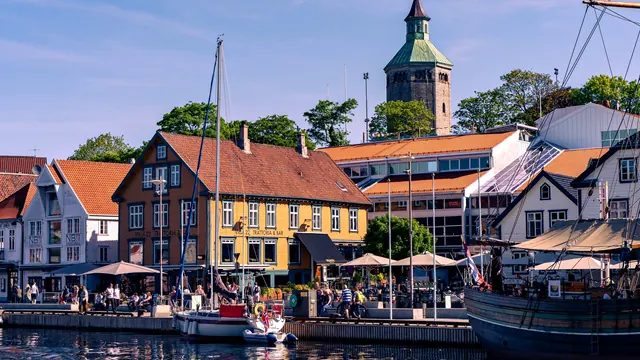
54Seafood is the reason to eat in Norway. Cold-water cod, langoustines, king crab, salmon and shrimp are among the best anywhere, and in harbour towns along the coast you can eat them straight off the boat. Oslo has the widest range, with fine dining built on New Nordic cooking, food halls, and good coffee bars in Grünerløkka. Bergen's harbourside fish market and Trondheim's farm-to-table cooking come next. In Lofoten and the north, dried stockfish and Arctic char show a food culture shaped by the sea.
Outside these places the choice is thin. Traditional cooking is plain: brown cheese, fish soup, lamb and cabbage, waffles. Many small towns have little beyond hotel restaurants and burger grills. Drinking is expensive. Ordinary beer is sold in supermarkets, but wine, spirits and strong beer are sold only in the state monopoly shops, Vinmonopolet, so wine culture centres on restaurants. Coffee is the exception: it is taken seriously everywhere.
Where: Oslo, Bergen, Lofoten, Trondheim
Our top destinations in Norway
Culture & sights
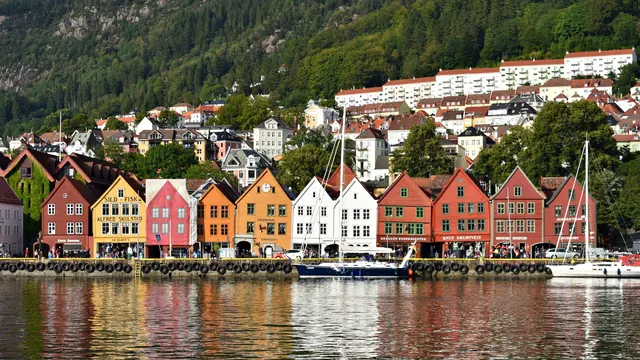
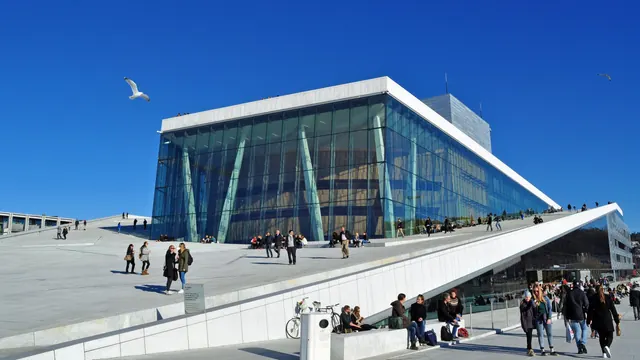
64Norway's heritage is spread out and on a modest scale, but it is very distinctive. Oslo has the best concentration. On the Bygdøy peninsula you'll find the open-air Norsk Folkemuseum and the polar ship Fram. In the centre are the National Museum, the Munch museum on the waterfront, the Akershus Fortress and the marble Opera House, a modern landmark you can walk across. Bergen's Bryggen, a row of wooden Hanseatic warehouses on the harbour, is the country's best-known historic townscape.
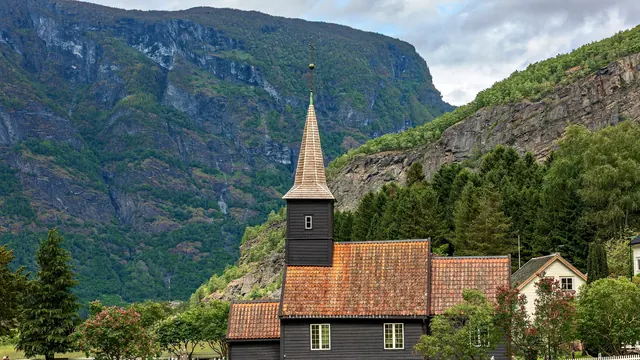
Outside the cities, the medieval stave churches stand out most: Urnes, Borgund and Heddal are tarred wooden buildings found nowhere else. Trondheim has Nidaros Cathedral, the great Gothic pilgrimage church of the north. The copper-mining town of Røros is intact and built of timber. Alta's rock carvings are a separate trip far to the north.
Where: Oslo, Bergen, Trondheim, Røros
Our top destinations in Norway
Nightlife
37Going out in Norway mostly means Oslo. Grünerløkka and the streets around Youngstorget have cocktail bars, craft beer pubs and a few clubs that stay busy on Friday and Saturday nights. Bars generally close around three in the morning. Bergen and Trondheim are student cities and have lively pub streets during term, and Tromsø is surprisingly busy for its size during the long winter nights.
Elsewhere, evenings are short. Drinks are very expensive, so many locals start at home and go out late, and midweek nights are quiet even in the cities. In fjord villages and mountain areas, the night out ends after dinner.
Where: Oslo, Bergen, Trondheim, Tromsø
Our top destinations in Norway
Nature & outdoors
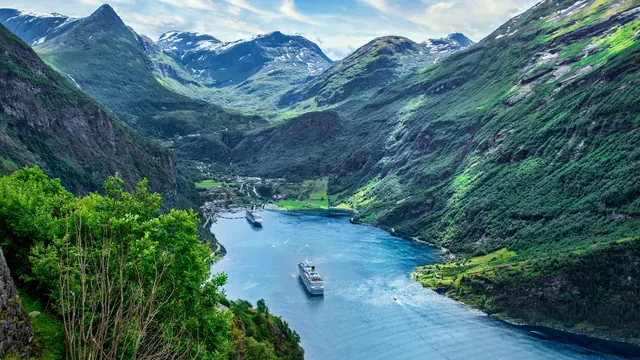
97This is Norway's great strength, and it runs the length of the country. In the western fjords, around Geiranger, Nærøyfjord and Hardanger, sheer walls fall into deep green water, waterfalls hang off the cliffs and orchards line the shores. The classic hikes are found here: Preikestolen above the Lysefjord, Trolltunga and Kjeragbolten. You can kayak on the fjords or ride the Flåm Railway down from the high plateau. Inland, Jotunheimen and Rondane have proper mountain walking between staffed huts, with glaciers at Jostedalsbreen.
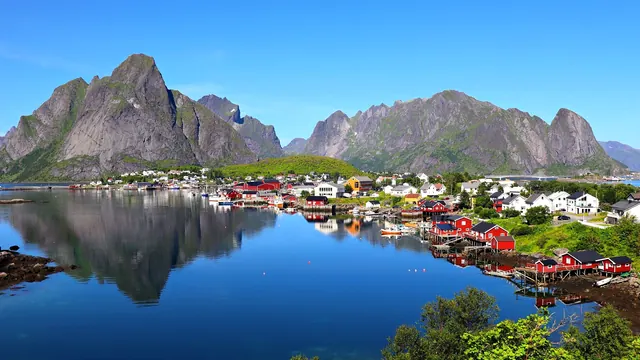
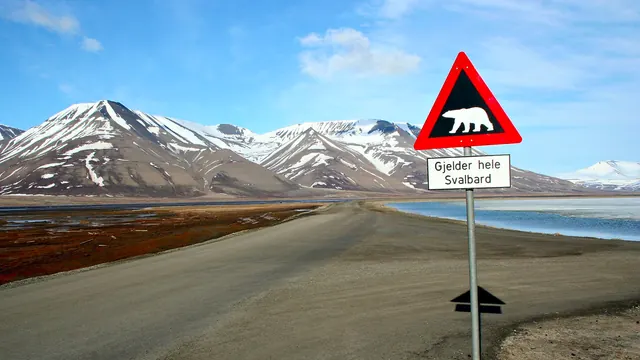
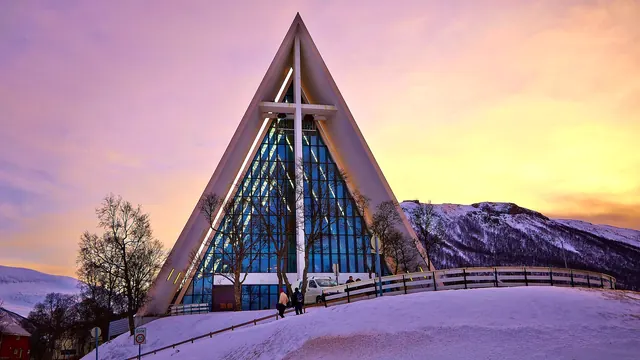
In the north, Lofoten's peaks rise straight out of the sea above fishing villages. From Tromsø you can see whales in early winter, and the northern lights from about September to March. Summer brings midnight sun and long hiking days. Winter brings cross-country skiing almost everywhere.
Where: Western fjords, Lofoten, Jotunheimen, Tromsø and the Arctic north
Our top destinations in Norway
Day trips
45Most day trips in Norway head into scenery, not to other towns. That leaves the list of places to visit for a day fairly short. From Oslo, the best is the fortified old town of Fredrikstad, about an hour south by train. Other options include the small wooden harbour town of Drøbak on the Oslofjord, Tønsberg with its Viking-age history, and Lillehammer about two hours north, with the open-air museum at Maihaugen.
From Bergen, you can take a train to Voss or a boat to villages on the Hardanger and Sogne fjords, but the reason to go is the setting rather than the towns. From Trondheim, Røros is just within reach. In the north, the distances make anything beyond the nearest island an expedition.
Where: Oslo, Bergen, Trondheim
Our top destinations in Norway
Good for families
70Norway is one of the easiest places anywhere to travel with children. It is safe and clean, and the culture is built around family time outdoors, with prams on trails and children welcome everywhere. In the south, Kristiansand has the country's main family attraction, a large zoo combined with an amusement park. Near Oslo there is a big theme park, along with hands-on museums such as the Technical Museum and the Kon-Tiki and Fram museums on Bygdøy. Lillehammer has a family park and the Olympic sites, and Bergen has a well-loved aquarium.
Beyond these, the family offer is the outdoors: easy hut hikes, fishing, boat trips and summer evenings that never get dark. Long drives between fjords and high costs are the drawbacks.
Where: Kristiansand, Oslo, Lillehammer, Bergen
Our top destinations in Norway
Getting around
63Oslo is easy to get around without a car. It has a compact centre, metro, trams and harbour ferries on one ticket, and a fast airport train. Bergen and Trondheim are small enough to walk. Between cities, the railway lines to Bergen, Trondheim and Stavanger are scenic but slow. Domestic flights are the usual way to reach Tromsø, Lofoten and the north.
Along the Norwegian coast, the coastal express ships call at dozens of ports from Bergen to the far north, making the sea itself a route between towns. Fjord country inland from the coast is harder. Buses and boats reach the main villages, but you usually need a car to explore freely. Roads are good but narrow and winding, ferry crossings are part of most routes, and in winter mountain passes can close. Expect long journey times rather than long distances.
Where: Oslo, Bergen, Trondheim, Norwegian coast
Our top destinations in Norway
Shopping & style
38Shopping is a minor part of a Norwegian trip, and it mostly happens in Oslo. Karl Johans gate is the main street. Bogstadveien and Hegdehaugsveien have Scandinavian fashion and homeware, and Grünerløkka has vintage and independent design shops. The things worth taking home are Norwegian: patterned wool sweaters, pewter and silver, wooden kitchenware and serious outdoor clothing.
Bergen has a smaller version of this around Bryggen and the old centre, with crafts and knitwear. Elsewhere, shops mostly sell souvenirs and outdoor gear. Prices are high everywhere, but visitors who live outside the Nordic countries can reclaim part of the VAT on larger purchases.
Our top destinations in Norway
Affordability
12Norway is one of the most expensive countries anywhere to travel in, and there is no cheaper region to escape to. Restaurant meals, alcohol, hotels, guided tours and ferries all cost well above the European norm, in the cities and the fjord villages alike. Supermarket food, hotel breakfast buffets, cabins with kitchens and the right to camp wild on open land are how visitors keep costs down. Public transport in Oslo is fairly reasonable. Most museums charge for entry, and a summer trip with a car, ferries and tolls adds up quickly.
Our top destinations in Norway
Live music & performing arts
52The formal arts in Norway centre on Oslo and Bergen. Oslo's Opera House on the harbour is home to the national opera and ballet. The Oslo Philharmonic plays in the Konserthus, and the National Theatre is the natural place to see Ibsen. Bergen has one of the world's oldest orchestras, based at the Grieghallen, and in summer there are recitals at Troldhaugen, Grieg's lakeside home.
The festival calendar adds most to a visit. There is the Bergen International Festival in late spring, the long-running Molde jazz festival in July, and large summer music festivals in Oslo. Outside these cities and seasons, there is little live performance a visitor would plan around.
Our top destinations in Norway
Wellness & relaxation
42Norway has no thermal springs or historic bathhouses. Its bathing culture is sauna and cold water. In Oslo, floating saunas on the harbour let you move between the heat and the fjord, and many locals swim all year. Across the country there are wood-fired saunas at lakeside cabins. Mountain and fjord hotels have spas, some in beautiful settings, but they are hotel facilities rather than a tradition you can visit on its own.
The country's real restorative strength is its pace. In the western fjords, a village where the ferry is the event of the day and old wooden hotels overlook the water suits visitors who want quiet more than treatments. In Lofoten, a stay in a fishermen's cabin over the sea, with seaside saunas and the endless light of the northern summer, is a calm, slow trip, though a separate one far to the north.
Where: Oslo, Western fjords, Lofoten
Our top destinations in Norway
When should you go?
Norway has no single climate. Its months are measured at Oslo, Bergen and Tromso; pick one to see it. The figures are measured averages, not a forecast.
Where in Norway
Oslo in July
Daytime high, °C
Rainfall in the month, mm
Temperature and rainfall are climate normals, averaged over the years shown. Oslo: 1991-2020 normals, Oslo-Blindern (4.3 km from centre).
Compare Norway with
Every comparison with a written verdict behind it.
Our destinations in Norway
Every place in Norway with its own page: its twelve scores, its texts and its months.