Salalah
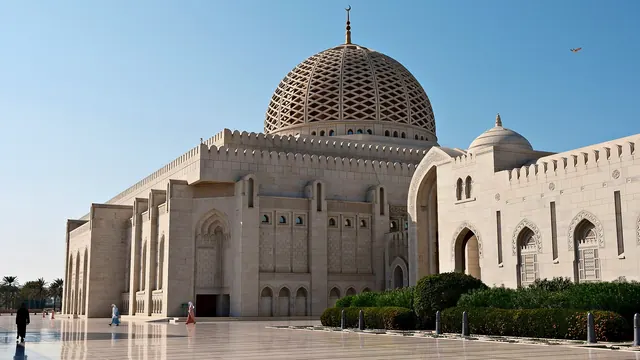
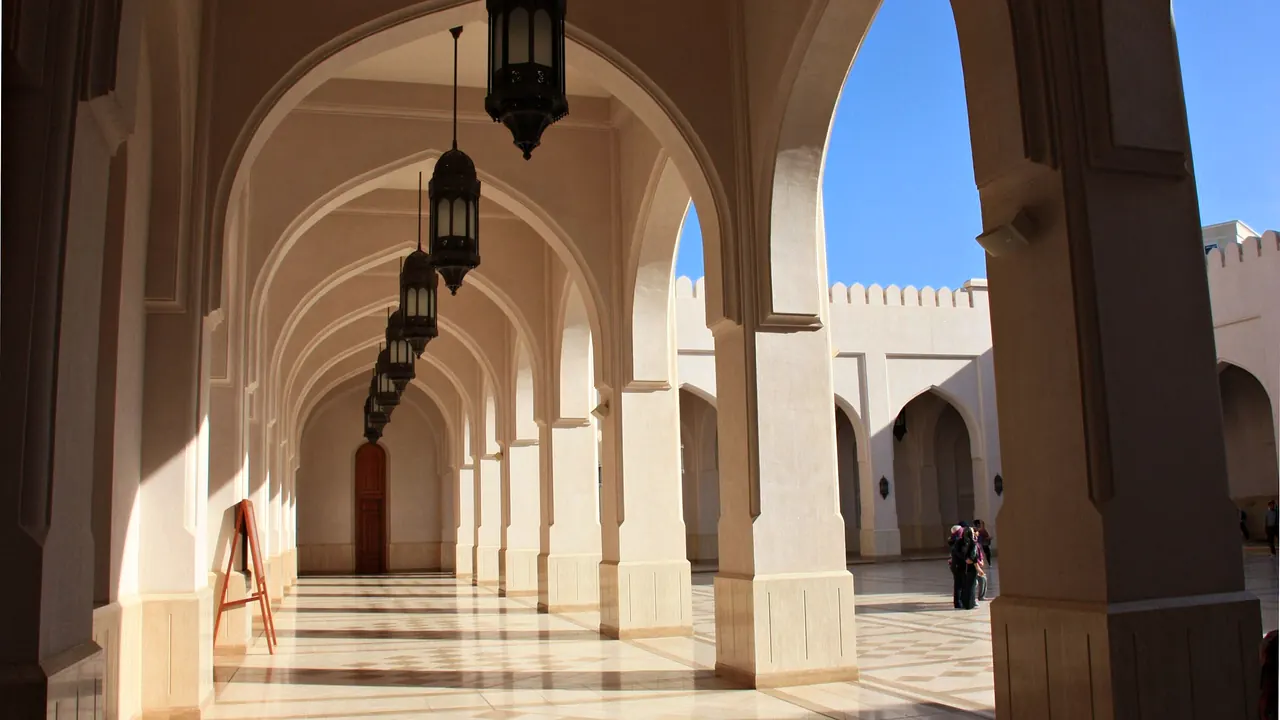
A colonnade hung with lanterns at the Sultan Qaboos Mosque in Salalah
- Nature & outdoors70
- Beaches68
- Affordability55
Match
37
Every category weighted equally
- Beach & sun43
- Culture & arts31
- Food & nightlife28
- Family trip44
- Outdoors47
- Relax & unwind43
- Shopping & style30
- On a budget39
Salalah in twelve categories
Our verdict on each, scored 0 to 100 against the same fixed benchmark cities, so a score means the same thing on every page.
Beaches & swimming. Scores 68 out of 100.
Food & drink. Scores 33 out of 100.
Culture & sights. Scores 35 out of 100.
Nightlife. Scores 6 out of 100.
Nature & outdoors. Scores 70 out of 100.
Day trips. Scores 48 out of 100.
Good for families. Scores 42 out of 100.
Getting around. Scores 15 out of 100.
Shopping & style. Scores 25 out of 100.
Affordability. Scores 55 out of 100.
Live music & performing arts. Scores 8 out of 100.
Wellness & relaxation. Scores 40 out of 100.
Salalah category by category
Beaches & swimming
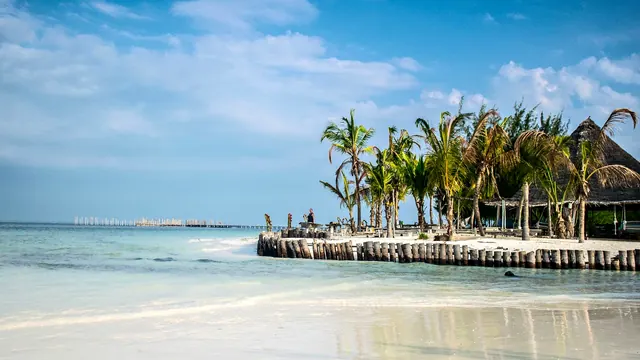
68Salalah has a long, almost empty coast of pale sand on the Arabian Sea. Haffa beach runs along the town itself under coconut palms, the resort strips at Hawana and Al Muntazah east of the centre have calmer, managed stretches, and further out are the wide bays of Taqah and Mirbat and the cliff-backed coves of Al Fazayah to the west. From October to May the water is warm, around 25-26°C, and the beaches are rarely crowded.
The catch is the khareef, the summer monsoon from roughly June to September, when heavy swell and strong currents make swimming dangerous and many beaches are flagged shut. Even in the dry season some open beaches have a strong undertow, so the resort beaches are the easy choice. Outside the hotels, beach life is relaxed and local rather than a scene, and modest dress is expected on public sand.
Food & drink
33Eating in Salalah is simple and often good, but there is not much range. Local restaurants serve mandi and madhbi, rice with goat or chicken cooked in pits or on hot stones, alongside grilled fish, Omani shuwa at festivals and a strong layer of South Indian and Yemeni cooking that reflects who lives and works here. Along the road west of the centre, stalls sell fresh coconuts, bananas and papayas from the plantations that ring the town, which is one of the pleasures of a stay.
Coffee with dates and cardamom is part of every welcome. Fine dining is limited to the resort hotels, and alcohol is served only there.
Culture & sights
35The city's main sight is Al Baleed, the excavated remains of a medieval port on the shore that forms part of the UNESCO-listed Land of Frankincense, with the Museum of the Frankincense Land beside it explaining the incense and maritime trade that made Dhofar rich. The Sultan Qaboos Mosque and the old Haffa quarter, with its souq and a few surviving merchant houses, round out a short list.
Most of the region's heritage lies outside town, in the old ports, castles and tombs along the coast and in the mountains. Within Salalah itself, a day covers what there is to see.
Nightlife
6There is essentially no nightlife in the usual sense. Alcohol is served only in a few resort and hotel bars, and evenings in town mean late dinners, shisha cafés and families strolling along the corniche or the beach. During the khareef season the town is livelier after dark, but with festival crowds and food stalls rather than bars.
Nature & outdoors
70Salalah sits on a narrow coastal plain under the Dhofar mountains, a landscape unlike anywhere else in Arabia. During the khareef from about June to September, mist and drizzle turn the hills a startling green, waterfalls run at Wadi Darbat and camels and cattle graze cloud-covered slopes. In the cooler dry months the hills turn golden and the skies clear, which suits driving and walking far better.
West of town, the road to Mughsail passes sea cliffs and blowholes that throw spray high into the air, and the coves around Al Fazayah are good for snorkelling. Inland lie baobab groves, the springs at Ain Razat and Ain Athum, the frankincense trees of Wadi Dawkah and, about two hours north, the dunes on the edge of the Empty Quarter. Lagoons along the coast draw flamingos and migrating birds. Almost all of it needs a car.
Day trips
48The best outings follow the old frankincense trade. East along the coast, the ruins of Sumhuram above the lagoon at Khor Rori, the fort at Taqah and the fishing town of Mirbat, with its castle and crumbling merchant houses, make an easy day within about an hour. In the hills, the tomb of the prophet Job sits on a quiet ridge, and the frankincense groves of Wadi Dawkah lie on the way north to Shisr, the ruins identified with the lost city of Ubar, about two hours away.
These are small, atmospheric places rather than towns to spend a day in, and the list ends there. Several of them can be combined in one drive.
Good for families
42Salalah is calm, safe and welcoming to children, and Omani families are everywhere, especially in the khareef season when the region fills with visitors from the Gulf. Resort hotels with pools and sheltered beaches make a winter stay easy, and children tend to enjoy the camels on the roads, the blowholes at Mughsail and paddling at Wadi Darbat.
What is missing is anything made for them: there are no zoos, aquariums or theme parks of note, and every outing involves a drive. Swimming on open beaches needs care because of currents.
Getting around
15Salalah is a spread-out town built for driving, and a hire car is close to essential. Public buses are few and of little use to a visitor, so the alternatives are taxis, hotel transfers and organised tours. Roads are good and traffic is light, which makes self-driving along the coast and into the mountains straightforward, though mist and wandering camels slow the hill roads in the monsoon months. Walking is limited to the corniche and the area around the Haffa souq.
Shopping & style
25The one shopping experience worth seeking out is the Haffa souq, where stalls sell grades of Dhofari frankincense, clay burners, bakhoor, attar perfumes, silver and Omani textiles. Frankincense from here is the classic souvenir, and sellers are happy to explain the grades. Beyond that, a couple of modern malls cover everyday needs, and there is no fashion or design shopping to speak of.
Affordability
55Salalah is moderately priced. Eating in local Omani, Yemeni and Indian restaurants is cheap, fuel costs little, and most sights are free or nearly so. The costs come from rooms, especially at the beach resorts, and from the hire car that a visit almost requires. During the khareef season, when visitors from across the Gulf arrive, hotels fill and rates climb well above the winter level.
Live music & performing arts
8There is no theatre, concert hall or live music scene to speak of. Traditional Dhofari music and dance appear at weddings, national celebrations and the summer khareef festival, when stages and folk performances are put on for visitors, but outside those occasions there is little to attend.
Wellness & relaxation
40Salalah has no bathing culture of its own, and spa treatments mean the resort hotels, some of which offer Ayurvedic and Arabian-style massage with frankincense oils. What it does offer is a slow pace: quiet roads, empty corniches, long warm evenings in winter and resorts built around doing very little. It suits travellers who want a restful week of sun and calm rather than a wellness destination in its own right.
When should you go?
Pick a month to see what it is like. The climate figures are measured averages, not a forecast.
Salalah in July
Daytime high, °C
Rainfall in the month, mm
The whole year
Shaded against this destination’s own year: the deepest cell is its best month for that figure and the palest its weakest.
Temperature and rainfall are climate normals, averaged over the years shown. Salalah: 1991-2020 normals, Salalah (1.7 km from centre).
Before you go
| Measure | Salalah |
|---|---|
| Official language | Arabic |
| Currency | Rial Omani (OMR) |
| Sockets | CG240 V, 50 Hz |
| Driving side | Right |
| Time zone | UTC+4 |
| Emergency number | 968 |
| Elevation | 18 m |
| Main airport | Salalah International Airport (SLL)2 km from centre18 non-stop destinations |
By the numbers
| Measure | Salalah |
|---|---|
| Population | 331,949 |
| Museums within 10 km | 1 |
| UNESCO World Heritage sites within 50 km | 1 |
| Swim season, months above 21 °C | 12 months |
Compare Salalah with
Every comparison with a written verdict behind it.