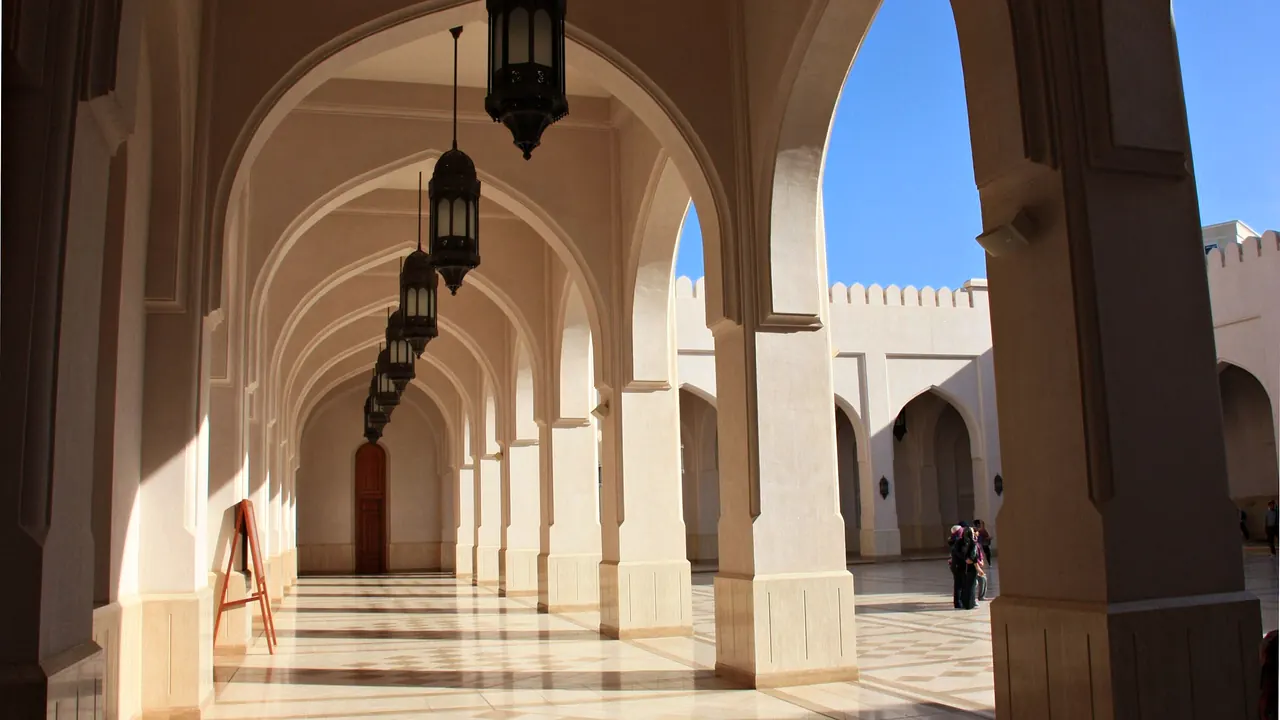
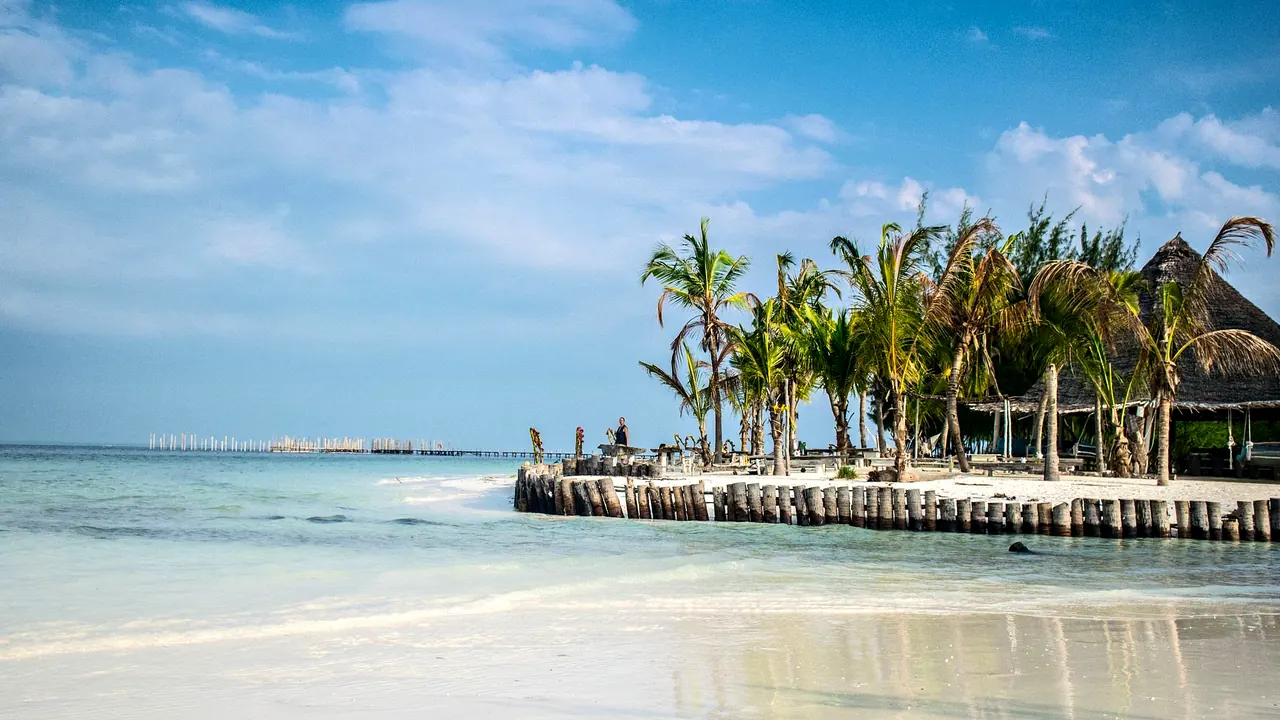
Photos: Salalah by Rrburke, CC BY 4.0, cropped; Zanzibar by Ákos Helgert, Pexels License.
Salalah or Zanzibar?
Our verdict in twelve categories, each scored against the same fixed benchmark cities, and the climate month by month, so you can choose for your trip.
Choose Salalah for
- nature and the outdoors
- day trips
Salalah suits a traveller who wants a quiet winter of sun and is happy to spend it behind the wheel. Its real strengths are on land: the Dhofar mountains, the cliffs and blowholes west of town, and the old frankincense ports and ruins along the coast. The price is that nearly all of it depends on a hire car, because the town is too spread out to walk and the buses are of little use. You also give up a varied table and any real evening life.
Choose Zanzibar for
- nightlife
- culture and sights
- live music and the arts
When the beach is the point of the vacation and you want more around it, Zanzibar is the better pick. The sand and swimming in the north are better, Stone Town is a historic old town you can explore on foot, and the food, music and beach bars give your evenings some shape. The catch is the long rains of April and May, along with the malaria precautions and limited medical care that come with the island.
Scoreboard
Twelve categories on one fixed scale from 0 to 100. The shaded stretch is the gap between the two.
Your match
Pick a travel style or drag the sliders, and both match scores follow your weighting.
Wins on nature and the outdoors and day trips with your weighting.
Wins on nightlife and culture and sights with your weighting.
What matters to you?
Category by category
What the scores mean for a trip.
Beaches & swimming
Zanzibar is the stronger beach destination. Its powder-white coral sand and year-round warm water are the main reason people visit, and in the north, at Kendwa and Nungwi, you can swim at any tide. The east coast around Paje and Jambiani is lovely but tidal, so plan swims there around the tide table.
Salalah has a long stretch of pale sand that is almost always empty, from the palm-lined beach at Haffa to the bays of Taqah and Mirbat. The khareef closes many beaches from June to September, though, and undertow means the managed resort stretches at Hawana and Al Muntazah are the safer choice even in winter. On public sand you are expected to dress modestly.
Food & drink
The two kitchens are related, since Omani rule left its mark on Zanzibar's spiced pilau and biryani. Zanzibar has far more to eat, though. Swahili coconut fish curries, octopus, urojo and Zanzibar pizza from the Forodhani Gardens night market make eating a real part of a stay, at least in Stone Town.
In Salalah you eat simply and often well: mandi and madhbi cooked in pits or on hot stones, grilled fish, and Yemeni and South Indian cafés. The roadside coconuts and papayas from the plantations are a highlight, but the range is narrow, and you can only get a drink in the resort hotels.
Culture & sights
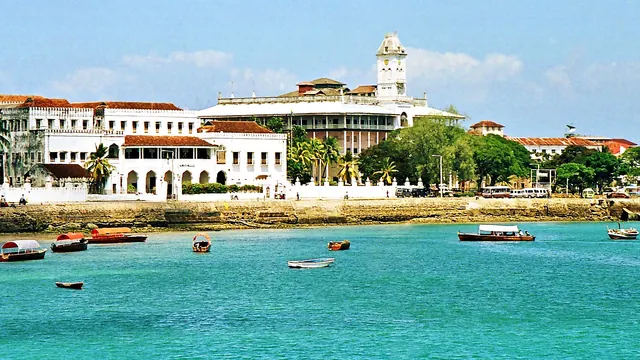
Zanzibar has far more culture to see, and most of it is a walk through Stone Town. You will find carved doors, mosques and Hindu temples, the Old Fort, the Palace Museum of the Omani sultans, and the cathedral built over the last open slave market in East Africa. Ruined palaces and the Persian baths outside town add a little more.
Salalah's story is older and more specialised. Al Baleed and the Museum of the Frankincense Land beside it explain the incense trade that made Dhofar rich, and the Haffa souq and the Sultan Qaboos Mosque round out the town. You can see it all in a day, and the best heritage is out along the coast.
Nightlife
Salalah has almost nothing in the way of nightlife. Evenings are late dinners, shisha cafés and families strolling along the corniche, with drinks only in a few hotel bars. The khareef festival livens things up with food stalls and crowds, not bars.
Zanzibar is no party island either, but it gives you somewhere to go. Nungwi and Kendwa have beach bars, bonfires and a well-known full-moon party, Paje has a relaxed kitesurfers' scene, and Stone Town's rooftops are good for a drink at sunset. Expect most places to be quiet by midnight.
Nature & outdoors
Salalah has the more striking landscape. The Dhofar mountains turn green and misty in the khareef, with waterfalls at Wadi Darbat, and in the dry months they go golden under clear skies. West of town are the cliffs and blowholes at Mughsail, inland are baobab groves, springs and frankincense trees, and the dunes of the Empty Quarter lie further north. Nearly all of it needs a car.
Zanzibar is flat coral, so its best nature is offshore. You can snorkel and dive with turtles on the reef around Mnemba, take boats out from Kizimkazi to look for dolphins, see red colobus monkeys up close in Jozani Forest, and kitesurf on the east coast lagoon.
Day trips
Salalah has the better day trips, all along the old frankincense trail. To the east are Sumhuram above the lagoon at Khor Rori, the fort at Taqah and the castle at Mirbat. Inland are the tomb of Job, the groves of Wadi Dawkah and the Ubar ruins at Shisr. They are small places, but you can link several in one drive.
Zanzibar's outings are short and gentle: the giant tortoises on Changuu, a swim on a sandbank, a spice farm lunch, and Stone Town itself if you are staying on a beach. Dar es Salaam and Pemba are better done with a night away.
Good for families
For children the two are about equal. Both work as a resort stay with a pool, and neither has zoos, aquariums or theme parks. What differs is the practical side. Salalah is calm and easy, with camels on the roads, blowholes and paddling at Wadi Darbat, but every outing is a drive and the open beaches have strong currents.
Zanzibar has better swimming for small children at Kendwa, plus the tortoises, monkeys and turtles. On the other hand you need malaria precautions, medical care is limited, and the long road transfers can tire young children out.
Getting around
Neither is easy without help, but Zanzibar is easier. Stone Town is a maze of lanes best explored on foot, and the beach villages are small enough to walk along the sand. Taxis and hotel transfers cover the hour or so between them, and dala-dalas are a slow, cheap alternative.
Salalah is built for cars, and a hire car is close to essential because buses are of little use. The upside is good roads and light traffic, which make driving along the coast and into the hills easy, though in the monsoon mist and wandering camels slow the mountain roads.
Shopping & style
Each place has one market worth your time, and Zanzibar's offers a bit more. Darajani market and the lanes of Stone Town sell spices by the bag, kanga and kikoi cloth, Tingatinga paintings, carved chests and tanzanite, though stock repeats from stall to stall and you will need to haggle.
Salalah's Haffa souq is more focused. Frankincense in its different grades, clay burners, bakhoor and attar make souvenirs you will not find elsewhere, and sellers will happily explain them. Neither place has fashion shopping.
Affordability
Overall the two cost about the same, but the money goes in different places. In Salalah the food, fuel and sights are cheap, while the resort rooms and the hire car you almost need are the big costs, and hotel rates climb in the khareef.
Zanzibar's cost depends on where you stay. Stone Town guesthouses, street food and the simple bungalows around Paje are cheap. Northern resorts, diving, boat trips and taxis add up quickly, especially around Christmas and in July and August.
Live music & performing arts
Zanzibar has a living musical tradition you can actually hear. Taarab, a blend of Swahili poetry with Arabic and Indian melody, is rehearsed and performed in Stone Town, and the dry season brings festivals of East African music and film. Away from the old town, most music is hotel drumming and beach bands.
Salalah has no theatre or concert scene. Dhofari music and dance appear at weddings, national celebrations and the khareef festival, so you would only see them if your visit happens to coincide.
Wellness & relaxation
Zanzibar is the more restful choice. Days in the beach villages run to the tide and the call to prayer, resort spas use coconut oil and local spices, and yoga is easy to find around Paje and Jambiani. Its Persian baths survive only as ruins.
Salalah offers calm more than wellness: quiet roads, empty corniches and resorts designed for doing nothing, with massages using frankincense oil in the hotel spas. It suits a lazy week in the sun rather than a trip planned around treatments.
When should you go?
Pick your month. The climate figures are measured averages, not a forecast.
Salalah in July
Zanzibar in July
Daytime high, °C
Rainfall in the month, mm
Where the figures come from
Zanzibar's temperatures are measured 78 km from the centre, at Dar Es Salaam Airport.
Zanzibar has no rain gauge within 25 km of the centre, so its rainfall comes from a gridded climate dataset read at the destination rather than from a gauge further away.
Temperature and rainfall are climate normals, averaged over the years shown. Salalah: 1991-2020 normals, Salalah (1.7 km from centre). Zanzibar: 1991-2020 normals, Dar Es Salaam Airport (77.9 km from centre).
Salalah is at its best from October to April, when it is dry and sunny with highs around 30°C. The sea is warm and calm enough for the resort beaches, and the evenings are pleasant for the corniche. May gets hotter. Then from June to September the khareef sets in. Rainfall stays low in the figures, but the sun all but vanishes, down to about 49 hours in August, the sea turns rough and many beaches close. Those are the months for misty green hills and waterfalls, not for swimming.
Zanzibar is hot all year where most visitors stay, and its sea never drops below 26°C. Rain is what decides the timing. The long rains peak in April at 363mm and carry on into May, and November and December bring a shorter wet spell. The driest, sunniest stretch runs from June to October, exactly when Salalah is under cloud, so the two make good opposites: Salalah in the northern winter, Zanzibar in the northern summer, with January and February working reasonably well for both.
Which traveller are you?
On a beach and sun trip, Zanzibar is the stronger choice. Kendwa and Nungwi offer white coral sand and water you can swim in at any tide, the sea stays warm all year, and the beaches have bars and dhow sunsets around them. Salalah's sand is emptier but more restricted.
For an outdoors trip, choose Salalah. With a hire car you can reach mountains that turn green in the monsoon, waterfalls at Wadi Darbat, sea cliffs and blowholes at Mughsail, frankincense groves and the edge of the Empty Quarter. Zanzibar's outdoors is mostly reef, forest and kitesurfing.
On a food and nightlife trip, Zanzibar wins easily. Forodhani's evening food stalls, Swahili curries and seafood, and rooftop sundowners, beach bonfires and full-moon parties up north are worth planning around. Salalah's evenings mean grilled fish, mandi and a stroll along the corniche, and little after that.
Before you go
| Measure | Salalah | Zanzibar |
|---|---|---|
| Official language | Arabic | English, Swahili |
| Currency | Rial Omani (OMR) | Tanzanian Shilling (TZS) |
| Sockets | CG240 V, 50 Hz | G230 V, 50 Hz |
| Driving side | Right | Left |
| Time zone | UTC+4 | UTC+3 |
| Emergency number | 968 | Police 112, ambulance 115, fire 114 |
| Elevation | 18 m | - |
| Main airport | Salalah International Airport (SLL)2 km from centre18 non-stop destinations | Abeid Amani Karume International Airport (ZNZ)40 non-stop destinations |
| Public holidays this year | - | 13 days |
By the numbers
| Measure | Salalah | Zanzibar |
|---|---|---|
| Population | 331,949 | 896,721 |
| People per km² | - | 569 |
| Museums within 10 km | 1 | - |
| UNESCO World Heritage sites within 50 km | 1 | - |
| Swim season, months above 21 °C | 12 months | 12 months |
Where else could you go?
Every comparison below shares a destination with this one, so you can follow Salalah or Zanzibar somewhere new.
- Dar es Salaamvs Zanzibar
- Dianivs Zanzibar
- Mombasavs Zanzibar
- Ngorongorovs Zanzibar
- Serengetivs Zanzibar
- Moronivs Zanzibar