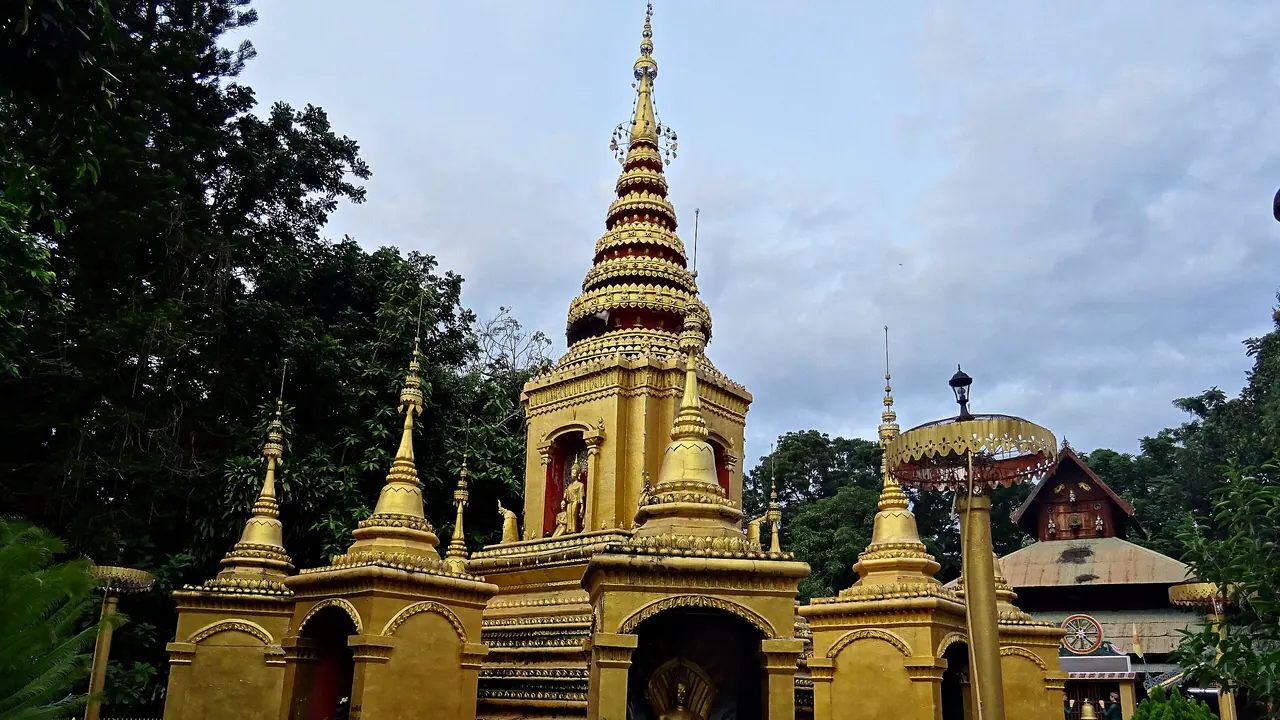
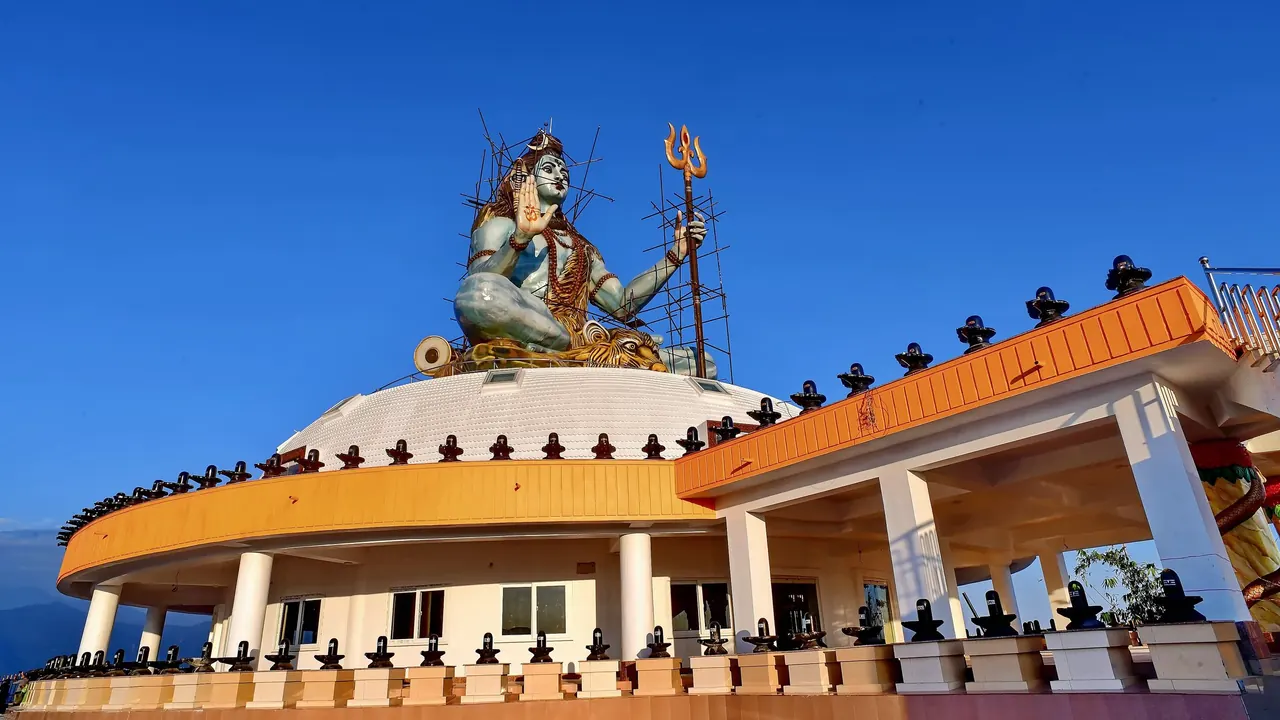
Photos: Pai by Christophe95, CC BY-SA 4.0, cropped; Pokhara by Rajesh Dhungana, CC BY-SA 4.0, cropped.
Pai or Pokhara?
Our verdict in twelve categories, each scored against the same fixed benchmark cities, and the climate month by month, so you can choose for your trip.
Choose Pai for
- wellness
- live music and the arts
- nightlife
Pai suits the traveller who wants to slow right down for a while. You get hot springs, cheap massage, yoga retreats and rice-field views from a scooter, then evenings of reggae bars and open-stage jam sessions. The scenery is gentle rather than grand, and the town is better for a long stay with no fixed plans than for a full itinerary.
Choose Pokhara for
- nature and the outdoors
- getting around
- culture and sights
Choose Pokhara if the mountains are the point. The Annapurna range stands over Phewa Lake, paragliders launch from Sarangkot and the trailheads for Poon Hill and Annapurna Base Camp are a short drive away. That makes it a base for active days and a comfortable place to recover after a trek. It also has a little more to see, a flat lakeside strip you can walk, and Bandipur within reach for a day out.
Scoreboard
Twelve categories on one fixed scale from 0 to 100. The shaded stretch is the gap between the two.
Your match
Pick a travel style or drag the sliders, and both match scores follow your weighting.
Wins on wellness and live music and the arts with your weighting.
Wins on nature and the outdoors and getting around with your weighting.
What matters to you?
Category by category
What the scores mean for a trip.
Beaches & swimming
Neither town offers any beach time, since both lie far inland, but the swimming they do have is different. Pai has river dips, waterfall pools such as Mo Paeng and lazy inner-tube floats in the hot season. In Pokhara, Phewa Lake is for boating rather than swimming, so a hotel pool or a quiet shore of Begnas Lake is the better bet.
Food & drink
Both towns eat cheaply and pleasantly but without much depth, and neither has fine dining. Pai's strength is its evening walking street, with khao soi, grilled skewers and Shan dishes, plus vegan cafés for long-staying travellers and the Yunnanese noodles of Santichon.
Pokhara's Lakeside menus are built for hungry trekkers, and the meals worth looking for are Nepali: Thakali dal bhat with refills, momos and buffalo sekuwa grilled over charcoal. Its bakeries also do a slow breakfast with a mountain view and coffee grown in Nepal.
Culture & sights
Pokhara has more to fill a sightseeing day, though neither town is a culture destination. Tal Barahi temple on its island in the lake, the World Peace Pagoda on the ridge, the International Mountain Museum and the Gurkha Museum are enough for a couple of days.
Pai's sights take about half a day: the white Buddha of Wat Phra That Mae Yen at sunset, a few small Shan temples, the old iron bridge from the war years and the mud-brick houses of Santichon. There are no museums worth seeking out.
Nightlife
Pai has the livelier evenings, which is surprising for a town its size. After the night market, reggae bars and bamboo gardens fill with backpackers who stayed longer than they meant to, and the odd party carries on outside town.
Pokhara's Lakeside is a gentler night out, with rooftop bars, long happy hours and trekkers celebrating a finished circuit. Both wind down around midnight and neither has proper clubs, so the difference is in the mood, not the size.
Nature & outdoors
Pai's valley is lovely in a gentle way: rice fields ringed by forested hills, the eroded ridges of Pai Canyon at sunset, mist pooling below the Yun Lai viewpoint and the river cave of Tham Lod with its swiftlets. You explore it by scooter, and its bigger outings, wet-season rafting and hill-tribe treks, stay on a modest scale.
Pokhara is on another level altogether. Machhapuchhre's fishtail summit and the white peaks of the Annapurna range, above 7,000m, rise straight over Phewa Lake, and pilots come from all over the world to paraglide on the thermals off the Sarangkot ridge. The trailheads for Poon Hill, Mardi Himal and Annapurna Base Camp are only an hour or two away by road.
Day trips
Both towns are remote, but Pokhara has one proper day out. Bandipur, a hilltop Newar town of brick houses with a car-free main street, is about two hours away, and Gurung villages such as Ghandruk can be reached with a drive and a walk.
From Pai, only Soppong and the Lahu and Lisu villages around it are an easy hour's ride away. Mae Hong Son and Chiang Mai are around three hours of hairpin bends, so they work as a change of base, not a day out.
Good for families
Neither town is built for children, and both work best for older children who like the outdoors. Pai has farm visits, hot springs, gentle tubing and a night market, but the road in makes many passengers sick, most sights need a scooter or driver, and its evenings lean towards backpackers.
Pokhara's lakeside is a little calmer for families. Traffic along the shore is light, rowing boats are easy to hire, and the mountain museum makes a good stop. Teenagers who meet the age and weight limits can try tandem paragliding.
Getting around
Pokhara is the easier town to get about. Lakeside is flat and compact, the shore road is good on foot or by rented bicycle, and taxis or hired drivers take you to Sarangkot, the caves and the trailheads.
Pai's centre is only a few streets, but the canyon, waterfalls and hot springs are spread across the valley and no public transport reaches them. Most people rent a scooter, which leads to many accidents among beginners on the hill roads.
Shopping & style
Pokhara's shopping has a purpose. Lakeside is lined with shops selling and renting trekking gear, and the craft shops carry pashmina, singing bowls and thangka paintings. The Tibetan settlements on the edge of town add carpets and jewellery, and you can visit the carpet workshops.
Pai's evening walking street is fun for loose cotton trousers, woven bags and hill-tribe textiles, but the same stock repeats from stall to stall. Neither town has boutiques or fashion streets.
Affordability
Both are among the cheapest places to stay for a while, and a long stay costs little in either. Where the money goes differs. In Pai, spending goes up only with a resort that has a pool or the high season around the turn of the year. In Pokhara the bigger costs are paragliding, guided treks and Annapurna permits.
Live music & performing arts
Pai has more live music. Most nights several bars put on acoustic sets and blues or jazz jams by local and travelling musicians. Pokhara mostly has cover bands playing rock standards, plus cultural dinner shows of Gurung and Magar dances staged for visitors. Neither town has a theatre or concert hall.
Wellness & relaxation
Pai is the more restful stay. Its natural hot springs, above all Tha Pai in its forest park, are something Pokhara does not have in town. Cheap Thai massage, yoga and detox retreats sit alongside hammocks and long afternoons with nothing planned.
Pokhara relaxes you in a different way, with slow lakeside mornings watching the cloud lift off the mountains. There are yoga retreats on the far shore and Ayurvedic massage aimed at trekkers' sore legs. Spas in both towns are mostly simple.
When should you go?
Pick your month. The climate figures are measured averages, not a forecast.
Pai in July
Pokhara in July
Daytime high, °C
Rainfall in the month, mm
Where the figures come from
Pai's temperatures are measured 64 km from the centre, at Mae Hong Son.
Pai's station stands 242 m below the city centre, so the centre is likely a little cooler than the figures say.
Pai has no rain gauge within 25 km of the centre, so its rainfall comes from a gridded climate dataset read at the city rather than from a gauge further away.
Pai's sunshine is measured 86 km from the centre, at Chiang Mai.
Pokhara has no weather station within reach, so its figures come from a gridded climate model rather than a measured record, and read a broad area rather than the city itself.
Temperature and rainfall are climate normals, averaged over the years shown. Pai: 1971-2000 (sunshine 1991-2020, rainfall 1991-2020) normals, Mae Hong Son (63.7 km from centre). Pokhara: 1991-2020 normals, TerraClimate 4 km grid at the town, no weather station within 90 km.
Pai is at its best from November to February, when the valley is dry and sunny and daytime highs sit around 30°C. In March and April it turns hot, close to 38°C, and smoke from field burning hides the hills. The rains start in May and are heaviest in August at about 230mm, with far fewer hours of sunshine. The tracks get muddy, but the river runs high enough for rafting.
Pokhara is cooler all year, with winter highs near 20°C that make walking around town pleasant. October and November are the classic window, dry and clear for the mountains. Spring is warm, with rhododendrons and some haze. The monsoon is far heavier than Pai's, peaking at about 674mm in July, and from June to September cloud can hide the peaks for days.
Which traveller are you?
For an outdoors trip, Pokhara is the clear choice. Sunrise at Sarangkot, paragliding over Phewa Lake, kayaking, and treks from a single night to the full route to Annapurna Base Camp give it a range that Pai's canyon walks and waterfall rides cannot match.
On a relaxing and wellness trip, Pai has the edge. You can soak in the Tha Pai hot springs on a cool morning, have a cheap Thai massage in town and join a yoga or meditation retreat. Pokhara's best-known springs lie far out on the trekking trails.
For a food and nightlife trip, Pai is the better of two modest options. The stalls on its walking street lead straight to reggae bars, gardens hung with fairy lights and live jam sessions. Pokhara's Lakeside evenings are quieter: cover bands and a drink after the trail.
Before you go
| Measure | Pai | Pokhara |
|---|---|---|
| Official language | Thai | Nepali |
| Currency | Baht (THB) | Nepalese Rupee (NPR) |
| Sockets | ABCF220 V, 50 Hz | CM230 V, 50 Hz |
| Driving side | Left | Left |
| Time zone | UTC+7 | UTC+5:45 |
| Emergency number | Police 191, ambulance 1669, fire 199 | Police 100, ambulance 102, fire 101 |
| Elevation | 509 m | 900 m |
| Main airport | Chiang Mai International Airport (CNX)86 km from centre28 non-stop destinations | Pokhara International Airport (PHH)4 km from centre9 non-stop destinations |
By the numbers
| Measure | Pai | Pokhara |
|---|---|---|
| City population | 3,598 | 353,841 |
| People per km² | - | 762 |
| Museums within 10 km | 0 | 2 |
| UNESCO World Heritage sites within 50 km | 0 | 0 |
Where else could you go?
Every comparison below shares a destination with this one, so you can follow Pai or Pokhara somewhere new.
- Chiang Maivs Pai
- Kathmanduvs Pokhara
- Chiang Raivs Pai
- Varanasivs Pokhara
- Luang Prabangvs Pai
- Darjeelingvs Pokhara