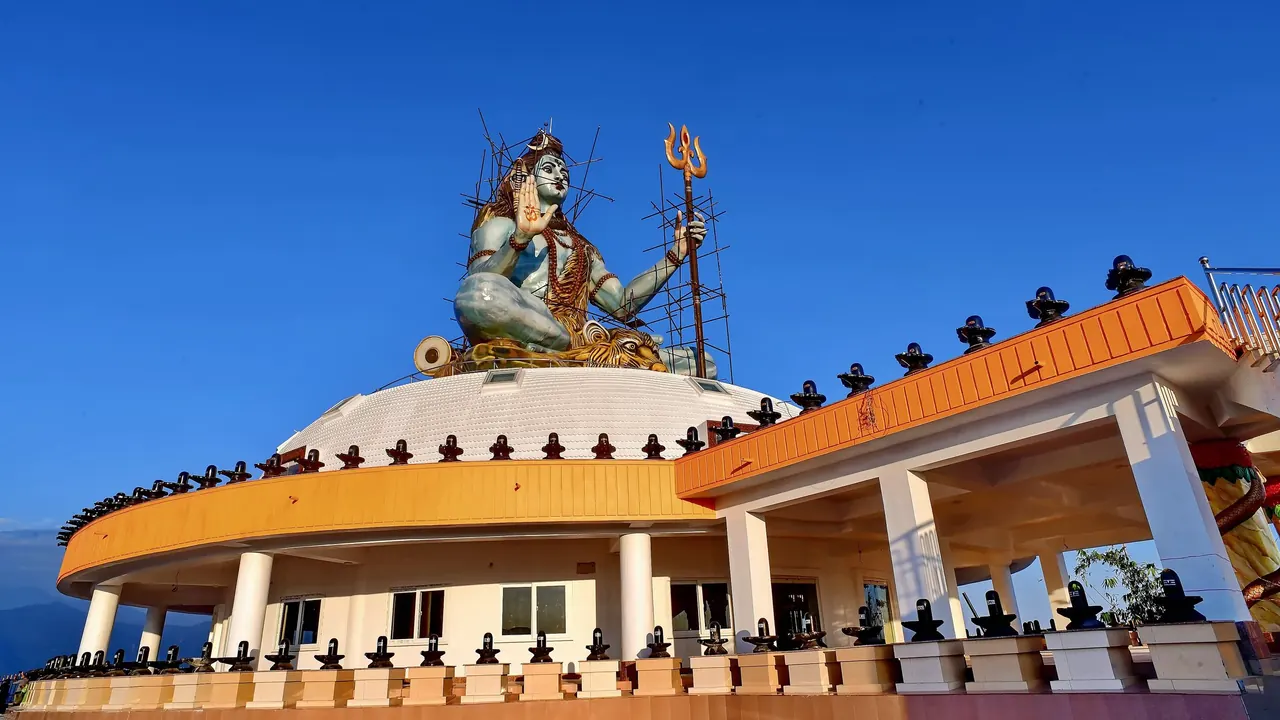
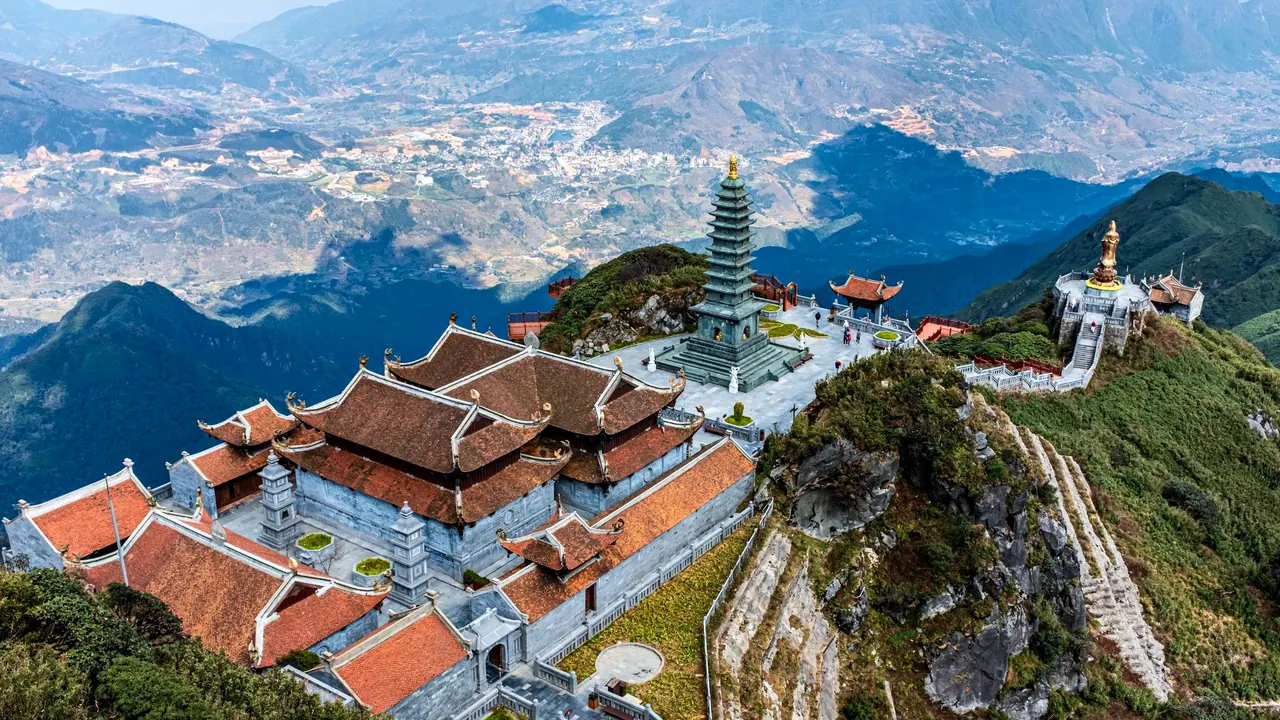
Photos: Pokhara by Rajesh Dhungana, CC BY-SA 4.0, cropped; Sapa by Kirandeep Singh Walia, Pexels License.
Pokhara or Sapa?
Our verdict in twelve categories, each scored against the same fixed benchmark cities, and the climate month by month, so you can choose for your trip.
Choose Pokhara for
- nightlife
- wellness
- getting around
Pokhara is the choice if you want the high Himalaya right in front of you and a comfortable base to come back to. The Annapurna peaks rise straight above Phewa Lake, and the treks, paragliding and Sarangkot sunrises are all close by. Lakeside then gives you a walkable strip of cafés, bars, yoga classes and massage, so the days off are as easy as the active ones. It suits trekkers, first-timers in the mountains and anyone who wants some company in the evening.
Choose Sapa for
- day trips
Sapa suits travellers who care more about the life in the valleys than about towering summits. You walk out of town through the Muong Hoa rice terraces to Hmong and Dao villages, sleep in homestays and catch the weekly hill markets such as Bac Ha. It is cooler and steeper than Pokhara, and the evenings are quieter. If you want walking, farming landscapes and contact with living highland cultures, Sapa repays the long journey up from Hanoi.
Scoreboard
Twelve categories on one fixed scale from 0 to 100. The shaded stretch is the gap between the two.
Your match
Pick a travel style or drag the sliders, and both match scores follow your weighting.
Wins on nightlife and wellness with your weighting.
Wins on day trips with your weighting.
What matters to you?
Category by category
What the scores mean for a trip.
Beaches & swimming
Neither town is a place to swim. Pokhara at least has a lake: you spend time out on Phewa in a painted rowing boat, and the odd swimmer heads to Begnas Lake for a dip. In Sapa the only water is cold, shallow streams and waterfalls, so a hotel pool is your only option in either town.
Food & drink
The food in the two towns is on a level, but the cooking is very different. In Pokhara the best meals are Thakali dal bhat with refills, momos and charcoal-grilled buffalo sekuwa. Lakeside's long menus cover hungry trekkers, and its bakeries do a slow breakfast with Nepali coffee and a mountain view.
Sapa's food is built for cold evenings. You get hotpots of salmon and sturgeon farmed in the mountain streams, skewers and bamboo-tube sticky rice from the grills by the lake, and Hmong thang co washed down with corn wine. Neither town has a fine-dining scene.
Culture & sights
The two are about even here, and in both a couple of days covers the sights. Pokhara's culture is in its monuments and museums: the island temple of Tal Barahi, the World Peace Pagoda on the ridge, and the Mountain and Gurkha museums.
Sapa's culture is in its people. Beyond the French-era stone church, you meet it by walking to Black Hmong, Red Dao and Giay villages to watch indigo dyeing and weaving. Go further than Cat Cat if you want daily life rather than a show.
Nightlife
Pokhara is clearly livelier after dark. Its rooftop and lakefront bars fill with trekkers celebrating, there are cover bands and long happy hours, and a couple of small dance bars keep going until about midnight.
Sapa's evenings are hotpot, a drink by the fire and the grill stalls by the lake. A few travellers' bars with pool tables are as far as it goes, and most people are asleep early before the next walk.
Nature & outdoors
Both are first-rate mountain bases, but Pokhara has the bigger scenery and more to do in it. Snow peaks above 7,000m stand over the lake, Sarangkot gives you sunrise and world-class paragliding, and the Annapurna trails start an hour or two away. Kayaking and mountain biking fill the other days.
Sapa's landscape is gentler and shaped by people. The Muong Hoa terraces step down the valley, and trails lead from the edge of town straight to the villages. Fansipan, Indochina's highest peak at 3,143m, can be climbed or reached by cable car. The terraces turn gold before the September harvest.
Day trips
Sapa has the better outings. The Sunday market at Bac Ha is a real highlight, with its Flower Hmong traders and an odd early 20th-century palace, and smaller markets such as Can Cau and Coc Ly have the same feel with fewer visitors.
From Pokhara, Bandipur's car-free Newar main street is the one easy day out, about two hours away. Gorkha and Tansen work better as overnight stops on the road to or from Kathmandu.
Good for families
Both towns suit older, active children better than toddlers, and neither has attractions built for children. With small children, Pokhara's flat lakeside, light traffic and easy rowing boats make it the gentler of the two. Teenagers can try tandem paragliding there.
Sapa's steep streets, mud and persistent vendors are harder with young children. Children who can walk, though, will remember the buffalo in the paddies, a night in a valley homestay and the cable car up Fansipan.
Getting around
Pokhara is the easier town to get around. Lakeside is flat and compact, so guesthouses, restaurants and jetties are a short walk or bike ride apart. For Sarangkot and the trailheads you take a taxi or rent a scooter.
Sapa's centre is small but steep, with uneven pavements. Apart from the short tram to the cable car, getting anywhere means a trekking trail, a hired driver or the back of a motorbike taxi. The town is also a long way from anywhere: five or six hours by road from Hanoi.
Shopping & style
The two are close, and the difference is in what you buy. Pokhara's shopping is practical, with Lakeside's trekking shops selling and renting gear. You will also find pashmina, singing bowls and Tibetan carpets from workshops in the refugee settlements that you can visit.
Sapa is all about textiles: indigo-dyed cloth, embroidery, brocade and silver from Hmong and Dao makers. Machine-made copies are common, and the sellers are more insistent here.
Affordability
Both are very cheap by any international standard, for rooms and for meals alike. In Pokhara the bigger spends are the activities: paragliding, guided treks and Annapurna permits.
In Sapa, guided village treks cost little, and the Fansipan cable car is the main splurge. Hotels in the busiest part of the centre charge a little more than in the lowlands, and you are expected to bargain at craft stalls.
Live music & performing arts
Neither town has theatre or a concert season, so the choice comes down to small things. Pokhara has cover bands in its bars and dinner shows of Gurung and Magar dances. Sapa has short performances of Hmong and Dao pan-pipe music and dance in the town square at weekends.
Wellness & relaxation
Pokhara is the more restful place to stay. Lakeside is slow and easy, yoga and meditation retreats line the far shore, and Nepali and Ayurvedic massage is everywhere. What it lacks is a bathing tradition, as the hot springs are far up the trails.
Sapa does have one: the Red Dao herbal bath, a hot soak in wooden tubs of forest plants, at Ta Phin and elsewhere. The calm, though, is in the valley homestays, not in the town, where traffic and selling make it hard to switch off.
When should you go?
Pick your month. The climate figures are measured averages, not a forecast.
Pokhara in July
Sapa in July
Daytime high, °C
Rainfall in the month, mm
Where the figures come from
Pokhara has no weather station within reach, so its figures come from a gridded climate model rather than a measured record, and read a broad area rather than the city itself.
Sapa has no weather station within reach, so its figures come from a gridded climate model rather than a measured record, and read a broad area rather than the city itself.
Temperature and rainfall are climate normals, averaged over the years shown. Pokhara: 1991-2020 normals, TerraClimate 4 km grid at the town, no weather station within 90 km. Sapa: 1991-2020 normals, TerraClimate 4 km grid at the town, no weather station within 90 km.
Both towns are at their best in October and November, when the monsoon has passed and the skies clear. Pokhara is still warm then and very dry, with only 6mm of rain in November, while Sapa is cool enough that you will want a jacket. Spring is also good for walking in both. Pokhara heats up from March, and Sapa stays pleasantly mild.
The big difference is temperature. Pokhara reaches 31°C in May and June, which makes midday walking hard work, while Sapa's summer highs stay in the mid-twenties. In winter it turns around: Pokhara stays mild, but Sapa drops to 15°C in January, and its fog and damp make the cold feel worse. Both have a heavy summer monsoon. Pokhara's is the fiercer of the two, with 674mm in July against Sapa's 433mm, and clouds hide the mountains in both for days at a time.
Which traveller are you?
On an outdoors trip, Pokhara edges ahead because of its range. Long Himalayan treks, paragliding, kayaking and mountain biking all start from one town, and you can hire gear on the strip. Sapa is mainly a place to walk, though its trails do start at the edge of town.
For a food and nightlife trip, Pokhara is the safer choice, because its evenings actually go somewhere. You can eat Nepali one night and something familiar the next, then stay out with other trekkers. Sapa eats well enough but goes quiet early.
On a culture and arts trip the two are close, so it depends on what you mean by culture. Pokhara offers temples and museums you can see in a day or two. Sapa suits those who would rather spend time with the people who live in the highlands, meeting them on foot in their own villages.
Before you go
| Measure | Pokhara | Sapa |
|---|---|---|
| Official language | Nepali | Vietnamese |
| Currency | Nepalese Rupee (NPR) | Dong (VND) |
| Sockets | CM230 V, 50 Hz | ACFG220 V, 50 Hz |
| Driving side | Left | Right |
| Time zone | UTC+5:45 | UTC+7 |
| Emergency number | Police 100, ambulance 102, fire 101 | Police 113, ambulance 115, fire 114 |
| Elevation | 900 m | 1,544 m |
| Main airport | Pokhara International Airport (PHH)4 km from centre9 non-stop destinations | Noi Bai International Airport (HAN)238 km from centre91 non-stop destinations |
By the numbers
| Measure | Pokhara | Sapa |
|---|---|---|
| City population | 353,841 | 70,663 |
| People per km² | 762 | 103 |
| Museums within 10 km | 2 | 0 |
| UNESCO World Heritage sites within 50 km | 0 | 0 |
Where else could you go?
Every comparison below shares a destination with this one, so you can follow Pokhara or Sapa somewhere new.
- Kathmanduvs Pokhara
- Hanoivs Sapa
- Luang Prabangvs Sapa
- Varanasivs Pokhara
- Ha Longvs Sapa
- Darjeelingvs Pokhara