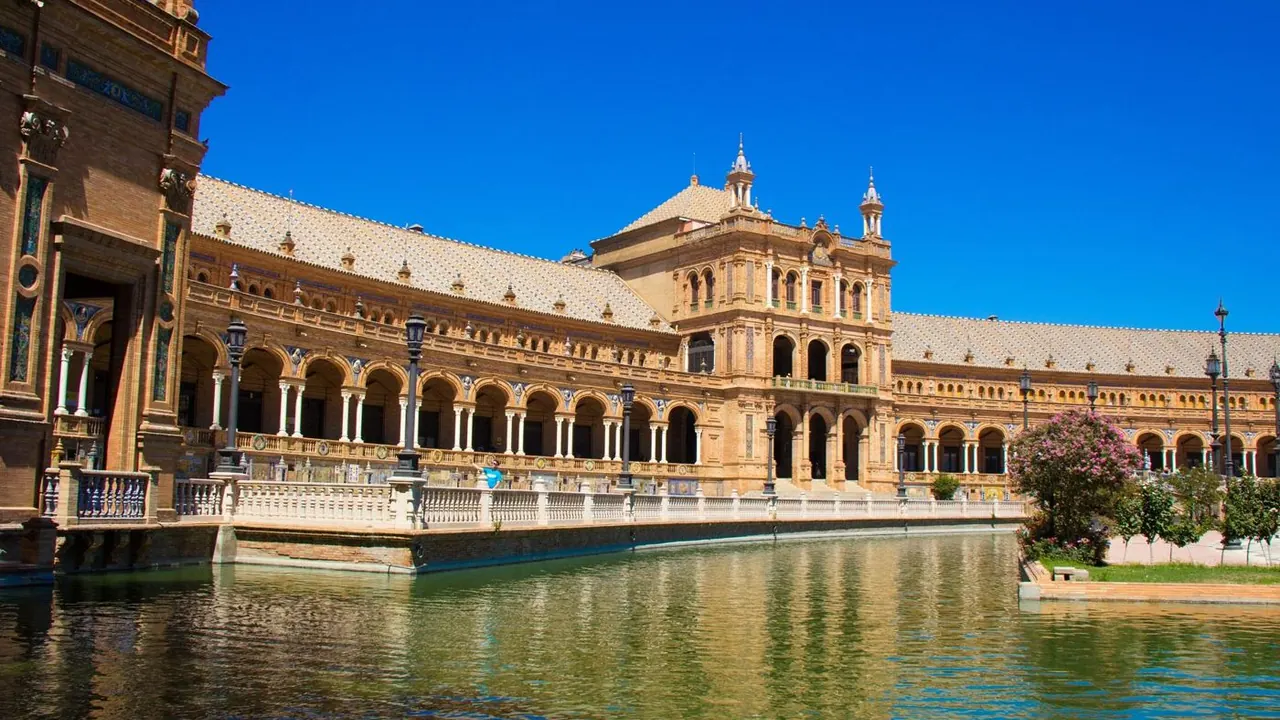
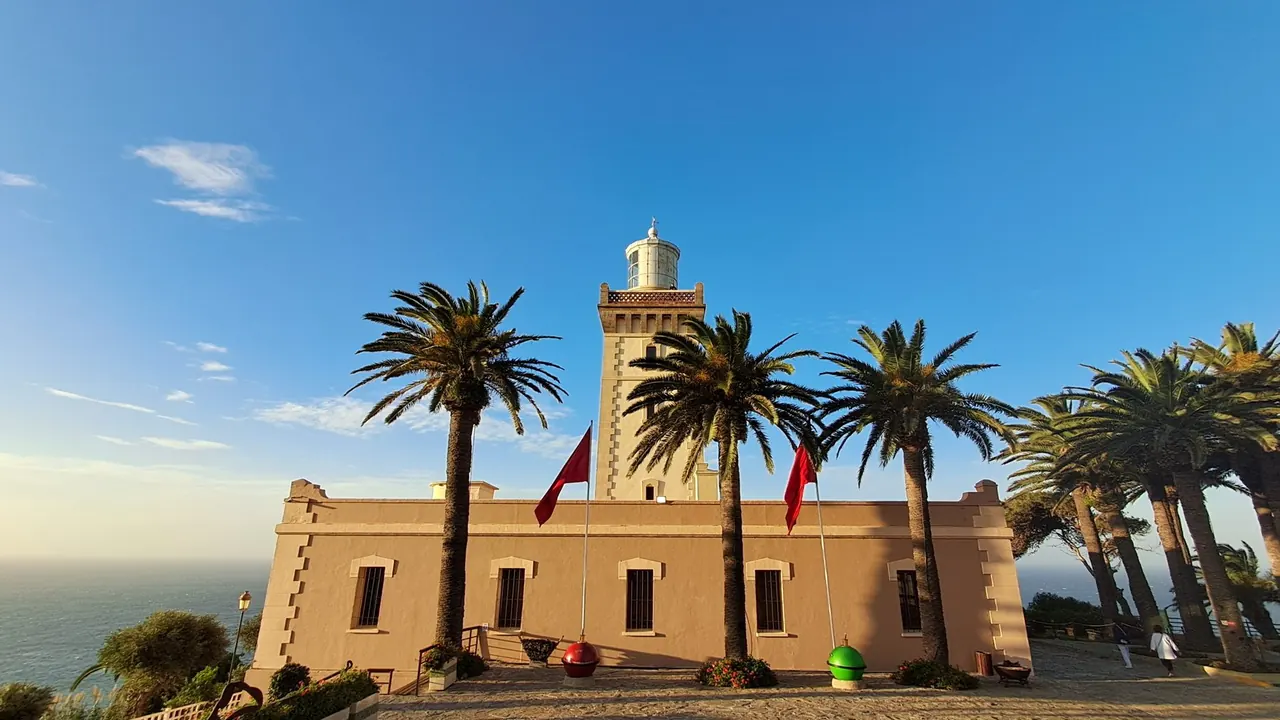
Photos: Seville by Tibor Kovacs, CC BY 2.0, cropped; Tangier by Ideophagous, CC BY-SA 4.0, cropped.
Seville or Tangier?
Our verdict in twelve categories, each scored against the same fixed benchmark cities, and the climate month by month, so you can choose for your trip.
Choose Seville for
- live music and the arts
- nightlife
- getting around
Seville is the stronger pick for a trip built around great sights and long evenings. The Alcázar, the cathedral and the lanes of Santa Cruz are all within walking distance of one another, flamenco plays every night, tapas rounds run until after midnight, and Córdoba and Cádiz are an easy train ride away. It suits a first visit to Andalusia, couples, and families who can come in spring or autumn.
Choose Tangier for
- beaches
- prices
- wellness
Choose Tangier if you want somewhere less familiar for less money. Its whitewashed medina climbs to a kasbah that looks across the Strait to Spain, and the days pass over mint tea on cliff terraces, in neighbourhood hammams and on the Atlantic beaches out towards Cap Spartel and Asilah. It rewards travellers who value atmosphere and slow days over a long list of monuments, and its milder summer is far easier than Seville's.
Scoreboard
Twelve categories on one fixed scale from 0 to 100. The shaded stretch is the gap between the two.
Your match
Pick a travel style or drag the sliders, and both match scores follow your weighting.
Wins on live music and the arts and nightlife with your weighting.
Wins on beaches and prices with your weighting.
What matters to you?
Category by category
What the scores mean for a trip.
Beaches & swimming
Neither city is a beach destination, but Tangier at least has the sea on its doorstep. Its city beach curves around the bay below the promenade, and the better sands lie a short taxi ride west at Achakar and Cap Spartel, where the Atlantic is wide and open. Expect modest dress on the sand and local families crowding in at the height of summer.
Seville is inland on the Guadalquivir, and the Huelva coast at Matalascañas and Mazagón is more than an hour's drive away. Swimming there usually means a rooftop or municipal pool, or a few extra nights on the coast.
Food & drink
Seville is the richer place to eat. Its tapas culture rewards hopping from counter to counter for spinach with chickpeas, salmorejo, pork cheek and fried fish, all washed down with fino and orange-blossom vermouth. There are old tiled bars in Santa Cruz and Triana and more inventive kitchens around the Alameda.
Tangier's cooking is simpler and centred on the port: grilled sardines, tagines, bissara in the morning and Friday couscous, eaten at small grills near the Grand Socco. Its pleasures are the café terraces and mint tea, but the choice is narrow, and wine or beer is found only in a limited set of restaurants and hotels.
Culture & sights
Seville has far more to see. The Alcázar, the cathedral with its Giralda and the Archivo de Indias form a UNESCO-listed group that few European cities can match, and the Museo de Bellas Artes, Casa de Pilatos and Plaza de España add enough to fill three or four days.
Tangier is more about mood than monuments. The kasbah museum, the American Legation and the whitewashed medina tell the story of a port between two continents, and its links with Paul Bowles and the Beat writers add another layer. Two or three days is enough.
Nightlife
Seville is the place for a night out. Dinner starts around ten and the evening drifts on through the Alameda de Hércules, Triana and the Alfalfa squares, with open-air bars along the river in summer. The clubs are mostly for local students, but the street and terrace life lasts well past midnight.
Tangier has no comparable scene. Evenings mean café terraces and a walk along the seafront, drinking happens discreetly in a few old bars and hotel lounges, and the medina falls silent after dark.
Nature & outdoors
The two are broadly level outdoors, with very different kinds of landscape. Seville sits on flat farmland, and its great natural asset is the Doñana wetland, about an hour and a half away, best seen on a guided 4x4 trip for flamingos and migrating birds. The Sierra de Aracena adds gentle hiking among cork oaks.
Tangier's wild side starts much closer. The cliffs, pinewoods and lighthouse at Cap Spartel and the wooded Perdicaris park are a short ride from the centre, storks and raptors cross the Strait in spring and autumn, and boats go out to watch dolphins.
Day trips
Seville is the slightly better base. Córdoba's Great Mosque is under an hour away by high-speed train, Carmona and the Roman site of Itálica are closer still, and Jerez, Cádiz and the white villages make full and varied days.
Tangier offers a wider mix but longer journeys. Asilah and UNESCO-listed Tetouan are within an hour, while Chefchaouen and Rabat take more of the day. The ferry to Tarifa even lets you add a second continent.
Good for families
Seville is the easier city with children. The centre is flat, María Luisa Park has rowing boats on the Plaza de España canal, the Alcázar gardens have a maze, and La Cartuja adds a theme park and summer water park. The catch is the heat of July and August.
Tangier is warm towards children and cooler in summer, but little there is made for them. The steep medina stairways defeat a pushchair, and the touts wear thin quickly, so short outings to the beach or the Caves of Hercules suit families best.
Getting around
Seville is much simpler to get around. Its flat centre puts the cathedral, Triana and Plaza de España within a half-hour walk, and the tram, metro line and plentiful bike lanes cover the rest. Only the midday summer heat holds you back.
Tangier's medina is steep and confusing at first, and there is no metro or tram. Visitors rely on the blue petit taxis, which are cheap, and need a taxi or a driver for Cap Spartel and the Atlantic beaches. In its favour, the ferry port sits right in the centre.
Shopping & style
Seville has the better and broader shopping. Triana's workshops sell hand-painted tiles, the streets around Calle Sierpes sell flamenco dresses, mantillas and fans, and the same streets have the main Spanish high-street chains. The Thursday market on Calle Feria is good for browsing.
Tangier's shopping is in the medina, with leather slippers, rugs, lanterns and the red-and-white striped Rif cloth. Bargaining is expected and the selling can be pushy, and the crafts are less refined than in Morocco's great souk cities.
Affordability
Tangier is clearly the cheaper trip, because nearly everything a visitor pays for day to day, from a plate of grilled sardines by the port to a petit taxi up to the kasbah, costs very little. Seville holds its own at the bar counter, where beer and a few tapas stay modest, but rooms are its weak point. In Holy Week and during the April Fair rates jump and the best-placed hotels are booked months ahead, though the fierce summer brings the opposite, with rooms at their best value.
In Tangier a riad or guesthouse in the medina is good value for most of the year, and easiest on the budget outside the July and August peak. The gap narrows once you want European comforts. Sea-view hotels and seafront restaurants cost more, and alcohol is the one thing that is not cheap, so for wine or beer with dinner Seville is actually the better deal.
Live music & performing arts
Seville is far ahead here. As the heartland of flamenco, it stages shows every night in tablaos around Santa Cruz and Triana and in the peñas where aficionados gather, and the Teatro de la Maestranza adds opera in the city of Carmen and Figaro.
Tangier has a celebrated musical past, from the Jajouka musicians to the Beat era, but little regular performance today. Andalusian music, gnawa and the annual jazz festival come and go with the festival calendar, and the old art-house cinema on the Grand Socco is the main venue.
Wellness & relaxation
Tangier has the more authentic bathing tradition. Neighbourhood hammams offer steam, black soap and a kessa scrub as part of everyday life, riads and hotels run gentler spas, and slow afternoons over mint tea come naturally.
Seville's version is a few Arab-style bath houses in old mansions, atmospheric but built for visitors, along with hotel spas and the cool quiet of tiled courtyards.
When should you go?
Pick your month. The climate figures are measured averages, not a forecast.
Seville in July
Tangier in July
Daytime high, °C
Rainfall in the month, mm
Temperature and rainfall are climate normals, averaged over the years shown. Seville: 1991-2020 normals, Sevilla / San Pablo (8.1 km from centre). Tangier: 1991-2020 normals, Tanger Aerodrome (9.5 km from centre).
Spring and autumn are when both cities are at their best, but they part ways in summer. Seville is ideal from March to May and again in October, warm and sunny for walking. From June to September it is fiercely hot, with July and August around 36°C, so sightseeing shrinks to the early morning and the evening. Tangier peaks at about 30°C in August, and the breeze off the Strait makes high summer comfortable for the streets as well as the beach.
High summer is also the only real swimming season in Tangier, with the sea at about 22°C in July and August and cool for most of the year after that. Both cities are almost dry and very sunny from June to August. Their winters are equally mild, but Tangier is clearly wetter, with around 117mm falling in December, so a winter trip there means more grey days than in Seville.
Which traveller are you?
For a food and nightlife trip, Seville wins clearly. Tapas bars in Triana and around the Alameda, cold manzanilla and late dinners lead into terraces and riverside bars that stay busy into the early hours. Tangier's evenings are quieter and mostly spent over mint tea.
On a beach and sun trip, Tangier is the better of the two. It has a sandy bay in town and wide Atlantic beaches at Achakar and near Asilah within easy reach. In Seville the sea is more than an hour away, so a beach day means a car or a coach.
On a tight budget, Tangier stretches your money further. Grilled fish, tagines, petit taxis and riad rooms all cost little. Seville is reasonable for Western Europe, but its hotel prices climb sharply around Holy Week and the April Fair.
Before you go
| Measure | Seville | Tangier |
|---|---|---|
| Official language | Spanish | Arabic, Standard Moroccan Tamazight |
| Currency | Euro (EUR) | Moroccan Dirham (MAD) |
| Sockets | CF230 V, 50 Hz | CE50 Hz |
| Driving side | Right | Right |
| Time zone | UTC+1, UTC+2 in summer | UTC+1 |
| Emergency number | 112 | Police 19/112, ambulance 15, fire 15 |
| Elevation | 18 m | 56 m |
| Main airport | Seville Airport (SVQ)9 km from centre96 non-stop destinations | Tangier Ibn Battuta Airport (TNG)11 km from centre50 non-stop destinations |
| Public holidays this year | 12 days | 11 days |
By the numbers
| Measure | Seville | Tangier |
|---|---|---|
| City population | 689,423 | 1,275,428 |
| People per km² | 4,896 | 6,393 |
| Museums within 10 km | 24 | 6 |
| UNESCO World Heritage sites within 50 km | 1 | 1 |
| Swim season, months above 21 °C | - | 3 months |
Where else could you go?
Every comparison below shares a destination with this one, so you can follow Seville or Tangier somewhere new.