South Korea
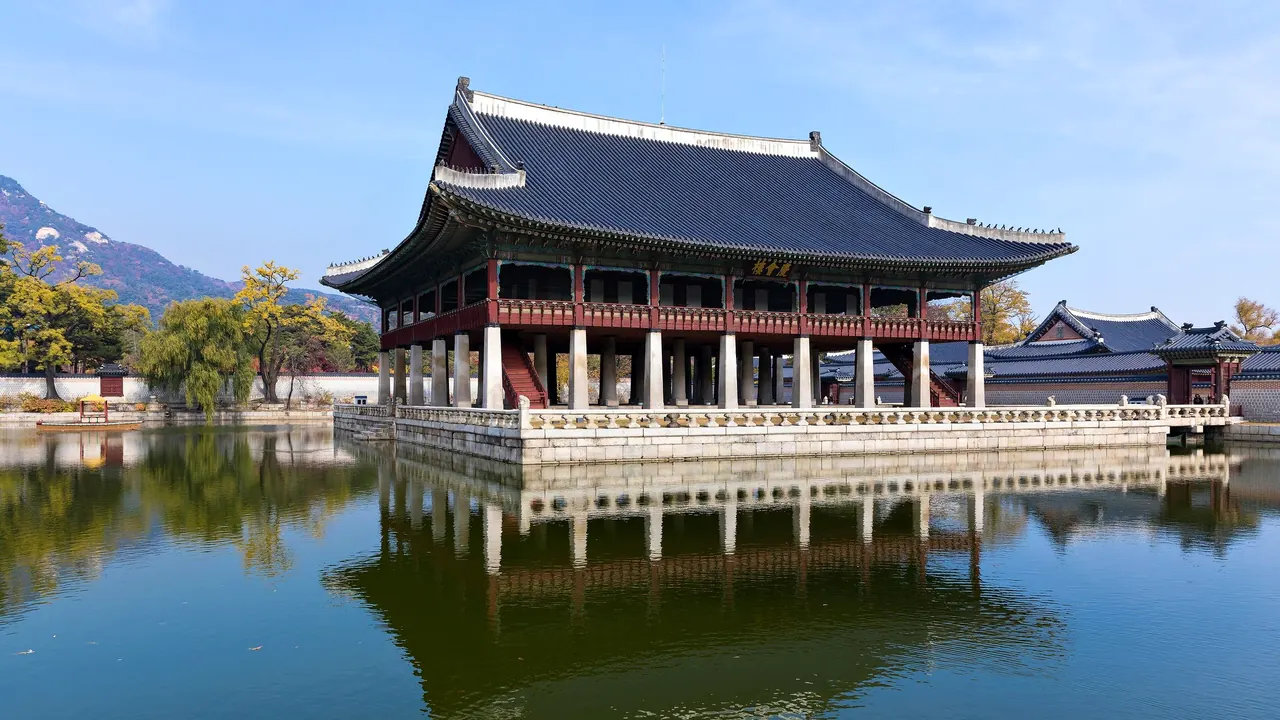
Gyeonghoeru pavilion reflected in its pond at Gyeongbokgung Palace, Seoul
- Getting around86
- Food & drink85
- Shopping82
Photo: Frank Schulenburg, CC BY-SA 4.0, cropped
Match
74
Every category weighted equally
- Beach & sun72
- Culture & arts75
- Food & nightlife75
- Family trip73
- Outdoors73
- Relax & unwind73
- Shopping & style77
- On a budget72
South Korea in twelve categories
Our verdict on the country as a whole, scored 0 to 100 against the same fixed benchmark cities as every destination, so a score means the same thing on every page.
Beaches & swimming. Scores 55 out of 100.
Food & drink. Scores 85 out of 100.
Culture & sights. Scores 80 out of 100.
Nightlife. Scores 77 out of 100.
Nature & outdoors. Scores 78 out of 100.
Day trips. Scores 72 out of 100.
Good for families. Scores 78 out of 100.
Getting around. Scores 86 out of 100.
Shopping & style. Scores 82 out of 100.
Affordability. Scores 55 out of 100.
Live music & performing arts. Scores 58 out of 100.
Wellness & relaxation. Scores 79 out of 100.
South Korea category by category
Under each: where in South Korea it is best, and our destinations in South Korea that score highest on it.
Beaches & swimming
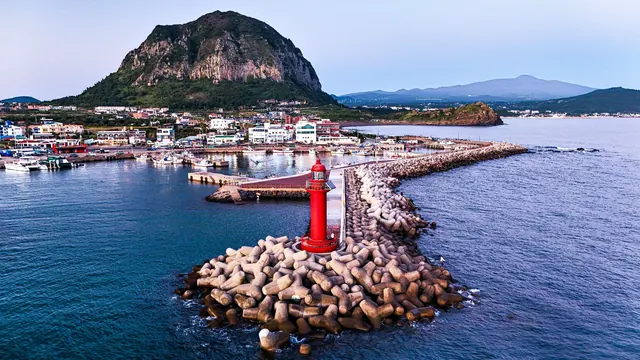
55Korea has three beach areas worth planning around, and all of them work in a short summer window. Busan is the most urban: Haeundae and Gwangalli are wide city beaches with skyscrapers behind them and a night view of the Gwangan Bridge, and in July and August the sea reaches about 24°C to 26°C. Jeju has the prettiest sand, with pale beaches and turquoise shallows at Hyeopjae and Hamdeok set against black volcanic rock. Jeju is a short flight from the mainland and is a trip of its own.
The east coast of Gangwon, around Gangneung and Sokcho, has long, clean beaches backed by pine groves, popular with Seoul families during the summer school break. Outside July and August the water is cool and the beaches empty out, and the early summer monsoon can wash out days. In the peak weeks the main beaches are packed with parasols.
Where: Busan, Jeju, Gangwon east coast
Our top destinations in South Korea
Food & drink
85Korean food is one of the country's strongest reasons to visit, and it travels well beyond the capital. Seoul has everything: barbecue restaurants with grills set into the table, market halls such as Gwangjang and Namdaemun with mung bean pancakes and knife-cut noodles, late tent stalls serving soju and snacks, an enormous café culture and a fine-dining scene that reworks temple and royal cuisine. Meals come with a spread of side dishes, and eating is sociable and often shared.
The regions each have their own table. Busan is built on seafood, from the Jagalchi fish market to pork rice soup and raw fish by the harbour. Jeonju is famous for bibimbap and the Jeolla region as a whole for generous, deeply fermented cooking. Jeju adds black pork and abalone porridge. Vegetarians will need care, as meat and fish stock run through much of the cooking.
Where: Seoul, Busan, Jeonju, Jeju
Our top destinations in South Korea
Culture & sights
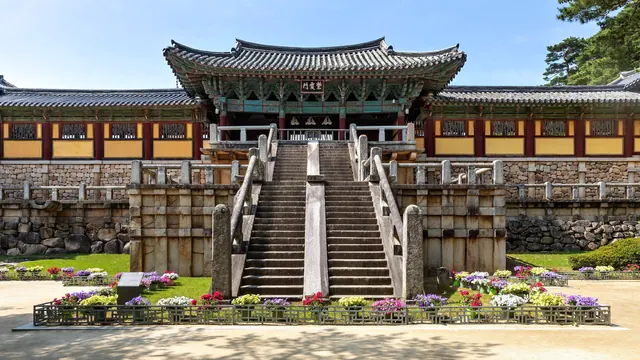
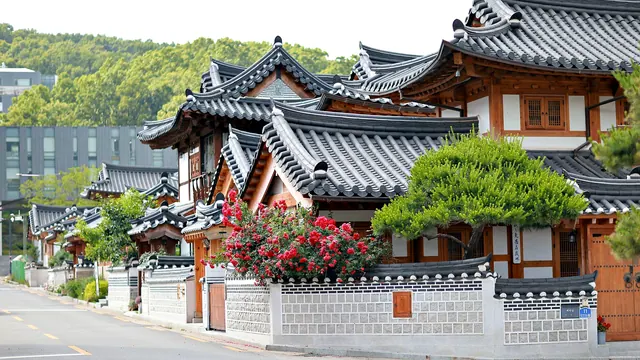
80Korea's heritage is spread across the country rather than gathered in one city. Seoul has five Joseon palaces, with Gyeongbokgung and the Secret Garden of Changdeokgung the highlights, the Jongmyo royal shrine, hanok lanes in Bukchon and the National Museum of Korea, one of the great museums of Asia. Gyeongju, the old Silla capital, is the richest single site: grassy royal tumuli in the middle of town, Bulguksa temple and the Seokguram grotto Buddha in the hills.
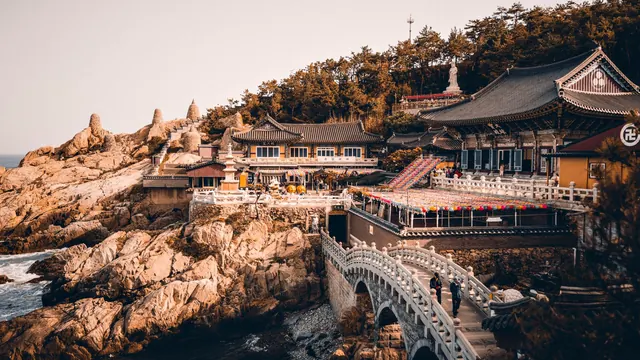
Beyond those, the Hwaseong fortress walls of Suwon, the clan village of Hahoe near Andong, the Tripitaka woodblocks at Haeinsa and the Baekje remains at Gongju and Buyeo fill out a long list of UNESCO sites, and Jeonju's large quarter of tiled hanok houses shows a traditional townscape still lived in. Mountain temples are everywhere, and many offer overnight temple stays. Wars destroyed much, so a good deal of what stands is carefully rebuilt.
Where: Seoul, Gyeongju, Andong, Suwon
Our top destinations in South Korea
Nightlife
77Going out in Korea means Seoul first. The city runs very late: Hongdae is the student and indie quarter, packed with bars, clubs and street crowds until sunrise at weekends; Itaewon is the international district with gay bars around its hill streets; Gangnam and Apgujeong have the polished, dress-up clubs. Between them are countless drinking spots where soju, beer and fried chicken keep groups going past midnight, and karaoke rooms for the last hours.
Busan has a real scene of its own in Seomyeon and along Gwangalli beach, where bars face the lit-up bridge. Daegu and Gwangju have lively student districts, but elsewhere evenings are mostly dinner and drinks. Bar culture is group-centred, which can feel closed to solo travellers.
Our top destinations in South Korea
Nature & outdoors
78About two-thirds of Korea is mountain, and hiking is a national habit, with signed trails, stairways and shelters in every park. Seoraksan, on the east coast, is the most dramatic, with granite spires and deep valleys that turn red and gold in October. Jirisan in the south is the place for long ridge walks over several days. Even Seoul has real peaks inside the city, with Bukhansan's granite summits reachable by subway.
Jeju is a separate landscape: a volcanic island with Hallasan, the highest summit in the country, crater cones, lava tubes and the Olle coastal trails. Spring blossom and autumn colour are the seasons to come. Winters are cold, with modest ski areas in Gangwon, and summers are humid. Popular trails are busy at weekends.
Where: Seoraksan National Park, Jeju, Jirisan National Park, Bukhansan National Park
Our top destinations in South Korea
Day trips
72Fast trains and express buses make good day trips easy, though each base has a short list. From Seoul, the fortress city of Suwon is about an hour away, the Demilitarized Zone and its observation points make a sobering half day, and Incheon's Chinatown and the islands of Ganghwa add history. Gongju and Buyeo, with their Baekje tombs and fortresses, are a longer but manageable day out by bus or train.
Busan is a good second base: Gyeongju is under an hour away for a day among the royal tombs, and the harbour town of Tongyeong is within reach. Gimhae, on Busan's edge, was the seat of the ancient Gaya kingdom, with King Suro's tomb, the Daeseong-dong burial mounds and a national museum of Gaya finds. From Jeonju or Gwangju, the bamboo town of Damyang and the tea fields of Boseong make easy outings.
Our top destinations in South Korea
Good for families
78Korea is a safe, clean and easy country for children, with a culture that dotes on them. Near Seoul, Everland is a large theme park with a safari zone, and Lotte World is a huge indoor park that works in any weather. Seoul also has the COEX and Lotte aquariums, science museums, the Children's Grand Park and playrooms in many shopping centres.
Jeju is where Korean families go on vacation, with gentle beaches, horse riding, the Manjanggul lava tube and a string of small museums and parks aimed squarely at children. Busan adds a big aquarium at Haeundae. Hot humid summers and crowded weekends are the main strain, but trains, clean toilets and baby rooms everywhere make moving around with small children simple.
Our top destinations in South Korea
Getting around
86Moving around Korea is quick and simple. KTX high-speed trains link Seoul with Busan in under three hours and reach Gyeongju, Daegu, Jeonju and Gangneung, while frequent express buses fill the gaps to almost every town and national park. Seoul's subway is vast, clean and signed in English, and Busan, Daegu, Daejeon and Gwangju have metros of their own. One rechargeable transport card works across all of it.
Jeju is the exception: it is reached by a short, frequent flight and most visitors rent a car there, as island buses are slow. Global map apps show little useful detail, so local navigation apps are essential. Seoul is large and hilly, with long underground transfers.
Our top destinations in South Korea
Shopping & style
82Seoul is one of Asia's great shopping cities. Myeongdong is the centre of Korean beauty shopping, with skincare stores on every corner; Cheongdam and Apgujeong hold luxury flagships; Seongsu and the lanes of Hannam have Korean design labels and concept stores; and the Dongdaemun fashion markets trade through the night. Big department stores have food halls and duty-free floors, and Insadong sells ceramics, hanji paper and traditional crafts.
Busan adds very large department stores in Centum City and the market streets of Gukje and Bupyeong. Elsewhere, shopping is mostly regional crafts, such as Icheon ceramics and Jeonju's paper, and Jeju's local produce. Korean fashion and cosmetics are the real draws.
Our top destinations in South Korea
Affordability
55Korea is a mid-priced destination. Public transport is inexpensive and efficient, everyday meals of soup, noodles or a market lunch are good value, and many palaces and museums charge little or nothing. Hotels in central Seoul and on Jeju in summer are the big costs, along with barbecue dinners, cocktails and coffee, which can be surprisingly dear.
Provincial cities such as Gyeongju, Jeonju and Daegu are noticeably easier on the budget, with simple guesthouses and hanok stays. Weekends and the big national festivals of Chuseok and Lunar New Year push room prices up everywhere.
Where: Gyeongju, Jeonju, Daegu
Our top destinations in South Korea
Live music & performing arts
58Most of Korea's stage life is in Seoul. The Seoul Arts Center and Sejong Center host orchestras, ballet and opera, and the National Gugak Center stages traditional court music and dance. Daehangno is a dense theatre district, and large musicals play in the city most of the year, though nearly all of this is in Korean. Hongdae's small clubs carry an indie and rock scene, and long-running non-verbal percussion shows are aimed at visitors.
K-pop concerts are huge but tickets are hard for visitors to get. Outside Seoul, Busan has concert halls, and Tongyeong holds a respected music festival in spring, but most towns have little to attend.
Where: Seoul, Tongyeong, Busan
Our top destinations in South Korea
Wellness & relaxation
79Bathing is part of everyday Korean life. Jjimjilbang, large public bathhouses with hot pools, saunas and heated sleeping floors, exist in every city and many stay open all night; a body scrub there is a ritual in itself. Seoul has the most and the biggest, multi-storey complexes where families and office workers spend whole evenings. Busan's Dongnae and Haeundae areas sit on hot springs, and old spa towns such as Onyang and Suanbo have bathed visitors for centuries.
For a slower pace, temple stays in mountain monasteries offer early bells, meditation and vegetarian meals, and Jeju's tea fields and quiet coastal villages suit a few unhurried days. Bathhouses are gender-separated and nude, which some visitors find takes getting used to.
Our top destinations in South Korea
Where to go in South Korea
Most first visits start in Seoul, and the capital could fill a whole trip on its own. It has the Joseon palaces and the National Museum, market halls and barbecue grills, the country's best shopping and its latest nights in Hongdae, Itaewon and Gangnam. Bukhansan's granite peaks are a subway ride away. Families have theme parks and aquariums close by, and day trips reach the fortress walls of Suwon, the Demilitarized Zone and, on a longer day, the Baekje sites at Gongju and Buyeo.
The south-east is the natural second half of a mainland trip, and Busan is under three hours from Seoul by KTX. Busan suits summer beach days at Haeundae and Gwangalli, seafood by the harbour, hot-spring bathhouses and evenings in bars facing the lit bridge. Gyeongju, less than an hour away, is the place for history: royal tombs in the middle of town, Bulguksa and the Seokguram Buddha. It is also a quieter, cheaper base. Seoul, Gyeongju and Busan link easily by train, and Andong's Hahoe village makes a worthwhile detour.
Jeju is a trip of its own, reached by a short flight and best explored with a rental car. It suits families, beach days on pale sand, walking on Hallasan and the Olle coastal trails, and a few slow days among tea fields and coastal villages, with black pork for dinner.
Walkers and anyone after a quieter trip can head east or south. Seoraksan has granite spires and red and gold valleys in October, with pine-backed beaches around Sokcho and Gangneung below it, an easy train ride from Seoul. Jirisan in the south is the place for ridge walks lasting several days. Jeonju, with its hanok quarter and its bibimbap, makes a good-value base for the generous cooking of the Jeolla region and easy outings to Damyang's bamboo and Boseong's tea fields.
When should you go?
South Korea has no single climate. Its months are measured at Seoul, Busan and Jeju; pick one to see it. The figures are measured averages, not a forecast.
Where in South Korea
Seoul in July
Daytime high, °C
Rainfall in the month, mm
Temperature and rainfall are climate normals, averaged over the years shown. Seoul: 1991-2020 normals, Seoul (2.2 km from centre).
Compare South Korea with
Every comparison with a written verdict behind it, and any other country below.
Our destinations in South Korea
Every place in South Korea with its own page: its twelve scores, its texts and its months.