South Korea
Seoul
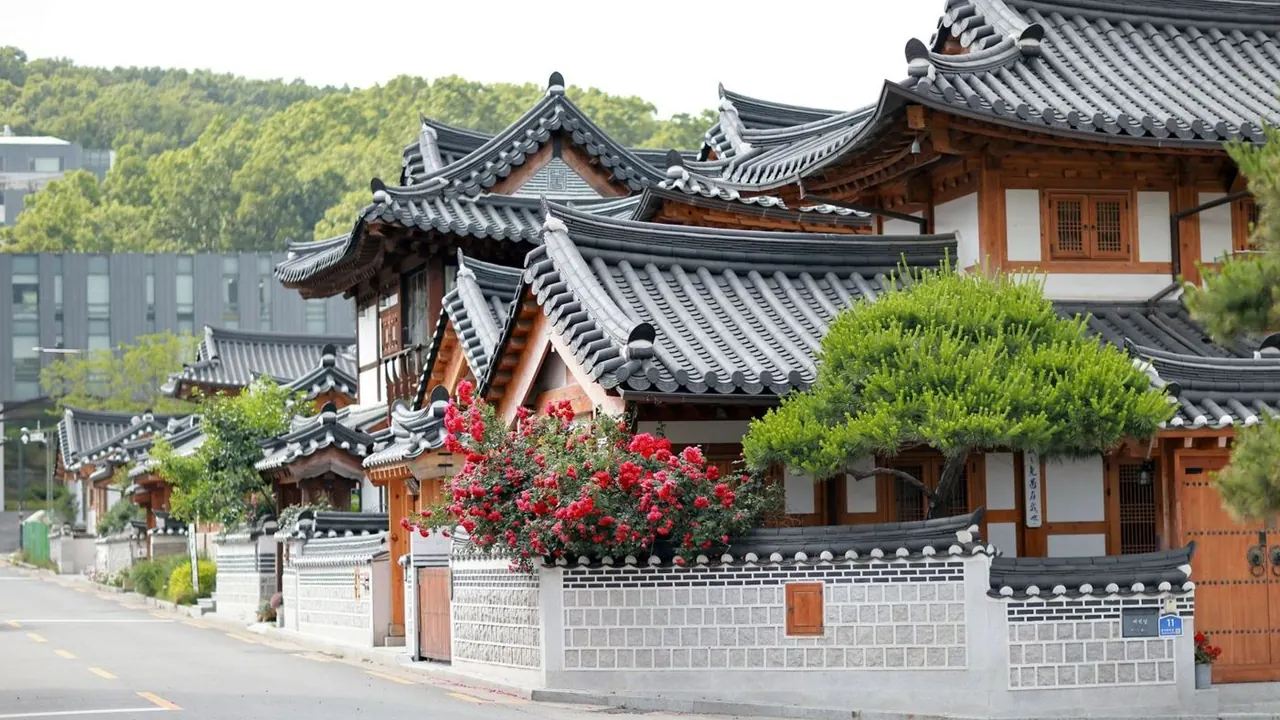
Hanok houses in Bukchon
- Getting around87
- Shopping85
- Food & drink84
Photo: 거열 박, Pexels License
Match
71
Every category weighted equally
- Beach & sun65
- Culture & arts75
- Food & nightlife74
- Family trip68
- Outdoors69
- Relax & unwind68
- Shopping & style76
- On a budget69
Seoul in twelve categories
Our verdict on each, scored 0 to 100 against the same fixed benchmark cities, so a score means the same thing on every page.
Beaches & swimming. Scores 18 out of 100.
Food & drink. Scores 84 out of 100.
Culture & sights. Scores 75 out of 100.
Nightlife. Scores 84 out of 100.
Nature & outdoors. Scores 75 out of 100.
Day trips. Scores 77 out of 100.
Good for families. Scores 80 out of 100.
Getting around. Scores 87 out of 100.
Shopping & style. Scores 85 out of 100.
Affordability. Scores 50 out of 100.
Live music & performing arts. Scores 63 out of 100.
Wellness & relaxation. Scores 75 out of 100.
Seoul category by category
Beaches & swimming
18Seoul is not a beach city. The nearest sand is on the Yellow Sea west of Incheon, at Eurwangni and on the islands of Muuido and Ganghwa, about an hour or more away. The sea warms to around 24°C in August, but huge tides pull the water far back over mudflats, it is rarely clear, and the beaches are crowded on summer weekends and empty the rest of the year.
In July and August locals cool off at the big outdoor pools set up in the Han River parks instead. A visitor who wants real swimming beaches should plan a separate trip to the east coast or to Busan.
Food & drink
84Eating in Seoul is a social, late and very Korean affair. Barbecue restaurants where pork belly and beef sizzle on the table, stews bubbling in stone pots, cold buckwheat noodles in summer and fried chicken with beer make up the everyday. Every meal comes with a spread of side dishes. Gwangjang Market is the classic for mung bean pancakes and raw beef, while Tongin and Mangwon markets are more local. Tented street stalls and small pubs serve soju with snacks into the night.
Above this sits a strong modern Korean fine-dining tier, temple cuisine and an obsessive café culture, with design-led coffee shops in Seongsu, Yeonnam-dong and Ikseon-dong. International food is decent but narrower than the home cuisine.
Culture & sights
75Seoul's heritage centres on the five Joseon palaces north of the river. Gyeongbokgung is the grandest, set against the mountains, and Changdeokgung, with its secret garden, is on the UNESCO list, as is Jongmyo, the royal ancestral shrine. Deoksugung sits beside early modern Western buildings in the old city centre. Bukchon and Ikseon-dong keep lanes of tiled hanok houses, and the restored Fortress Wall can be followed over the hills.
The National Museum of Korea is one of Asia's great collections, and the War Memorial and the private art museums of Hannam-dong add depth. Between these, much of the city is postwar concrete and glass, so the sights come in clusters rather than as one historic townscape.
Nightlife
84Seoul goes out late and drinks seriously. Dinner rolls into a second and third round, from barbecue with soju to beer and fried chicken to a small pub, and the city is still full at 3am. Hongdae is the student and indie heart, with clubs, street buskers and crowds until the first trains. Itaewon and Hannam-dong are the most international, with cocktail bars and clubs, while Gangnam and Cheongdam have the big, dressed-up clubs and lounges.
Euljiro's old print shop alleys hide small bars, and Seongsu does warehouse-style drinking. Private karaoke rooms are part of almost any group night. Streets feel safe late, and the main limit is that much of the bar scene leans towards Korean-language crowds.
Nature & outdoors
75Mountains ring Seoul, and hiking is a national habit. Bukhansan National Park sits inside the city limits, with granite peaks and ridge trails reached by subway and bus, and Inwangsan, Bugaksan and Gwanaksan give shorter climbs with views over the palaces and towers. On weekend mornings the trails fill with locals in full hiking gear.
The Han River is lined with parks and continuous cycle paths running for many kilometres in both directions, with bike hire easy to find. Further out, the forested hills of Gangwon province are within two hours. Spring blossom and autumn colour are the best seasons; humid monsoon summers and freezing winters are harder going.
Day trips
77Seoul has a good spread of outings. Suwon's Hwaseong Fortress, a UNESCO-listed walled city, is about an hour by subway or train, and the mountain fortress of Namhansanseong is closer still. The Demilitarized Zone, visited on organised tours, is the most unusual trip, and the Korean Folk Village in Yongin shows traditional life in reconstructed houses.
Fast KTX trains bring Jeonju's hanok quarter and food streets within about two hours, and the Baekje capitals of Gongju and Buyeo are reachable too. Incheon's Chinatown and Ganghwa Island's history make a coastal day, and Chuncheon and Nami Island suit a slower one. Gyeongju, the old Silla capital, is just beyond comfortable day-trip range and is better given a night.
Good for families
80Seoul is easy with children. Lotte World, a large indoor and outdoor theme park, is right in the city, and Everland, the country's biggest resort park with a safari, is about an hour south. Seoul Grand Park has a zoo and children's areas, there are big aquariums in the Gangnam and Jamsil malls, and the children's museums and science centres are well run.
The culture is warm towards children, the streets are safe at any hour, and subway stations have lifts and clean toilets. Han River parks have playgrounds and space to run. The size of the city, crowded weekends and sticky summers are the main drawbacks.
Getting around
87The subway is excellent: clean, cheap, punctual and signed in English, with platform doors, lifts in most stations and one tap-on card that also works on buses and taxis. It reaches almost everything a visitor wants, from the palaces to Gangnam, Hongdae and the hiking trailheads.
The catch is scale. Seoul is enormous, and crossing from the old centre to the south of the river can take 40 minutes with changes, so it pays to stay near the area you will use most. The historic core around the palaces is pleasant to walk, while elsewhere wide roads and underground passages break up walks. Local map apps work far better than international ones. A car is never needed.
Shopping & style
85Seoul is one of Asia's great shopping cities, with a distinct character of its own. Myeongdong is wall-to-wall Korean skincare and cosmetics, and the big Korean department stores fill whole blocks with luxury floors and food halls. Cheongdam-dong has the luxury flagships, while Garosu-gil, Seongsu and Hannam-dong have Korean designer and concept stores.
Dongdaemun's wholesale fashion malls trade through the night, and Namdaemun Market sells everything from ginseng to kitchenware. Insadong is the place for traditional crafts, hanji paper, celadon and tea, and the underground malls at Gangnam and COEX are a shopping trip in themselves. The style is fast and trend-led, with the best value in mid-range fashion and beauty.
Affordability
50Seoul is mid-priced for a major capital. The subway and buses are cheap, palace entry is modest, and casual Korean meals, from noodle soups to market stalls and set lunches, are good value. Barbecue dinners, cocktails and coffee in the smart cafés cost about what they would in Southern Europe, and imported goods and fruit can be surprisingly expensive.
Hotels are the biggest cost, with good rooms in Myeongdong and Gangnam priced like those in other big Asian cities, though guesthouses and business hotels keep the floor reasonable. Overall a visitor spends less than in the costliest capitals of Western Europe or East Asia, and clearly more than in Southeast Asia.
Live music & performing arts
63Seoul has a large performing arts life, though a visitor reaches only part of it. The Seoul Arts Center and the Sejong Center host the Seoul Philharmonic, opera, ballet and visiting orchestras, and the National Gugak Center stages traditional court music and dance. Daehangno is a whole district of small theatres, but most plays are in Korean; non-verbal percussion and martial arts shows and big Korean-language musicals are the easier choices.
Hongdae's small clubs carry the indie and rock scene, with buskers on the streets at weekends, and jazz bars are scattered around Itaewon and Seochon. Large K-pop concerts fill the stadiums, though tickets are hard to come by.
Wellness & relaxation
75Seoul's bathing culture is the jjimjilbang, a large bathhouse open around the clock with hot and cold pools, a body scrub done by an attendant, and heated rooms of clay, salt or jade where families and friends lounge in matching outfits, eat boiled eggs and sleep overnight. They are everywhere, from local neighbourhood baths to huge multi-storey complexes, and are a real part of daily life.
On top of this come Korean skincare spas, herbal treatments and foot massage, while temple stays at city monasteries offer a quieter retreat. The city itself is fast and loud, so calm comes in pockets: palace gardens, teahouses in Insadong and the Han River parks at dusk.
When should you go?
Pick a month to see what it is like. The climate figures are measured averages, not a forecast.
Seoul in July
Daytime high, °C
Rainfall in the month, mm
The whole year
Shaded against this city’s own year: the deepest cell is its best month for that figure and the palest its weakest.
Temperature and rainfall are climate normals, averaged over the years shown. Seoul: 1991-2020 normals, Seoul (2.2 km from centre).
Before you go
| Measure | Seoul |
|---|---|
| Official language | Korean, Korean Sign Language |
| Currency | Won (KRW) |
| Sockets | CF220 V, 60 Hz |
| Driving side | Right |
| Time zone | UTC+9 |
| Emergency number | Police 112, ambulance 119, fire 119 |
| Elevation | 38 m |
| Main airport | Incheon International Airport (ICN)49 km from centre162 non-stop destinations |
| Public holidays this year | 18 days |
By the numbers
| Measure | Seoul |
|---|---|
| City population | 9,668,465 |
| People per km² | 15,973 |
| Museums within 10 km | 81 |
| UNESCO World Heritage sites within 50 km | 5 |
| Swim season, months above 21 °C | 2 months |
Compare Seoul with
Every comparison with a written verdict behind it.