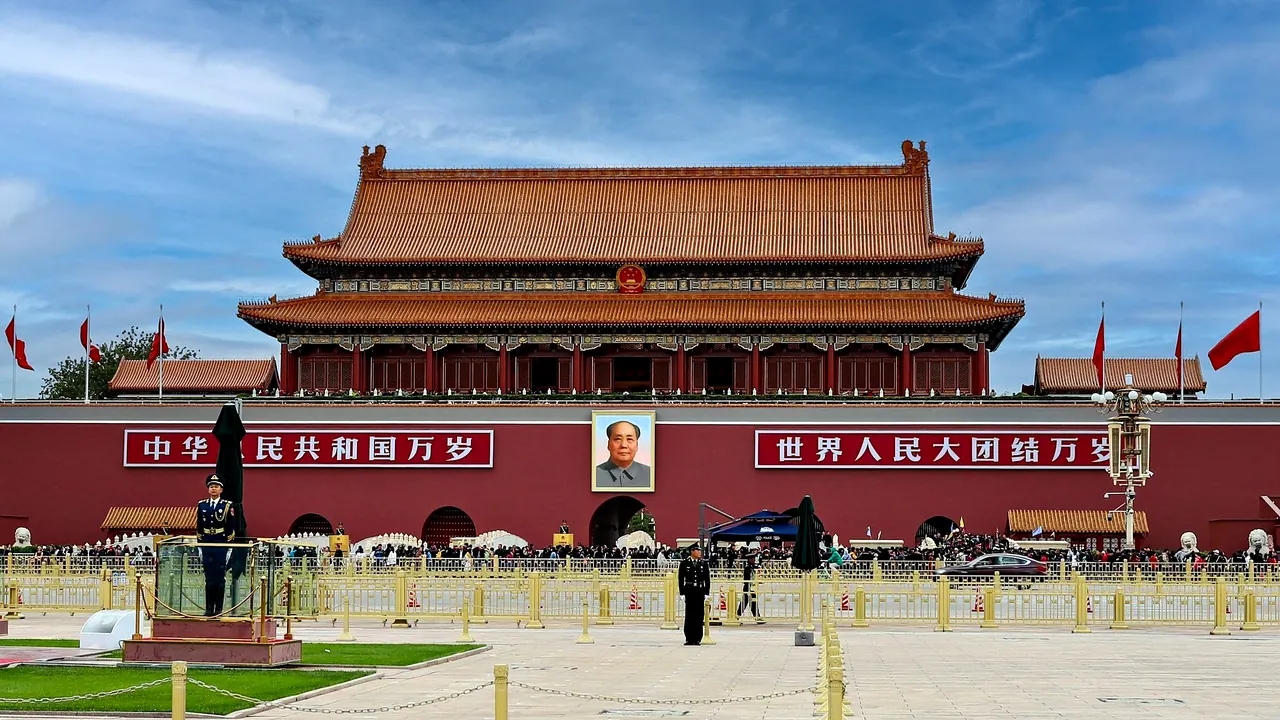
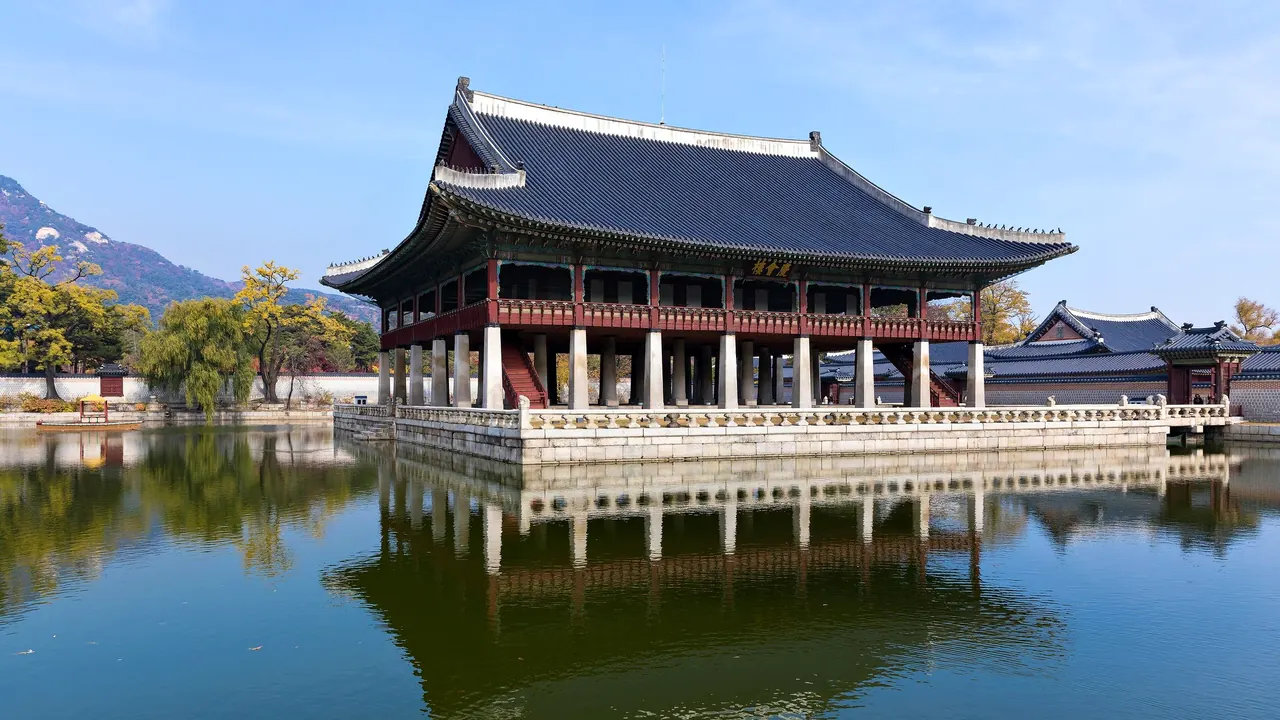
Photos: China by Son Hoa Nguyen, Pexels License; South Korea by Frank Schulenburg, CC BY-SA 4.0, cropped.
China or South Korea?
Our verdict in twelve categories, each scored against the same fixed benchmark cities, and the climate month by month, so you can choose for your trip.
Choose China for
- prices
- day trips
- culture and sights
China suits the traveller with time who wants scale and variety: imperial Beijing and the Terracotta Army in Xi'an, the karst river country around Guilin and Yangshuo, and a different regional cuisine at nearly every stop. It is also the cheaper of the two for daily spending, and fast trains make day trips from Shanghai, Beijing and Xi'an easy. Expect more distance and more effort, though: little English outside the big cities, huge stations, and crowds at the famous sites.
Choose South Korea for
- nightlife
- wellness
- families
South Korea is the easier and more compact choice. Seoul's late nights in Hongdae and Itaewon, its beauty and fashion shopping, and the bathhouse culture found in every city give it the edge for going out and for slowing down. Families find it easy too. Busan, Gyeongju and Jeju fill out a trip of one or two weeks without long journeys. It costs more day to day, and its heritage, though rich, is smaller in scale than China's.
Scoreboard
Twelve categories on one fixed scale from 0 to 100. The shaded stretch is the gap between the two.
Your match
Pick a travel style or drag the sliders, and both match scores follow your weighting.
Wins on prices and day trips with your weighting.
Wins on nightlife and wellness with your weighting.
What matters to you?
Category by category
What the scores mean for a trip.
Beaches & swimming
Neither country is a natural beach destination, and both keep their best sand for an island you have to fly to. China's is Sanya on Hainan, with long bays and warm water all year, which makes it a few days of rest at the end of a long trip.
Korea's best is Jeju, with pale sand and turquoise shallows against black lava rock. Busan's Haeundae and Gwangalli give you city beaches with skyscrapers behind them. The Korean season is short, really July and August, while Hainan stays swimmable all year.
Where in China: Sanya, Hainan, Xiamen, Qingdao
Food & drink
Both are countries worth travelling to for the food, but China gives you more distinct cuisines to move between. Sichuan hotpot in Chengdu, Cantonese dim sum in Guangzhou, hand-pulled noodles in Xi'an's Muslim Quarter and soup dumplings in Shanghai: a route planned around eating feels like visiting several countries. Once you leave the main cities, menus without pictures make ordering harder.
Korea's food is more of a single cuisine, and meals are very sociable: grills set into the table in Seoul, mung bean pancakes at Gwangjang market, raw fish at Busan's Jagalchi market and bibimbap in Jeonju. Vegetarians need to be careful there, because meat and fish stock go into much of the cooking.
Culture & sights
China's heritage is far broader. Beijing's Forbidden City and Temple of Heaven, Xi'an's Terracotta Army and Ming wall, Pingyao's walled town and the Buddhist caves at Dunhuang and Longmen could each anchor a separate trip.
Korea packs its heritage into a shorter, easier circuit. You get Seoul's Joseon palaces and the National Museum of Korea, Gyeongju's royal tombs and Seokguram Buddha, and the Hahoe clan village near Andong. In both countries much has been rebuilt, after wars in Korea and modern redevelopment in China.
Where in China: Beijing, Xi'an, Suzhou and Hangzhou, Dunhuang
Nightlife
Korea is the livelier place for going out, and nearly all of it is in Seoul. Hongdae's clubs and street crowds go on until sunrise, Itaewon has the gay bars, Gangnam has the dress-up clubs, and Busan adds bars along Gwangalli facing the lit bridge.
China's nights are good in Shanghai, with French Concession cocktail bars and Bund rooftops, and in Beijing's Sanlitun and Gulou. Elsewhere they mostly mean a late hotpot, a night market or private karaoke, and the historic towns go quiet early.
Nature & outdoors
China has the more spectacular and varied landscapes: the karst towers along the Li River, Zhangjiajie's sandstone pillars, Huangshan's peaks in cloud, Jiuzhaigou's lakes and the Tiger Leaping Gorge in Yunnan. The famous parks have paths and shuttles and are rarely quiet.
Korea's strength is hiking that is easy to reach. Seoraksan's granite spires turn red in October, Jirisan has ridge walks lasting several days, and Bukhansan's summits are a subway ride from central Seoul. Jeju adds a volcano and coastal trails.
Where in China: Guilin and Yangshuo, Zhangjiajie, Huangshan, Yunnan
Where in South Korea: Seoraksan National Park, Jeju, Jirisan National Park, Bukhansan National Park
Day trips
China wins clearly here, thanks to Shanghai. Suzhou's gardens, West Lake at Hangzhou, Nanjing and canal towns such as Wuzhen are all short train rides away. Xi'an to Luoyang's grottoes and Beijing to Chengde give other bases good outings too.
Korea's list from each base is shorter but still worthwhile. From Seoul there is Suwon's fortress and the DMZ, and from Busan there is Gyeongju's tombs in under an hour.
Good for families
Korea is the easier of the two with children. It is clean and safe, has baby rooms and clean toilets everywhere, and has Everland and the indoor Lotte World near Seoul. Jeju works as an island built around family vacations, with gentle beaches, horse riding and lava tubes.
China has bigger headline draws: Disney in Shanghai, Universal in Beijing and above all the pandas in Chengdu. Crowds during the festival weeks, signs that are hard to read and long stairways in the mountain parks make it harder work.
Getting around
Both countries run excellent fast trains and metros signed in English, so the difference is in scale. In China the high-speed network crosses huge distances, but stations sit far outside city centres, tickets are tied to your passport, and the festival weeks fill every train.
Korea is compact enough for KTX trains and express buses to reach almost anywhere in a few hours, and one transport card covers the lot. The catches are that Jeju needs a flight and usually a hire car, and that global map apps show little useful detail.
Where in China: Shanghai and the Yangtze Delta, Beijing, Guangzhou and Shenzhen
Shopping & style
The two are level for shopping but sell different things. Seoul is the place for Korean skincare in Myeongdong, design labels in Seongsu and Dongdaemun's markets that trade all night. China's appeal lies more in buying near the source: silk in Suzhou, Longjing tea above West Lake, porcelain from Jingdezhen, Panjiayuan's antiques in Beijing and Shenzhen's electronics markets.
Affordability
China is noticeably the cheaper of the two. Street food, metros and provincial hotels in Chengdu and Xi'an cost little, and Yunnan and Yangshuo have long suited backpackers, though the entry fees and cable cars at scenic parks add up.
Korea is mid-priced. Transport and market lunches are good value, and many palaces charge little, but Seoul hotels, Jeju in summer, barbecue dinners and coffee push costs up. Gyeongju and Jeonju are the cheaper bases.
Where in China: Chengdu, Xi'an, Yunnan, Guilin and Yangshuo
Where in South Korea: Gyeongju, Jeonju, Daegu
Live music & performing arts
China has more traditional theatre that a visitor can enjoy. There is Beijing opera with its painted faces, Kunqu in Suzhou, Sichuan opera's fast mask changes, and acrobatics in Beijing and Shanghai that need no language. Huge outdoor shows are staged on the river at Yangshuo.
Korea's stage life is almost all in Seoul: court music at the National Gugak Center, orchestras at the Seoul Arts Center and indie bands in Hongdae's small clubs. K-pop concerts are hard to get tickets for, and in both countries spoken theatre is out of reach without the language.
Wellness & relaxation
Korea is better for unwinding. Bathing is part of daily life there: jjimjilbang with hot pools, saunas and heated sleeping floors are in every city and often open all night. Busan sits on hot springs, and temple stays add quiet mornings and meditation. Be ready for nude, gender-separated bathing.
China's version is massage: foot massage and tuina are on almost every street until late. Harbin's all-night bathhouses, the Tengchong hot springs and slow stays at Dali or in Hangzhou's tea villages need more travel to reach.
When should you go?
Pick your month, and for a country the place in it. The climate figures are measured averages, not a forecast.
Where in China
Where in South Korea
Beijing (China) in July
Seoul (South Korea) in July
Daytime high, °C
Rainfall in the month, mm
Temperature and rainfall are climate normals, averaged over the years shown. Beijing (China): 1991-2020 normals, Beijing (11.1 km from centre). Seoul (South Korea): 1991-2020 normals, Seoul (2.2 km from centre).
In both countries, spring and autumn are the best times to go. In China, April, May, September and October are comfortable for walking around Beijing, Shanghai and Chengdu. Summer in the lowland cities is hot, with Shanghai and Guilin reaching 33°C in July, and the south is very wet: Guilin gets about 442mm of rain in June. Lhasa is different. On the high plateau, summer stays mild and is the rainy season, while October to April is dry and sunny, though cold in midwinter. Hainan has its own pattern too, with the sea around 23°C even in January and very little rain from December to March, so Sanya works as a winter beach escape.
Korea's summer is a little less hot than lowland China's, but the rain comes in a heavy burst: Seoul gets around 422mm in July and almost as much in August. The sea is only really warm at Busan and Jeju in August, at about 26°C. April to May and late September to October bring mild days, clearer skies, and either blossom or autumn colour. Seoul's winters are as cold as Beijing's, while Busan stays the sunniest Korean city in the cold months. Outside Hainan, neither country has beach weather from November to May.
Which traveller are you?
For a relaxing and wellness trip, South Korea is the better place. Jjimjilbang bathhouses with hot pools and heated floors are in every city, Busan sits on hot springs, and mountain temple stays offer quiet days, while China's big cities need a deliberate escape.
More comparisons
Each shares a side with China or South Korea.
Where else could you go?
Set China or South Korea against any other country.