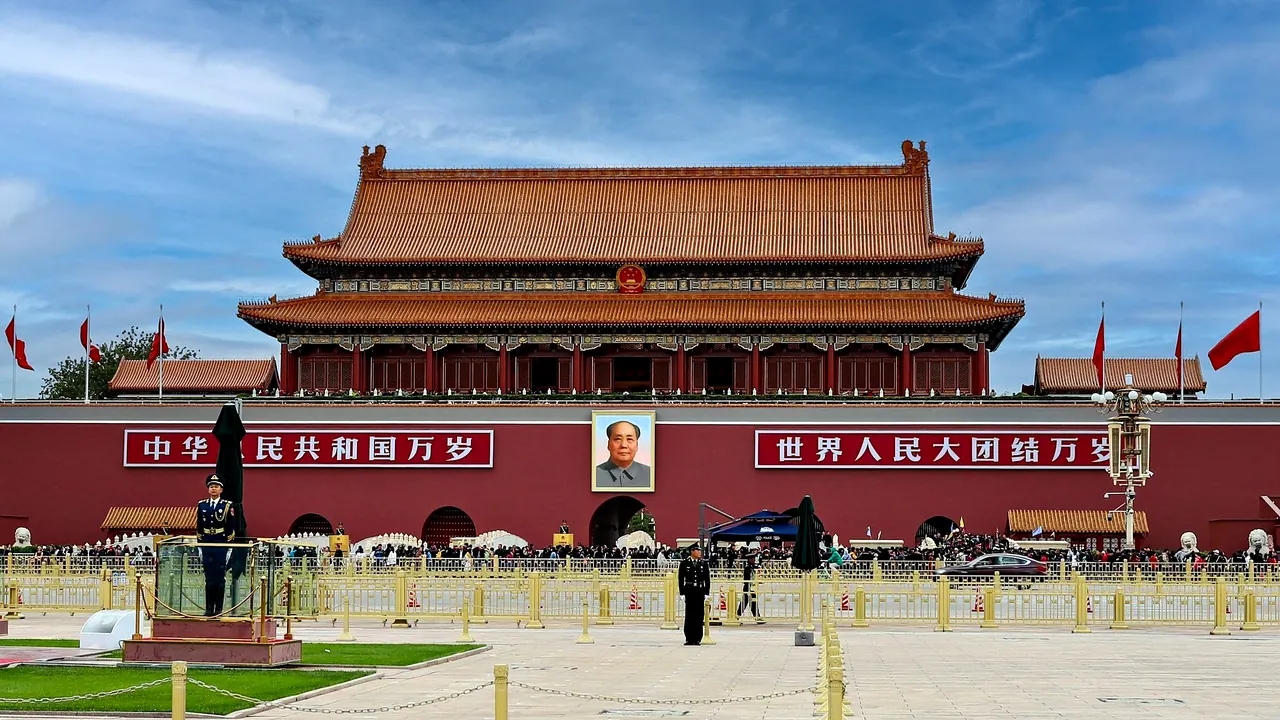
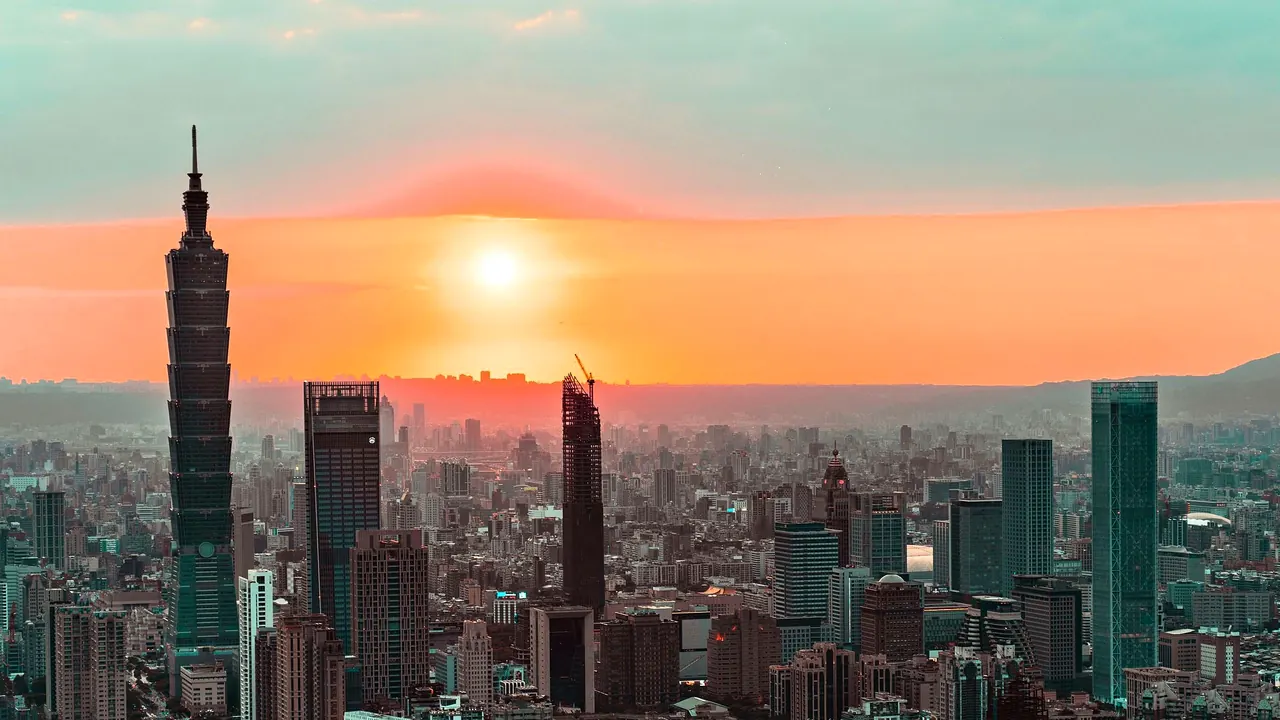
Photos: China by Son Hoa Nguyen, Pexels License; Taiwan by Jimmy Liao, Pexels License.
China or Taiwan?
Our verdict in twelve categories, each scored against the same fixed benchmark cities, and the climate month by month, so you can choose for your trip.
Choose China for
- culture and sights
- day trips
- shopping
China is the trip for someone who wants scale and history: the Forbidden City, the Terracotta Army and the karst hills of the Li River all in one journey, and a different regional cuisine at each stop. It also has more to do after dark and more to buy, and it goes further on a modest budget. The price is distance. A good route links Beijing, Xi'an, Shanghai and perhaps Guilin or Chengdu by fast train, and it takes two weeks or more to do properly.
Choose Taiwan for
- wellness
- getting around
Taiwan suits a slower, easier trip in a country you can cross in an afternoon. Taipei gives you night markets, the National Palace Museum and a hot-spring valley at the end of a metro line. From there the mountains of Taroko and Alishan and the old temple lanes of Tainan are short trips away. It has fewer great monuments, but it is relaxed, safe and good to eat in, and it is the better choice for a soak and a quiet few days in the hills.
Scoreboard
Twelve categories on one fixed scale from 0 to 100. The shaded stretch is the gap between the two.
Your match
Pick a travel style or drag the sliders, and both match scores follow your weighting.
Wins on culture and sights and day trips with your weighting.
Wins on wellness and getting around with your weighting.
What matters to you?
Category by category
What the scores mean for a trip.
Beaches & swimming
Neither country is a beach destination, and the swimming is about equal. What differs is the kind of beach. China's one real beach coast is Sanya on Hainan, with long sandy bays lined by resort hotels. The sea there is warm all year, but it is a flight from everything else, and the city beaches at Qingdao and Xiamen are crowded summer afternoons out.
Taiwan's beaches are smaller and wilder. Kenting has sandy bays at the southern tip, Xiaoliuqiu has rocky coves where turtles feed, and Penghu has the clearest water but needs its own crossing. Typhoons can interrupt late summer.
Where in China: Sanya, Hainan, Xiamen, Qingdao
Where in Taiwan: Kenting, Penghu, Xiaoliuqiu, North Coast
Food & drink
Both countries are reasons to travel in themselves, and the difference is in how you eat. In China, food changes as you travel: numbing Sichuan hotpot in Chengdu, dim sum in Guangzhou, hand-pulled noodles in Xi'an's Muslim Quarter, roast duck in Beijing. Each region is a long train ride from the next. Taiwan packs its food into short distances, with night markets in every town, Tainan's old family snack recipes, Kaohsiung's harbour seafood and oolong from Alishan, and you are rarely far from your next meal.
Culture & sights
China has far more for the sightseer. The Forbidden City and the Great Wall near Beijing, the Terracotta Army and the Ming walls of Xi'an, Pingyao's walled town and the cave temples at Dunhuang and Longmen could fill several separate trips. The catch is that many old streets have been rebuilt rather than kept.
Taiwan has one world-class site in the National Palace Museum in Taipei, home to a great collection of Chinese imperial art. Beyond that, its history is on a smaller scale: neighbourhood folk temples, Japanese-era stations, Fort Zeelandia and the shophouse lanes of Tainan and Lukang.
Where in China: Beijing, Xi'an, Suzhou and Hangzhou, Dunhuang
Nightlife
China has more to offer after dark, at least in its big cities. Shanghai has cocktail bars in the French Concession, rooftop bars facing the Bund and clubs that stay open late. Beijing mixes Sanlitun's polished bars with the scruffier ones in the hutongs, and Chengdu and Chongqing run long nights of hotpot and beer by the river.
In Taiwan, evenings revolve around food rather than drink. Taipei is the only real scene, with bars in Da'an and Zhongshan and a few clubs in Xinyi. It is friendly and safe, but the nights finish earlier.
Nature & outdoors
China wins on range of landscape. It has the Li River karst between Guilin and Yangshuo, Zhangjiajie's sandstone pillars, Huangshan in cloud, Jiuzhaigou's lakes and the Tibetan plateau. The famous parks have good paths and shuttles but are crowded, and the far west needs time and, for Tibet, permits.
Taiwan's mountains are closer together and easier to reach. Taroko Gorge, the cloud forest of Alishan and the climb up Yushan are all a short trip apart. It also does especially well at cycling, along the round-island route and through the East Rift Valley, and it adds surf at Yilan and diving off Green Island.
Where in China: Guilin and Yangshuo, Zhangjiajie, Huangshan, Yunnan
Where in Taiwan: Taroko Gorge and Hualien, Alishan and Yushan, East Rift Valley, Sun Moon Lake
Day trips
From a single base, China gives you better day trips. From Shanghai, fast trains reach Suzhou's gardens, Hangzhou's West Lake, Ming Nanjing and the canal towns. Beijing has Chengde's summer resort, and Xi'an has the grottoes at Luoyang. Away from these clusters, though, the next sight is usually an overnight journey.
Taipei's days out are smaller and charming: the lantern-hung stairways of Jiufen, Tamsui's fort, the pottery of Yingge and the old Pingxi railway line. The fast train even makes Tainan possible as a long day.
Good for families
Families do equally well in both, in different ways. China has the big theme parks: Disney in Shanghai, Universal in Beijing and Zhuhai's ocean park, plus the panda base in Chengdu. It also has the crowds, the crush of the festival weeks and long stairways in the mountain parks.
Taiwan is gentler and safer. Stations have lifts, there are convenience stores everywhere, and Taichung's science museum and the aquarium near Kenting are the highlights. The main problems are summer humidity and scooter traffic.
Where in China: Shanghai, Beijing, Chengdu, Zhuhai
Where in Taiwan: Taipei, Taichung, Kenting and Pingtung
Getting around
Both are easy to travel by train, and the difference is one of scale. China's high-speed network reaches almost every city a visitor would choose, with flights for Yunnan, Hainan and Tibet. It runs most smoothly in the Yangtze Delta, where hopping between Shanghai, Suzhou, Hangzhou and Nanjing feels like a commuter ride. Beijing's huge metro is signed in English, and Guangzhou and Shenzhen have dense metros of their own. The effort is in the vast stations outside the centres, tickets tied to your passport and festival weeks that fill every seat.
Taiwan has one west-coast line that runs from Taipei to Kaohsiung in about two hours, and a single card that works on metros, buses and local trains. Away from that line, Taroko, Alishan and Kenting are slower going, by infrequent bus or by scooter.
Where in China: Shanghai and the Yangtze Delta, Beijing, Guangzhou and Shenzhen
Shopping & style
China is the stronger shopping trip. Shanghai alone has the luxury malls of Huaihai Road and Jing'an, Nanjing Road's long pedestrian street and the designer shops of the French Concession. You can also buy things where they are made: silk in Suzhou, Longjing tea above West Lake, porcelain from Jingdezhen and electronics in Shenzhen's markets.
Taiwan's shopping is pleasant but modest and mostly in Taipei. There are malls around Taipei 101, youth fashion in Ximending, and herbs and design shops along Dihua Street. High-mountain oolong and Yingge pottery are the souvenirs worth carrying home.
Where in China: Shanghai, Beijing, Hangzhou, Shenzhen
Where in Taiwan: Taipei, Yingge, Taichung
Affordability
China is the cheaper country overall, especially away from the coast. Chengdu and Xi'an have good-value hotels and cheap noodle shops, and Dali, Lijiang and Yangshuo have long been easy on backpackers. Watch for the entry fees and cable cars at the famous parks and heritage sites, and for the dearer hotels of Shanghai and Beijing.
In Taiwan you eat cheaply anywhere, even in central Taipei. Hotels are what push the budget up, so staying in Tainan or Kaohsiung saves the most.
Live music & performing arts
China has more living theatre for a visitor. There is Beijing opera in the capital's historic theatres, gentle Kunqu in Suzhou, Sichuan opera's fast mask changes in Chengdu, and acrobatics shows you can enjoy without any Chinese. Beijing and Shanghai add major concert halls.
Taiwan's scene is smaller but has its own character. Glove-puppet theatre and Taiwanese opera are performed at temple festivals, and there is contemporary dance, Kaohsiung's wave-roofed Weiwuying arts centre and indie bands in Taipei's small live houses. Shows are less regular, so check what is on.
Wellness & relaxation
Taiwan is the better place to unwind, mainly because of its hot springs. You can take the metro from Taipei to Beitou's sulphur valley, soak by the river at Wulai, use the free street foot baths in Jiaoxi or bathe in seawater springs on Green Island, and the tea hills and Sun Moon Lake are slow, quiet places to stay.
In China, unwinding mostly means massage. Tuina and foot massage are available on almost every street, and the bathhouses of Harbin stay open all night. For real quiet you need to leave the cities for Dali or the Tengchong springs.
Where in China: Yunnan, Harbin, Hangzhou, Hainan
Where in Taiwan: Beitou, Jiaoxi, Zhiben, Wulai
When should you go?
Pick your month, and for a country the place in it. The climate figures are measured averages, not a forecast.
Where in China
Where in Taiwan
Beijing (China) in July
Taipei (Taiwan) in July
Daytime high, °C
Rainfall in the month, mm
Where the figures come from
Taipei (Taiwan) has no rain gauge within 25 km of the centre, so its rainfall comes from a gridded climate dataset read at the destination rather than from a gauge further away.
Temperature and rainfall are climate normals, averaged over the years shown. Beijing (China): 1991-2020 normals, Beijing (11.1 km from centre). Taipei (Taiwan): 1992-2020 (rainfall 1991-2020) normals, Sungshan / Taipei (3.5 km from centre).
In China the best months depend on where you go. Spring and autumn suit the north and the centre. Beijing is pleasant in May, September and early October, reaches 32°C in July and is freezing in midwinter. Guilin's karst country is at its wettest in late spring, with 442mm of rain in June, so October and November are better months for the Li River. Chengdu sees little sun for much of the year. Lhasa is sunny almost all year and driest in autumn, which is the best time to go. Hainan is the winter escape: it is dry from December to March and the sea is still near 23°C, while its rains run from July to October.
Taiwan is warm when northern China is cold, so it makes sense from November to April, especially in the south. Taipei is mild in winter but has damp, rainy days in every month, and in summer it reaches 35°C. Kaohsiung has dry winters, and its summer wet season peaks at 480mm in August, when typhoons can interrupt travel. Its sea is warm enough to swim from May to October. If you want to see both on one journey, October suits Beijing and southern Taiwan alike, though Taipei is still wet then.
Which traveller are you?
More comparisons
Each shares a side with China or Taiwan.
Where else could you go?
Set China or Taiwan against any other country.