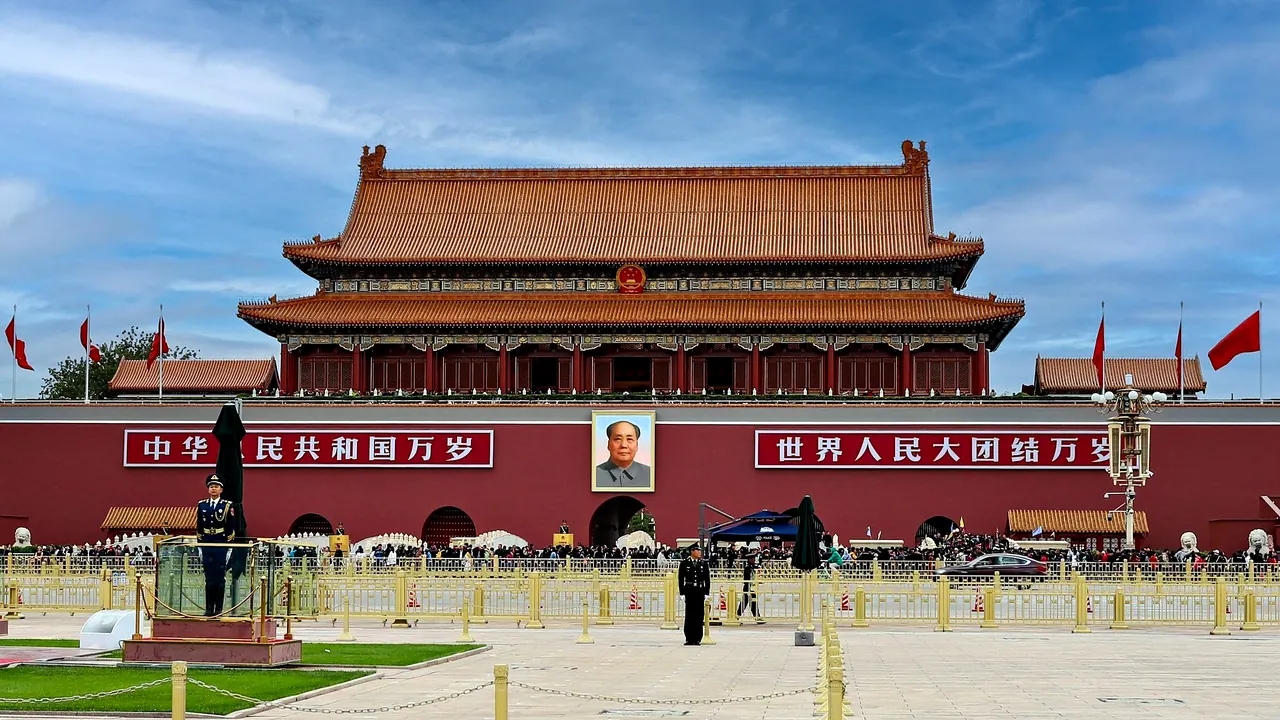

Photos: China by Son Hoa Nguyen, Pexels License; Vietnam by Đức Toàn Nguyễn, Pexels License.
China or Vietnam?
Our verdict in twelve categories, each scored against the same fixed benchmark cities, and the climate month by month, so you can choose for your trip.
Choose China for
- getting around
- day trips
- live music and the arts
China suits the traveller who wants a trip built on great sights and long distances covered in comfort. The Forbidden City, the Terracotta Army, Suzhou's gardens and the Mogao caves are joined by fast trains, and the cooking changes completely from one region to the next. It also makes the easier family trip, with theme parks, pandas in Chengdu and smooth rail travel between cities.
Choose Vietnam for
- beaches
- prices
Vietnam is the better pick for a cheaper, looser journey that ends on the sand. Street food on low stools, overnight boats among the limestone of Ha Long Bay and a long coast running from Da Nang down to Phu Quoc make it a natural mix of towns, landscapes and beach days. Its museums are more modest and moving between regions takes more effort, but what you spend goes much further.
Scoreboard
Twelve categories on one fixed scale from 0 to 100. The shaded stretch is the gap between the two.
Your match
Pick a travel style or drag the sliders, and both match scores follow your weighting.
Wins on getting around and day trips with your weighting.
Wins on beaches and prices with your weighting.
What matters to you?
Category by category
What the scores mean for a trip.
Beaches & swimming
Vietnam is the country for a beach trip. Its coast has whole stretches built around the sea: the wide city sand of My Khe at Da Nang, the village feel of An Bang near Hoi An, the curved bay at Nha Trang, calmer Quy Nhon and the soft sand and clear water of Phu Quoc. You can fit beach days into a north to south route rather than travelling specially for them.
China has one true beach coast, at Sanya on Hainan, with warm water and resort hotels along Yalong and Haitang bays, but it is a flight away from everything else. Qingdao and Xiamen offer summer city beaches crowded with domestic visitors, good for an afternoon rather than a reason to go.
Where in China: Sanya, Hainan, Xiamen, Qingdao
Where in Vietnam: Phu Quoc, Da Nang and Hoi An, Nha Trang, Quy Nhon
Food & drink
Both are countries where eating is reason enough to go, and China has a little more range. It is really several cuisines: Sichuan pepper and hotpot in Chengdu, dim sum and roast meats in Guangzhou, hand-pulled noodles in Xi'an's Muslim Quarter, duck in Beijing and soup dumplings in Shanghai, with banquet restaurants as well as night markets. Menus without pictures can make it harder outside the big cities.
Vietnam's strength is the street, where cheap stalls each cook one dish very well. Pho and bun cha in Hanoi, the spicy court cooking of Hue and cao lau in Hoi An are easy to find and easy to order. Coffee is a ritual of its own there: strong robusta poured over ice with condensed milk and drunk slowly on a pavement stool.
Where in China: Chengdu, Guangzhou, Shanghai, Xi'an
Where in Vietnam: Hanoi, Ho Chi Minh City, Hue, Hoi An
Culture & sights
China is the far bigger heritage trip. The Forbidden City and the Temple of Heaven in Beijing, the Terracotta Army and Ming wall in Xi'an, the gardens of Suzhou, walled Pingyao and the cave temples from Longmen to Dunhuang could fill several separate journeys. The catch is that many old city streets have been rebuilt rather than kept.
Vietnam's sights are fewer but very personal: Hue's citadel and royal tombs, the intact wooden port of Hoi An and the Cham towers at My Son. Its museums are modest, and much of the draw is the 20th-century wars, told at the War Remnants Museum and the Cu Chi tunnels.
Where in China: Beijing, Xi'an, Suzhou and Hangzhou, Dunhuang
Where in Vietnam: Hue, Hoi An, Hanoi, Ho Chi Minh City
Nightlife
Neither is a great going-out country, and in both the nights gather in a couple of cities. China's version is bigger and more polished: cocktail bars in Shanghai's French Concession, rooftop terraces over the Bund and clubs that run late, with Beijing's Sanlitun and the hutong bars around Gulou as a rougher alternative.
Vietnam's is cheaper and happens more on the street. Hanoi means draught beer on tiny stools around Ta Hien until about midnight, while Ho Chi Minh City runs later with rooftop bars and the loud backpacker strip of Bui Vien, and Da Nang and Nha Trang add beach bars.
Where in China: Shanghai, Beijing, Chengdu, Chongqing
Where in Vietnam: Ho Chi Minh City, Hanoi, Da Nang, Nha Trang
Nature & outdoors
Both countries have outstanding scenery, and both are famous for limestone karst. China's is inland along the Li River between Guilin and Yangshuo, and it adds great mountain views at Zhangjiajie and Huangshan, the lakes of Jiuzhaigou and the wild country of Yunnan and Tibet. Its parks are well equipped with stairways, shuttles and cable cars, so they are easy to reach but rarely quiet.
Vietnam's karst meets the sea at Ha Long and Lan Ha bays, best seen from an overnight boat or a kayak, and rises from rice fields at Ninh Binh. Its outdoors feels rougher and more adventurous: the motorbike loop through Ha Giang, the terraces of Sapa and the huge caves of Phong Nha-Ke Bang.
Where in China: Guilin and Yangshuo, Zhangjiajie, Huangshan, Yunnan
Where in Vietnam: Ha Long and Lan Ha Bays, Ninh Binh, Ha Giang and Sapa, Phong Nha-Ke Bang
Day trips
China makes day trips far easier because of high-speed rail. From Shanghai, Suzhou, Hangzhou, Nanjing and the canal towns are all within about two hours. Beijing reaches Tianjin and the summer resort at Chengde, and Xi'an reaches the grottoes of Luoyang.
Vietnam has good outings but fewer of them, mostly by road. The central coast is the best base, with My Son and the Marble Mountains close to Hoi An and Da Nang, while Hanoi has Bat Trang and Hoa Lu and Ho Chi Minh City has the Cu Chi tunnels and the Mekong Delta.
Where in China: Shanghai, Beijing, Xi'an, Guangzhou
Where in Vietnam: Hoi An and Da Nang, Hanoi, Ho Chi Minh City
Good for families
China is the easier country with children. Shanghai has a Disney resort, Beijing a Universal theme park and Zhuhai a huge ocean park, and the pandas in Chengdu delight every age. Fast trains make moving between cities comfortable, though crowds, summer heat and long stairways at mountain parks take some planning.
Vietnam works for families mainly on the coast, with the theme and water parks of Phu Quoc and Nha Trang, calm hotel beaches at Da Nang and lantern-making in small, safe Hoi An. Children are fussed over everywhere, but the motorbike traffic of Hanoi and Ho Chi Minh City is hard going with a pushchair.
Getting around
China is much simpler to cross. Fast, punctual trains link Beijing, Shanghai, Xi'an, Chengdu and Guilin, and around Shanghai, Suzhou and Hangzhou the journeys feel like a commuter ride, while Beijing's large metro has signs in English. The effort lies in huge stations outside city centres and tickets tied to your passport.
In Vietnam the long north to south shape means domestic flights do the work. The Reunification Railway is scenic near Hue but slow, and sleeper buses or drivers reach Ninh Binh and Sapa. In the cities, ride-hailing motorbikes are easy, but crossing the street through traffic is a skill to learn.
Where in China: Shanghai and the Yangtze Delta, Beijing, Guangzhou and Shenzhen
Where in Vietnam: Hanoi, Hoi An, Da Nang, Ho Chi Minh City
Shopping & style
China offers far more for a shopper. Shanghai has luxury malls on Huaihai Road, the long walk of Nanjing Road and small boutiques in the French Concession, Beijing has the Panjiayuan antique market, and there are crafts to buy near where they are made: silk in Suzhou, Longjing tea above West Lake and porcelain from Jingdezhen.
Vietnam's shopping is about made-to-measure clothes rather than brands. Hoi An's tailors make suits and dresses in a day or two, and Hanoi's Old Quarter streets each sell one kind of thing, but haggling is expected and many stalls sell the same souvenirs.
Where in China: Shanghai, Beijing, Hangzhou, Shenzhen
Where in Vietnam: Hoi An, Hanoi, Ho Chi Minh City
Affordability
Vietnam is the cheaper country by a clear margin. In Hanoi, Hue and Hoi An, street food, pavement beer, guesthouses, massages and bicycle hire cost very little, and only overnight cruises on Ha Long Bay, resorts on Phu Quoc and domestic flights push the bill up.
China is inexpensive in Chengdu, Xi'an, Yunnan and among the karst hills of Yangshuo, but Shanghai and Beijing are noticeably dearer for hotels and drinks. The famous scenic parks and heritage sites also charge large entry fees, often with shuttles or cable cars on top.
Where in China: Chengdu, Xi'an, Yunnan, Guilin and Yangshuo
Where in Vietnam: Hanoi, Hue, Hoi An, Ho Chi Minh City
Live music & performing arts
China has more to see on stage. Beijing opera with its painted faces, the gentler Kunqu of Suzhou and Sichuan opera's mask changes in Chengdu are all living traditions, acrobatics shows in Beijing and Shanghai need no language, and the big concert halls host ballet and orchestras.
Vietnam's programme is smaller but charming and easy to catch. There is water puppetry every evening in Hanoi, ca tru sung poetry, Nguyen court music in Hue, and bamboo circus at the colonial opera houses of Hanoi and Ho Chi Minh City.
Where in China: Beijing, Shanghai, Suzhou, Chengdu
Where in Vietnam: Hanoi, Ho Chi Minh City, Hue
Wellness & relaxation
The two are close here, and in both relaxation comes mainly through massage on almost every street. China adds a real bathing culture, with all-night bathhouses in Harbin and hot springs at Tengchong, and the calm of Dali on Erhai Lake or the tea villages near Hangzhou.
In Vietnam the restful trip is a beach one: resort spas at Da Nang, Hoi An and Phu Quoc, with the slow pace of Hoi An and the cool pine highlands of Da Lat nearby.
Where in China: Yunnan, Harbin, Hangzhou, Hainan
Where in Vietnam: Hoi An and Da Nang, Phu Quoc, Nha Trang, Da Lat
When should you go?
Pick your month, and for a country the place in it. The climate figures are measured averages, not a forecast.
Where in China
Where in Vietnam
Beijing (China) in July
Hanoi (Vietnam) in July
Daytime high, °C
Rainfall in the month, mm
Where the figures come from
Hanoi (Vietnam)'s sunshine is measured 86 km from the centre, at Phu Lien.
Temperature and rainfall are climate normals, averaged over the years shown. Beijing (China): 1991-2020 normals, Beijing (11.1 km from centre). Hanoi (Vietnam): 1991-2020 normals, Ha Noi (4.4 km from centre).
China's main cities are at their best in spring and autumn, roughly April to May and September to October. Beijing is bitterly cold in winter, with January highs around 2°C, and Shanghai turns hot and wet in July and August. Guilin's karst country is soaked from April to June, with about 442mm of rain in June, so autumn is the better time for the Li River. Lhasa stays dry and sunny from October to April. Hainan's sea is warm all year, and the island is driest from November to April.
Vietnam's seasons change from north to south. Hanoi is grey and mild in winter and very wet from May to September, when June highs reach about 35°C, so March to April and October to November are better for walking. The central coast around Hoi An and Nha Trang is dry and sunny from February to August. The sea there is cool in early spring and only reaches about 29°C in early summer. Autumn brings a deluge, up to 726mm in Hoi An in October. Ho Chi Minh City is hot all year and driest from December to April, the same window as Phu Quoc.
Which traveller are you?
More comparisons
Each shares a side with China or Vietnam.

 Bali vs Vietnam
 Cambodia vs Vietnam
 China vs Japan
 China vs South Korea
 China vs Taiwan
 Hong Kong vs Vietnam
 India vs Vietnam
- Japan vs Vietnam
 Laos vs Vietnam
 Malaysia vs Vietnam
 Mongolia vs China
 Myanmar vs Vietnam
- South Korea vs Vietnam
 Sri Lanka vs Vietnam
- Taiwan vs Vietnam
 Vietnam vs Indonesia
 Vietnam vs Philippines
 Vietnam vs Thailand
Where else could you go?
Set China or Vietnam against any other country.