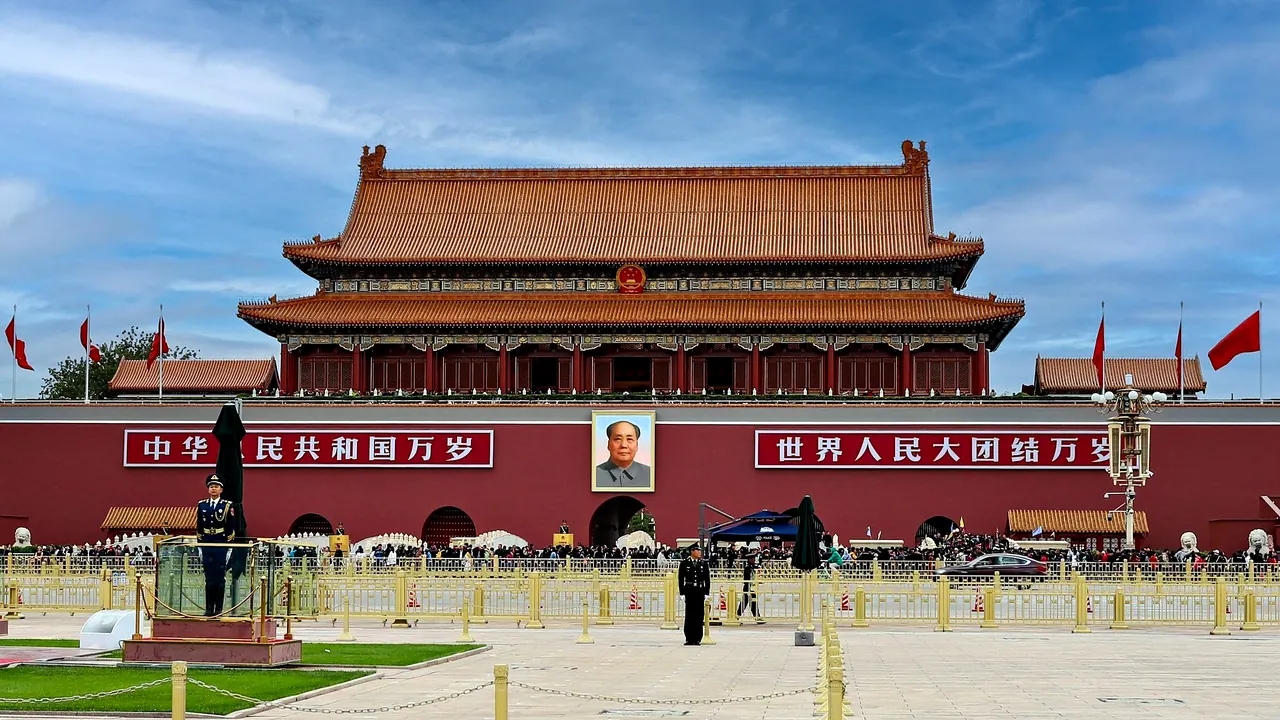
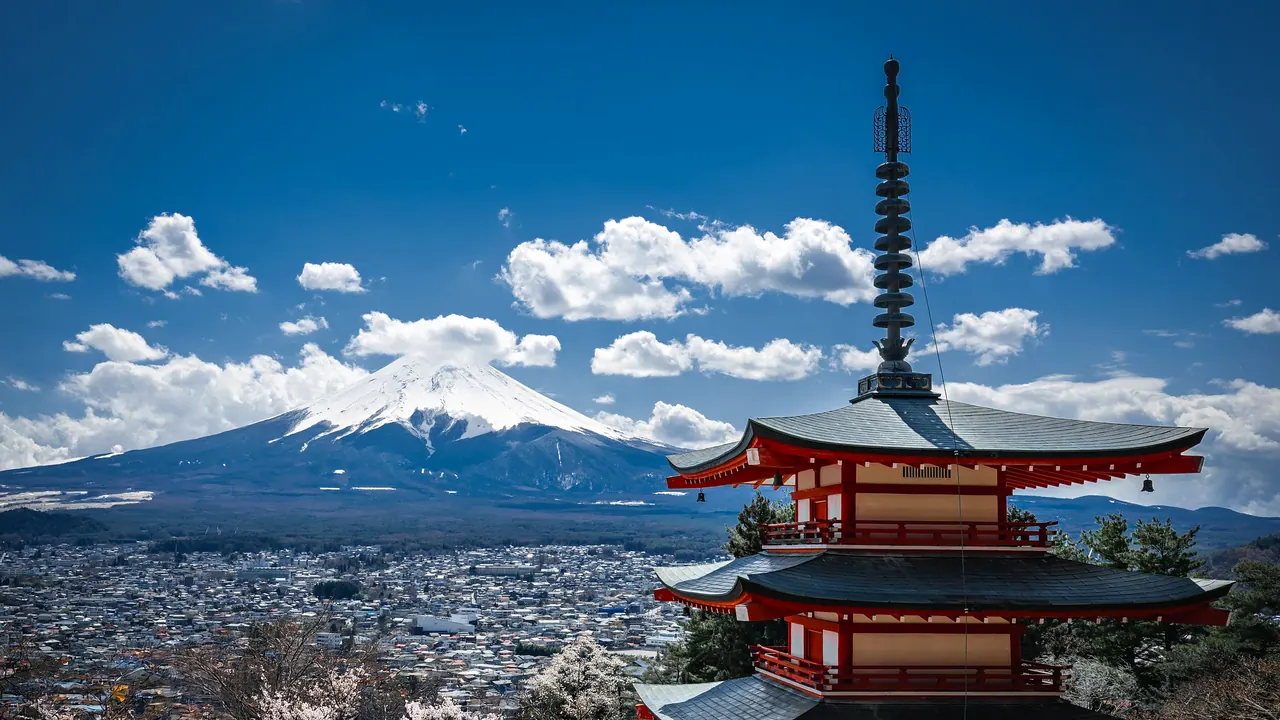
Photos: China by Son Hoa Nguyen, Pexels License; Japan by Max Mishin, Pexels License.
China or Japan?
Our verdict in twelve categories, each scored against the same fixed benchmark cities, and the climate month by month, so you can choose for your trip.
Choose China for
- prices
- culture and sights
China suits a traveller who wants scale, contrast and a lower bill: the Great Wall and the Forbidden City, the Terracotta Army at Xi'an, the karst river country around Guilin, and a route planned around Sichuan and Cantonese cooking. It asks more of you, with huge stations, little English outside the main cities and long distances. Everyday costs stay low, though, and Chengdu, Xi'an and Yunnan make a modest budget go a long way.
Choose Japan for
- wellness
- families
- nightlife
Pick Japan when ease and polish matter more than cost. Trains run on time, children are catered for everywhere, Tokyo and Osaka have plenty to do late into the night, and the onsen towns of Hakone, Kinosaki and Beppu balance the cities with real rest. It is dearer, especially in Kyoto and Tokyo during the blossom and autumn colour seasons. In return it suits a first trip to Asia or a family vacation, and very little gets in the way.
Scoreboard
Twelve categories on one fixed scale from 0 to 100. The shaded stretch is the gap between the two.
Your match
Pick a travel style or drag the sliders, and both match scores follow your weighting.
Wins on prices and culture and sights with your weighting.
Wins on wellness and families with your weighting.
What matters to you?
Category by category
What the scores mean for a trip.
Beaches & swimming
Neither country is a beach destination, and each keeps its best sand far to the south, a flight away from the main sights. China's is Sanya on Hainan, with long resort bays such as Yalong and Haitang and warm water all year, plus crowded summer city beaches at Qingdao and Xiamen.
Japan's is Okinawa, where the Kerama Islands, Miyakojima and Ishigaki have coral reefs and clear water, the better choice for snorkelling. On the main islands, Izu and the Shonan coast near Kamakura are only for swimming from July to early September.
Where in China: Sanya, Hainan, Xiamen, Qingdao
Where in Japan: Okinawa, Izu Peninsula, Shirahama
Food & drink
Both are among the world's great food countries, and both are really many cuisines in one. China's range follows its regions: numbing Sichuan pepper and hotpot in Chengdu, dim sum in Guangzhou, hand-pulled noodles in Xi'an's Muslim Quarter, roast duck in Beijing.
Japan's strength is craft and consistency, from Tokyo's sushi counters and kaiseki to Osaka's Dotonbori and Fukuoka's ramen stalls. It is also easier to eat well without help. Menus without pictures are a real hurdle in provincial China, while even a Japanese convenience store feeds you well.
Culture & sights
Heritage is a match between these two, and the difference lies in character. China's sights are imperial and monumental: the Forbidden City and the Great Wall at Beijing, the Terracotta Army and the Ming wall at Xi'an, the Buddhist caves of Dunhuang and Longmen, and the walled Qing town of Pingyao. In many cities the old streets have been restored rather than kept.
Japan's heritage is quieter and works on a smaller scale: Kyoto's temples, Zen gardens and the wooden lanes of Gion, the ancient timber halls of Horyu-ji at Nara, Himeji's original castle and the Peace Memorial in Hiroshima. China impresses through size and grandeur. Japan rewards slow looking at wood, stone and raked gravel.
Where in China: Beijing, Xi'an, Suzhou and Hangzhou, Dunhuang
Nightlife
Japan's nightlife runs far deeper. Tokyo alone has Golden Gai's tiny bars, Shinjuku's izakaya alleys and Shibuya's clubs running until the first trains. Osaka, Fukuoka and Sapporo each have a full nightlife district of their own.
In China a good night out means Shanghai's French Concession cocktail bars and Bund rooftops, Beijing's Sanlitun and Gulou, or a long hotpot evening in Chengdu. Beyond those cities, evenings turn to night markets and private karaoke rooms.
Nature & outdoors
China's scenery is on a grand scale and made for looking at. You can drift past the karst towers of the Li River on a bamboo raft between Guilin and Yangshuo, or climb stone stairways and ride cable cars up to the sandstone columns of Zhangjiajie and the misty summits of Huangshan. Yunnan's gorges and the Tibetan plateau take you into wilder country. The famous parks come with paved paths, shuttle buses and plenty of company.
Japan is just as rewarding outdoors, but it suits someone who wants to hike or ski more than look at a view. Kamikochi and Tateyama in the Japanese Alps are high walking country from July to October, and Fuji has its summer climbing season. In winter Niseko on Hokkaido and Hakuba in Nagano are known worldwide for their powder snow. For a calmer walk, Yakushima's old cedar forest and the Kumano Kodo trails are far quieter than China's well-trodden parks.
Where in China: Guilin and Yangshuo, Zhangjiajie, Huangshan, Yunnan
Where in Japan: Japanese Alps, Hokkaido, Mount Fuji, Yakushima
Day trips
Fast trains make both good for day trips, and Japan comes out a little ahead because almost any base works. From Kyoto or Osaka you can reach Nara, Himeji or Koyasan, and from Tokyo you can reach Nikko, Kamakura or Hakone, each within an hour or two.
China's day trips are just as rewarding but cluster around a few hubs, above all Shanghai, with Suzhou, Hangzhou, Nanjing and the canal towns nearby. Outside those clusters, the distances turn a day out into an overnight journey.
Good for families
Japan is by far the easier country with children. Streets are safe and clean, and baby rooms and toilets are everywhere. Tokyo's Disney resort, Osaka's Universal Studios and Okinawa's Churaumi Aquarium make long days simple to plan.
China has its own draws, above all the panda base in Chengdu, plus Disney in Shanghai and Universal in Beijing. But crowds at the big sights, menus that are hard to read and long mountain stairways make it more work.
Getting around
Both have superb fast trains, but Japan's system asks less of the visitor. The Shinkansen leaves from stations in city centres, tap-on cards work almost everywhere and luggage can be sent ahead between hotels.
China's high-speed network is vast and punctual, and in the Yangtze Delta it feels like a commuter ride. But stations sit well outside town, tickets are tied to a passport and little English is spoken outside the main cities.
Where in China: Shanghai and the Yangtze Delta, Beijing, Guangzhou and Shenzhen
Shopping & style
Japan makes the stronger shopping trip. Tokyo alone runs from Ginza and Omotesando to Harajuku street fashion, Shimokitazawa's vintage and Kappabashi's kitchen shops. Kyoto, Sakai and Kanazawa add crafts of real quality.
China's best buys are crafts and produce near their source: silk in Suzhou, Longjing tea from above West Lake and porcelain in Jingdezhen. Shanghai's malls and Shenzhen's electronics markets add more, but the historic towns repeat the same souvenirs.
Affordability
The same budget goes much further in China. Street food, metros, trains and comfortable hotels in Chengdu and Xi'an all cost little, and Yunnan and Yangshuo have long suited backpackers. Only Shanghai, Beijing and the entry fees at scenic parks really push the costs up.
In Japan, everyday meals and business hotels are fairly priced, but long-distance trains, ryokan nights and Kyoto in blossom season add up. Osaka, Fukuoka and Shikoku are noticeably cheaper.
Live music & performing arts
Both keep living stage traditions, but Japan offers a visitor more. Tokyo has the Kabuki-za and the National Noh Theatre alongside fine orchestras and a deep jazz scene. Osaka has bunraku puppet theatre, and Kyoto's geisha districts stage their dances in spring and autumn.
China's highlights are Beijing opera, Kunqu in Suzhou and the lightning mask changes of Sichuan opera in Chengdu, with acrobatics that need no language. Beyond Shanghai and Beijing, there is little live music.
Wellness & relaxation
This is Japan's clearest lead. Hot springs are part of daily life, from Hakone near Tokyo to Kusatsu's steaming spring field, Kinosaki's seven public baths and Beppu. A ryokan night is restful in a way that is hard to match.
In China, relaxation means massage: foot massage and tuina on almost every street until late, and all-night bathhouses in Harbin. Tengchong's hot springs and Dali on Erhai Lake offer calm, but the big cities themselves need escaping.
Where in China: Yunnan, Harbin, Hangzhou, Hainan
Where in Japan: Hakone, Beppu, Kinosaki, Kusatsu
When should you go?
Pick your month, and for a country the place in it. The climate figures are measured averages, not a forecast.
Where in China
Where in Japan
Beijing (China) in July
Tokyo (Japan) in July
Daytime high, °C
Rainfall in the month, mm
Temperature and rainfall are climate normals, averaged over the years shown. Beijing (China): 1991-2020 normals, Beijing (11.1 km from centre). Tokyo (Japan): 1991-2020 normals, Tokyo (3.6 km from centre).
Both countries are at their best in spring and autumn, when Beijing, Shanghai, Kyoto and Tokyo are mild enough for long days on foot. Summer is hot and sticky in the cities of both, with highs around 32°C in Beijing and Kyoto in July and August. The heavy rain comes at different times. In southern China it falls in early summer, and Guilin gets about 442mm in June. Tokyo's wettest months are September and October. Lhasa is dry and sunny from October to April, but cool.
For the beach the two separate. Hainan has the drier, sunnier winter, with the sea near 23°C even in January, so Sanya works as a winter escape. Its rains run from July to October. Okinawa's sea is about as warm in winter, but the air is cooler and the skies greyer, so its beach season runs from May to October. In the north, Sapporo stays around freezing from December to February, the season for Hokkaido's ski fields, while Beijing is cold and very dry.
Which traveller are you?
On a trip on a tight budget, China lets the money cover more ground. Meals and rooms stay cheap away from the two biggest cities, and fast trains are reasonably priced for the distance, so a long route stays affordable. Japan means tighter choices.
On a family trip with young children, Japan is the safer bet, because almost nothing in a day needs negotiating, from transport to food to a quiet hotel room. China works better with older children who cope with long stairways, crowds and unfamiliar menus.
For a relaxing and wellness trip, Japan makes the rest part of the route itself, with a night or two in a hot-spring town between the cities. China suits someone whose idea of rest is a massage after a long day's sightseeing.
More comparisons
Each shares a side with China or Japan.
Where else could you go?
Set China or Japan against any other country.