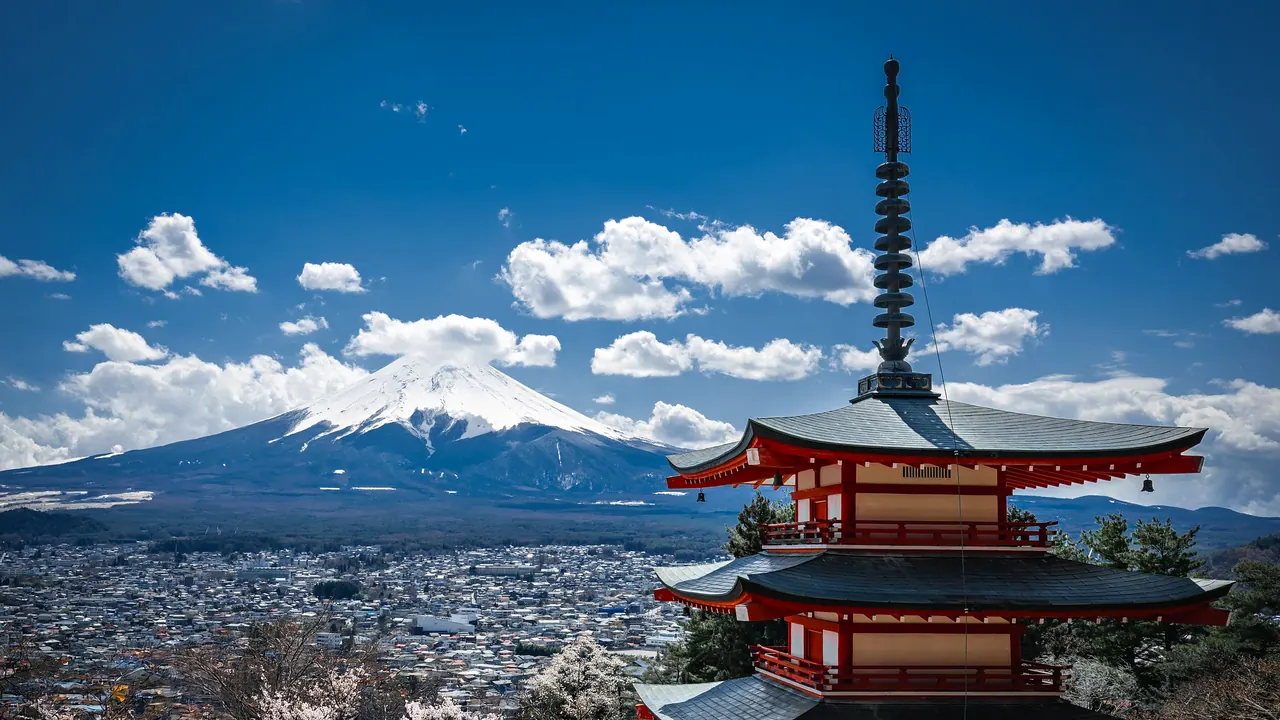
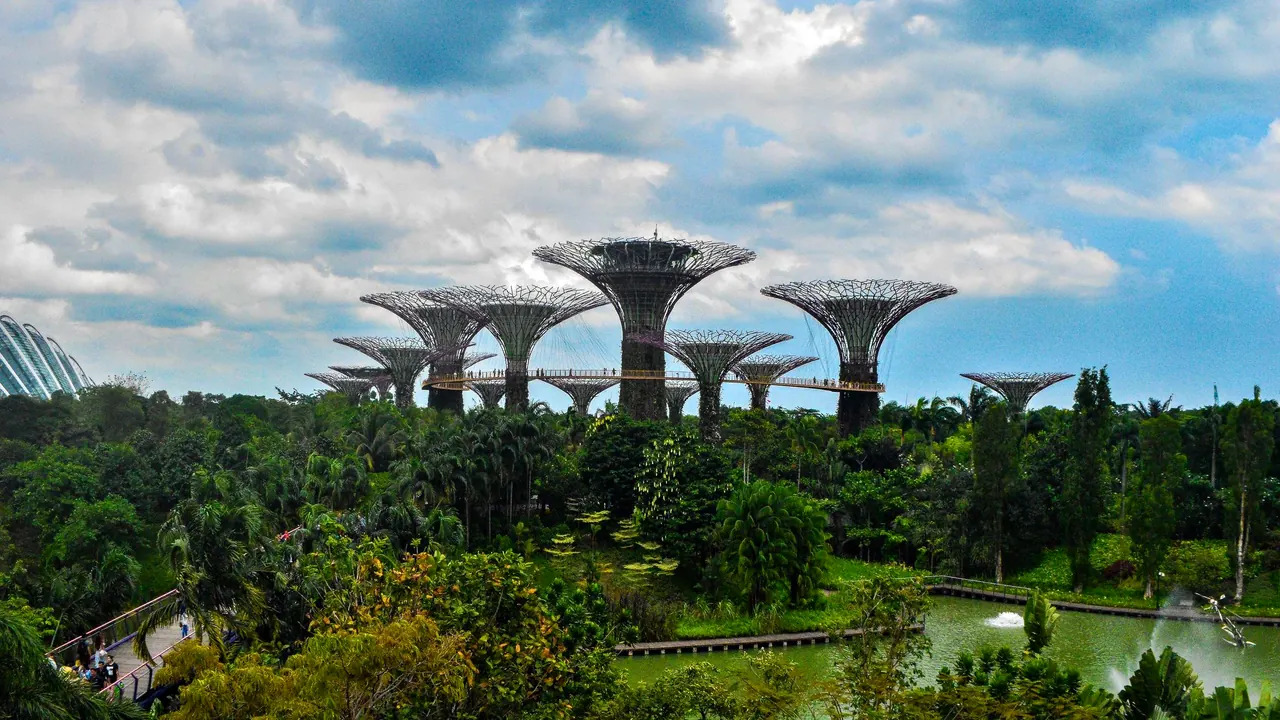
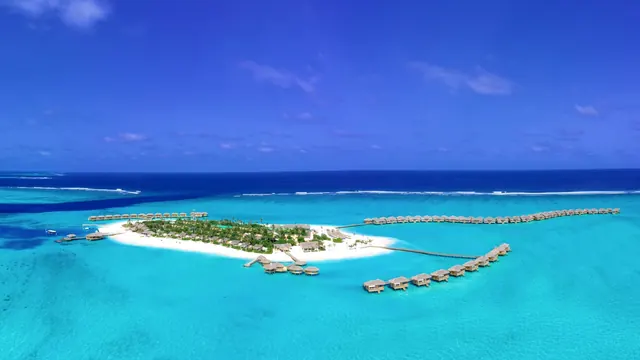
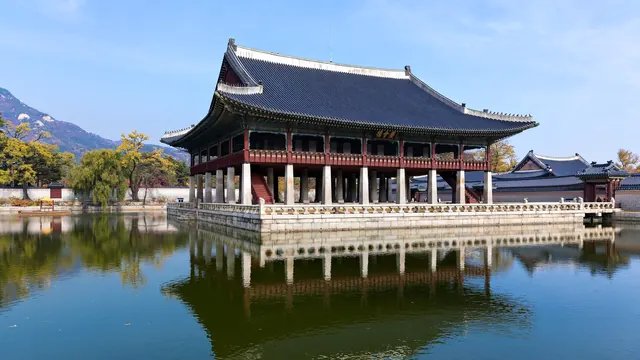
Photos: Japan by Max Mishin, Pexels License; Singapore by Kai Kai, Pexels License.
Japan or Singapore?
Our verdict in twelve categories, each scored against the same fixed benchmark cities, and the climate month by month, so you can choose for your trip.
Choose Japan for
- day trips
- wellness
- nature and the outdoors
Japan is the better choice for nearly any trip of a week or more. It has some of the world's best food and the temple cities of Kyoto and Nara. It also has mountain walking, onsen towns and fast trains that link them all. It suits travellers who want variety and don't mind moving between bases, and once you are there it is also the cheaper of the two.
Choose Singapore for
Singapore does not lead in any category we score.
Singapore makes more sense as a compact stay of a few days. You have one base, an MRT that reaches every sight, hawker centres for every meal, and wildlife parks and Sentosa for children. It works when you want warmth at any time of year, or a first stop on a wider route through Southeast Asia. It doesn't have the depth for a long stay, though, and rooms there cost a lot.
Scoreboard
Twelve categories on one fixed scale from 0 to 100. The shaded stretch is the gap between the two.
Your match
Pick a travel style or drag the sliders, and both match scores follow your weighting.
Wins on day trips and wellness with your weighting.
Has no clear advantage with the weighting you have chosen.
What matters to you?
Category by category
What the scores mean for a trip.
Beaches & swimming
Neither is a beach destination at heart, but Japan has much better beaches if you go looking for them. Okinawa's Kerama Islands, Miyakojima and Ishigaki have coral reefs and clear water, though getting there means a flight south and really a separate trip. On the main islands, the beaches of Izu, Shonan and Shirahama are only for a short summer.
Singapore's sea is warm all year, but it is the cloudy Singapore Strait with tankers on the horizon. Sentosa's imported sand and East Coast Park are good for an afternoon, not a beach stay, and most visitors swim in the hotel pool.
Where in Japan: Okinawa, Izu Peninsula, Shirahama
Food & drink
Both are among Asia's great places to eat, but Japan has more depth and more range. In Tokyo alone you can eat at standing soba counters or at the most refined sushi and kaiseki tables, and Osaka eats out for pleasure around Dotonbori. Each region adds its own dishes: Hakata ramen at Fukuoka's yatai stalls, crab in Kanazawa, miso ramen in Sapporo. Sake and whisky complete it.
Singapore's strength is having everything close together. Its hawker centres put Chinese, Malay, Indian and Peranakan cooking side by side, from chicken rice at Maxwell to satay at Lau Pa Sat. Drinking is where it falls well behind, because alcohol is heavily taxed.
Culture & sights
Japan has far more to see. Kyoto's temples and Zen gardens, Todai-ji and Horyu-ji in Nara, Himeji Castle and Hiroshima's Peace Memorial could fill several different trips, and much of it is centuries old.
Singapore offers museums and neighbourhoods rather than ancient sites. There are the National Gallery and the Asian Civilisations Museum around the Padang, the Peranakan Museum, and the temples and mosques of Chinatown, Little India and Kampong Glam. They are well presented, and two or three days cover them.
Nightlife
Nightlife in Japan's cities goes much deeper. Tokyo has Golden Gai's tiny six-seat bars, the izakaya alleys of Shinjuku and the clubs of Shibuya, and Osaka's Namba is louder still, with bars running until the first morning trains. Outside the cities, though, the night ends with dinner and a bath.
Singapore is tidier and smaller. It centres on cocktail bars in the shophouses of Chinatown and Kampong Glam, rooftop views over Marina Bay and the riverside strip at Clarke Quay. Drinks cost far more and there are few clubs.
Nature & outdoors
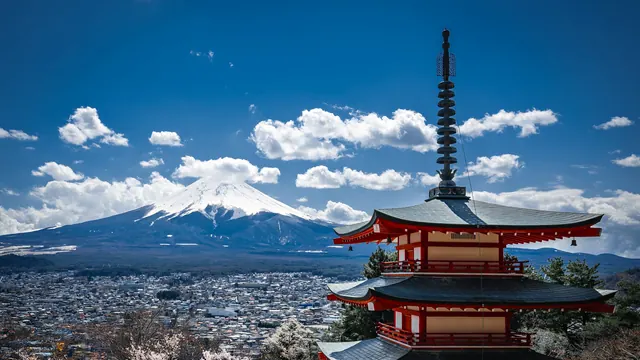
Japan is mountain country. You can hike high in the Alps around Kamikochi, climb Mount Fuji in summer, ski deep powder at Niseko and Hakuba, and visit the wild Hokkaido parks where bears live. Yakushima's ancient cedars and the Kumano Kodo pilgrim paths are quieter walks.
Singapore is surprisingly green for a city, with rainforest at Bukit Timah, the MacRitchie treetop walk and mangroves on Pulau Ubin. But the island is small and flat, and the humidity cuts walks short. Its nature fills a morning; it isn't a reason to go.
Where in Japan: Japanese Alps, Hokkaido, Mount Fuji, Yakushima
Day trips
This is the widest gap between the two. From Kyoto or Osaka, Nara, Himeji and Koyasan are easy days out by train. From Tokyo the same goes for Nikko, Kamakura and Hakone, and from Hiroshima you can reach the island shrine of Miyajima.
In Singapore there is Pulau Ubin, and after that you have to cross a border. Johor Bahru is over the causeway and ferries run to Batam and Bintan, while Malacca is too far for a comfortable day. Singapore works better as one stop on a longer route than as a base for day trips.
Good for families
Both are safe, clean and easy with children, and Japan comes out ahead because it offers more. Tokyo's Disney resort and Ghibli Museum, Osaka's Universal Studios, the deer of Nara and the bullet trains themselves keep children busy. Rush-hour trains and small hotel rooms need some planning.
Singapore keeps its attractions closer together. The Mandai parks with the zoo and Night Safari, Sentosa's Universal Studios and lagoons, and the free water play at Gardens by the Bay are all reached on an air-conditioned MRT. The heat and sudden storms are what you plan around.
Getting around
Both are among the easiest places in the world to get around, and the difference is one of scale. In Japan, the Shinkansen links Tokyo, Kyoto, Osaka, Hiroshima and Fukuoka on time, and each city has a good metro. Rural lines run less often, and Okinawa needs a flight.
Singapore is one compact network, where the MRT reaches nearly every sight and a contactless bank card works as the ticket. The limit there is the heat, which makes long walks hard work.
Shopping & style
Japan has more to buy, and more that you won't find elsewhere. In Tokyo there are Ginza's department stores, Harajuku street fashion, Shimokitazawa vintage, Akihabara electronics and the kitchenware of Kappabashi. Beyond Tokyo come crafts in Kyoto, gold leaf in Kanazawa and knives from Sakai.
Singapore is mostly malls, with Orchard Road and Marina Bay offering the international brands in air-conditioned comfort. The more distinctive shopping is on Haji Lane, in Joo Chiat's Peranakan beadwork and in Little India's gold and spices, and prices are no lower than in the West.
Affordability
Japan is clearly the cheaper of the two. Ramen, set lunches and convenience-store meals are cheap and good, and business hotels are fairly priced. Osaka, Fukuoka and Shikoku cost less again. Costs climb with long-distance trains, ryokan stays and Kyoto during cherry blossom.
In Singapore the hotel room is the main cost, and bars and the big paid attractions add to it. Hawker meals and the MRT keep daily spending low, but accommodation stays expensive however carefully you plan.
Live music & performing arts
Japan has stage traditions you can't see anywhere else. There is kabuki at Tokyo's Kabuki-za, Noh, bunraku puppet theatre in Osaka, the all-female Takarazuka Revue and Kyoto's geisha dances in spring and autumn. Add orchestras and a deep jazz scene, and it is a real draw.
Singapore's programme is well run but smaller. It centres on the Singapore Symphony Orchestra at the Victoria Concert Hall and the Esplanade, with free waterfront performances and touring musicals. It fills an evening but won't shape a trip.
Wellness & relaxation
Japan is one of the world's great places to unwind, thanks to its hot springs. Hakone is an easy trip from Tokyo. In Kinosaki you walk in yukata between seven public baths, and Beppu steams in Kyushu. A night in a ryokan, with an outdoor bath and futons on tatami, is restful in itself.
Singapore has no bathing tradition of its own. Hotel spas and Chinatown's foot-massage shops are good for a few hours, and the Botanic Gardens are calm early in the morning, but the city moves fast.
Where in Japan: Hakone, Beppu, Kinosaki, Kusatsu
When should you go?
Pick your month, and for a country the place in it. The climate figures are measured averages, not a forecast.
Where in Japan
Tokyo (Japan) in July
Singapore in July
Daytime high, °C
Rainfall in the month, mm
Temperature and rainfall are climate normals, averaged over the years shown. Tokyo (Japan): 1991-2020 normals, Tokyo (3.6 km from centre). Singapore: 1991-2020 (rainfall 1961-1990) normals, Singapore / Changi Airport (17 km from centre).
For sightseeing in Japan, spring and autumn are best. In April, May and November, Tokyo and Kyoto are mild enough for long days of walking. September and October are still pleasant but bring heavy rain to Tokyo. In July and August the main islands are hot and humid, with both cities reaching 32°C, and Kyoto has its wettest month in July at 250mm. In summer, Sapporo and the Alps are the cooler places to be. Hokkaido is the place for snow from December to February, when Sapporo stays near freezing. For the sea, Okinawa's water reaches 29°C in July and August and is swimmable from May to October. Izu and the Shonan coast near Tokyo are only warm enough from July to early September.
Singapore's weather hardly changes, with highs of 31-32°C and a warm sea in every month. That makes it pool weather all year, but also too hot for walking at midday all year. What changes is the rain. Storms come in every season, but November to January is wettest, peaking at 333mm in December, while February to September is drier and sunnier.
Which traveller are you?
For a relaxing and wellness trip, Japan wins clearly. You can build a whole route around bathing, from Kusatsu's steaming spring field to Dogo's bathhouse in Shikoku, and use city sento between sights. Singapore offers restful hours, not a retreat.
More comparisons
Each shares a side with Japan or Singapore.
Where else could you go?
Set Japan or Singapore against any other country.