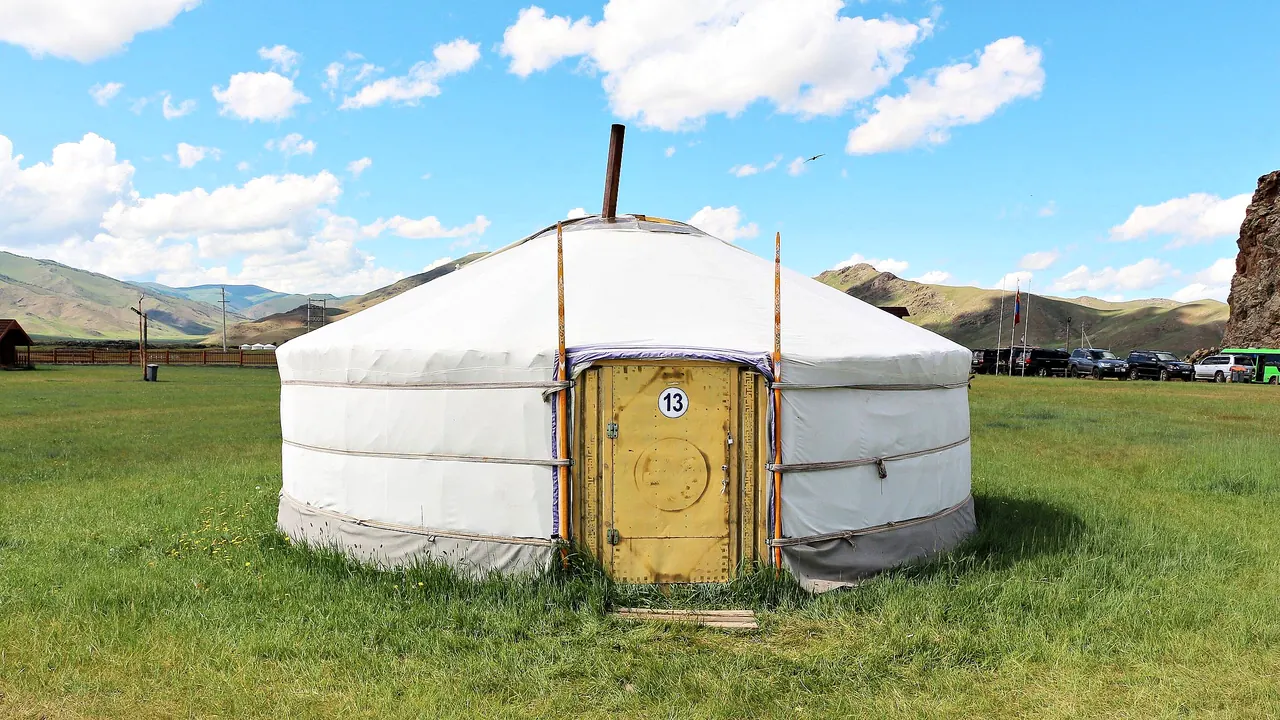
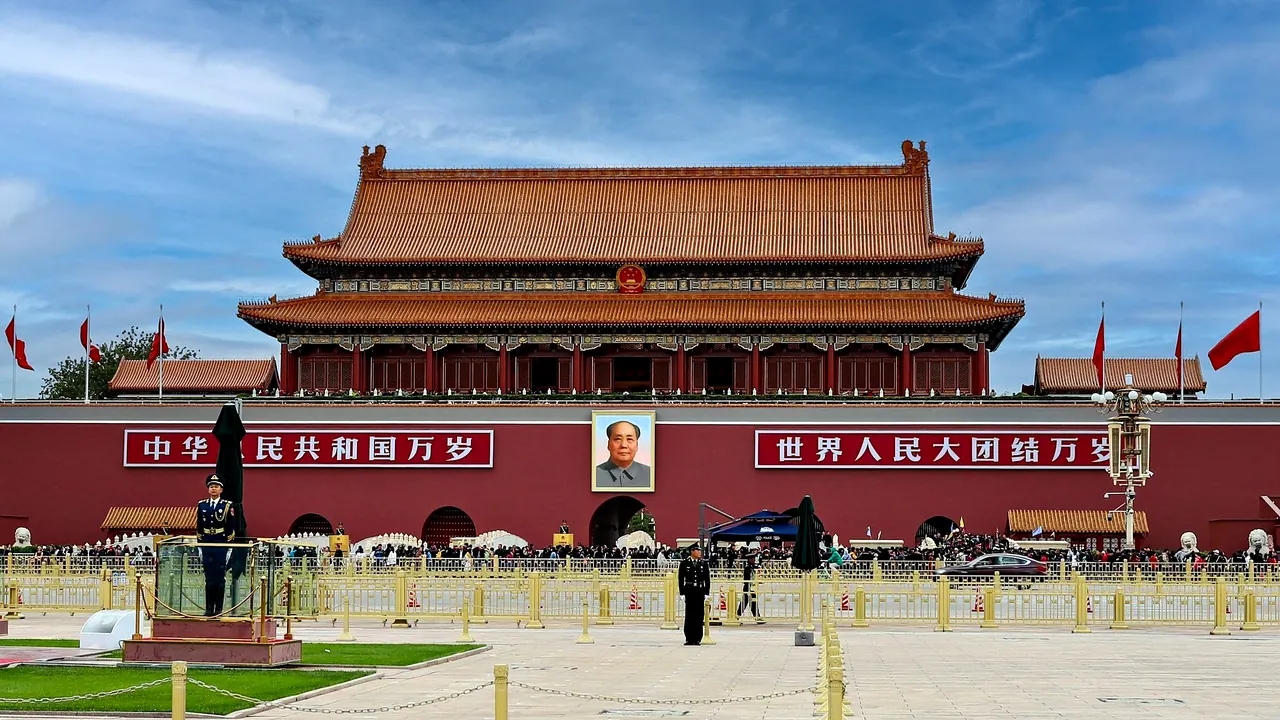
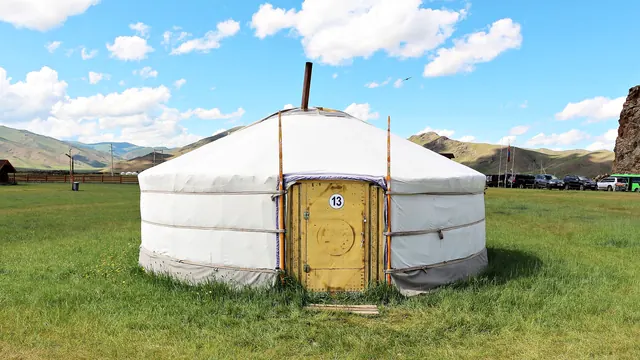
Photos: Mongolia by Bernard Gagnon, CC0; China by Son Hoa Nguyen, Pexels License.
Mongolia or China?
Our verdict in twelve categories, each scored against the same fixed benchmark cities, and the climate month by month, so you can choose for your trip.
Choose Mongolia for
Mongolia does not lead in any category we score.
Mongolia suits a traveller who wants space more than sights: weeks of open steppe, the Gobi dunes and the larch forest round Lake Khövsgöl, nights in ger camps and days spent on horseback or in a four-wheel-drive van. It is a single long overland journey with a hired driver, simple food and little in the way of comfort. In return it offers a sense of emptiness that is very hard to find anywhere else.
Choose China for
- day trips
- getting around
- food and drink
China is the better choice for almost every other kind of trip. Its imperial heritage, regional cooking, city nightlife and theme parks are linked by fast trains, so a visitor can combine Beijing's palaces, Xi'an's Terracotta Army, Chengdu's hotpot and the karst hills of Guilin in one journey and still sleep in a comfortable hotel each night.
Scoreboard
Twelve categories on one fixed scale from 0 to 100. The shaded stretch is the gap between the two.
Your match
Pick a travel style or drag the sliders, and both match scores follow your weighting.
Has no clear advantage with the weighting you have chosen.
Wins on day trips and getting around with your weighting.
What matters to you?
Category by category
What the scores mean for a trip.
Beaches & swimming
Mongolia is landlocked. Its cold mountain lakes, Khövsgöl among them, are for scenery and a quick plunge, not for lying on the sand.
China at least has one genuine beach destination: the warm sandy bays of Sanya on Hainan, a flight away from the main sights and best as a few days of rest at the end of a trip. The city beaches at Qingdao and Xiamen are fine for a summer afternoon, but they are crowded.
Where in China: Sanya, Hainan, Xiamen, Qingdao
Food & drink
Mongolian food comes from herding life: mutton, dairy and dumplings. The best of it is hospitality, such as airag and stone-cooked khorkhog offered by families in Arkhangai, and real variety exists only in Ulaanbaatar's Korean and Japanese restaurants.
In China a whole journey can be planned around eating, with each region serving something different: Sichuan pepper in Chengdu, dim sum in Guangzhou, hand-pulled noodles in Xi'an's Muslim Quarter and soup dumplings in Shanghai. Vegetarians in particular will eat far better in China.
Where in Mongolia: Ulaanbaatar, Arkhangai
Culture & sights
Mongolia's heritage survives in scattered fragments: Gandan Monastery and the Winter Palace in Ulaanbaatar, Erdene Zuu in the Orkhon Valley and the rock art of the Altai. Each of these is worth seeing, but they are separated by long drives.
China has heritage on a scale that could fill several separate trips: the Forbidden City and the Great Wall from Beijing, the Terracotta Army in Xi'an, the gardens of Suzhou and the Silk Road caves at Dunhuang. Many old streets have been restored rather than kept original, but the major monuments are hard to match.
Where in Mongolia: Ulaanbaatar, Orkhon Valley, Amarbayasgalant, Mongolian Altai
Where in China: Beijing, Xi'an, Suzhou and Hangzhou, Dunhuang
Nightlife
In Mongolia, going out means Ulaanbaatar: pubs and cocktail bars south of Sükhbaatar Square, weekend clubs and karaoke. Out in the countryside, an evening ends with a vodka toast under the stars.
China offers several cities to go out in. Shanghai has French Concession cocktail bars and clubs that stay open late, Beijing mixes Sanlitun with the hutong bars, and in Chengdu and Chongqing the night goes on over hotpot and beer.
Where in Mongolia: Ulaanbaatar
Nature & outdoors
Both countries have outstanding landscapes, so the real difference is in character. Mongolia offers open space: the singing dunes and Flaming Cliffs of the Gobi, the lake and forest of Khövsgöl, and glaciers and eagle hunters in the Altai. These are reached on long, rough drives and explored on horseback.
China's scenery is more dramatic and easier to reach. There are the karst towers along the Li River, the sandstone pillars of Zhangjiajie and the turquoise lakes of Jiuzhaigou, but these parks have paths, shuttles and plenty of other visitors, so they are rarely solitary.
Where in Mongolia: Gobi Desert, Lake Khövsgöl, Arkhangai and the Orkhon Valley, Altai Tavan Bogd
Where in China: Guilin and Yangshuo, Zhangjiajie, Huangshan, Yunnan
Day trips
Mongolia is travelled on multi-day circuits rather than from a base. From Ulaanbaatar there is little beyond the giant Chinggis Khaan statue at Tsonjin Boldog and the Manzushir ruins.
In China, high-speed rail turns the big cities into excellent bases. From Shanghai you can reach Suzhou, Hangzhou, Nanjing and the canal towns in a day, from Beijing you can reach Chengde, and Luoyang is a fast train ride from Xi'an.
Where in Mongolia: Tsonjin Boldog, Manzushir Monastery
Good for families
Mongolia can work for older, hardy children who will enjoy sleeping in a ger and riding horses in Gorkhi-Terelj. The long days on rough tracks and limited medical care outside the capital make it unsuitable for toddlers.
China is much easier with children. There is a Disney resort in Shanghai, the ocean park at Zhuhai and the panda base in Chengdu, and comfortable trains link them. The main difficulties are crowds and summer heat.
Where in Mongolia: Gorkhi-Terelj, Gobi Desert, Ulaanbaatar
Getting around
Mongolia's roads are mostly dirt tracks, so most travellers hire a driver and a four-wheel-drive vehicle for a week or more, and fly to reach the Gobi or the far west. Even Ulaanbaatar is clogged with traffic.
China is huge but quick to cross. Fast, punctual trains link Beijing, Shanghai, Xi'an, Chengdu and Guilin, and the Yangtze Delta is so densely connected that hopping between cities feels like a commute. The effort lies in the vast stations, passport-linked tickets and the little English spoken outside the major cities.
Where in Mongolia: Ulaanbaatar
Where in China: Shanghai and the Yangtze Delta, Beijing, Guangzhou and Shenzhen
Shopping & style
Cashmere is the reason to shop in Mongolia: sweaters and blankets from Ulaanbaatar's factory shops, with felt and deels at Narantuul market. Apart from that there is little to buy.
China offers far more. You can go from the luxury malls and French Concession boutiques of Shanghai to Beijing's Panjiayuan antique market, and buy crafts where they are made, such as silk in Suzhou, Longjing tea near West Lake and porcelain in Jingdezhen.
Where in Mongolia: Ulaanbaatar
Affordability
In Mongolia, daily costs in Ulaanbaatar are low, but the overall bill depends on transport: a driver, a vehicle and fuel, and often a domestic flight. Sharing a jeep and staying with families in Arkhangai keeps a trip modest.
China is cheaper overall. Its street food, metros and trains cost little, and Chengdu, Xi'an, Yunnan and Yangshuo are easy on a tight budget. Spending rises in Shanghai and Beijing hotels and through the entry fees and cable cars at the scenic parks.
Where in Mongolia: Ulaanbaatar, Arkhangai
Live music & performing arts
Mongolia's great draw is its music: throat singing, the horse-head fiddle and long song, which folk ensembles in Ulaanbaatar perform all summer. Naadam in July adds wrestling, archery and horse racing.
China has a broader stage. You can see Beijing opera, Kunqu in Suzhou and Sichuan mask-changing in Chengdu, as well as acrobatics that need no language, and Beijing and Shanghai have major concert halls for classical music and ballet.
Where in Mongolia: Ulaanbaatar
Wellness & relaxation
Mongolia offers a few hot springs, the best being Tsenkher in Arkhangai, where outdoor pools sit beside ger camps. Even so, the long drives make most trips tiring rather than restful.
In China, relaxation comes through massage more than bathing. Foot massage and tuina are available on almost every street, Harbin has all-night bathhouses, and Dali and the tea villages around Hangzhou offer a slower pace away from the noise of the big cities.
Where in Mongolia: Tsenkher Hot Springs, Arkhangai, Shargaljuut
When should you go?
Pick your month, and for a country the place in it. The climate figures are measured averages, not a forecast.
Where in China
Ulaanbaatar (Mongolia) in July
Beijing (China) in July
Daytime high, °C
Rainfall in the month, mm
Temperature and rainfall are climate normals, averaged over the years shown. Ulaanbaatar (Mongolia): 1991-2020 normals, Ulaan-Baator (2.9 km from centre). Beijing (China): 1991-2020 normals, Beijing (11.1 km from centre).
Mongolia has a short season. Ulaanbaatar is pleasant from June to August, when daytime highs reach about 26°C, and those same months bring most of the year's rain, though even the wettest month stays modest. September is crisp and still usable. From November to March the cold is severe, with January highs around -16°C, and travel across the steppe effectively stops.
China's best months depend on where you go. Beijing and Chengdu are at their most comfortable in spring and autumn, from April to May and September to October. Their summers are hot and wet, with Beijing's July rain reaching 163mm. Guilin's heaviest rain falls in early summer, so its karst country is best in autumn. Hainan's sea stays warm enough to swim all year, but the heavy rain from August to October makes winter and spring the better time for Sanya. Lhasa is dry and sunny through autumn and spring.
Which traveller are you?
On an outdoors trip, both countries have superb landscapes, but they suit different travellers. Mongolia means horse and camel treks across empty steppe and desert, with nights in ger camps. China's parks, such as Zhangjiajie and Huangshan, are more developed, with paths, stairways and cable cars.
On a food and nightlife trip, choose China. Each region has its own cooking, from Chengdu's numbing hotpot to Cantonese dim sum, and Shanghai and Beijing have late bars and clubs. Mongolia's food is meat and dairy, and its nightlife exists only in Ulaanbaatar.
More comparisons
Each shares a side with Mongolia or China.
Where else could you go?
Set Mongolia or China against any other country.