South Korea
Busan
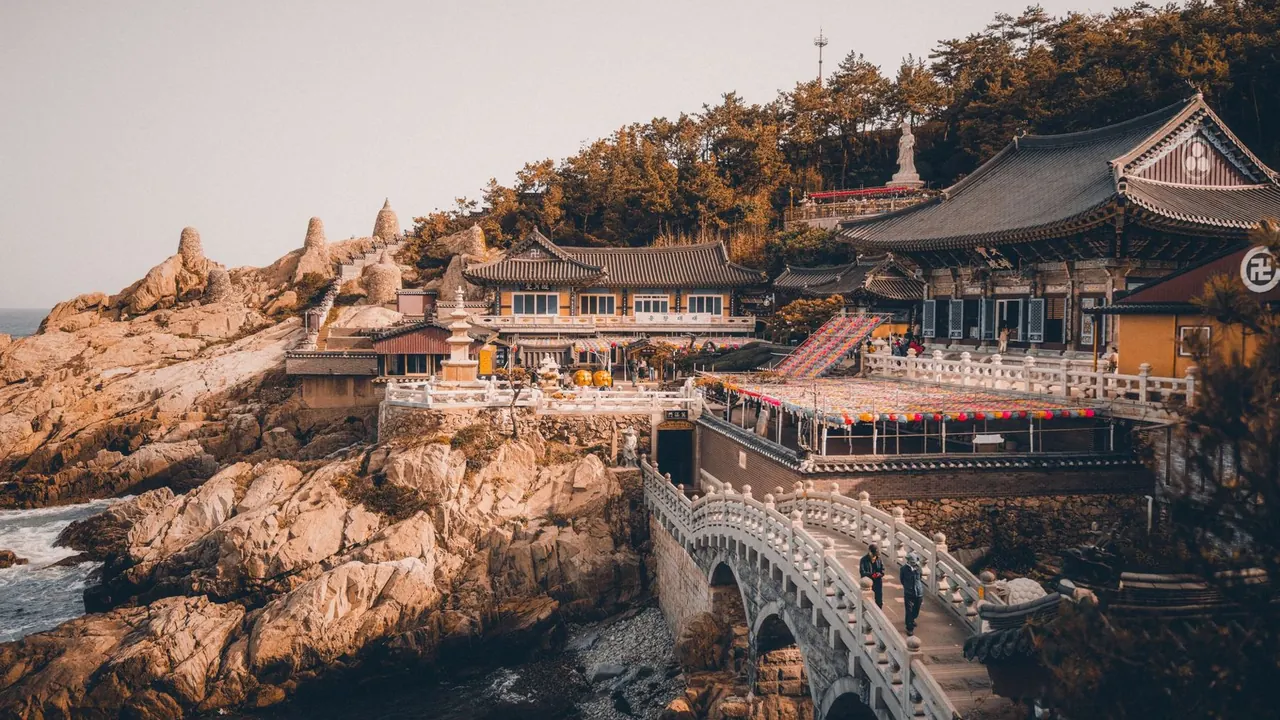
Haedong Yonggungsa temple on the rocks by the sea
- Wellness & relaxation78
- Nature & outdoors74
- Day trips74
Photo: Andrea De Santis, Pexels License
Match
65
Every category weighted equally
- Beach & sun67
- Culture & arts62
- Food & nightlife62
- Family trip66
- Outdoors68
- Relax & unwind68
- Shopping & style63
- On a budget64
Busan in twelve categories
Our verdict on each, scored 0 to 100 against the same fixed benchmark cities, so a score means the same thing on every page.
Beaches & swimming. Scores 68 out of 100.
Food & drink. Scores 72 out of 100.
Culture & sights. Scores 52 out of 100.
Nightlife. Scores 60 out of 100.
Nature & outdoors. Scores 74 out of 100.
Day trips. Scores 74 out of 100.
Good for families. Scores 70 out of 100.
Getting around. Scores 68 out of 100.
Shopping & style. Scores 60 out of 100.
Affordability. Scores 56 out of 100.
Live music & performing arts. Scores 42 out of 100.
Wellness & relaxation. Scores 78 out of 100.
Busan category by category
Beaches & swimming
68Busan is Korea's beach city, and its beaches sit inside the city rather than an outing away. Haeundae is the famous one, a long, wide arc of sand backed by high-rises. Gwangalli faces the lit-up Gwangan Bridge and draws an evening crowd. Songjeong is calmer and popular with beginner surfers, while Dadaepo and Songdo, in the west and south, are more local. In August the sea reaches about 25°C and swimming is easy.
The drawback is the season. Swimming is really only good from July to early September, and in the peak weeks Haeundae fills with umbrellas from end to end. For the rest of the year the beaches are for walking and looking at, not for bathing.
Food & drink
72Busan eats from the sea. Jagalchi Market is the centre of it: you choose live fish, octopus or sea squirt downstairs and eat it raw or grilled upstairs. Raw fish halls also line Millak and Gijang, which is known for grilled eel and dried anchovy. The city's own dishes are plain and filling: dwaeji gukbap, a milky pork-bone soup served all night, and milmyeon, cold wheat noodles in an icy broth. Busan is also the home of Korean eomuk, the fishcake sold on skewers from steaming broth, and the place where Korea's fishcake trade began.
Bupyeong's Kkangtong night market and the stalls around Gukje Market and Nampo-dong cover snacks such as ssiat hotteok, a seed-filled pancake. In the evening the tent bars by the shore pour soju alongside grilled clams. International cooking and high-end dining are limited, so variety comes from Korean food rather than the wider world.
Culture & sights
52Busan is a port city that grew quickly during and after the Korean War, so it has little old townscape. Its best sights are religious. Beomeosa, a mountain temple founded more than a thousand years ago, stands on the slopes of Geumjeongsan. Haedong Yonggungsa sits on the rocks above the sea, which is unusual for a Korean temple. Gamcheon Culture Village, a hillside of painted refugee-era houses, is the most photographed corner of the city.
The UN Memorial Cemetery, the only one of its kind in the world, and the Museum of Modern History deal with the war years. The Busan Museum covers the longer local past, and Yongdusan Park and its tower look out over the port. It is a good collection for two or three days, not a city to choose for its sights.
Nightlife
60Going out in Busan follows the Korean pattern: dinner turns into rounds of soju and beer, then karaoke, and the night runs late without anyone planning it. Seomyeon is the densest area, with blocks of pubs, bars and a few clubs that stay busy until the early hours. Gwangalli has beachfront bars and craft beer looking across at the illuminated bridge. Haeundae draws a more tourist and expat crowd, and the university streets around Kyungsung and Pukyong are young and cheap.
Tent bars and seafood places near the shore add some local colour. The club scene is modest and most dedicated clubbers head to the capital, but for bar-hopping and a late, sociable night Busan is good company, especially in summer.
Nature & outdoors
74Busan sits between mountains and the sea, and much of it is hilly. You can hike from a metro station. Geumjeongsan, with its old fortress walls, rises above the north of the city, and Jangsan and Hwangnyeongsan give wide views across the harbour and the towers. The coast is the bigger draw. The Igidae path runs along cliffs facing the sea, the Taejongdae headland has rocky shores and a lighthouse, and the Oryukdo islets mark the entrance to the harbour. The long-distance Galmaetgil trail links much of this shoreline.
An hour or so inland, the Yeongnam Alps offer high ridges and silver-grass meadows that turn gold in autumn. Surfing at Songjeong and sailing at Suyeong Bay fill the summer. Spring and autumn are the best seasons for walking.
Day trips
74The great day trip is Gyeongju, the ancient Silla capital, about half an hour by fast train. It has royal tomb mounds, Bulguksa temple, Seokguram grotto and an excellent national museum, enough for a long day or more. Closer in, Tongdosa in Yangsan is one of Korea's most important temples.
To the west, the harbour town of Tongyeong and the island of Geoje make a coastal outing. Gimhae has relics of the Gaya kingdom, and in spring Jinhae fills with cherry blossom. Daegu is under an hour by train. Haeinsa, which keeps the wooden Tripitaka Koreana printing blocks, is a longer trip but worth it. Ferries also reach the Japanese island of Tsushima in a few hours.
Good for families
70Busan is safe, clean and relaxed with children, and the beaches are the obvious draw in summer. Haeundae has a large aquarium right on the seafront. Gijang, on the eastern edge of the city, has a big theme park and a luge track, and the slow sky-capsule rail along the Haeundae coast is popular with younger children. Korean food is easy to share, and restaurants and family rooms are welcoming.
The hard work comes from distances and hills. Sights are spread across a long city, Gamcheon and the temples involve plenty of steps, and July and August are hot, humid and crowded. Late spring and early autumn are much easier with small children.
Getting around
68A clean, cheap metro with signs in English and one tap card connects most of what a visitor wants. It runs from the old port at Nampo-dong through Seomyeon to Haeundae, and a suburban line continues up the east coast. Buses and taxis fill the gaps easily, and nobody needs a car.
Busan is a long, narrow city squeezed between hills and the sea, so distances add up. Getting from Haeundae to Nampo-dong or the Taejongdae headland takes the best part of an hour. Many sights, from Gamcheon to the coastal temples, involve a bus ride and a climb. Each district is easy to walk, but the city as a whole is not.
Shopping & style
60Shopping here is big and practical rather than stylish. Centum City has some of the largest department stores anywhere, including one of the world's biggest, with luxury floors and food halls under one roof. Seomyeon has long underground arcades of cheap fashion, and Korean cosmetics and skincare shops line every main street.
The older shopping lies around Nampo-dong. Gukje Market is a maze of lanes selling everything from kitchenware to second-hand clothes, and the neighbouring Bupyeong and Jagalchi markets sell dried seafood worth taking home. The city has few independent designers or crafts beyond Korean beauty products and market goods.
Affordability
56Busan costs a little less than the Korean capital and sits mid-range by Western European standards. Market meals, soup restaurants and street snacks are cheap. The metro and buses cost little, and temples, markets and coastal walks are mostly free. Live seafood priced by weight costs more than it looks, and imported drinks are not cheap. Hotels on the Haeundae and Gwangalli beachfronts cost the most in July and August. Staying in Seomyeon or near the station and visiting outside summer keeps a trip reasonably priced.
Live music & performing arts
42Busan has a working arts calendar but little to plan a trip around. Busan Concert Hall, a 2,000-seat hall in Busan Citizens' Park, is the city's home for classical music, with orchestral and chamber concerts and visiting soloists. The older Busan Cultural Center hosts traditional Korean music and smaller concerts, and a large theatre at Munhyeon stages touring musicals, mostly in Korean.
The Busan Cinema Center in Centum City is the main home of the city's famous film festival every autumn. Summer brings large outdoor events, including a long-running rock festival and K-pop concerts. There is some live music in small bars around the university districts. Concert-goers will find good evenings worth booking, but theatre lovers and anyone after a deep, varied season will find the choice thin.
Wellness & relaxation
78Busan's bathing culture rests on real hot springs. Dongnae, in the north, has been a spa district since the Silla era and is still full of bathhouses fed by its spring. One of them is among the largest in the country, a domed hall of pools and saunas. Haeundae has its own springs, and in Centum City a large spa complex combines thermal pools, themed saunas and the overnight sleeping halls of the Korean jjimjilbang. A body scrub followed by a long soak is easy to arrange anywhere.
The city is also slower than the capital. Evening walks on the seafront, temple stays in the hills and quiet cafés looking over the water make it an easy place to unwind between busier days.
When should you go?
Pick a month to see what it is like. The climate figures are measured averages, not a forecast.
Busan in July
Daytime high, °C
Rainfall in the month, mm
The whole year
Shaded against this city’s own year: the deepest cell is its best month for that figure and the palest its weakest.
Temperature and rainfall are climate normals, averaged over the years shown. Busan: 1991-2020 normals, Pusan (9.7 km from centre).
Before you go
| Measure | Busan |
|---|---|
| Official language | Korean, Korean Sign Language |
| Currency | Won (KRW) |
| Sockets | CF220 V, 60 Hz |
| Driving side | Right |
| Time zone | UTC+9 |
| Emergency number | Police 112, ambulance 119, fire 119 |
| Elevation | 30 m |
| Main airport | Gimhae International Airport (PUS)12 km from centre49 non-stop destinations |
| Public holidays this year | 18 days |
By the numbers
| Measure | Busan |
|---|---|
| City population | 3,453,198 |
| People per km² | 4,486 |
| Museums within 10 km | 7 |
| UNESCO World Heritage sites within 50 km | 3 |
| Swim season, months above 21 °C | 4 months |
Compare Busan with
Every comparison with a written verdict behind it.