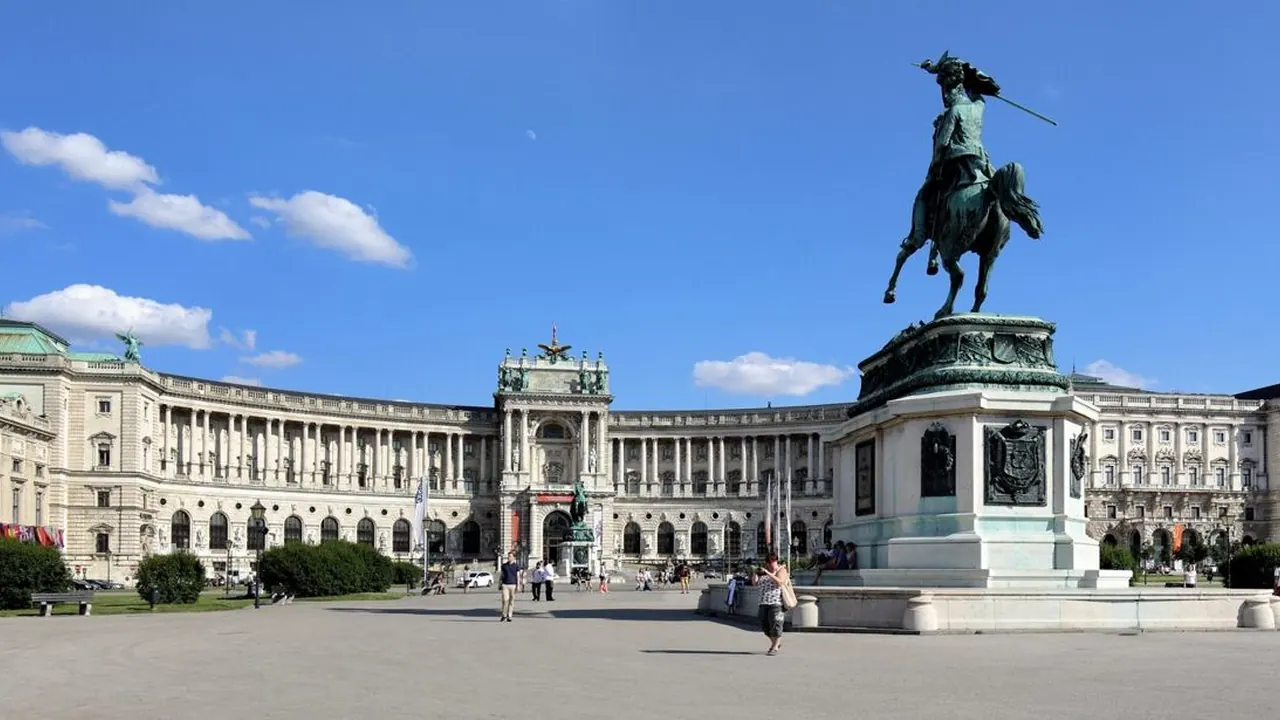
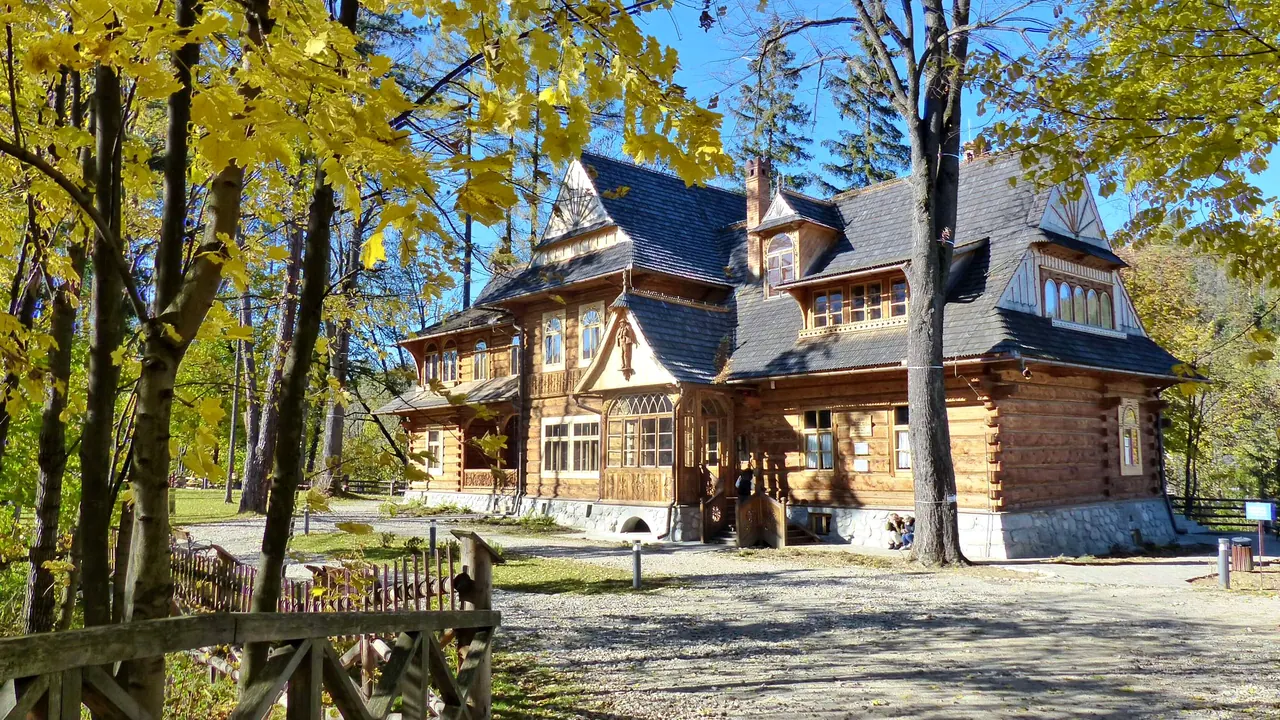
Photos: Vienna by C.Stadler/Bwag, CC BY-SA 3.0 AT, cropped; Zakopane by Wojciech Grzegorz Domagała, CC BY-SA 4.0, cropped.
Vienna or Zakopane?
Our verdict in twelve categories, each scored against the same fixed benchmark cities, and the climate month by month, so you can choose for your trip.
Choose Vienna for
- live music and the arts
- culture and sights
- getting around
Vienna is the choice for a city vacation built around art, music and good public transport. Its imperial palaces, great museums and nightly opera and concerts give a week of depth that a small mountain town cannot match, and the trams and U-Bahn make it easy to see it all, with children or without.
Choose Zakopane for
- nature and the outdoors
- prices
- wellness
Zakopane suits travellers who want to spend their days on foot in real mountains and their evenings by a fire. The Tatras start at the edge of town, thermal pools steam nearby, and a stay costs noticeably less, as long as you accept a narrow choice of food and little to do indoors.
Scoreboard
Twelve categories on one fixed scale from 0 to 100. The shaded stretch is the gap between the two.
Your match
Pick a travel style or drag the sliders, and both match scores follow your weighting.
Wins on live music and the arts and culture and sights with your weighting.
Wins on nature and the outdoors and prices with your weighting.
What matters to you?
Category by category
What the scores mean for a trip.
Beaches & swimming
Neither place is for a beach vacation, but Vienna does have proper summer swimming. The Danube Island's long shoreline and the lidos on the warmer Alte Donau are a U-Bahn ride away, and the Neusiedler See is within an hour.
Zakopane has almost nothing comparable. Bathing in the Tatra lakes is forbidden, and the reservoir at Czorsztyn is a drive away, so a swim there usually means the warm outdoor thermal pools.
Food & drink
Vienna eats with more variety and polish: schnitzel and Tafelspitz in wood-panelled Beisl, strudel and Sachertorte in grand coffee houses, and Grüner Veltliner poured at Heuriger taverns in the city's own vineyards. Its weakness is international and street food, but next to Zakopane that hardly matters.
Zakopane's highland cooking is hearty and memorable for a few days: grilled oscypek with cranberry jam, kwaśnica soup, lamb and pierogi in timber inns with fiddlers. Beyond that the choice narrows quickly, and the better meals are in the side-street family inns rather than on Krupówki.
Culture & sights
This is one of the widest gaps between the two. Vienna has the Hofburg, Schönbrunn, St Stephen's Cathedral and the Ringstrasse, plus museums holding Bruegel, Klimt and Schiele, and its Jugendstil buildings add a second great era on top of the baroque.
Zakopane's heritage is small but unlike anything in Vienna: the steep-roofed villas of the Zakopane style, the wooden chapel at Jaszczurówka and the carved grave markers of Pęksowy Brzyzek. A single day covers it.
Nightlife
Vienna has more choice for a night out, from the bars and small clubs under the Gürtel railway arches to deckchair bars on the Danube Canal, and in winter it adds formal balls in palaces. Many evenings simply slide into wine at a Heuriger.
Zakopane's nightlife is one street deep. Krupówki's pubs and inns get rowdy on ski-season weekends and at New Year, but midweek and out of season the town goes quiet early, which suits hikers.
Nature & outdoors
Zakopane is a mountain base in the full sense. Granite peaks, cirques and glacial lakes start where the streets end, with routes from the Kościeliska valley up to Rysy and along the chained Orla Perć, and skiing and ski touring take over in winter. The popular trails do get crowded.
Vienna's outdoors is gentler: beech hills in the Vienna Woods, vineyard paths up the Kahlenberg, the Donau-Auen floodplain forest and flat Danube cycling. For true mountains you have to travel out to the Rax or Schneeberg.
Day trips
Vienna's central position gives it more good outings and easier ones. Bratislava is an hour away by train or boat, and the Wachau valley with Melk and Dürnstein, the abbeys of Klosterneuburg and Heiligenkreuz and Haydn's Eisenstadt all make an easy day on rail or river.
Zakopane has fine heritage within reach, including the painted wooden church at Dębno, the log houses of Chochołów, and Spiš Castle and Levoča in Slovakia. Kraków and Wieliczka are a long, traffic-prone road trip, though, and most outings depend on the roads.
Good for families
Vienna gives families more to do on wet days as well as dry ones: Schönbrunn Zoo, the Prater's rides and meadows, an aquarium in a flak tower and the hands-on Natural History and Technical Museums, all reached by trams that are easy with a pram.
Zakopane works best for active families. The Gubałówka funicular and toboggan run, flat valley trails, sledging and the thermal water parks fill several days. Beyond that there is little made for children, and crowds and traffic in the school breaks can test everyone's patience.
Getting around
Vienna is far easier to move around. A walkable old town, five U-Bahn lines, trams and buses on one ticket reach everything from Schönbrunn to the vineyard villages, and the U-Bahn runs all night at weekends.
Zakopane's centre is walkable and minibuses run to Kuźnice and the valley trailheads, but getting there is the problem: the road jams at peak times, and the train from Kraków is slow. A car helps for Slovakia, though parking in town is a struggle.
Shopping & style
Vienna has a proper shopping city, with luxury houses on the Kohlmarkt and Graben, everyday fashion on Mariahilfer Strasse, independent designers in Neubau, and gifts such as Augarten porcelain, crystal and Loden. The Christmas markets add a seasonal reason to browse.
Zakopane is mostly souvenirs, but its best pieces are honest highland crafts: sheep's-wool sweaters, sheepskins, felt slippers and carved wood from the Gubałówka market, plus wheels of oscypek to take home.
Affordability
Zakopane is the cheaper of the two by a clear margin. Guesthouses, inn meals and minibuses cost little by alpine standards, although Christmas, New Year and the school breaks push room prices up.
Vienna sits in the upper middle range for Western Europe. Transport passes, free palace gardens, set lunches and opera standing places help, but full-price admission to the major palaces and museums adds up over a week.
Live music & performing arts
Vienna is one of the world's great music cities. The State Opera changes its programme almost nightly, the Vienna Philharmonic plays in the Musikverein's Golden Hall, and the Konzerthaus, Volksoper and Burgtheater all add to it, with the music of Mozart to Strauss on offer all year.
Zakopane's live culture is small and local: the Witkacy Theatre, highland string bands playing in the inns, and the August Festival of Mountain Folklore. It has charm, but classical concerts are only occasional.
Wellness & relaxation
The two are close here, and the difference lies in the kind of rest. Vienna slows you down through its daily rituals of long coffee-house afternoons and palace-garden walks, with thermal bathing at Oberlaa, the Art Deco Amalienbad or Baden when you want it.
Zakopane has the slight edge for bathing. Several geothermal complexes, in Chochołów, Białka Tatrzańska, Bukowina and Szaflary, have outdoor pools steaming beneath the Tatras, and a soak after a hike is routine. For calm, though, stay on the quieter slopes rather than in the busy centre.
When should you go?
Pick your month. The climate figures are measured averages, not a forecast.
Vienna in July
Zakopane in July
Daytime high, °C
Rainfall in the month, mm
Where the figures come from
Zakopane has no rain gauge within 25 km of the centre, so its rainfall comes from a gridded climate dataset read at the city rather than from a gauge further away.
Zakopane's sunshine is measured 34 km from the centre, at Poprad / Tatry.
Temperature and rainfall are climate normals, averaged over the years shown. Vienna: 1991-2020 normals, Wien / Hohe Warte (4.7 km from centre). Zakopane: 1999-2020 (sunshine 1991-2020, rainfall 1991-2020) normals, Zakopane (0.2 km from centre).
Vienna is at its best from May to September, when afternoons are warm enough for long walks, and from June the Danube Island and the Alte Donau are warm enough to swim. July and August reach about 27°C, which can feel heavy on the pavements, though they are also the sunniest months. Winter is cold and grey, with highs near 3°C in January, so it is a season for museums, concerts and coffee houses rather than strolling.
Zakopane is cooler all year, peaking around 21°C in midsummer, which is good hiking weather but too cool for lounging. Its summer is also much wetter than Vienna's: rain builds from May and peaks in July at about 176mm, so expect wet spells in the mountains. October is the drier walking month, with about 78mm and mild days. In winter, highs stay around freezing, which suits the ski runs and the snow-ringed thermal pools, and the town gets a little more winter sun than Vienna.
Which traveller are you?
On a culture and arts trip, Vienna is the clear choice. Habsburg palaces, the Kunsthistorisches Museum and the Belvedere fill the days, and the State Opera, Musikverein and Burgtheater fill the evenings. Zakopane's wooden architecture and small museums take a day.
For an outdoors trip, Zakopane wins easily. Valley walks, the climb to Morskie Oko and Rysy, the Kasprowy Wierch cable car and winter skiing all begin near town. Vienna offers the Vienna Woods and Danube cycling, pleasant but much gentler.
On a trip with a tight budget, Zakopane goes further. Family guesthouses, filling inn meals and minibuses to the trailheads cost little, especially in spring and autumn. Vienna is manageable with standing places at the opera and Heuriger buffets, but paid admissions add up.
Before you go
| Measure | Vienna | Zakopane |
|---|---|---|
| Official language | German, Austrian Sign Language | Polish |
| Currency | Euro (EUR) | Zloty (PLN) |
| Sockets | CF230 V, 50 Hz | CE50 Hz |
| Driving side | Right | Right |
| Time zone | UTC+1, UTC+2 in summer | UTC+1, UTC+2 in summer |
| Emergency number | 112 | 112 |
| Elevation | 151 m | 837 m |
| Main airport | Vienna International Airport (VIE)18 km from centre202 non-stop destinations | Kraków John Paul II International Airport (KRK)87 km from centre132 non-stop destinations |
| Public holidays this year | 16 days | 14 days |
By the numbers
| Measure | Vienna | Zakopane |
|---|---|---|
| City population | 2,028,289 | 25,770 |
| People per km² | 4,890 | 306 |
| Museums within 10 km | 152 | 18 |
| UNESCO World Heritage sites within 50 km | 4 | 2 |
Where else could you go?
Every comparison below shares a destination with this one, so you can follow Vienna or Zakopane somewhere new.
- Bratislavavs Vienna
- Krakowvs Zakopane
- Brnovs Vienna
- Grazvs Vienna
- Cesky Krumlovvs Vienna
- Budapestvs Zakopane