Vietnam
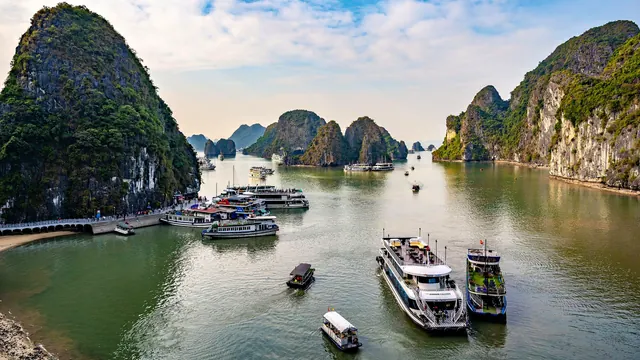
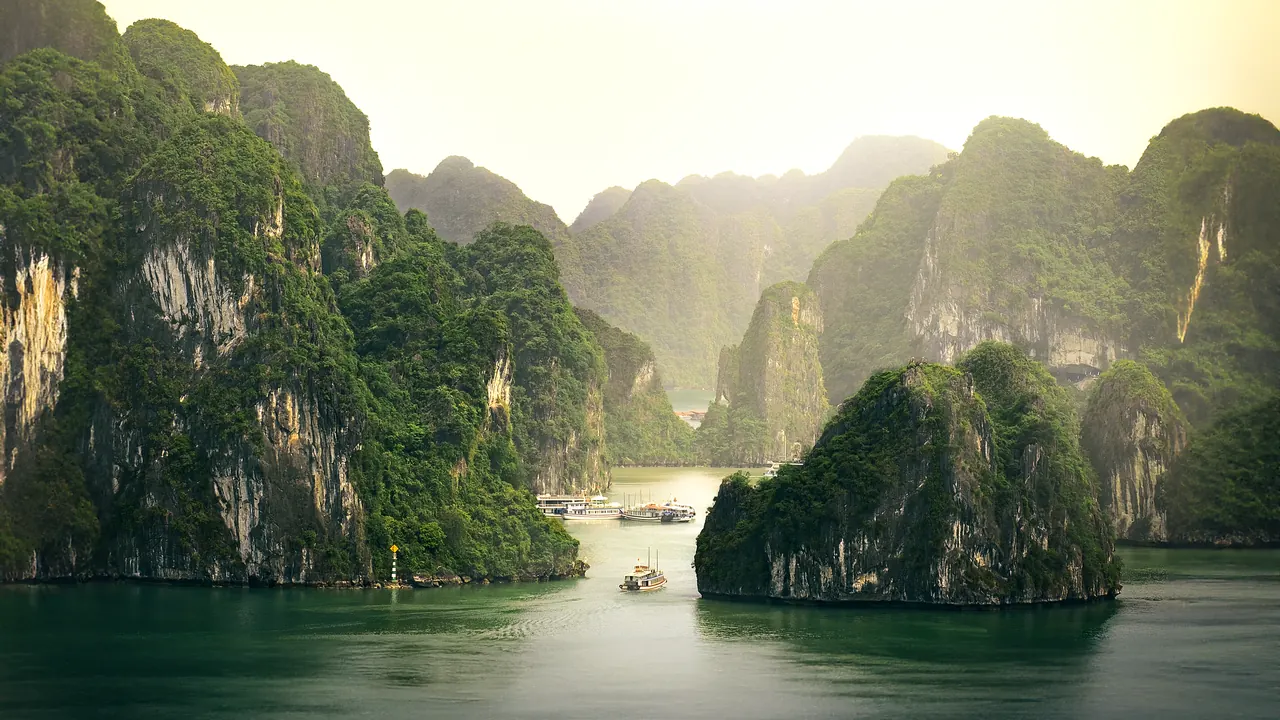
The limestone peaks of Halong Bay in golden light
- Affordability94
- Food & drink87
- Nature & outdoors87
Photo: Đức Toàn Nguyễn, Pexels License
Match
70
Every category weighted equally
- Beach & sun73
- Culture & arts68
- Food & nightlife68
- Family trip72
- Outdoors74
- Relax & unwind73
- Shopping & style68
- On a budget73
Vietnam in twelve categories
Our verdict on the country as a whole, scored 0 to 100 against the same fixed benchmark cities as every destination, so a score means the same thing on every page.
Beaches & swimming. Scores 80 out of 100.
Food & drink. Scores 87 out of 100.
Culture & sights. Scores 78 out of 100.
Nightlife. Scores 60 out of 100.
Nature & outdoors. Scores 87 out of 100.
Day trips. Scores 68 out of 100.
Good for families. Scores 60 out of 100.
Getting around. Scores 55 out of 100.
Shopping & style. Scores 60 out of 100.
Affordability. Scores 94 out of 100.
Live music & performing arts. Scores 45 out of 100.
Wellness & relaxation. Scores 64 out of 100.
Vietnam category by category
Under each: where in Vietnam it is best, and our destinations in Vietnam that score highest on it.
Beaches & swimming
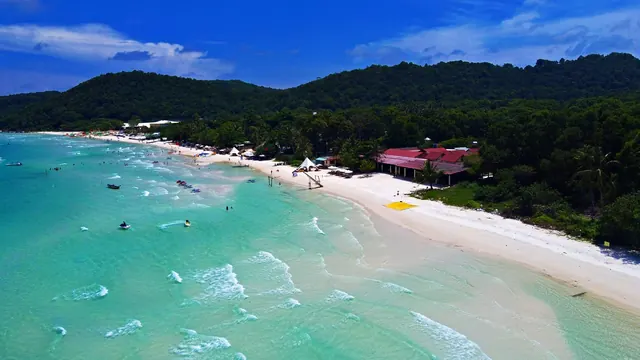
80Vietnam's coast runs for more than 3,000km, and several stretches are built around beach life. Da Nang has a long, wide city beach at My Khe that carries on south towards Hoi An, where An Bang has a quieter, village feel. Nha Trang is a full beach resort set on a curved bay. Further south, Quy Nhon and Mui Ne are calmer, and the island of Phu Quoc in the Gulf of Thailand has the softest sand and the clearest water. The Con Dao islands are a remote, quiet separate trip.
The sea is warm, often 27°C to 29°C, but the seasons change along the coast. The central coast is best from about April to August, while autumn brings storms and rough water. Phu Quoc and the south are at their best from November to April. Around the main resorts the shore is often lined with towers and big hotels, and some city beaches are busy and ordinary rather than idyllic.
Where: Phu Quoc, Da Nang and Hoi An, Nha Trang, Quy Nhon
Our top destinations in Vietnam
Food & drink
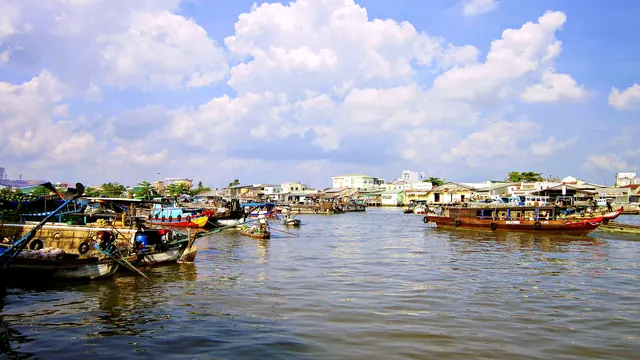
87Eating is one of the main reasons to visit Vietnam, and it happens mostly on the street, on low plastic stools. Hanoi is the home of pho, bun cha and egg coffee, and its Old Quarter lanes each have their own specialities. Hue cooks the spicy, refined dishes of the old imperial court, such as bun bo Hue and small rice cakes. Hoi An has cao lau and some of the country's best banh mi. Ho Chi Minh City has the widest range, from broken-rice stalls and seafood alleys to the markets of Cholon and the busy restaurants of District 1.
Coffee is a culture of its own: strong robusta over ice with condensed milk, drunk in pavement cafés and old houses. Fresh herbs, fish sauce and rice noodles connect the regions, and the Mekong Delta adds fruit and river fish. Fine dining exists in the two big cities, but the depth is in cheap, specialised places that cook one dish very well.
Where: Hanoi, Ho Chi Minh City, Hue, Hoi An
Our top destinations in Vietnam
Culture & sights
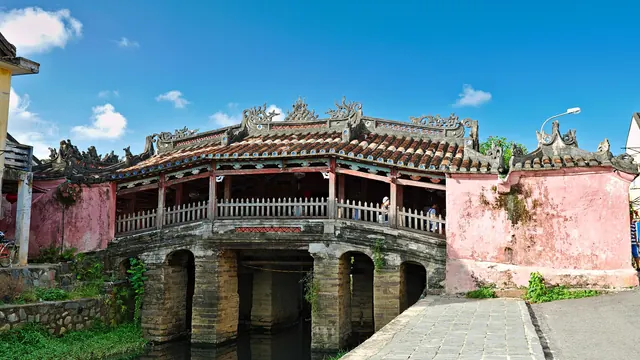
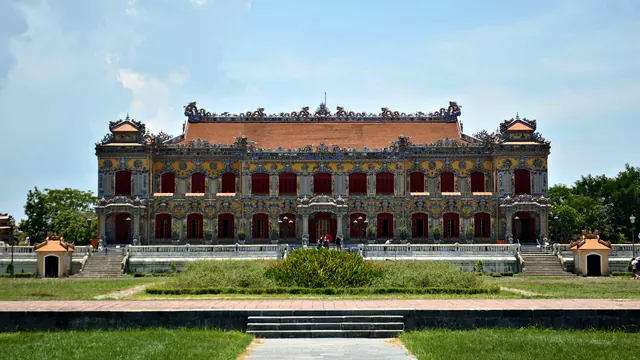
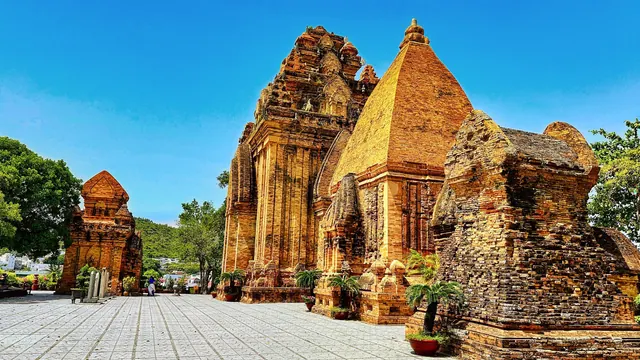
78Vietnam's heritage is spread down the length of the country rather than gathered in one place. Hue, the old imperial capital on the Perfume River, has a walled citadel, palace gates and royal tombs set in pine-covered hills. Hoi An is a small, intact trading port of wooden shophouses, assembly halls and the Japanese Covered Bridge. Nearby, My Son has the overgrown brick towers of the Cham kingdom.
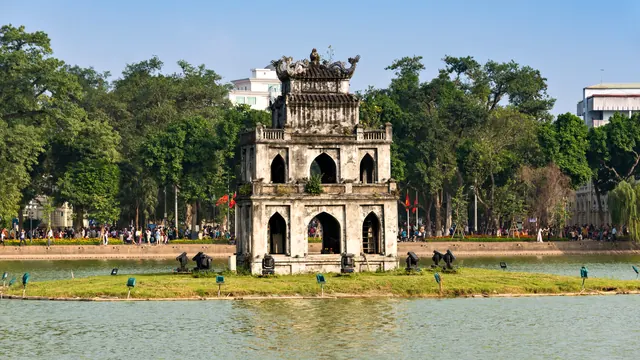
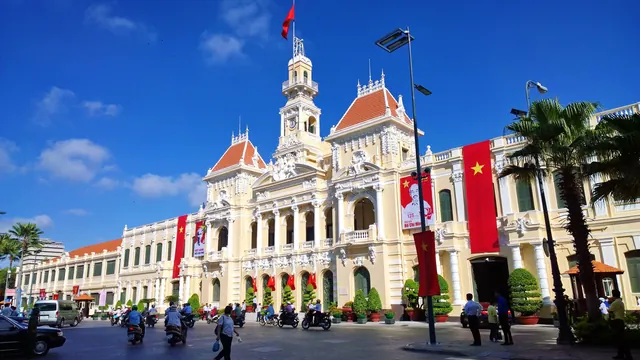
Hanoi has the Temple of Literature, the Old Quarter, French colonial avenues and the One Pillar Pagoda, as well as the Ho Chi Minh Mausoleum and good museums of ethnology and history. In Ho Chi Minh City the colonial post office and cathedral sit alongside the War Remnants Museum and the Reunification Palace, and the Cu Chi tunnels lie outside the city. Museums are generally modest, but the 20th-century wars give the country a history that visitors from everywhere come to understand.
Where: Hue, Hoi An, Hanoi, Ho Chi Minh City
Our top destinations in Vietnam
Nightlife
60Going out in Vietnam happens mostly in two cities. Ho Chi Minh City is the late one: rooftop bars above District 1, cocktail bars in old apartment blocks, clubs, and the loud backpacker strip of Bui Vien, which goes on into the small hours. Hanoi is more about the street: cheap draught beer on tiny stools around Ta Hien in the Old Quarter, bars by West Lake, and a scene that quietens around midnight.
Da Nang and Nha Trang have beach bars and a few clubs, and Hoi An has riverside bars and lantern-lit evenings rather than late nights. Elsewhere, an evening out usually ends with dinner and a drink.
Where: Ho Chi Minh City, Hanoi, Da Nang, Nha Trang
Our top destinations in Vietnam
Nature & outdoors
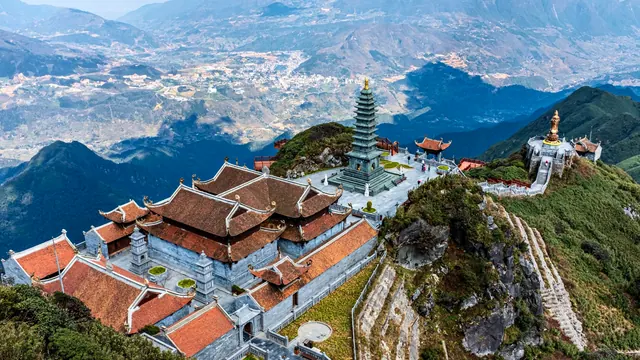
87Vietnam's landscapes are its strongest card, and most of them are in the north and centre. Ha Long Bay and the quieter Lan Ha Bay are a sea of limestone towers, best seen by overnight boat and kayak. Inland, Ninh Binh has the same karst rising from rice fields and rivers, explored by rowing boat or bicycle. In the far north, Sapa's terraced valleys lead up to Fansipan, the country's highest peak, and the Ha Giang loop is one of Asia's great mountain road trips.
Phong Nha-Ke Bang in the centre has jungle-covered hills and some of the largest caves anywhere, including multi-day expeditions underground. The Hai Van Pass makes a spectacular ride along the coast, Da Lat has cool pine highlands, and the Mekong Delta in the south is a flat world of canals and orchards. The north is best in spring and autumn, when it is clear and dry.
Where: Ha Long and Lan Ha Bays, Ninh Binh, Ha Giang and Sapa, Phong Nha-Ke Bang
Day trips
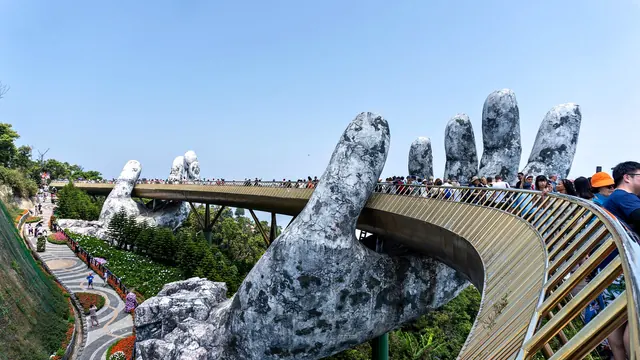
68The central coast is the best base for outings. From Hoi An or Da Nang, the Cham ruins of My Son, the marble caves and pagodas of the Marble Mountains and the hill station of Ba Na are each an easy day. Hue is two to three hours over or through the Hai Van Pass, so it is really worth a night.
From Hanoi, visitors go to the ancient laterite village of Duong Lam, the ceramic village of Bat Trang, the Perfume Pagoda and the temples of Hoa Lu, the old capital near Ninh Binh. From Ho Chi Minh City, the Cu Chi tunnels, the colourful Cao Dai temple at Tay Ninh and the river towns of the Mekong Delta make the usual trips. Each base gives a few good days out, but the lists are short.
Where: Hoi An and Da Nang, Hanoi, Ho Chi Minh City
Our top destinations in Vietnam
Good for families
60A family trip to Vietnam works best when it is built around the coast. Phu Quoc and Nha Trang have large resort theme parks, water parks and a safari park, and Da Nang has calm hotel beaches and the cable cars and attractions of Ba Na Hills. Hoi An is a safe, small town for a family, with lantern-making, bicycle rides and basket-boat trips. Vietnamese people are very warm towards children, who will be fussed over everywhere.
The cities are harder. Hanoi and Ho Chi Minh City have heavy motorbike traffic, narrow or blocked pavements and humid heat, and crossing the road takes nerve. Street food needs some care with small children, and long transfers between regions add up.
Where: Phu Quoc, Da Nang and Hoi An, Nha Trang
Our top destinations in Vietnam
Getting around
55Vietnam is long and thin, and most trips run from north to south or the other way. Domestic flights are the practical link between Hanoi, Da Nang, Ho Chi Minh City and the islands. The Reunification Railway runs the whole coast and is scenic in parts, especially around Hue, but it is slow. Sleeper buses and private drivers fill the gaps to places like Ninh Binh, Ha Long and Sapa.
In the cities, ride-hailing motorbikes and cars are everywhere and easy to use. Hanoi and Ho Chi Minh City have a few metro lines, but they are of little use to most visitors. Hanoi's Old Quarter and Hoi An can be walked, although pavements are often used for parking and cooking, and dense motorbike traffic makes crossing the street a skill to learn.
Where: Hanoi, Hoi An, Da Nang, Ho Chi Minh City
Our top destinations in Vietnam
Shopping & style
60Shopping in Vietnam is about crafts, markets and made-to-measure clothes rather than luxury. Hoi An is famous for its tailors, who make suits, dresses and shoes in a day or two, and for silk and lanterns. Hanoi's Old Quarter still has streets that each sell one kind of thing, and nearby villages make ceramics, lacquerware and embroidery.
Ho Chi Minh City has the widest range: Ben Thanh and Binh Tay markets, design boutiques and concept stores, and international brands around Dong Khoi. Haggling is expected at markets, and a great deal of what is sold is the same souvenirs and copies of designer goods.
Where: Hoi An, Hanoi, Ho Chi Minh City
Our top destinations in Vietnam
Affordability
94Vietnam is one of the cheapest worthwhile countries to travel in. Hanoi is the cheapest base of all: street food, draught beer on the pavement, strong coffee, ride-hailing motorbikes and comfortable Old Quarter guesthouses cost a small fraction of Western European prices. Hue and Hoi An are just as easy on the budget, with good small hotels, cheap tailoring, massages and bicycle hire. Ho Chi Minh City costs a little more in District 1, where rooftop bars and smarter restaurants cluster, but street stalls, markets and local hotels a few streets away stay very cheap.
The costs are in the trips: overnight cruises on Ha Long Bay, international resorts on Phu Quoc and the Da Nang coast, and domestic flights. A traveller who sticks to local food and town hotels will find the whole country very cheap.
Where: Hanoi, Hue, Hoi An, Ho Chi Minh City
Our top destinations in Vietnam
Live music & performing arts
45Vietnam's performing arts are traditional and easy to attend. Water puppetry, in which painted wooden figures move across a pool to live folk music, is performed in Hanoi every evening. Hanoi also has small evening performances of ca tru, a sung poetry tradition, and quan ho folk singing. In Hue, the royal court music of the Nguyen dynasty is played in the citadel and on dragon boats on the Perfume River.
The French colonial opera houses in Hanoi and Ho Chi Minh City host the national orchestra, ballet and contemporary bamboo circus. There are also a few jazz clubs and some live music in both cities. Beyond these, the classical and theatre programme is small.
Where: Hanoi, Ho Chi Minh City, Hue
Our top destinations in Vietnam
Wellness & relaxation
64Massage is part of daily life in Vietnam, and foot and body massage parlours line the streets of every tourist town. The beach resorts of Da Nang, Hoi An and Phu Quoc have many good spas, and herbal baths and treatments from the northern Dao people are offered around Sapa. Nha Trang and Hue have mud baths and hot springs, which are fun rather than a serious bathing tradition.
The slow places are Hoi An, Hue and the cool highlands around Da Lat, and the countryside around Ninh Binh. The big cities are loud with motorbikes and not restful. A wellness trip here is best spent on the central coast, mixing resort time and massages.
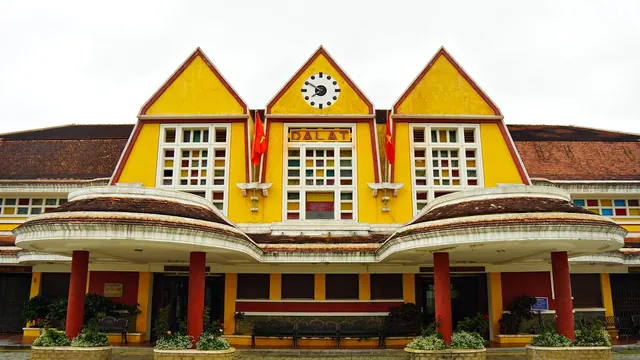
Where: Hoi An and Da Nang, Phu Quoc, Nha Trang, Da Lat
Our top destinations in Vietnam
Where to go in Vietnam
Vietnam is long and thin, and most trips run from one end to the other, with flights linking the north, the centre and the south. Seeing all three in two weeks is possible but means several flights, and many visitors settle for two.
The north suits a first visit built on food and landscape. Hanoi is the cheapest and most rewarding base, with the Old Quarter, water puppetry, pho on low stools and easy days out to craft villages and the karst and rice fields of Ninh Binh. The limestone bays to the east are best seen with a night on a boat. Sapa and the Ha Giang loop are a mountain trip of their own, a long drive further north, and are best in spring and autumn.
The centre is the easiest place for a mixed trip. Hoi An is a small, walkable old port of tailors, lanterns and quiet beaches, and Da Nang adds a long city beach, calm resorts and the family attractions of Ba Na Hills. Hue, a few hours away over the Hai Van Pass, has the citadel, royal tombs and court cooking, and deserves a night or two. The caves of Phong Nha-Ke Bang lie further north and take several days. Come from about April to August, when the sea is calm.
The south is for late nights and warm winters. Ho Chi Minh City has the latest bars, the widest food and shopping, and the war history of the Reunification Palace and the Cu Chi tunnels, with the canals and orchards of the Mekong Delta close by. Phu Quoc, a short flight away, has the softest sand and the best family resorts from November to April.
When should you go?
Vietnam has no single climate. Its months are measured at Hanoi, Ho Chi Minh City, Hoi An and Nha Trang; pick one to see it. The figures are measured averages, not a forecast.
Where in Vietnam
Hanoi in July
Daytime high, °C
Rainfall in the month, mm
Where the figures come from
Hanoi's sunshine is measured 86 km from the centre, at Phu Lien.
Temperature and rainfall are climate normals, averaged over the years shown. Hanoi: 1991-2020 normals, Ha Noi (4.4 km from centre).
Compare Vietnam with
Every comparison with a written verdict behind it, and any other country below.
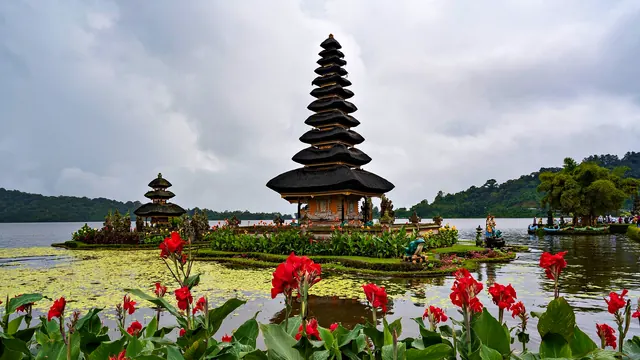 Bali
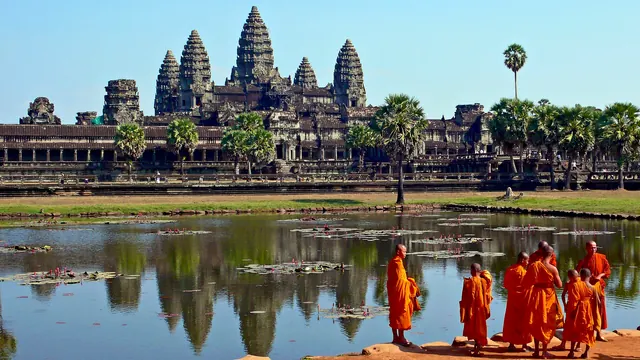 Cambodia
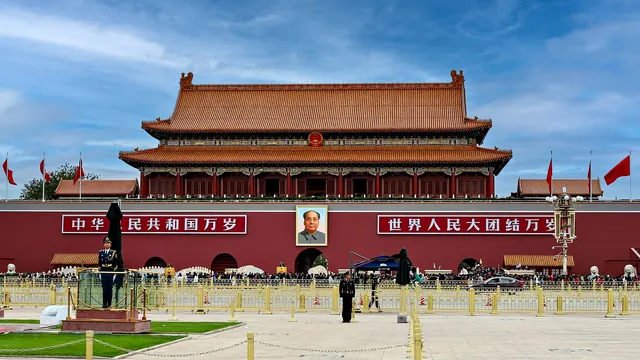 China
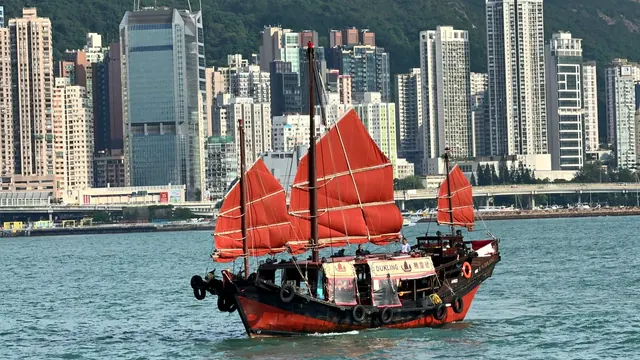 Hong Kong
 India
 Indonesia
 Japan
 Laos
 Malaysia
 Myanmar
 Philippines
 South Korea
 Sri Lanka
 Taiwan
 Thailand
Our destinations in Vietnam
Every place in Vietnam with its own page: its twelve scores, its texts and its months.