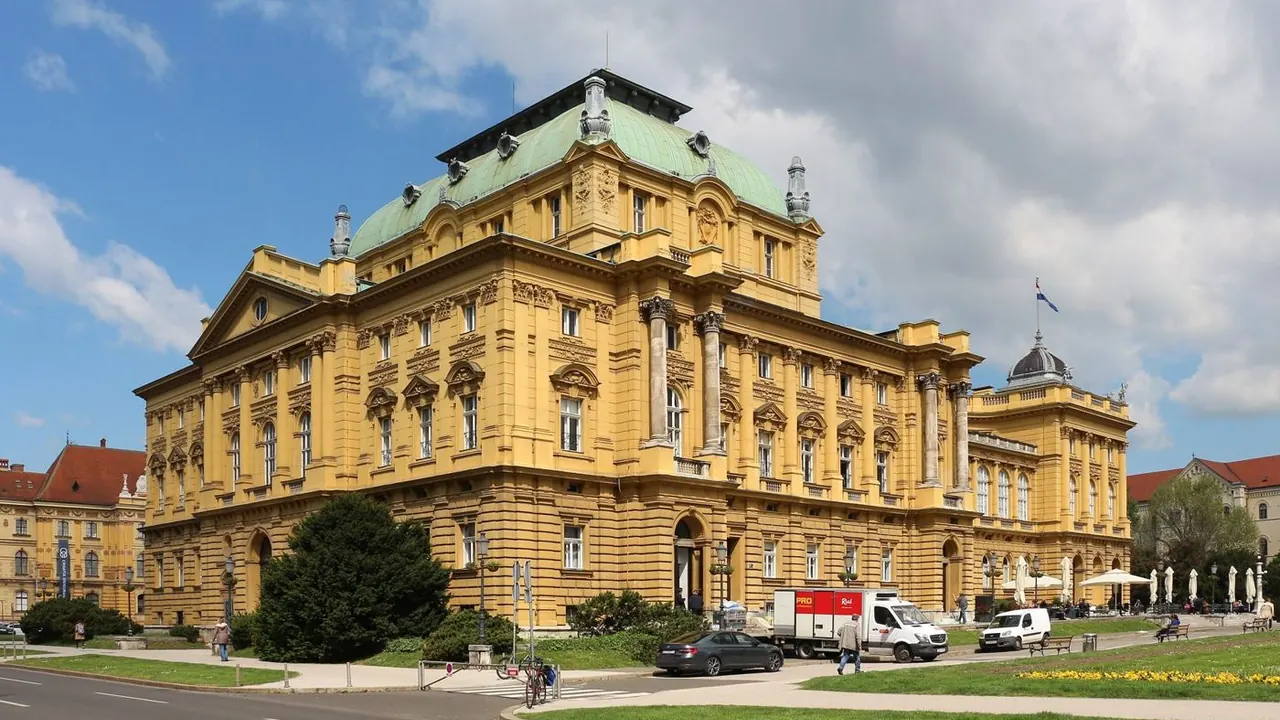
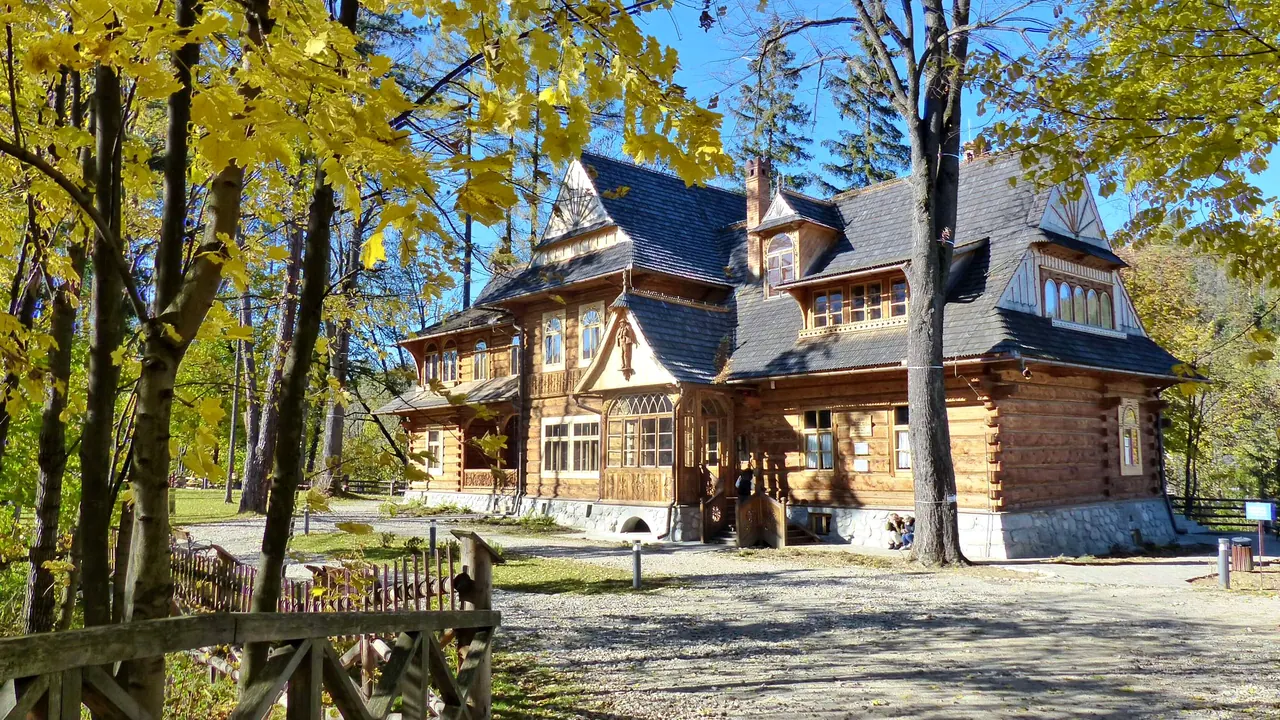
Photos: Zagreb by Bernard Gagnon, CC BY-SA 4.0, cropped; Zakopane by Wojciech Grzegorz Domagała, CC BY-SA 4.0, cropped.
Zagreb or Zakopane?
Our verdict in twelve categories, each scored against the same fixed benchmark cities, and the climate month by month, so you can choose for your trip.
Choose Zagreb for
- culture and sights
- live music and the arts
- food and drink
Zagreb is the better pick for a city trip built on streets, museums and evenings out. It has two historic quarters to explore, a full season of opera and concerts, and café terraces that turn into bars after dark. A tram network ties it all together, and the Zagorje castles and Plitvice are within reach for a day out. It suits travellers who want an easy, affordable capital with plenty to do between meals.
Choose Zakopane for
- wellness
- nature and the outdoors
- families
Go to Zakopane if the mountains are the point. The Tatra national park starts where the streets end, with valley walks, high granite summits, a cable car and winter slopes, and the thermal pools around town are there for the evening. It is the better base for active families and for anyone who wants fresh air and a hot soak rather than galleries and late nights.
Scoreboard
Twelve categories on one fixed scale from 0 to 100. The shaded stretch is the gap between the two.
Your match
Pick a travel style or drag the sliders, and both match scores follow your weighting.
Too close to call, 2 points apart
Wins on culture and sights and live music and the arts with your weighting.
Wins on wellness and nature and the outdoors with your weighting.
What matters to you?
Category by category
What the scores mean for a trip.
Beaches & swimming
Neither place is a beach destination, and anyone who wants the sea should plan another stop. What differs is how you cool off. In Zagreb it means a summer swim in the former gravel pits at Jarun and Bundek, which have pebbly shores. In Zakopane the Tatra lakes are off limits, so a swim usually means the outdoor thermal pools, which stay warm even in winter.
Food & drink
Zagreb eats better and has more variety: štrukli, turkey with mlinci, Dolac market every morning, wines from Plešivica and Slavonia, and a few serious kitchens. Its café culture, peaking on Saturday mornings around Flower Square, is a reason to visit in itself.
Zakopane's highland cooking is distinctive, with grilled oscypek with cranberry, kwaśnica and lamb served in timber inns. But the choice is narrow, and the menus along Krupówki tend to repeat each other. The best meals are found in family inns on the side streets.
Culture & sights
Zagreb has far more to see. There are St Mark's tiled roof and the Stone Gate in the Upper Town, the Green Horseshoe's galleries below, collections from the Mimara to the Museum of Broken Relationships, and the arcades of Mirogoj. Together that fills two unhurried days.
Zakopane's heritage is small but unlike anywhere else: the steep-roofed villas of the Zakopane style, the Tatra Museum, and the carved grave markers at Pęksowy Brzyzek. You can see it all in a day, and it is a side note to the mountains.
Nightlife
Zagreb gives you more choice of evenings. Terraces along Tkalčićeva fill up, there are cocktail and craft beer bars around Flower Square, and the lakeside clubs at Jarun open in summer. Its student population keeps alternative venues going all year.
Zakopane's nightlife is mostly on Krupówki, where pubs and inns get rowdy over winter weekends with the après-ski crowds and then go quiet midweek and out of season. Most people there are hiking early the next morning anyway.
Nature & outdoors
Zakopane is in another league here. Granite peaks, cirques and glacial lakes start at the edge of town, and the walks range from the paved road to Morskie Oko up to Rysy at 2,499m and the chained Orla Perć. Add the cable car to Kasprowy Wierch, winter skiing and rafting on the Dunajec.
Zagreb's outdoors are pleasant but gentle: beech woods and mountain huts on Medvednica, the lakes of Maksimir, and cycling along the Sava. Plitvice is its big natural sight, two hours away by car.
Day trips
Both have a good spread of outings, but in different directions. From Zagreb, you head north into the castle and baroque country of Zagorje and Varaždin, or across to Ljubljana, though none of these is a headline destination.
Zakopane has the one big name, Kraków with the Wieliczka salt mine on the way. Closer in are wooden churches and villages like Dębno and Chochołów, and over the border are Spiš Castle and Levoča. The catch is weekend traffic on the roads out of town.
Good for families
Zagreb is a flat, safe city that is easy with a pushchair, and it works for a few relaxed days rather than a trip built around children. The zoo is inside Maksimir park, the Technical Museum has old trams and a mock mine, the short funicular is fun for younger children, and Jarun gives them somewhere to swim in summer.
Zakopane is the better choice for outdoor families. Gubałówka has slides and a summer toboggan run, the Kościeliska valley trail is flat enough for small legs, winter brings sledging and ski schools, and the thermal water parks fill a rainy day. The downsides are the crowds and traffic on long weekends and during the school breaks.
Getting around
Zagreb is the easier place to get around. The centre is compact and mostly flat, blue trams cover the whole city, the tiny funicular climbs to the Upper Town, and buses reach Medvednica and the airport. You only need a car for Zagorje or Plitvice.
Zakopane is easy on foot, and minibuses run to the trailheads, but getting there and away is the weak point. The road jams at peak times, and the train from Kraków is slow.
Shopping & style
Neither is a shopping destination, but Zagreb has more range. Ilica has chains and local fashion, there are malls on the edge of town, and the Sunday flea market is at Britanski trg. Good things to take home are licitar hearts, neckties and lace.
Zakopane is mostly souvenirs and outdoor gear. The market below Gubałówka is worth a look for wool sweaters, sheepskins, carved wood and wheels of oscypek, if you choose the handmade pieces.
Affordability
Neither will stretch a budget, but the costs work differently. In Zagreb the everyday things are cheap: trams, museum entry, market food, bakery snacks and a coffee on a terrace. Central apartments are reasonably priced, but smart restaurants, cocktails and the best hotels cost about what they would in Western Europe.
Zakopane is cheap by alpine standards, with family guesthouses, filling inn meals and minibuses to the trailheads. As a resort, though, it gets dearer at Christmas, New Year, during the winter school breaks and on long summer weekends, and rooms need booking early then. Spring and autumn are the cheapest times to go.
Live music & performing arts
Zagreb has a real season. There is opera and ballet at the Croatian National Theatre, the Zagreb Philharmonic at the Lisinski hall, the Zagreb Soloists, and summer concerts in Upper Town courtyards, though much of the drama is in Croatian.
Zakopane's live culture is smaller and folk-based. Highland string bands play in the inns, the Witkacy Theatre is respected, and the mountain folklore festival fills the town each August. Classical concerts are only occasional.
Wellness & relaxation
Zakopane is far better for unwinding. Several large geothermal complexes within half an hour have outdoor pools that steam in the snow, with views of the Tatras, and plenty of hotels have saunas. To get real calm, stay on the quieter slopes rather than near Krupówki.
Zagreb has no bathing culture in the city and only hotel spa floors. The Zagorje thermal resorts are about an hour away, so its relaxation comes mostly from the slow pace of café mornings and quiet parks.
When should you go?
Pick your month. The climate figures are measured averages, not a forecast.
Zagreb in July
Zakopane in July
Daytime high, °C
Rainfall in the month, mm
Where the figures come from
Zakopane has no rain gauge within 25 km of the centre, so its rainfall comes from a gridded climate dataset read at the city rather than from a gauge further away.
Zakopane's sunshine is measured 34 km from the centre, at Poprad / Tatry.
Temperature and rainfall are climate normals, averaged over the years shown. Zagreb: 1991-2020 (sunshine 1981-2010, rainfall 1981-2010) normals, Zagreb / Gric (0.6 km from centre). Zakopane: 1999-2020 (sunshine 1991-2020, rainfall 1991-2020) normals, Zakopane (0.2 km from centre).
Zagreb has a proper continental summer. Highs reach about 29°C in July, warm enough for the lakes at Jarun and Bundek and the sunniest stretch of the year, though June and August bring heavy showers of around 108mm. May, September and early October are the most comfortable months for walking the Upper Town. Winters are grey and cold, with little sunshine from November to January.
Zakopane stays much cooler all year. July peaks at about 21°C, which suits hiking, but it is also the wettest month at around 176mm, and the high trails see the most rain from May to August. September is often the steadiest month in the mountains, mild and drier, with clear autumn days into October. In winter, highs sit around 0°C, which is skiing weather rather than city weather, and Zakopane gets more winter sun than Zagreb.
Which traveller are you?
For a culture and arts trip, Zagreb is clearly the stronger choice. It has the medieval Upper Town, the Austro-Hungarian Lower Town, several good museums, Mirogoj cemetery and a proper opera and concert season. Zakopane's wooden architecture is charming but takes only a day.
On an outdoors trip, Zakopane wins easily. Trails start from town into real alpine scenery, from Morskie Oko and the crocus valleys up to Rysy and Kasprowy Wierch, and there is skiing in winter. Zagreb has gentle walks on Medvednica and day trips to Plitvice.
For a relaxing and wellness trip, Zakopane is the place. It began as a health resort, and steaming outdoor thermal pools with views of the Tatras lie within half an hour. In Zagreb you would need a day trip to the Zagorje spas.
Before you go
| Measure | Zagreb | Zakopane |
|---|---|---|
| Official language | Croatian | Polish |
| Currency | Euro (EUR) | Zloty (PLN) |
| Sockets | CF230 V, 50 Hz | CE50 Hz |
| Driving side | Right | Right |
| Time zone | UTC+1, UTC+2 in summer | UTC+1, UTC+2 in summer |
| Emergency number | 112 | 112 |
| Elevation | 127 m | 837 m |
| Main airport | Zagreb Franjo Tuđman International Airport (ZAG)11 km from centre66 non-stop destinations | Kraków John Paul II International Airport (KRK)87 km from centre132 non-stop destinations |
| Public holidays this year | 14 days | 14 days |
By the numbers
| Measure | Zagreb | Zakopane |
|---|---|---|
| City population | 767,131 | 25,770 |
| People per km² | - | 306 |
| Museums within 10 km | 27 | 18 |
| UNESCO World Heritage sites within 50 km | 0 | 2 |
Where else could you go?
Every comparison below shares a destination with this one, so you can follow Zagreb or Zakopane somewhere new.