Photos: Barossa Valley by Olivier Lemoine, CC BY-SA 4.0, cropped; Tasmania by jacobharrisau, CC BY-SA 2.0, cropped.
Barossa Valley or Tasmania?
Our verdict in twelve categories, each scored against the same fixed benchmark cities, and the climate month by month, so you can choose for your trip.
Choose Barossa Valley for
- getting around
- food and drink
- prices
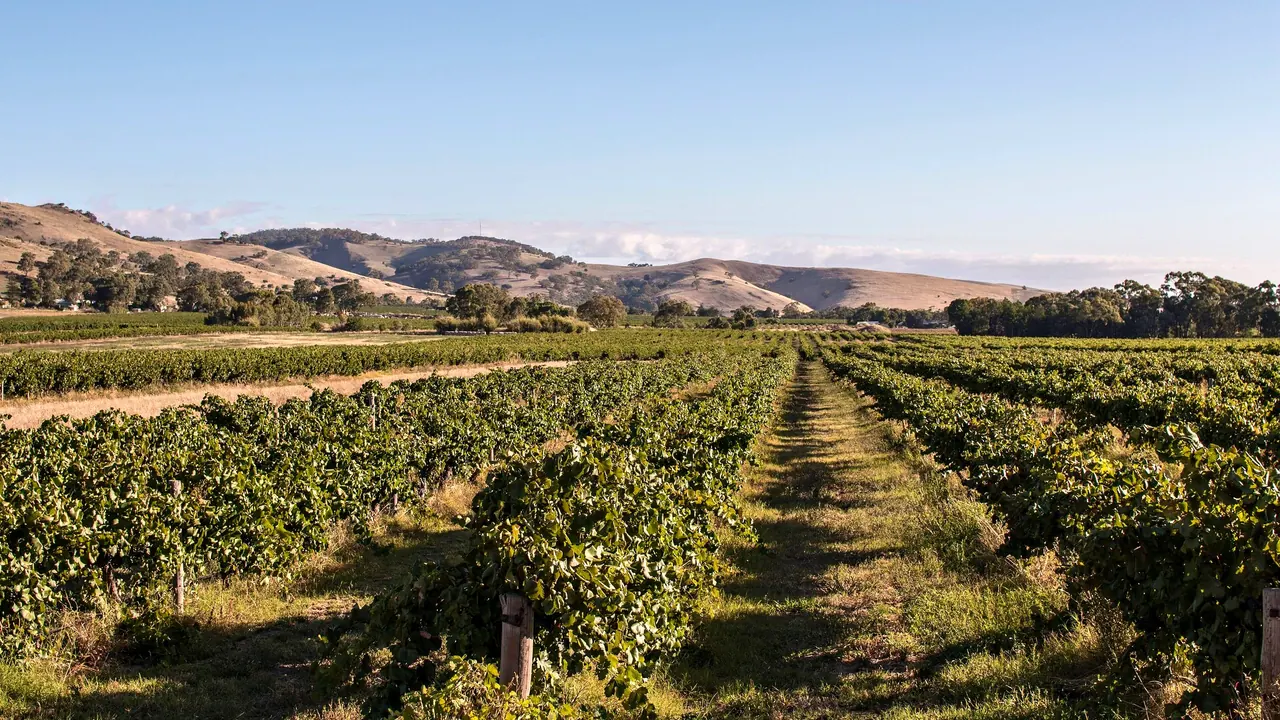
The Barossa Valley suits a wine weekend, most often for a couple. Some of the world's oldest Shiraz and Grenache vines, cellar doors and German-rooted village bakeries all sit along one short valley road, so the trip is long lunches and unhurried tastings with very little time in the car. It pairs easily with a few days in Adelaide. It offers little to anyone who wants wild country, evenings out or much for children.
Choose Tasmania for
- nature and the outdoors
- beaches
- culture and sights
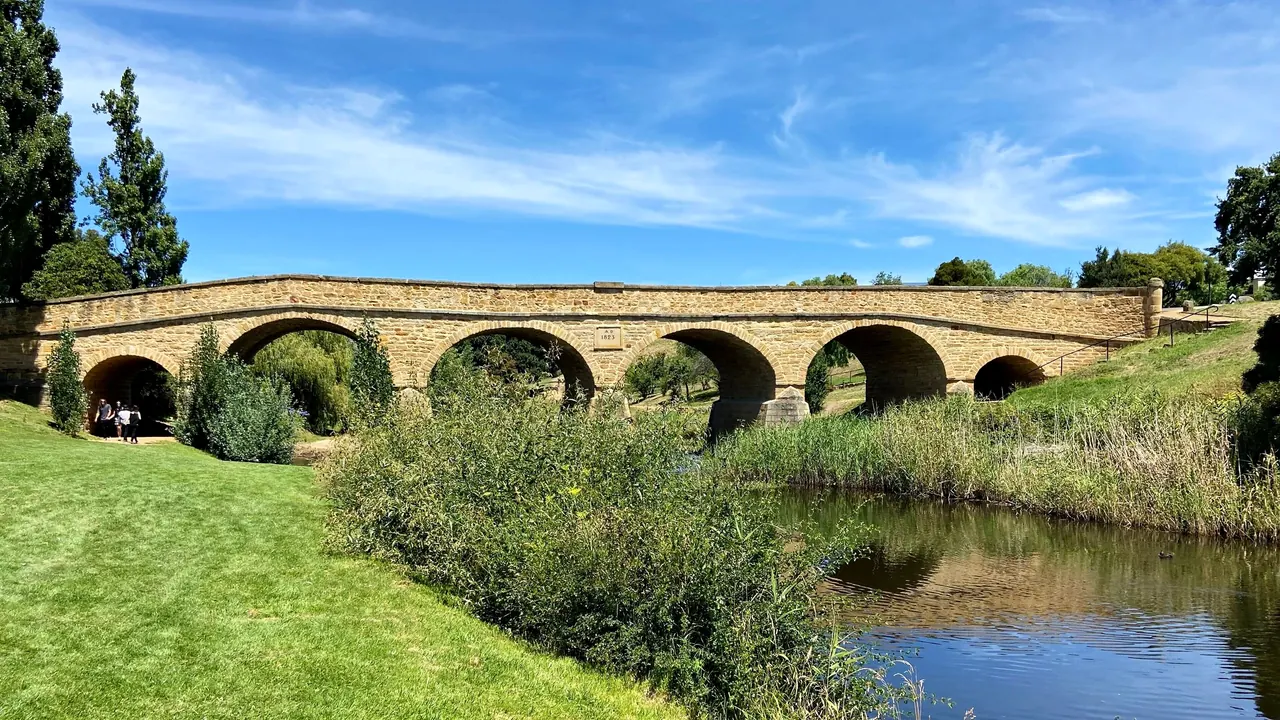
For anyone who travels for landscape, Tasmania is the bigger trip and the better one. World Heritage wilderness around Cradle Mountain, the granite coast of Freycinet, wildlife at every turn, MONA and the convict ruins of Port Arthur give it far more range, and its food and wine come close to the Barossa's. The cost is distance: you need a hire car, the roads are long and winding, and the sea is too cold for real beach days.
Scoreboard
Twelve categories on one fixed scale from 0 to 100. The shaded stretch is the gap between the two.
Your match
Pick a travel style or drag the sliders, and both match scores follow your weighting.
Wins on getting around and food and drink with your weighting.
Wins on nature and the outdoors and beaches with your weighting.
What matters to you?
Category by category
What the scores mean for a trip.
Beaches & swimming
Neither place is a beach destination, but Tasmania at least has its own coast. The Barossa is inland farming country. Swimming there means a motel pool or a day out to the Gulf St Vincent beaches near Adelaide, more than an hour's drive each way.
Tasmania has Wineglass Bay, the white sand and orange boulders of the Bay of Fires and long empty strands around Bicheno, all spectacular to walk. The odd thing is that the Barossa's day trip to Adelaide's coast offers warmer water than anything on the island, where a swim is a short, bracing dip.
Food & drink
The two are broadly level and both are serious about produce, but their strengths differ. The Barossa is concentrated wine country, with old-vine Shiraz and Grenache, Riesling from Eden Valley, and Silesian traditions surviving in mettwurst, rye bread and streusel cake from village butchers and bakeries.
Tasmania eats from the cold sea and pasture: oysters, salmon, abalone, rock lobster, cheese and cherries. It drinks cool-climate pinot noir, sparkling wine and single malt whisky. Hobart's restaurants and Launceston's dining give it more range than any Barossa town, but neither place does cheap late eating.
Culture & sights
Tasmania is far richer here. MONA's cliffside galleries on the Derwent and the convict ruins of Port Arthur are each worth travelling for. Add the Cascades Female Factory, the Brickendon and Woolmers estates and the Georgian streets of Battery Point, and the island holds several days of serious sightseeing.
The Barossa's heritage is quieter and more local: Bethany's old cottage strips, Lutheran spires at Tanunda and Langmeil, the palm avenue to Seppeltsfield and the pipe organ in the Tanunda gallery. It fills an afternoon or two between tastings.
Nightlife
The Barossa has next to nothing to do after dark, while Tasmania, which in practice means Hobart, has a small but real night out. In the valley the night is over once dinner is. A few old country hotels in Tanunda and Nuriootpa keep a bar going for locals, and anyone wanting more takes a taxi to Adelaide.
Hobart's sandstone pubs and wine bars around Salamanca Place and along Elizabeth Street in North Hobart fill up on Friday and Saturday nights, though most have closed by midnight. Beyond the capital the island is almost as quiet as the valley, and its busiest nights come with the midwinter festivals.
Nature & outdoors
Nature is the widest gap between the two. The Barossa's landscape is cultivated and gentle: vine-covered valley floor, red gums, the view from Mengler Hill and kangaroos among the granite of Kaiserstuhl. It is lovely in spring and autumn, but it has no mountains, rivers or coast.
Tasmania has a fifth of its land under World Heritage wilderness, with rainforest, glacial lakes and dolerite peaks around Cradle Mountain. Add multi-day walks, sea cliffs on the Tasman Peninsula, kunanyi/Mount Wellington above Hobart and wildlife from devils to whales, and it suits walkers, paddlers and mountain bikers in a way the Barossa never can.
Day trips
From the Barossa the best day out is a city, while from Tasmania's two cities it is the countryside. Adelaide gives the valley its museums along North Terrace, the Botanic Garden and the Central Market. Hahndorf's German main street in the hills and the copper-mining towns of Kapunda and Burra to the north make quieter outings.
Tasmania's excursions are rural and often reached by boat: the ferry to Bruny Island for oysters, cheese and the lighthouse, the crossing to Maria Island, or the orchards and cider of the Huon Valley. Richmond and the Tamar Valley wine route lie closer to Hobart and Launceston. The two cities are two and a half hours apart, so most visitors split their stay between them.
Good for families
Tasmania is the better choice with children, mainly because of its animals. Wildlife sanctuaries near both cities, penguins coming ashore at dusk, and the chairlift and pool at Launceston's Cataract Gorge give children something of their own. The long drives and changeable weather are the price.
The Barossa is built around wine tasting. The Whispering Wall, flat stretches of cycle trail and cellar-door lawns keep children busy for a while, but most families end up driving to Adelaide for the zoo and the beach.
Getting around
In the Barossa the towns are close together but the wine keeps you out of the driving seat. In Tasmania you can drive all day, and often have to. Lyndoch, Tanunda, Nuriootpa and Angaston sit ten to twenty minutes apart on one valley road, so visitors who want to keep tasting hire a driver, join a small tour or cycle the sealed Barossa Trail.
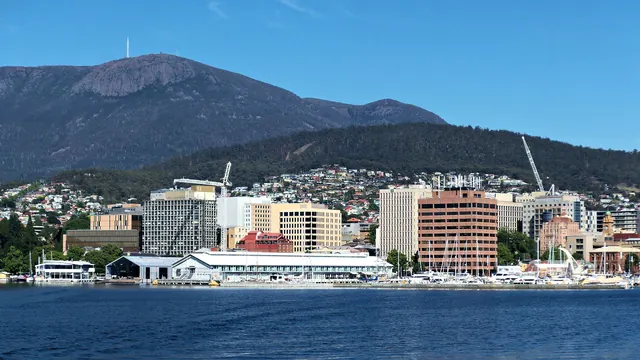
On the island the distances are the problem. The winding roads stretch the trip from Hobart to Cradle Mountain to four hours or more, buses miss most of the national parks, and wallabies and wombats crowd the roads at dusk. Central Hobart is easy to walk, and a ferry runs up the Derwent to MONA.
Shopping & style
Tasmania gives a little more to browse. The Saturday market at Salamanca Place sells Huon pine woodwork, knitwear and ceramics, galleries and craft shops fill the warehouses behind it, and leatherwood honey and whisky are good things to take home. In the Barossa, shopping mostly means wine in small cellar-door lots, plus smallgoods and preserves and a few gift and antique shops in Angaston and Tanunda.
Affordability
In the Barossa the money goes on the wine weekend itself: boutique cottages, winery restaurants, tasting fees and the driver who makes a day of tasting possible. Motels and caravan parks around Nuriootpa, bakery lunches and cycling between cellar doors cut the bill, and weekends and vintage are the dearest times.
Tasmania's costs come from moving around and finding a bed. A hire car, fuel and national park passes are part of every trip, and rooms near Freycinet and Cradle Mountain are scarce in summer. Cabins, campsites and travelling in spring or autumn are the ways to save, and in the end the bill is much the same as in the Barossa.
Live music & performing arts
Tasmania has a real if modest stage life. The Tasmanian Symphony Orchestra plays its season on the Hobart waterfront, the Theatre Royal has been staging shows since 1837, and in July the Festival of Voices and the midwinter arts season fill the city.
The Barossa has Lutheran choirs, brass bands, pipe organ recitals in Tanunda and concerts during the autumn Vintage Festival. For theatre or an orchestra on a given night, visitors drive to Adelaide.
Wellness & relaxation
Both are about pace rather than spas, and they come out roughly even. In the Barossa the rest is stationary: long lunches, quiet villages and a cottage verandah over the vines, with only a few treatment rooms at resorts.
Tasmania's calm is more active: long walks, early nights, spa treatments at the lodges near Cradle Mountain and Freycinet, and the warm forest pool at Hastings Caves. Around Hobart there are also winter sea swims and wood-fired saunas by the water.
When should you go?
Pick your month. The climate figures are measured averages, not a forecast.
Barossa Valley in July
Tasmania in July
Daytime high, °C
Rainfall in the month, mm
Where the figures come from
Barossa Valley's sunshine is measured 68 km from the centre, at Adelaide Airport.
Temperature and rainfall are climate normals, averaged over the years shown. Barossa Valley: 1991-2020 normals, Nuriootpa (4.5 km from centre). Tasmania: 1991-2020 normals, Hobart (3 km from centre).
The Barossa has a hot, dry, sunny summer, with January highs around 30°C and heat that often goes well past that. It is good weather for a dawn balloon flight and poor weather for walking between cellar doors at midday. The Adelaide beaches an hour away are warmest in late summer, when the sea reaches about 22°C. March, April, October and November are the best months, mild and still fairly dry. From May to September the days are cool and the valley gets most of its rain.
Tasmania is much milder. Summer highs around Hobart reach only about 23°C, and the sea peaks at roughly 17°C, so December to March is the season for walking rather than swimming. Rain is spread more evenly through the year than in the Barossa and is heaviest in late winter, at about 65mm in August. Tasmania also gets less sun at every time of year. The upshot is that the Barossa is at its best in spring and autumn, while Tasmania is at its best in summer, when the Barossa is often too hot.
Which traveller are you?
On an outdoors trip, choose Tasmania without hesitation. The Overland Track, the Three Capes sea cliffs, Freycinet, Maria Island and platypus and penguins at dusk are on another level from the Barossa's gentle vineyard trails and its single granite conservation park.
For a culture and arts trip, Tasmania again has far more to give. MONA, Port Arthur and the island's other UNESCO convict sites, Hobart's Georgian streets and a symphony orchestra make a much fuller trip than the Barossa's Lutheran churches and modest regional gallery.
On a relaxing and wellness trip with no long drives, the Barossa makes the easier choice. Its towns are minutes apart, so the days are slow tastings, verandah views over the vines and quiet villages. In Tasmania the same calm comes with hours of winding road between the places worth seeing.
Before you go
| Measure | Barossa Valley | Tasmania |
|---|---|---|
| Official language | English | English |
| Currency | Australian Dollar (AUD) | Australian Dollar (AUD) |
| Sockets | I230 V, 50 Hz | I230 V, 50 Hz |
| Driving side | Left | Left |
| Time zone | UTC+9:30, UTC+10:30 in summer | UTC+10, UTC+11 in summer |
| Emergency number | 000 | 000 |
| Main airport | Adelaide International Airport (ADL)35 non-stop destinations | Hobart International Airport (HBA)9 non-stop destinations |
| Public holidays this year | 12 days | 9 days |
By the numbers
| Measure | Barossa Valley | Tasmania |
|---|---|---|
| Population | - | 539,590 |
| Swim season, months above 21 °C | 3 months | None |
Where else could you go?
Every comparison below shares a destination with this one, so you can follow Barossa Valley or Tasmania somewhere new.
- Kangaroo Islandvs Barossa Valley
- Great Ocean Roadvs Tasmania
- Great Ocean Roadvs Barossa Valley
- Blue Mountainsvs Barossa Valley
- Blue Mountainsvs Tasmania
- Kangaroo Islandvs Tasmania