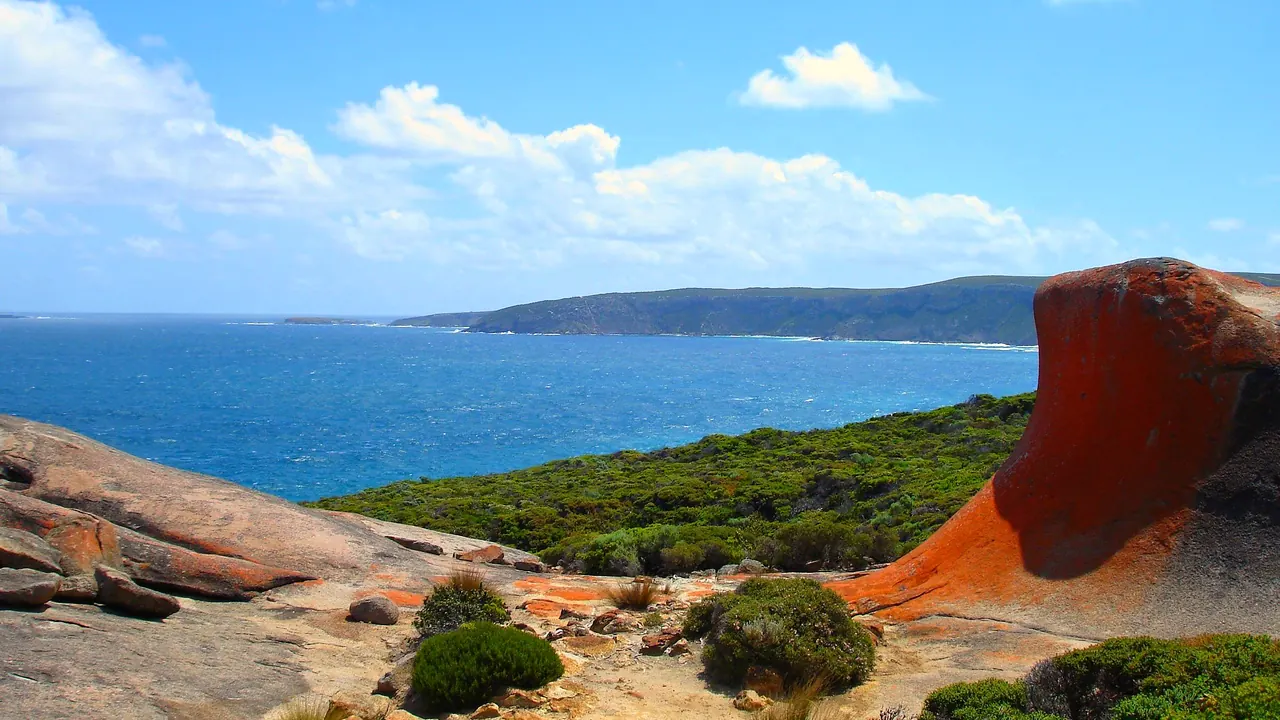
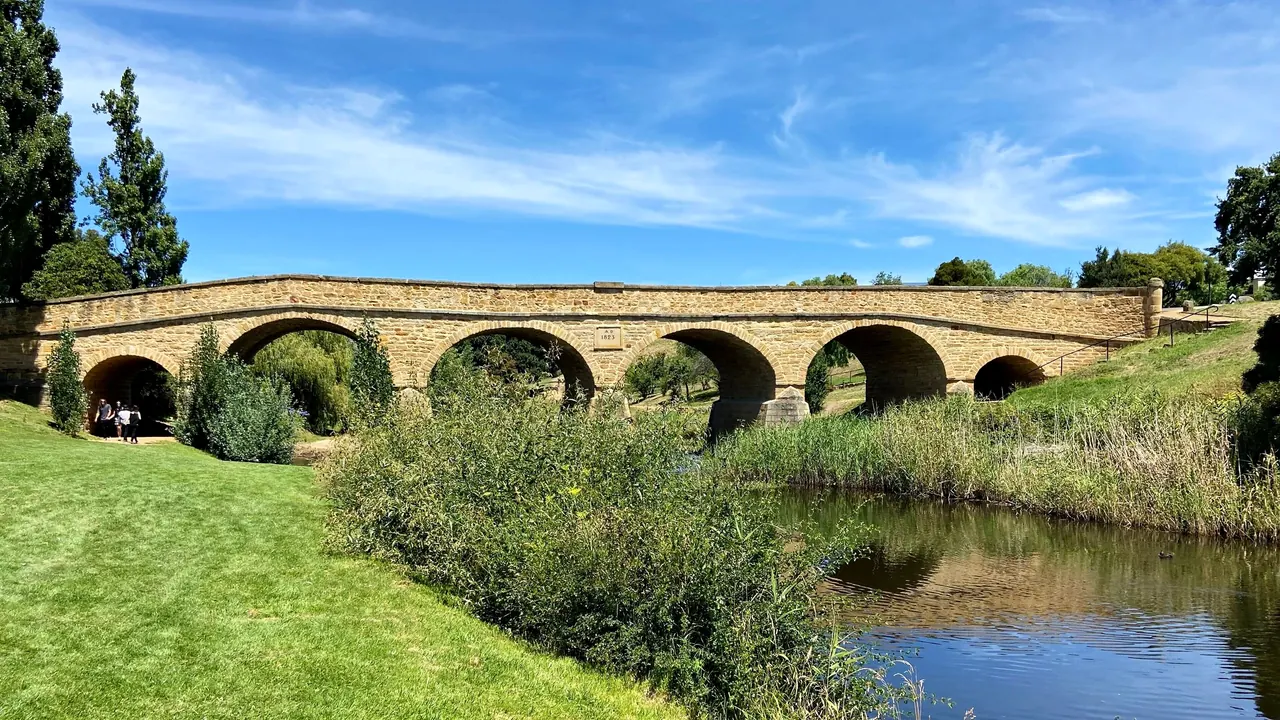
Photos: Kangaroo Island by Navin75, CC BY-SA 2.0, cropped; Tasmania by jacobharrisau, CC BY-SA 2.0, cropped.
Kangaroo Island or Tasmania?
Our verdict in twelve categories, each scored against the same fixed benchmark cities, and the climate month by month, so you can choose for your trip.
Choose Kangaroo Island for
- beaches
- families
Kangaroo Island suits a focused trip built around animals: sea lions on the sand at Seal Bay, fur seals under Admirals Arch, kangaroos grazing at dusk outside a rented cottage. Its summers are warmer and drier, and the north coast bays give calmer swimming. It does take some forethought. Cottages and lodges are few and fill early in summer, so book well ahead, and plan where dinner will come from. In return for the wildlife you give up almost everything else. There are few restaurants and no historic towns, and evenings end at sunset.
Choose Tasmania for
- culture and sights
- day trips
- food and drink
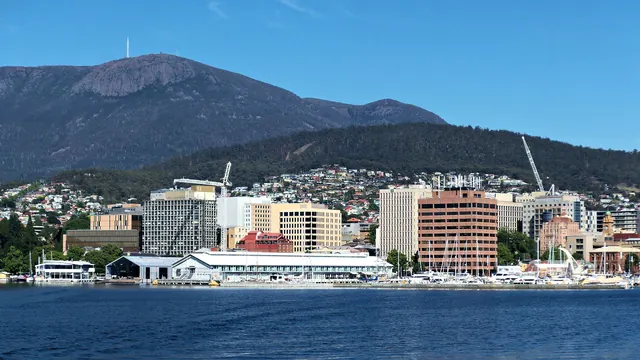
Tasmania rewards a longer and broader trip, where wilderness walking sits alongside good eating and real history. MONA and Port Arthur, Hobart's markets and restaurants, the wine valleys and the Overland Track give it a range Kangaroo Island cannot match, and Hobart is a proper city base with pubs and a theatre. The trade-off is cooler weather, a colder sea and long drives between regions, so it works best split between two or three bases.
Scoreboard
Twelve categories on one fixed scale from 0 to 100. The shaded stretch is the gap between the two.
Your match
Pick a travel style or drag the sliders, and both match scores follow your weighting.
Wins on beaches and families with your weighting.
Wins on culture and sights and day trips with your weighting.
What matters to you?
Category by category
What the scores mean for a trip.
Beaches & swimming
Both islands have empty white sand and cool water, but Kangaroo Island is the better place to swim. Its north coast bays face the sheltered gulf: Emu Bay, Snelling Beach and the boulder-tunnel rock pool at Stokes Bay. The sea there also warms a little more by late summer. Its south coast, around Vivonne Bay, takes the Southern Ocean swell and is for walking.
Tasmania has the more famous scenery, with the curve of Wineglass Bay and the orange-lichened boulders of the Bay of Fires on the east coast. The water is colder, though, so a swim is a quick dip on a warm day and many visitors walk the sand in fleece.
Food & drink
Both islands live on their own produce, but only Tasmania turns it into a dining scene. It has produce-led restaurants in Hobart and North Hobart, the Salamanca Saturday market, the fish punts on the waterfront and Launceston's tables. Add the pinot noir, sparkling wine and single malt of the Tamar and Coal River valleys, and eating out becomes a reason to go.
Kangaroo Island's strengths are oysters from American River, Ligurian honey, sheep's milk cheese and marron. These are best bought at farm gates for a picnic or a self-catering kitchen. Eating out means a few cafés and pub dining rooms in Kingscote and Penneshaw, and dinner can need planning.
Culture & sights
The gap is wide here. Tasmania has MONA, cut into the sandstone above the Derwent, and UNESCO-listed convict sites from Port Arthur to the Cascades Female Factory. It also has the Georgian streets of Battery Point and colonial villages such as Richmond and Ross, enough for several full days of sightseeing.
Kangaroo Island's history comes down to Reeves Point, where South Australia's first official settlement began, plus a small cottage museum and three lighthouses with keepers' tours. They are pleasant stops on a drive, not a day out in themselves.
Nightlife
Neither is a place for going out, but Tasmania at least has Hobart. Its pubs and wine bars around Salamanca and along Elizabeth Street in North Hobart fill at weekends until about midnight. On Kangaroo Island an evening means a counter meal at the pub, a dusk wildlife walk or stargazing, and animals on the roads keep most people in after dark.
Nature & outdoors
Both are first-rate, and the difference is in kind. Kangaroo Island is about seeing animals with very little effort: sea lions at Seal Bay, fur seals at Admirals Arch, koalas in the gums and leafy sea dragons under the jetties. Remarkable Rocks and the dunes of Little Sahara are its landscape set pieces.
Tasmania is about wild, high country and the walking that goes with it. It has the rainforest and dolerite peaks around Cradle Mountain, the Overland Track, the Three Capes sea cliffs and the pink granite of Freycinet. Devils, wombats, platypus and penguins come as part of the trip, but the land itself is bigger and more varied.
Day trips
Tasmania gives far more to do beyond your base. From Hobart you can reach Richmond and the Coal River wineries, Bruny Island's oysters and cheese, and the Huon Valley orchards. From Launceston there is the Tamar wine route and the Georgian villages of Evandale, Longford and Ross.
Kangaroo Island's towns are small stops for fuel and coffee. Reaching the Fleurieu Peninsula or McLaren Vale means a ferry crossing and a long day, so these are better kept for the drive to or from Adelaide.
Good for families
Both suit children who like animals more than rides, and both involve plenty of driving. Kangaroo Island is the more hands-on version. Children can walk among sea lions, toboggan down the Little Sahara dunes, crawl through the Kelly Hill caves and swim in calm water at Emu Bay.
Tasmania has more around it: wildlife sanctuaries, penguins coming ashore at dusk, the Cataract Gorge chairlift and pool in Launceston, and the museum and gardens in Hobart. Its sea is colder for beach days, though, and the weather turns quickly.
Getting around
Both need a hire car, but Tasmania is a little easier. Its roads are well kept, thin bus services link the main towns, Hobart's centre is walkable and a ferry runs up the Derwent to MONA. The trade-off is winding routes that put Cradle Mountain four hours or more from Hobart.
Kangaroo Island has no public transport for visitors and gravel side roads to many beaches, and you need a ferry or a flight just to arrive. It is smaller, about two hours from end to end. On both islands, wildlife on the roads at dusk means driving in daylight.
Shopping & style
Neither is a shopping destination, and both mainly sell what they make. Tasmania has more of it in one place. The Salamanca Saturday market sells Huon pine woodwork, knitwear and ceramics, the old warehouses behind it hold galleries, and Hobart and Launceston have ordinary town-centre shops. On Kangaroo Island you buy honey, gin, cheese and eucalyptus oil from the producers, along with art from a few small galleries.
Affordability
Both are expensive, but Kangaroo Island costs more. The ferry or flight and car hire add up before the first night, accommodation is scarce, and groceries and fuel cost more than on the mainland. The best wildlife encounters also come as guided tours.
Tasmania has the same summer squeeze on rooms and the same car costs, but more ways to economise. It has caravan parks, campsites and cabins, and a spring and autumn season when prices ease. On either island, self-catering with farm-gate produce is the way to keep costs down.
Live music & performing arts
Tasmania has a real if modest stage life, and Kangaroo Island has almost none. In Hobart you can hear the Tasmanian Symphony Orchestra at the Federation Concert Hall and see shows at the Theatre Royal, Australia's oldest working theatre. Its winter calendar is led by the Festival of Voices in July. On Kangaroo Island a local band in a pub is the most you will find, so concert-goers should plan time in Adelaide.
Wellness & relaxation
On both islands, rest comes from quiet more than from treatments, and spas are mostly found in costly lodges. Tasmania adds a little more: the forest thermal pool at Hastings Caves, wood-fired saunas and winter sea swims around Hobart, and a few vineyard retreats.
Kangaroo Island's version is simpler. Stay in a remote cottage on the north coast or near Flinders Chase, with dark skies and days set by the light and the animals.
When should you go?
Pick your month. The climate figures are measured averages, not a forecast.
Kangaroo Island in July
Tasmania in July
Daytime high, °C
Rainfall in the month, mm
Temperature and rainfall are climate normals, averaged over the years shown. Kangaroo Island: 1991-2020 normals, Kingscote (13.4 km from centre). Tasmania: 1991-2020 normals, Hobart (3 km from centre).
Kangaroo Island has the warmer, drier summer. From December to March days are warm, reaching about 27°C in January, rain is scarce, and the sea along the north coast peaks at around 20°C in February and March, which is as good as swimming gets here. June to August brings most of the year's rain and cool, grey days. That is fine for wildlife walks in a coat but is not beach weather. Spring and autumn are mild and suit long days of driving and walking.
Tasmania is cooler all year. Highs where most visitors stay reach about 23°C in January, and the sea never gets much above 17°C. Rain is spread across the year rather than saved for winter, and late winter and spring are the wettest stretch. Summer brings long, sunny days that suit hiking. Winter is cold and short on light, and snow can fall on the highlands. For both islands, late spring to early autumn is the time to go. Kangaroo Island is the better choice for warmth and Tasmania for long walking days.
Which traveller are you?
On a beach and sun trip, Kangaroo Island is the better pick of two cool-water islands. Its summers are warmer and drier, and Emu Bay and the rock pool at Stokes Bay offer calm, clear swimming. Tasmania's famous beaches are better for looking at than for lingering on.
For a culture and arts trip, Tasmania wins outright. MONA, the convict ruins at Port Arthur, Georgian Battery Point, a symphony orchestra and Australia's oldest working theatre will fill your days and evenings. Kangaroo Island has lighthouses and a small settlers' museum.
On a food and nightlife trip, Tasmania again. Hobart and Launceston have produce-led restaurants, pinot noir and whisky country nearby, and wine bars around Salamanca at weekends. Kangaroo Island has fine oysters and honey but few places to eat out, and only a pub after dark.
Before you go
| Measure | Kangaroo Island | Tasmania |
|---|---|---|
| Official language | English | English |
| Currency | Australian Dollar (AUD) | Australian Dollar (AUD) |
| Sockets | I230 V, 50 Hz | I230 V, 50 Hz |
| Driving side | Left | Left |
| Time zone | UTC+9:30, UTC+10:30 in summer | UTC+10, UTC+11 in summer |
| Emergency number | 000 | 000 |
| Main airport | Kingscote Airport (KGC)1 non-stop destination | Hobart International Airport (HBA)9 non-stop destinations |
| Public holidays this year | 12 days | 9 days |
By the numbers
| Measure | Kangaroo Island | Tasmania |
|---|---|---|
| Population | 4,250 | 539,590 |
| Swim season, months above 21 °C | None | None |
Where else could you go?
Every comparison below shares a destination with this one, so you can follow Kangaroo Island or Tasmania somewhere new.
- Great Ocean Roadvs Tasmania
- Great Ocean Roadvs Kangaroo Island
- Blue Mountainsvs Tasmania
- Blue Mountainsvs Kangaroo Island
- South Islandvs Tasmania
- North Islandvs Tasmania