Photos: Basque Country by Enrique, Pexels License; Douro Valley by Finn Ruijter, Pexels License.
Basque Country or Douro Valley?
Our verdict in twelve categories, each scored against the same fixed benchmark cities, and the climate month by month, so you can choose for your trip.
Choose Basque Country for
- nightlife
- beaches
- live music and the arts
The Basque Country is the better choice if you want a lot of different things from one trip: eating very well at every price, a city beach, the Guggenheim, coastal walks and a lively evening round of bars. With San Sebastián, Bilbao and Vitoria close together and easy to travel between, it suits first-time visitors, families and anyone who wants to stay in a city and still see green cliffs and fishing ports.
Choose Douro Valley for
- prices
- wellness
Pick the Douro Valley for a slower, narrower trip built around wine and landscape. Tastings on quinta terraces, days that follow the river and the terraced vines, and very quiet nights reward couples and wine lovers who want to switch off. It also costs less once you are there, though a quinta stay and a hired driver add to the bill. It has no beach, little for children and almost nothing to do after dinner, so it works best as a few days within a longer trip.
Scoreboard
Twelve categories on one fixed scale from 0 to 100. The shaded stretch is the gap between the two.
Your match
Pick a travel style or drag the sliders, and both match scores follow your weighting.
Wins on nightlife and beaches with your weighting.
Wins on prices and wellness with your weighting.
What matters to you?
Category by category
What the scores mean for a trip.
Beaches & swimming
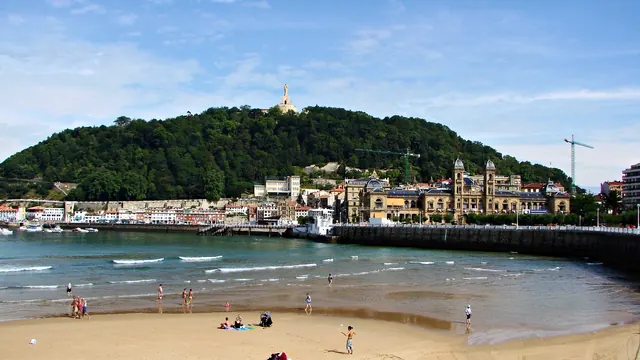
The Basque Country has real beaches and the Douro does not. La Concha's sheltered sand inside its bay is good for children and long swims, Zurriola has surf, and Zarautz and the beaches near Bilbao add more. It is still the Bay of Biscay, so expect cool water and some grey days.
The Douro is inland, and swimming there means a river beach on the Tua or the Paiva, or more often the quinta pool on a hot afternoon. It is fine for cooling off, but not for a beach vacation.
Food & drink
The Basque Country is one of Europe's great places to eat, from pintxos bars in Gros and the Casco Viejo to the famous restaurants in the hills around San Sebastián. There are also Getaria's grilled turbot, the cider houses of Astigarraga and the market halls. It eats well at every price, and the evening walk between counters is part of the pleasure.
The Douro's strength is in the glass. Tawny and vintage port and serious dry reds are poured at the estates between Régua and Pinhão. The food is hearty mountain cooking such as roast kid and bola de Lamego, but there is far less variety and no market or street-food scene to compare with the Basque one.
Culture & sights
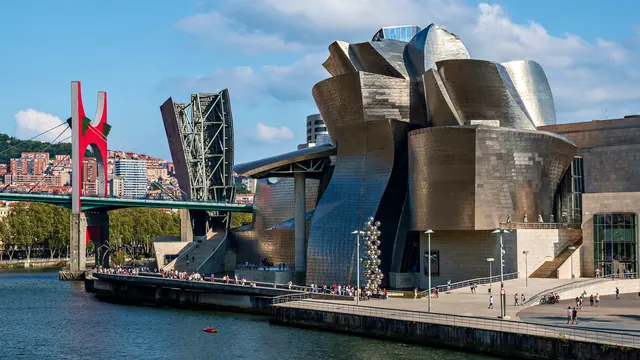
The Basque Country offers more to see and more variety. The Guggenheim and Bilbao's Fine Arts Museum, the Vizcaya Bridge, San Sebastián's Belle Époque seafront and Vitoria's medieval rings around Santa María are all within an hour or so of each other.
The Douro's heritage is mostly the terraced landscape itself, a World Heritage wine region. The single sights are spread out: the Douro Museum in Régua, Lamego's baroque stairway, the Mateus Palace and the Côa Valley's prehistoric rock engravings. Each is worth a trip, but there is no historic town centre to wander in.
Nightlife
For going out, the Basque Country is the only real option. The evening round of bars in the old towns runs into cocktail bars and late pubs, Bilbao has the widest scene, and the August fiestas fill the streets until the early hours. The Douro goes quiet soon after dinner, with a few bars in Vila Real and the odd summer festa, so anyone who wants a night out has to go back to Porto.
Nature & outdoors
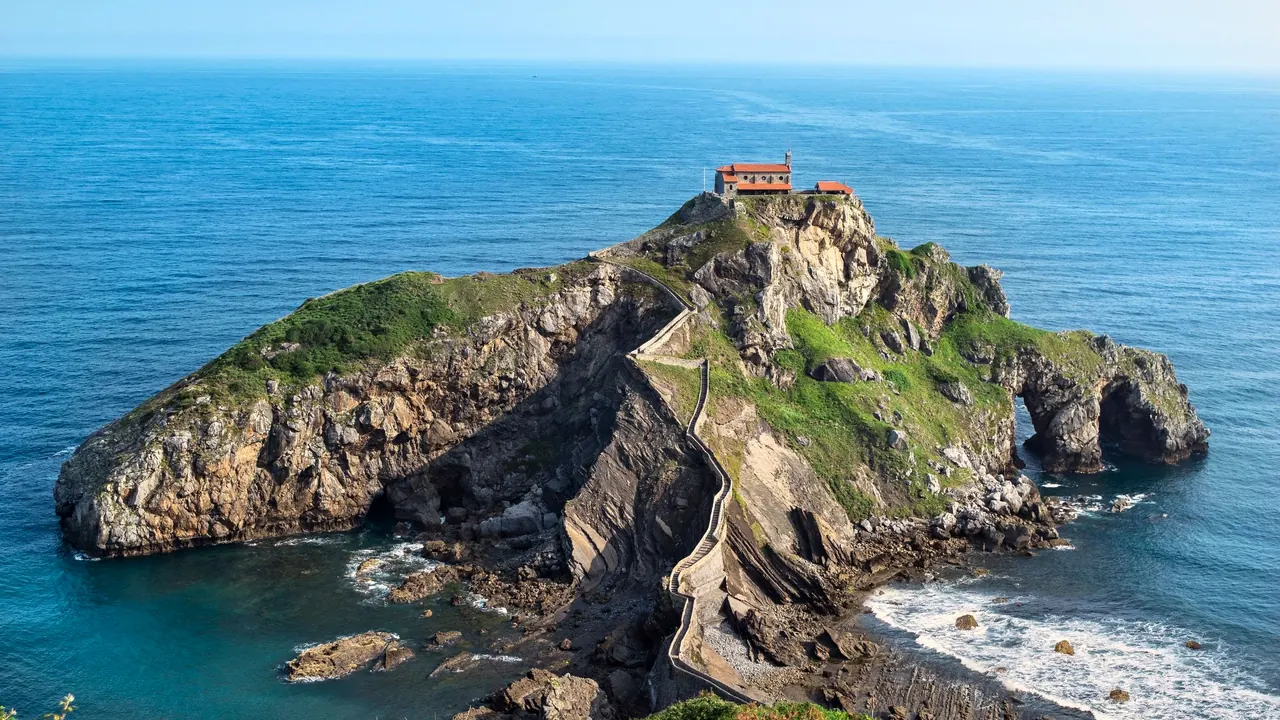
Both are rewarding outdoors, and the Basque Country has slightly more range. Its flysch cliffs between Zumaia and Deba, San Juan de Gaztelugatxe, the Urdaibai marshes, inland summits of around 1,500m and the surf at Mundaka offer coast and mountain together, and the mild climate suits being outside even in summer.
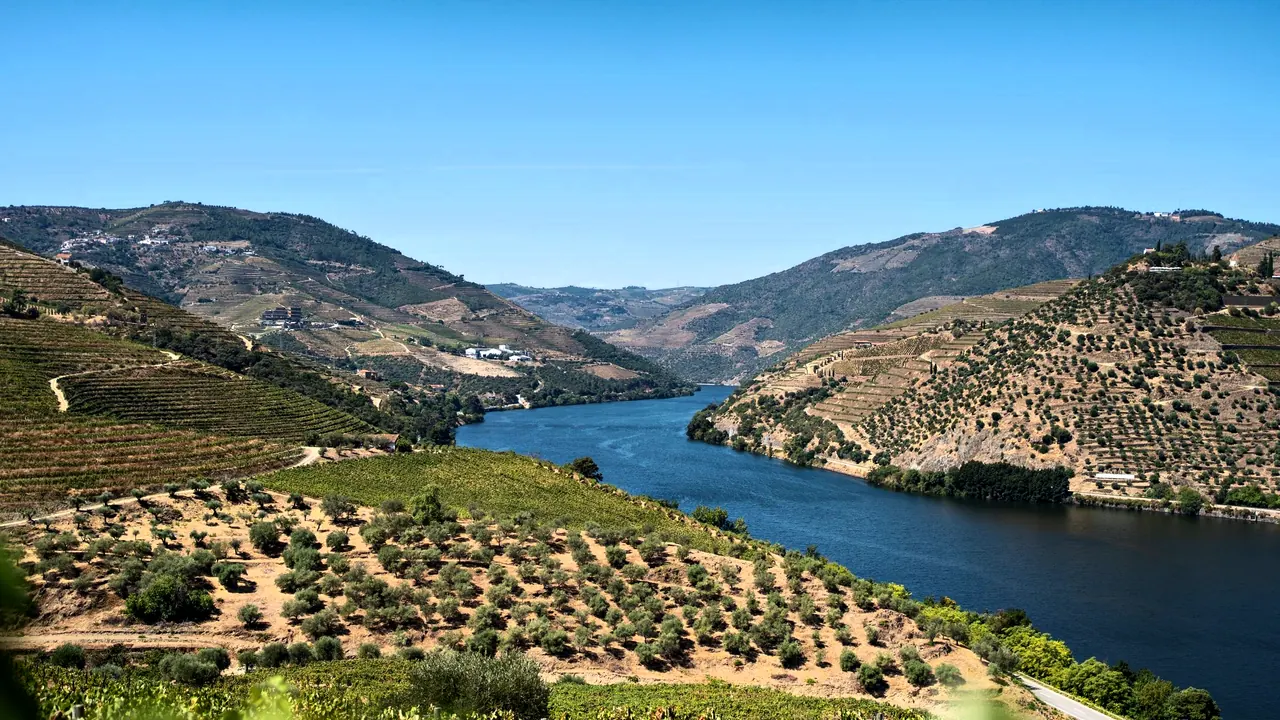
The Douro is one great view rather than many kinds of scenery. The schist gorge with its terraces of vines, olives and almonds is best seen from São Leonardo de Galafura, on vineyard paths or by boat and kayak. Its summer heat makes spring and autumn the seasons for walking.
Day trips
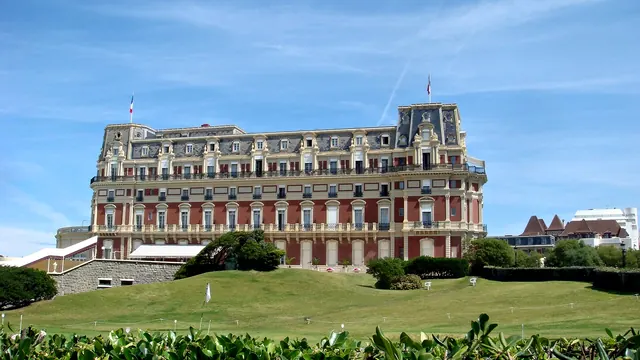
From a Basque base the outings are close and varied: fishing ports such as Lekeitio and Hondarribia, Biarritz and Bayonne across the French border in under an hour, Rioja Alavesa's wineries around Laguardia, and Pamplona or Burgos further afield.
The Douro's outings are good but need more driving. Porto is a full day by the riverside train. Amarante, Guimarães, Braga and Viseu with the Dão wine country make a strong set of historic towns, mostly an hour or more away by car.
Good for families
Children are much better served in the Basque Country. San Sebastián has a calm city beach, a flat promenade, an aquarium, the Eureka science museum and the old amusement park on Monte Igueldo. Families also stay out together in the squares on summer evenings. Frequent rain means having a few indoor plans ready.
The Douro is a wine trip and offers children little. Beyond the river boats, the scenic train, quinta pools and grape-treading at harvest, a stay there means hot afternoons and winding roads, which is why families usually keep it short.
Getting around
Getting around the Basque Country without a car is easy. Bilbao, San Sebastián and Vitoria are about an hour apart by motorway coach, each centre is walkable, and Bilbao has its Foster-designed metro and riverside tram. A car is only needed for wine country and the hill parks.
In the Douro, the riverside railway and boats cover the valley's core, but the quintas, viewpoints and hill towns are off the line. Many visitors hire a driver, take a tour or simply stay at an estate they can explore on foot, partly because tasting and driving do not mix.
Shopping & style
Neither is a shopping destination, but the Basque Country gives you more to browse. It has Bilbao's Gran Vía chains and department store, San Sebastián's independent boutiques, and good food to take home such as Getaria anchovies, Idiazabal cheese, striped Basque linen and the txapela beret. In the Douro, shopping means buying wine at the estates, often bottles you cannot find at home, plus olive oil, almonds and Bisalhães black pottery.
Affordability
Your money goes further in the Douro. Village restaurants serve big plates cheaply, good wine costs little, and guesthouses in Régua or Lamego are inexpensive. The catch is that the classic stay is not cheap: quinta hotels, private drivers, boat trips and harvest-season rooms all add up.
The Basque Country is one of Spain's more expensive regions. San Sebastián's summer hotels and top restaurants cost a lot, though pintxos and set lunch menus keep everyday meals reasonable. Staying in Bilbao or Vitoria and visiting San Sebastián for the day is the usual way to save.
Live music & performing arts
The Basque Country has a real programme to attend. San Sebastián has Jazzaldia in July and the Quincena Musical's classical season in August, Bilbao has BBK Live, and the ABAO opera season and two orchestras perform through the year. The Douro has only Vila Real's modest municipal theatre, village brass bands and folk groups at the summer festas, so for concerts or fado you need to go to Porto.
Wellness & relaxation
The Douro is the more restful place to unwind. Its larger wine-estate hotels have spas with vinotherapy and pools over the terraces, the nights are very quiet, and the old spa village of Caldas de Aregos is nearby.
The Basque Country has the seawater pools of La Concha's old bathing pavilion and the springs at Zestoa, but otherwise mostly hotel spas. Relaxing there tends to mean walking the promenade or spending a quiet night in Lekeitio rather than spending a whole stay at rest.
When should you go?
Pick your month. The climate figures are measured averages, not a forecast.
Basque Country in July
Douro Valley in July
Daytime high, °C
Rainfall in the month, mm
Where the figures come from
Basque Country's station stands 253 m above the place it is measured for, so that place is likely a little warmer than the figures say.
Douro Valley has no weather station within reach, so its figures come from a gridded climate model rather than a measured record, and read a broad area rather than one spot.
Temperature and rainfall are climate normals, averaged over the years shown. Basque Country: 1991-2020 normals, San Sebastian / Igueldo (10 km from centre). Douro Valley: 1991-2020 normals, TerraClimate 4 km grid at the town, no weather station within 90 km.
On the Basque coast the weather is mild and changeable. July and August are the beach months, with highs around 23°C and the sea reaching about 22°C. Even then rain falls fairly often and grey days are normal. Sunshine peaks in midsummer and is short from November to January. The wettest stretch runs from October to January, peaking at about 203mm in November, but the cool temperatures mean you can walk the streets in comfort almost all year.
The Douro has a far drier, hotter summer. July gets only about 11mm of rain and highs reach about 26°C, and the deep valley makes walking among the vines hard work in the afternoon heat. Spring and September to October are the best seasons there, with harvest bringing the estates to life. Winter turns wet and grey, though almond blossom brightens late winter. Head to the Basque coast for summer and to the Douro for spring or autumn.
Which traveller are you?
For a food and nightlife trip, the Basque Country wins easily. Evenings in San Sebastián's Parte Vieja or Bilbao's Casco Viejo move from one pintxos counter to the next and then on to late bars. In the Douro, the evening ends with dinner and a glass of port.
On a relaxing and wellness trip, the Douro Valley is the calmer choice. Quinta hotels have spas, infinity pools above the terraces and deep silence after dark. The Basque Country rests you through promenades and long lunches, but its towns are busier and its spas fewer.
On a family trip with children, the Basque Country is far easier. San Sebastián has calm water at La Concha, an aquarium, a science museum and the funicular to Monte Igueldo. In the Douro, children face long winding drives and adult tastings, with only boat rides and pools to make up for it.
Before you go
| Measure | Basque Country | Douro Valley |
|---|---|---|
| Official language | Spanish | Portuguese |
| Currency | Euro (EUR) | Euro (EUR) |
| Sockets | CF230 V, 50 Hz | CF230 V, 50 Hz |
| Driving side | Right | Right |
| Time zone | UTC+1, UTC+2 in summer | UTC, UTC+1 in summer |
| Emergency number | 112 | 112 |
| Main airport | Bilbao Airport (BIO)73 non-stop destinations | Francisco de Sá Carneiro Airport (OPO)134 non-stop destinations |
| Public holidays this year | 13 days | 14 days |
By the numbers
| Measure | Basque Country | Douro Valley |
|---|---|---|
| Population | 3,193,513 | - |
| Swim season, months above 21 °C | 2 months | - |
Where else could you go?
Every comparison below shares a destination with this one, so you can follow Basque Country or Douro Valley somewhere new.
- Bordeauxvs Basque Country
- Alentejovs Douro Valley
- Dordognevs Basque Country
- Andalusiavs Douro Valley
- Costa Bravavs Basque Country
- Algarvevs Douro Valley