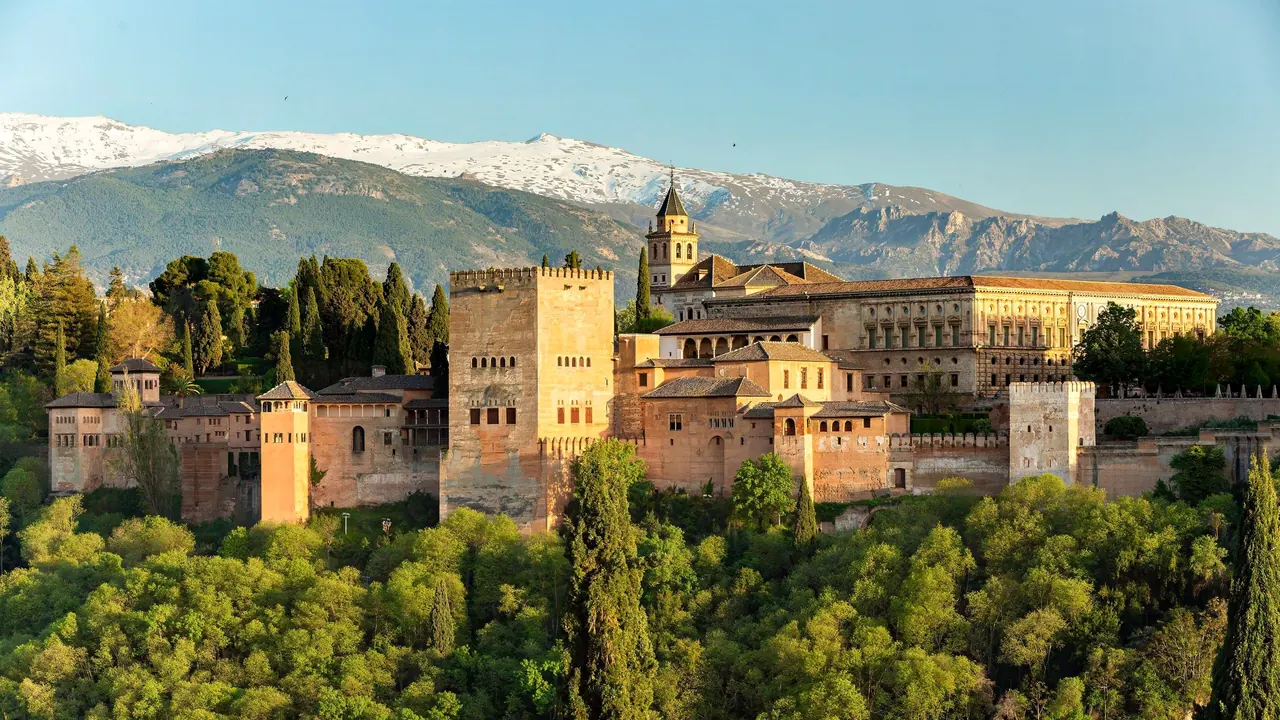
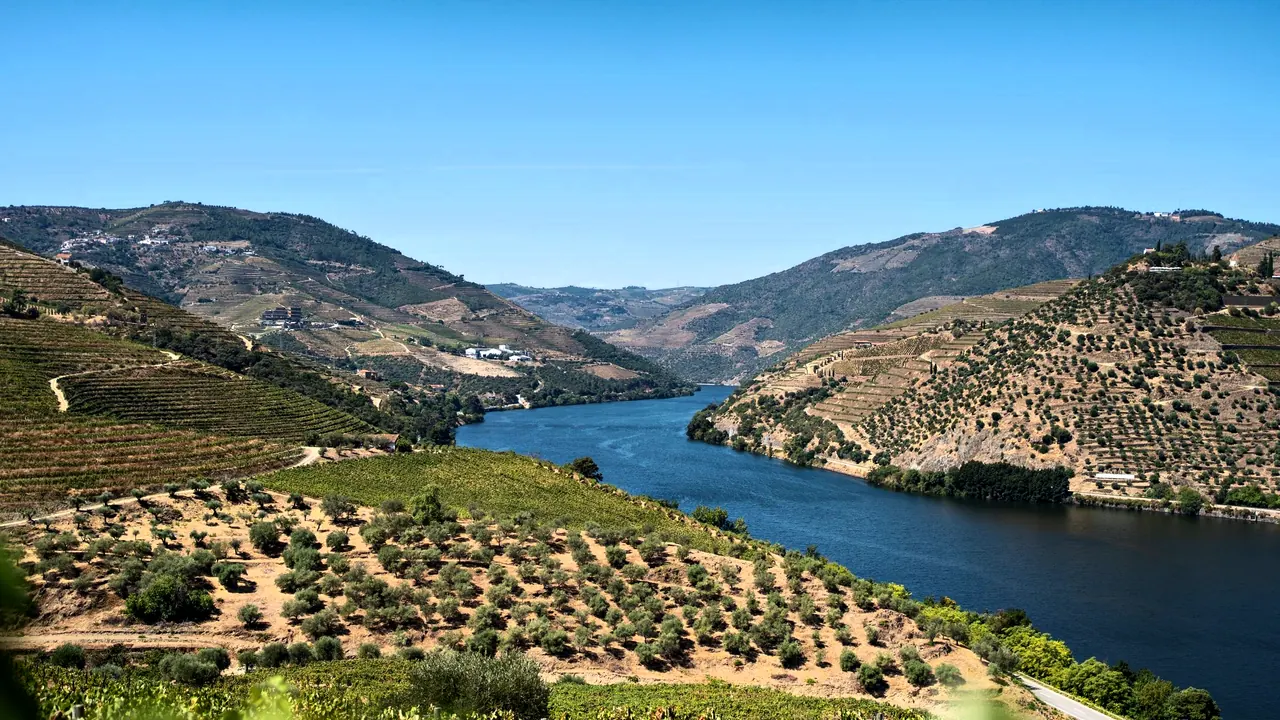
Photos: Andalusia by Diego Delso, CC BY-SA 4.0, cropped; Douro Valley by Finn Ruijter, Pexels License.
Andalusia or Douro Valley?
Our verdict in twelve categories, each scored against the same fixed benchmark cities, and the climate month by month, so you can choose for your trip.
Choose Andalusia for
- beaches
- nightlife
- live music and the arts
Andalusia suits travellers who want a full and varied trip. It has the Alhambra, the Mezquita and Seville's cathedral, beaches on two coasts, flamenco and late tapas nights, and plenty of easy days out with children. You tour it across several cities by train and car, and it can easily fill a week or two.
Choose Douro Valley for
- wellness
For couples and wine lovers who would rather stay in one place, the Douro Valley is the quieter and narrower choice. You stay at a quinta among the terraced vineyards, taste port where it is made and spend the evenings on a terrace above the river. There is no sea, little to do after dark and no grand city monuments, because the terraced landscape itself is the sight. In return you get scenery and calm, and it works well as a few days added to a stay in Porto.
Scoreboard
Twelve categories on one fixed scale from 0 to 100. The shaded stretch is the gap between the two.
Your match
Pick a travel style or drag the sliders, and both match scores follow your weighting.
Wins on beaches and nightlife with your weighting.
Wins on wellness with your weighting.
What matters to you?
Category by category
What the scores mean for a trip.
Beaches & swimming
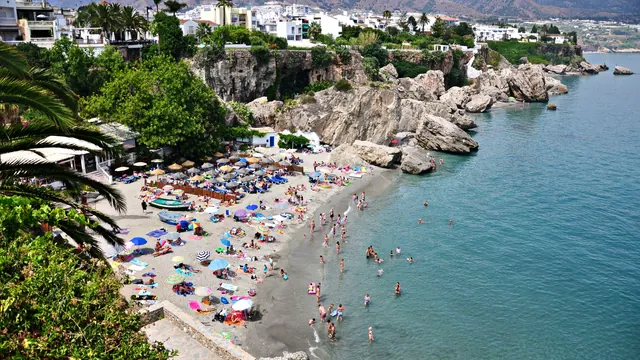
Andalusia is a real beach destination, with two coasts to choose from. On the Mediterranean side the water is calm and warm, from the promenades of the Costa del Sol to the volcanic coves of Cabo de Gata. On the Atlantic side, the Costa de la Luz has wide golden beaches backed by dunes at Bolonia and Zahara.
The Douro has no sea at all. Swimming there means a river beach on the Douro, the Tua or the Paiva, or more often your quinta's pool. That is pleasant on a hot afternoon but never the point of the trip.
Food & drink
Both are good places to drink, but Andalusia has far more to eat. You can go from tapas bar to tapas bar in Triana and Granada, eat fried fish on the coast, try ham from Huelva and browse the covered markets of Seville, Cádiz and Málaga, all with cold sherry from the Jerez triangle.
The Douro's offer is narrower and centres on the glass: port and the valley's reds tasted on estate terraces between Régua and Pinhão, followed by roast kid and meat-stuffed bola de Lamego. There are no markets or street food, and evenings in the villages end early.
Culture & sights
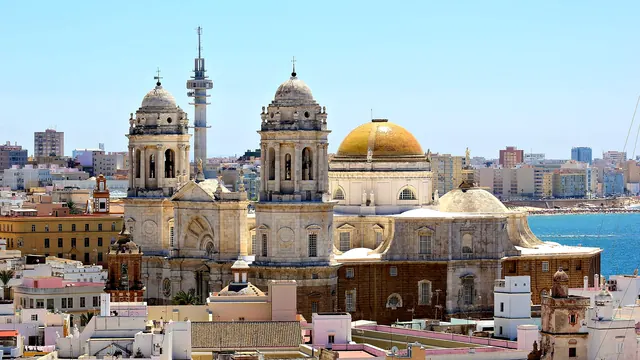
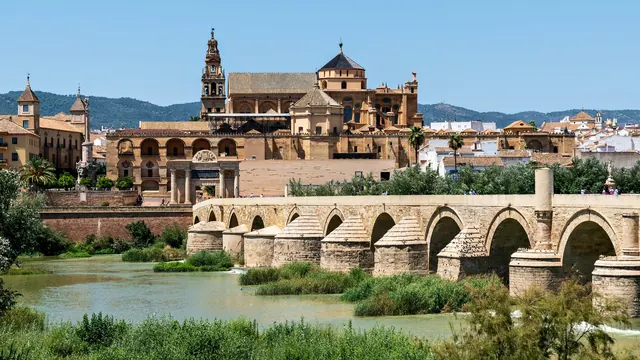
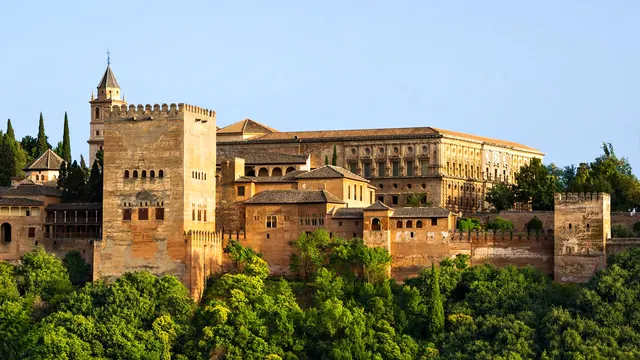
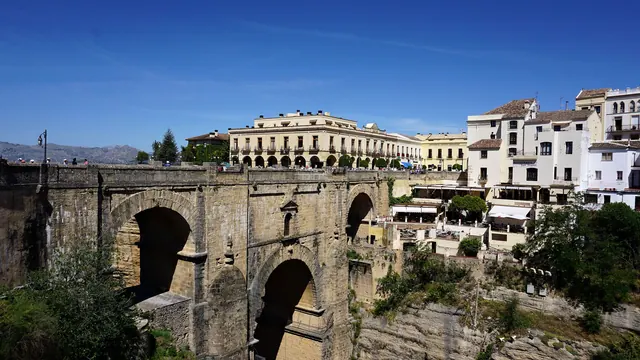
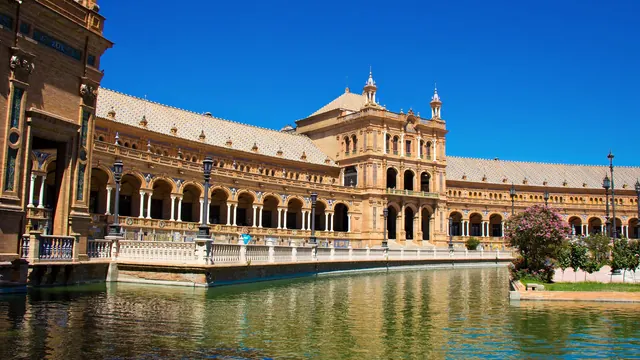
This is one of the widest gaps between the two. Andalusia has the Alhambra, the Mezquita, and Seville's cathedral and Real Alcázar. Behind them come Úbeda, Baeza, Ronda and Cádiz, enough old cities to fill a whole trip.
In the Douro, the heritage is the World Heritage terraced wine landscape itself. Around it are scattered the Douro Museum in Régua, Lamego's baroque stairway, the Mateus Palace and the Palaeolithic engravings of the Côa Valley. They make good stops between tastings rather than days of sightseeing.
Nightlife
Andalusia goes out late. There are terraces around Seville's Alameda and in Triana, student bars in Granada and late terraces in Málaga's old town, and in summer Marbella has beach clubs and Torremolinos its long-standing gay scene. The Douro has almost nothing after dinner beyond a few bars in Vila Real and the odd summer festa, so anyone who wants a night out should look to Porto.
Nature & outdoors
Both are rewarding outdoors, and Andalusia has the greater range. It has the Sierra Nevada at nearly 3,500m, the Caminito del Rey gorge walk, the limestone towers of El Torcal, the wetlands of Doñana and the kitesurfing winds of Tarifa.
The Douro has one landscape, and it is superb: schist terraces of vines and almond trees above the river. You can take in the views from São Leonardo de Galafura, walk the vineyard paths, paddle a kayak or ride the riverside railway, and there is wilder walking in the Alvão hills.
Day trips
Andalusia's day trips are richer and closer together. From Seville you can reach Itálica and Carmona, from Málaga Ronda and Antequera, and there are also the white villages of the Cádiz hills, Gibraltar and a ferry from Tarifa to Tangier.
From the Douro the outings take more driving. Porto is a day out on the riverside train, Amarante, Guimarães and Braga lie to the west, and Viseu and the Dão wine country lie to the south. They are well worth it, but there are fewer of them and they are further apart.
Good for families
Andalusia is much the easier choice with children. The Costa del Sol has gentle beaches, water parks, the Fuengirola zoo and the aquarium at Benalmádena, and Granada's science museum and the Tabernas film sets add variety, as long as you avoid the inland cities at the height of summer.
The Douro is built around adult tastings and winding drives. Children get a boat ride, the scenic train, a quinta pool and perhaps grape-treading at harvest, and most families give it no more than two or three days.
Getting around
Andalusia's main cities are linked by fast trains, with Córdoba under an hour from Seville, and both Seville and Málaga have metro or tram lines, though the villages and the Atlantic coast need a car. In the Douro, only the riverside railway and the boats work without a car. The quintas and viewpoints need a driver or a tour on twisting roads, which matters when the day is spent tasting.
Shopping & style
Neither is a shopping destination, but Andalusia gives you more to browse. There are Triana ceramics, flamenco dresses and fans made to be worn and used, Ubrique leather, the shopping streets of Sierpes and Larios, and Marbella's boutiques. In the Douro you mostly come home with bottles: aged tawnies and vintage port from the estates, plus olive oil, almonds and black Bisalhães pottery, and very little else.
Affordability
Costs come out broadly level, and in both places eating and drinking are the cheap part. In Andalusia, tapas (free with each drink in Granada and Jaén) and set lunches keep the days inexpensive. Rooms are what vary: they are dear during Seville's festival weeks and on the coast in summer.
In the Douro the food and wine are cheap, but the typical stay is not, because estate hotels, tastings and private drivers add up. Staying in a town such as Lamego and driving yourself keeps the cost down.
Live music & performing arts
Andalusia is the home of flamenco. You can see it in nightly shows in Santa Cruz and Triana, in the peñas of Jerez and in the cave zambras of Sacromonte, with opera at the Maestranza and summer concerts at the Alhambra as well. The Douro has a modest municipal theatre in Vila Real and brass bands at the summer festas, and for fado or concerts you go back to Porto.
Wellness & relaxation
The two are close here, but the calm comes from different places. Andalusia has Moorish-style bathhouses in Granada, Córdoba, Seville and Málaga, old spa towns such as Lanjarón and large resort spas around Marbella, though its cities are rarely restful in themselves.
In the Douro the quiet comes from the setting. There are estate spas with vinotherapy, infinity pools over the terraces, silent nights and the old sulphur springs at Caldas de Aregos. It is the easier place to do nothing at all.
When should you go?
Pick your month. The climate figures are measured averages, not a forecast.
Andalusia in July
Douro Valley in July
Daytime high, °C
Rainfall in the month, mm
Where the figures come from
Douro Valley has no weather station within reach, so its figures come from a gridded climate model rather than a measured record, and read a broad area rather than one spot.
Temperature and rainfall are climate normals, averaged over the years shown. Andalusia: 1991-2020 (sunshine 1981-2010, rainfall 1981-2010) normals, Sevilla / San Pablo (8.1 km from centre). Douro Valley: 1991-2020 normals, TerraClimate 4 km grid at the town, no weather station within 90 km.
Andalusia is warm from April. May, late September and October are the best months for walking around its cities, with highs in the mid to high twenties. Midsummer is beach season but too hot for sightseeing, with highs of about 36°C in July and August and almost no rain. The rain comes in late autumn and winter and is heaviest in November, at about 122mm, but winter days stay mild and sunny by European standards.
The Douro is cooler and much wetter. Where the climate is measured, summer highs reach about 26°C and the rain almost stops in July and August, which is good weather for the river beaches and quinta pools. On still afternoons the deep gorge can feel hotter than that. From October to February the valley is grey and wet, with up to 178mm of rain a month, so late spring and the September harvest are the best times to go. In winter, Andalusia is the milder and drier of the two.
Which traveller are you?
On a beach and sun trip, Andalusia is the clear choice. It has calm Mediterranean coves and the golden sands of the Costa de la Luz, with long, dry summers. The Douro has only river beaches and quinta pools, a long drive from the Atlantic.
On a family trip with children, Andalusia works much better. The Costa del Sol has gentle beaches, water parks and an aquarium, Granada has a hands-on science museum, and children stay out late everywhere. In the Douro, wine tastings and winding drives leave young children little to do.
For a relaxing and wellness trip, the Douro has the edge. A quinta among the vines gives you an estate spa, an infinity pool over the terraces and deep quiet after dark. In Andalusia the calm is more scattered, split between Moorish-style baths and large resort spas.
Before you go
| Measure | Andalusia | Douro Valley |
|---|---|---|
| Official language | Spanish | Portuguese |
| Currency | Euro (EUR) | Euro (EUR) |
| Sockets | CF230 V, 50 Hz | CF230 V, 50 Hz |
| Driving side | Right | Right |
| Time zone | UTC+1, UTC+2 in summer | UTC, UTC+1 in summer |
| Emergency number | 112 | 112 |
| Main airport | Seville Airport (SVQ)96 non-stop destinations | Francisco de Sá Carneiro Airport (OPO)134 non-stop destinations |
| Public holidays this year | 12 days | 14 days |
By the numbers
| Measure | Andalusia | Douro Valley |
|---|---|---|
| Population | 8,619,616 | - |
Where else could you go?
Every comparison below shares a destination with this one, so you can follow Andalusia or Douro Valley somewhere new.
- Algarvevs Andalusia
- Alentejovs Andalusia
- Alentejovs Douro Valley
- Algarvevs Douro Valley
- Basque Countryvs Douro Valley
- Costa Blancavs Andalusia