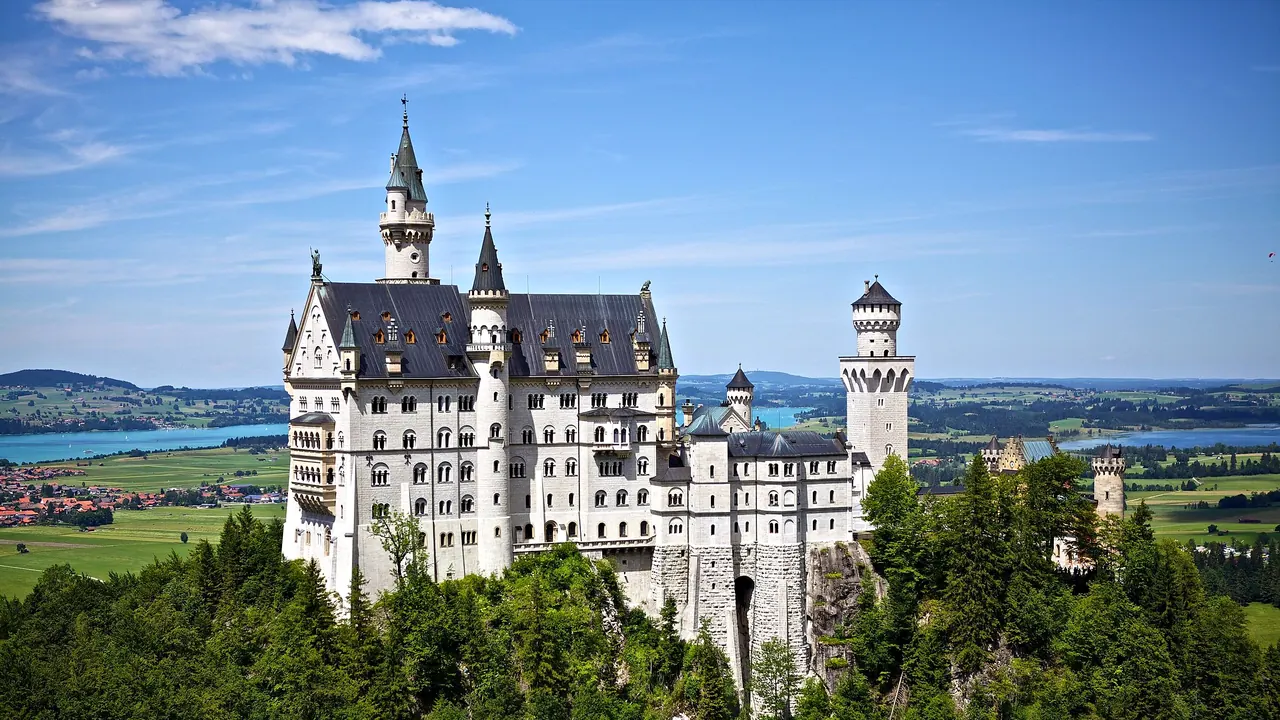
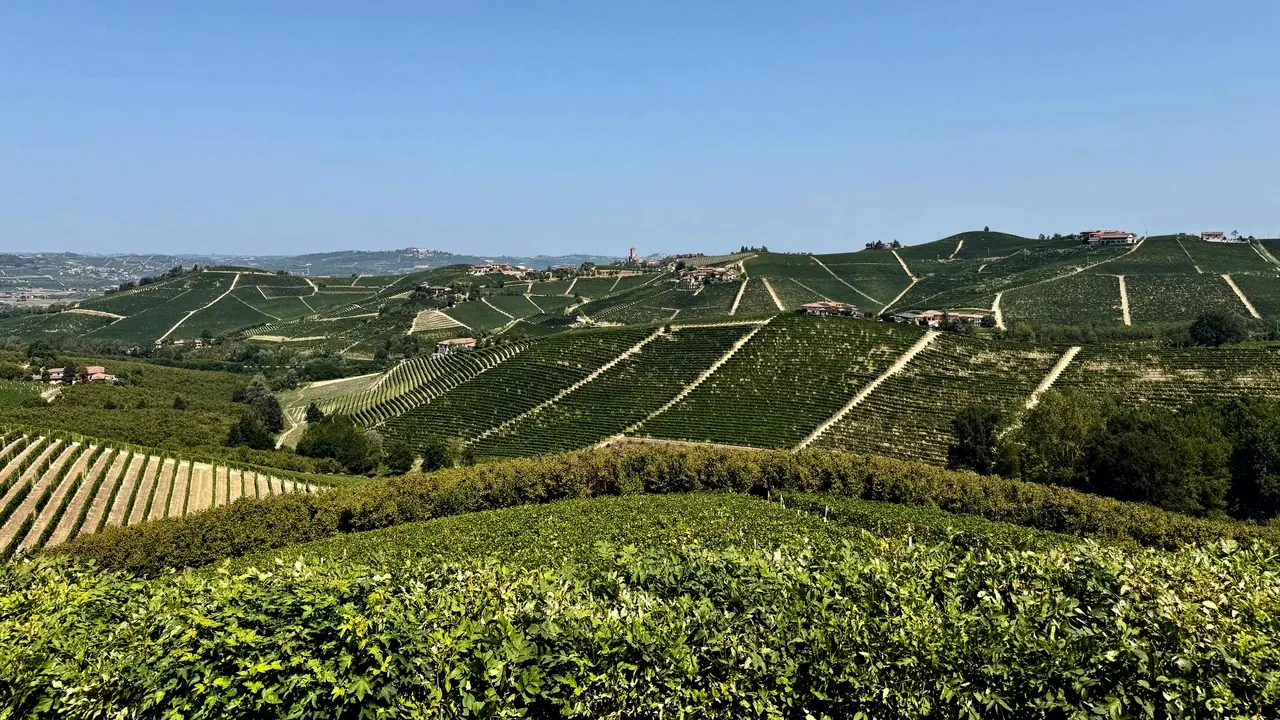
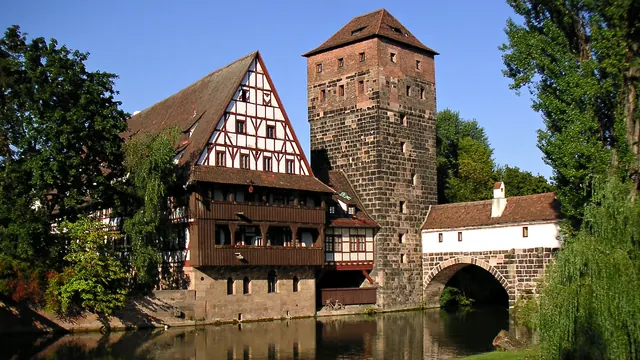
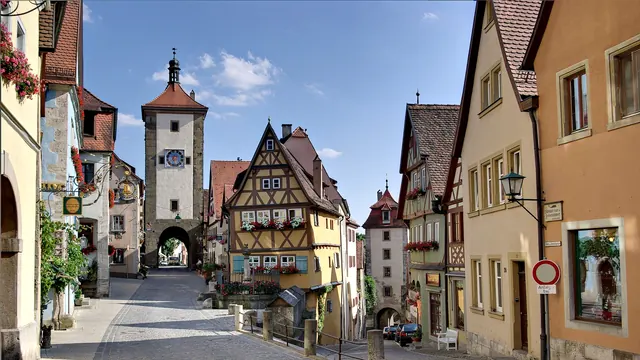
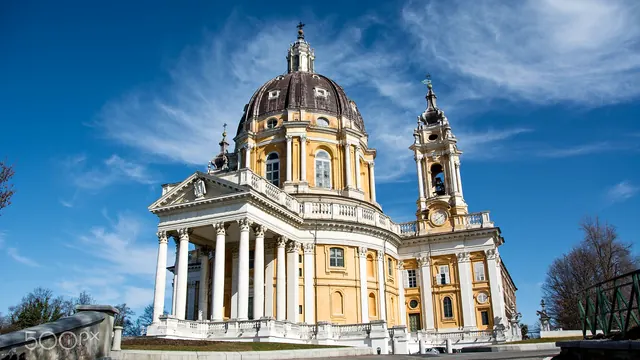
Photos: Bavaria by cameralends, CC0; Piedmont by Martina Amaro, Pexels License.
Bavaria or Piedmont?
Our verdict in twelve categories, each scored against the same fixed benchmark cities, and the climate month by month, so you can choose for your trip.
Choose Bavaria for
- live music and the arts
- families
- wellness
Bavaria suits travellers who want plenty to do and an easy time doing it. Families get zoos, Legoland, lake meadows and a playground at almost every beer garden. Music lovers have Munich's opera and orchestras and the Wagner festival at Bayreuth, and the old spa towns and Alpine lakes make for restful stays. Trains reach most of what matters. The price for all this is Munich itself, which is expensive.
Choose Piedmont for
- food and drink
- prices
- beaches
For a trip built around the table, Piedmont is the better pick. Barolo, the Alba truffle season and Turin's coffee houses and aperitivo are a level above Bavaria's beer-and-sausage cooking, and the region is easier on the budget. It suits adults with a car and time to linger in the Langhe, and Turin's museums and the high mountains around Monte Rosa round out a stay.
Scoreboard
Twelve categories on one fixed scale from 0 to 100. The shaded stretch is the gap between the two.
Your match
Pick a travel style or drag the sliders, and both match scores follow your weighting.
Wins on live music and the arts and families with your weighting.
Wins on food and drink and prices with your weighting.
What matters to you?
Category by category
What the scores mean for a trip.
Beaches & swimming
Neither region has a coast. Both offer lake swimming over a short season from June to early September, and in neither should it be the reason for the trip. They differ in style. Bavaria's lakes south of Munich, the Starnberger See, Ammersee and Chiemsee, have meadows, wooden jetties and grassy spots, and in Munich itself people swim from the gravel banks of the Isar.
Piedmont's swimming is centred on the western shore of Lake Maggiore, where Stresa and Baveno have lidos and pebble beaches with mountains behind, and Lake Orta is the quieter alternative. On Maggiore you get resort towns and boat trips to the islands; Bavaria's lakes are more spread out and feel more like a local day out.
Food & drink
This is where Piedmont pulls clearly ahead. The Langhe hills around Alba pair Barolo and Barbaresco with the autumn white truffle season, and dishes from agnolotti del plin to vitello tonnato make it worth planning a trip around meals. Turin adds its historic coffee houses, bicerin and a serious aperitivo.
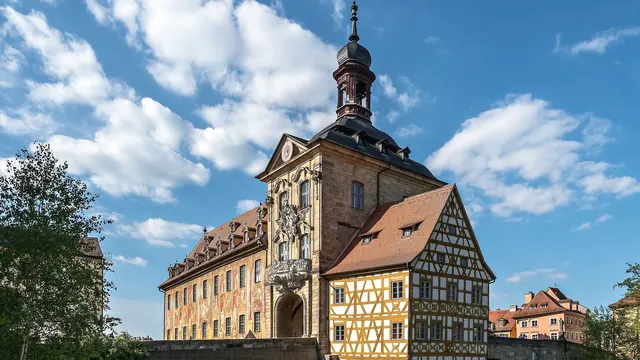
Bavaria eats well but within a narrower range. Beer is the main event, from Munich's beer gardens to Bamberg's smoked beer and the village breweries of Upper Franconia, with Silvaner around Würzburg. Outside Munich, the same menu of roast pork, dumplings and sausages turns up from inn to inn.
Culture & sights
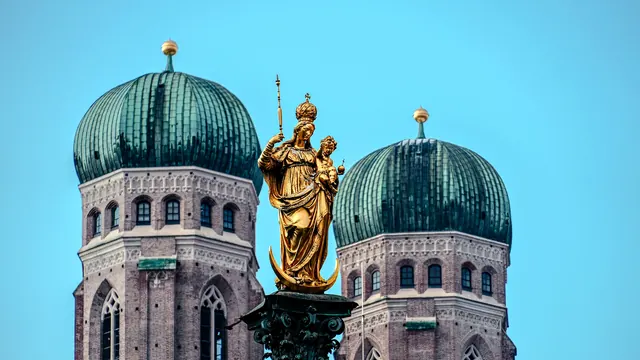
Both are rich in heritage, but it is spread out differently. Bavaria's best is scattered across many towns: Munich's Pinakotheken and the Deutsches Museum, Nuremberg's castle, the UNESCO-listed old towns of Bamberg and Regensburg, Tiepolo's ceiling in Würzburg and Ludwig II's castles in the south. It rewards a trip that moves between bases.
Piedmont puts more of its weight in one city. Turin's Egyptian Museum, Baroque squares and Savoy palaces, with Venaria Reale just outside, make a strong single base. Beyond it come dramatic landmarks such as the Sacra di San Michele on its crag, the Sacri Monti chapels and the Borromean Islands, along with castle-topped Langhe villages and the medieval centre of Saluzzo.
Nightlife
Neither is a party destination, but Bavaria has more going on after dark. Munich leads, with cocktail bars in Glockenbachviertel, a respectable club scene and beer halls that grow loud as the evening goes on. The university towns of Bamberg, Würzburg and Regensburg have lively student pub streets, and Oktoberfest in late September and early October is a spectacle of its own.
In Piedmont, going out really means Turin. Evenings start with aperitivo and move on to the pavement bars of San Salvario and Vanchiglia, or to the banks of the Po in summer. Beyond the city, the Langhe winds down after a long dinner and the lake towns offer little more than a drink on the waterfront.
Nature & outdoors
Bavaria's Alps run only along its southern rim, from the Zugspitze above Garmisch to Berchtesgaden and the Königssee, and they are well-organised hut-to-hut country. North of them the land softens into the wild woods of the Bavarian Forest, the climbing crags of Franconian Switzerland and long cycle paths beside the Danube and the Main.
Piedmont's mountains wrap round it on three sides and climb higher and wilder, with Monte Rosa above Alagna, the ibex of Gran Paradiso and the uninhabited heart of the Val Grande. Lower down, the Langhe vineyards are classic road-cycling country. The peaks need a base of their own, well away from Turin and the wine hills.
Day trips
Both make excellent bases for outings, and the difference is where they take you. From Munich, trains reach Augsburg, Nuremberg, Regensburg and Salzburg with ease. Franconia works as a second circuit of its own, with Bamberg, the Main wine villages and the Romantic Road towns.
Piedmont's outings are more varied: Milan in about an hour by fast train, the Ligurian coast for a day by the sea, and the Roman remains at Aosta. Closer to home are the Barolo villages and the boats from Lake Maggiore to the Swiss shore. Bavaria's trips are easier to do by rail, while the Langhe days work best by car.
Good for families
Bavaria is the easier choice with children. Legoland at Günzburg, Munich's Hellabrunn zoo and the hands-on section of the Deutsches Museum fill whole days. Summer toboggan runs, grassy lake beaches and playgrounds in beer gardens add more, and the region is tidy and simple to get around.
Piedmont works best split between Turin and Lake Maggiore, where the Egyptian Museum's mummies, the island boats and palace gardens with white peacocks hold children's attention. The wine hills, the main draw for adults, offer them little, and there is no big theme park.
Getting around
Bavaria is much easier without a car. Regional trains run from Munich not only to the big towns but also to Garmisch, Füssen, Berchtesgaden and the lakes, and one day ticket covers much of the state. Problems start only in remoter valleys, and with the frequent train delays.
In Piedmont the railways serve Turin, Asti, Alba and the Lake Maggiore shore. The Langhe hilltop villages, the Alpine valleys and the ski resorts are really car country. Driving there is a pleasure, but going car-free limits a visit to Piedmont far more than it limits one to Bavaria.
Shopping & style
Bavaria has a modest edge, mostly thanks to Munich, where Maximilianstrasse has the luxury houses that Turin largely lacks. Around the region there are traditional crafts, from Dirndl tailors to Oberammergau woodcarving and Nuremberg toys, and in December the Christmas markets are a shopping trip in themselves.
Piedmont's best buys are things to eat and drink: gianduiotti, vermouth, hazelnuts and Barolo bought at the cellar door. Add Biella cashmere and Turin's Porta Palazzo and Balon markets, and its shopping has a character all its own.
Affordability
Piedmont is the cheaper of the two. Turin's hotels are reasonable, aperitivo comes with plenty of food, and country trattorias and farm stays are fairly priced. The truffle season, Lake Maggiore in high summer and the ski resorts are the costlier exceptions.
In Bavaria, costs depend mostly on how much time you spend in Munich, which is expensive all year and very costly during Oktoberfest and the big trade fairs. A base in Bamberg, Würzburg or an Alpine guesthouse brings costs down, and so do the regional day tickets and the custom of bringing your own food to beer gardens.
Live music & performing arts
Here Bavaria is far stronger. In Munich the Bavarian State Opera performs most nights in season, two orchestras of international rank are based there, and the rococo Cuvilliés Theatre is a draw in itself. Bayreuth's summer Wagner festival brings devotees from around the world.
Turin has a full season at the Teatro Regio, the RAI National Symphony Orchestra and the lovely Teatro Carignano. The rest of Piedmont relies on summer events, such as the Stresa festival and concerts in Langhe castles, so you have to plan around dates rather than find something on any evening.
Wellness & relaxation
Bavaria's spa tradition runs deeper and wider. It has a whole network of Bad towns, from the colonnades of Bad Kissingen to the brine baths of Bad Reichenhall and the thermal resort of Bad Füssing. Kneipp's water cure began at Bad Wörishofen, and the huge Erding complex is close to Munich. Saunas follow the German custom: mixed, and mostly nude.
Piedmont's thermal offer is smaller but genuine, centred on the hot Bollente spring at Acqui Terme and the mountain baths of Valdieri and Vinadio. Its other way to rest is a slow stay on a farm or wine estate in the Langhe, where long lunches do much of the work.
When should you go?
Pick your month. The climate figures are measured averages, not a forecast.
Bavaria in July
Piedmont in July
Daytime high, °C
Rainfall in the month, mm
Where the figures come from
Piedmont has no weather station within reach, so its figures come from a gridded climate model rather than a measured record, and read a broad area rather than one spot.
Temperature and rainfall are climate normals, averaged over the years shown. Bavaria: 1991-2020 normals, München (1.9 km from centre). Piedmont: 1991-2020 normals, TerraClimate 4 km grid at the town, no weather station within 90 km.
Bavaria is at its best from June to September. Summer highs of around 25°C are good for lake swimming and Alpine walking, and July is the sunniest month. Summer is also the wettest time of year, though, with about 120mm of rain a month, so leave some slack in the plans. September is drier and still pleasant for hiking. Winter is properly cold and dark, a season for skiing and Christmas markets rather than long days on foot.
Piedmont is warmer all year, and its rain comes at the opposite time. Summer highs reach about 29°C, which is hot for Turin's streets but right for the lakes, and July and August are fairly dry. Spring and September are the most comfortable months for walking and touring the vineyards. The rain builds through autumn to a peak of 89mm in November, and winter days stay noticeably milder than in Bavaria.
Which traveller are you?
On a family trip with children, Bavaria wins because it works from almost any base. Inns welcome children, distances stay short, and even winter brings Christmas markets and easy ski slopes. In Piedmont the wine hills are the main draw, and they are made for adults.
For a food and nightlife trip, Piedmont wins at the table: Barolo cellars, truffles, tajarin and agnolotti, then Turin's aperitivo and the bar streets of San Salvario. Munich has the livelier late scene, though, so choose Bavaria if dancing matters more than dinner.
On a tight budget, Piedmont leaves more for the days themselves. Turin's arcades, Baroque squares and the Porta Palazzo and Balon markets cost nothing to wander, and regional trains reach Alba and the lidos at Stresa. Bavaria's free pleasures, the Isar banks and lake meadows, lie around a pricier Munich.
Before you go
| Measure | Bavaria | Piedmont |
|---|---|---|
| Official language | German | Italian |
| Currency | Euro (EUR) | Euro (EUR) |
| Sockets | CF230 V, 50 Hz | CFL230 V, 50 Hz |
| Driving side | Right | Right |
| Time zone | UTC+1, UTC+2 in summer | UTC+1, UTC+2 in summer |
| Emergency number | 112 | 112 |
| Main airport | Munich Airport (MUC)211 non-stop destinations | Turin Airport (TRN)65 non-stop destinations |
| Public holidays this year | 12 days | 13 days |
By the numbers
| Measure | Bavaria | Piedmont |
|---|---|---|
| Population | 13,038,724 | 4,341,375 |
| Swim season, months above 21 °C | - | 4 months |
Where else could you go?
Every comparison below shares a destination with this one, so you can follow Bavaria or Piedmont somewhere new.
- Austrian Alpsvs Bavaria
- Lake Maggiorevs Piedmont
- Cinque Terrevs Piedmont
- French Rivieravs Piedmont
- French Alpsvs Piedmont
- Lake Comovs Piedmont