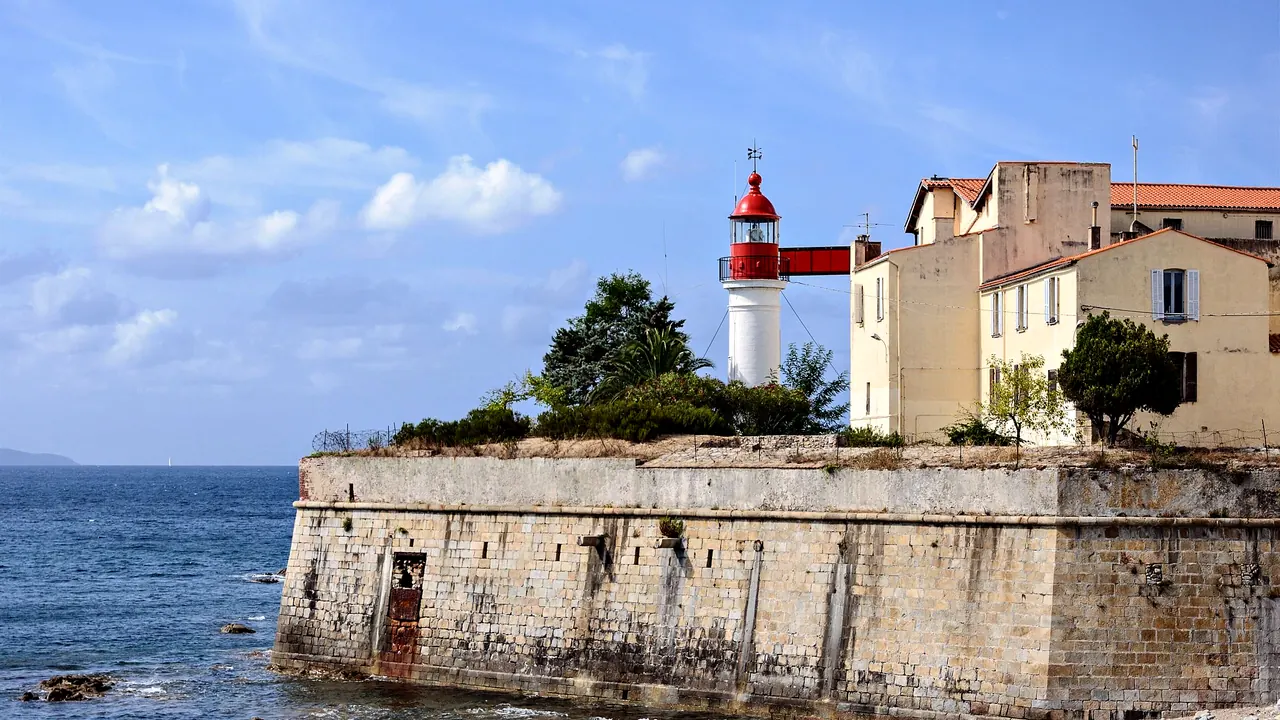
Photos: Corsica by Myrabella, CC BY-SA 3.0, cropped.
Corsica or Provence?
Our verdict in twelve categories, each scored against the same fixed benchmark cities, and the climate month by month, so you can choose for your trip.
Choose Corsica for
- beaches
- nature and the outdoors
Corsica is the choice for a trip built around sea and mountains: the pale-sand coves of the far south, the Agriates beaches reached by boat, and granite peaks and gorges a short drive inland. It suits travellers who are happy to settle at one base with a hire car and spend the days swimming, walking and eating in village inns. They should not mind having few museums, few shops and quiet nights.
Choose Provence for
- shopping
- day trips
- live music and the arts
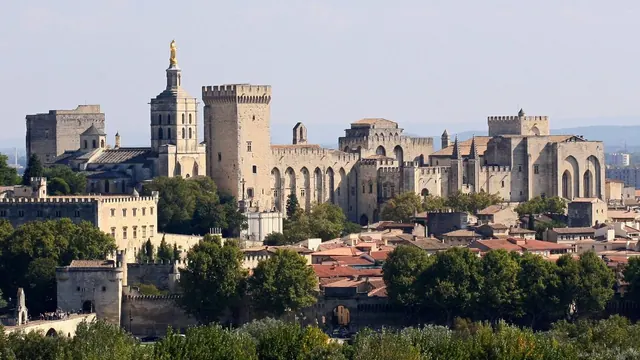
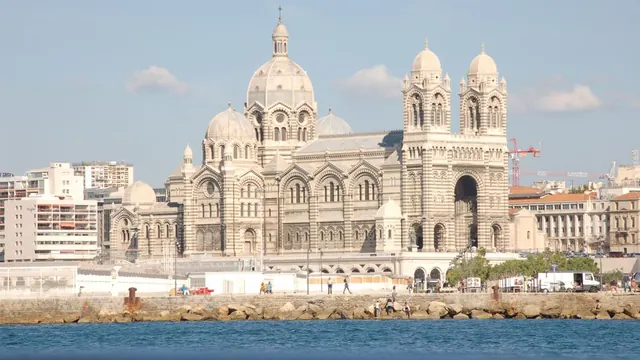
Travellers who want something different every day will do better in Provence. Roman theatres, the papal palace at Avignon, weekly markets and better food all sit within an hour of almost any base. The summer festivals give the evenings a purpose, and Marseille adds a real city. The beaches are good rather than outstanding, and the countryside is gentler than Corsica's.
Scoreboard
Twelve categories on one fixed scale from 0 to 100. The shaded stretch is the gap between the two.
Your match
Pick a travel style or drag the sliders, and both match scores follow your weighting.
Wins on beaches and nature and the outdoors with your weighting.
Wins on shopping and day trips with your weighting.
What matters to you?
Category by category
What the scores mean for a trip.
Beaches & swimming
Corsica's best beaches are the stronger draw. Palombaggia, Santa Giulia and Rondinara in the far south and Saleccia and Lotu in the Agriates, reached by boat, have pale sand on very clear water. The granite coves of the west coast are there for quieter days.
Provence offers variety more than consistent quality. It has the long sand of Pampelonne with its beach clubs, the shallow water of Porquerolles, and the rocky calanques near Cassis, where you swim off rocks rather than lie on sand. A mistral can cool the water for days, and a base in the Luberon puts the sea a long drive away.
Food & drink
Corsica's cooking is rustic mountain food: lonzu and figatellu from free-roaming pigs, brocciu, chestnut flour and wild boar. It is best in village inns, not on resort terraces, and Patrimonio wine and cap corse are worth seeking out.
Provence eats better and more widely. There is bouillabaisse in Marseille, couscous from its North African quarters, daube and aïoli inland and truffles around Carpentras. The weekly markets of Aix, Apt and Saint-Rémy are a pleasure in themselves, and Bandol and Châteauneuf-du-Pape are close by for wine.
Culture & sights
Corsica's sights are fortified places in dramatic settings. There is Bonifacio on its limestone cliffs, the citadels of Calvi and Corte, Napoleon's birthplace and the Palais Fesch in Ajaccio, and the carved stones of Filitosa. They make good stops on a drive rather than a full programme.
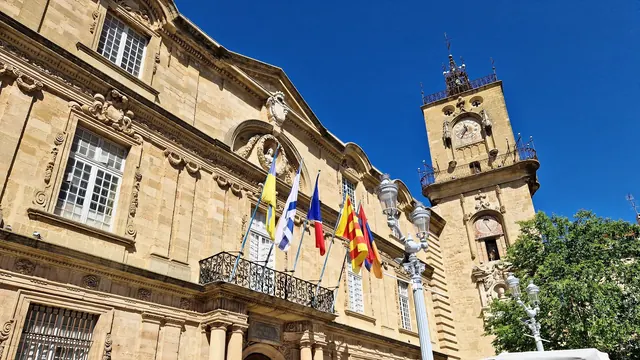
Provence has far more to fill the days. It has the Palais des Papes in Avignon, the Roman theatres of Arles and Orange, Cézanne's Aix, the MuCEM in Marseille and the abbeys of Sénanque and Le Thoronet. Because these are spread across several towns, a trip planned around history and art is well rewarded.
Nightlife
On Corsica evenings rarely go beyond a harbour terrace. The exceptions are high summer, with the open-air clubs above Porto-Vecchio and the beach bars of Calvi.
Provence has what Corsica lacks: Marseille, with a year-round city scene around Cours Julien and La Plaine, late clubs and rooftop bars. Add Saint-Tropez in summer, the student bars of Aix and a busy Avignon in July, and there is clearly more to choose from.
Nature & outdoors
Corsica has the wilder landscape. Peaks over 2,700m rise close to the coast, and the GR20 runs along the island's spine. There are the red rocks of Piana, the Scandola reserve and the needles of Bavella, along with canyoning in the rivers and diving around the Lavezzi islands.
Provence is more varied than it is high. It has the Verdon gorge, the coastal paths of the Calanques, Mont Ventoux for cyclists, the flamingos of the Camargue and the lavender of Valensole. It is excellent, but on days of high fire risk in summer the massifs and calanques can close, and nothing quite matches mountains rising straight from the sea.
Day trips
On Corsica each base has its own short list of outings. From the south you can go to Sartène or take the ferry to Sardinia, from Calvi to the Balagne villages, and from Bastia to Cap Corse. Slow mountain roads keep most of the island out of reach of a single base.
Provence is far richer here. Gordes, Roussillon, Les Baux, Châteauneuf-du-Pape and the Pont du Gard are all within an hour of Avignon or the Luberon, with Cassis and Porquerolles from the coast. One base can give you a week of quite different days.
Good for families
Both suit families who want a beach and a pool more than attractions, and neither has a major theme park. Corsica's strength is calm, shallow bays such as Santa Giulia and resort villages with pools, with river pools inland. Provence has shallow sand around Hyères, plus canoeing on the Sorgue, Camargue horses and Roman arenas for older children, and in both places long or winding drives are the main thing to plan around.
Getting around
You really need a car on Corsica. Winding roads stretch journey times and buses are infrequent. The scenic railway between Ajaccio, Corte, Bastia and Calvi is a pleasure, but it misses the south entirely.
Provence is easier, though not car-free. Trains link Marseille, Aix, Avignon, Arles and Toulon, and Marseille has a metro and trams, so a trip based in the towns works without a car. The villages and gorges still need one, and in summer the ferries across the gulf beat the road into Saint-Tropez.
Shopping & style
Shopping on Corsica means food and crafts to take home, such as charcuterie, chestnut flour, wine, Corsican knives and Balagne pottery, and very little else. Provence goes much further, with the antiques dealers of L'Isle-sur-la-Sorgue, printed fabrics, Moustiers faience, santons and Marseille soap, as well as proper town-centre shopping in Aix and luxury boutiques in Saint-Tropez.
Affordability
Neither is cheap in summer, but Corsica usually costs more. Car hire and ferry crossings come on top of resort prices for rooms in Porto-Vecchio, Bonifacio and Calvi. Campsites, inland villages and the months of June or September soften the bill.
Provence has more ways to keep costs down. You can stay in Marseille, Avignon or Arles rather than the Luberon or Saint-Tropez, and live on set lunches, market food and local wine.
Live music & performing arts
Corsica's distinctive offer is polyphonic singing in village churches, with jazz at Calvi and guitar evenings near Patrimonio in summer. Outside summer there is very little.
In summer Provence is a major destination for performance. July brings the Avignon theatre festival and its huge fringe, opera fills the courtyard at Aix and Orange's Roman theatre, and there are piano recitals at La Roque-d'Anthéron. Marseille's opera house and its rap and world-music scene keep things going all year.
Wellness & relaxation
Rest on Corsica comes from the quiet: siestas, long lunches and mountain villages silent after dark. Spas are limited to upmarket hotels and a few simple springs such as Pietrapola.
Provence has the same slow rhythm with more formal options. Farmhouse hotels offer treatments with lavender and olive oil, Aix has a thermal spa on its Roman site, and Gréoux-les-Bains and Digne-les-Bains are long-established spa towns. If calm is the aim, stay inland in July and August.
When should you go?
Pick your month. The climate figures are measured averages, not a forecast.
Corsica in July
Provence in July
Daytime high, °C
Rainfall in the month, mm
Where the figures come from
Provence has no rain gauge within 25 km of the centre, so its rainfall comes from a gridded climate dataset read at the destination rather than from a gauge further away.
Provence's sunshine is measured 53 km from the centre, at Nimes / Courbessac.
Temperature and rainfall are climate normals, averaged over the years shown. Corsica: 1991-2020 normals, Ajaccio (5.1 km from centre). Provence: 2005-2020 (sunshine 1981-2010, rainfall 1991-2020) normals, Avignon / Morières-lès-Avignon (11.9 km from centre).
Corsica's beach season runs from June to early October. The sea is about 21°C in June and 25°C in August, and July and August are almost dry and very sunny. On the coast, highs near 29°C are warm but rarely oppressive. Rain comes with autumn, and November is the wettest month at 115mm. May and late September are the best months for hiking, and in September the sea is still pleasant.
Provence is hotter inland in high summer. July highs of around 32°C make afternoons in Avignon or Arles hard going, so May, June and early September are better for walking towns and hills. The rain also comes earlier than on Corsica and is heavy from September through November. Its winters are cooler and a little sunnier, though neither place is a winter destination.
Which traveller are you?
On a beach and sun trip, Corsica is the better pick. Its southern coves around Porto-Vecchio and Bonifacio and the Agriates beaches are finer than most of Provence's coast. A midsummer stay there is almost dry, though you need a car to reach the quieter sand.
For a culture and arts trip, choose Provence. Avignon's papal palace, Roman Arles and Orange, Cézanne's Aix and the MuCEM in Marseille are all close together. July adds the Avignon theatre festival and opera at Aix, while Corsica offers mainly citadels and church singing.
On an outdoors trip, Corsica has the edge for anyone who wants real mountains. The GR20, Bavella, the Restonica lakes and diving at Scandola give you wilder ground than Provence. Still, the Verdon, the calanques and Mont Ventoux are strong alternatives.
Before you go
| Measure | Corsica | Provence |
|---|---|---|
| Official language | French | French |
| Currency | Euro (EUR) | Euro (EUR) |
| Sockets | CE230 V, 50 Hz | CE230 V, 50 Hz |
| Driving side | Right | Right |
| Time zone | UTC+1, UTC+2 in summer | UTC+1, UTC+2 in summer |
| Emergency number | 112 | 112 |
| Main airport | Ajaccio Napoléon Bonaparte airport (AJA)29 non-stop destinations | Marseille Provence Airport (MRS)126 non-stop destinations |
| Public holidays this year | 11 days | 11 days |
By the numbers
| Measure | Corsica | Provence |
|---|---|---|
| Population | 355,486 | - |
| People per km² | 41 | - |
| Swim season, months above 21 °C | 4 months | - |
Where else could you go?
Every comparison below shares a destination with this one, so you can follow Corsica or Provence somewhere new.
- Sardiniavs Corsica
- French Rivieravs Provence
- French Rivieravs Corsica
- Cinque Terrevs Corsica
- French Alpsvs Provence
- Tuscanyvs Corsica