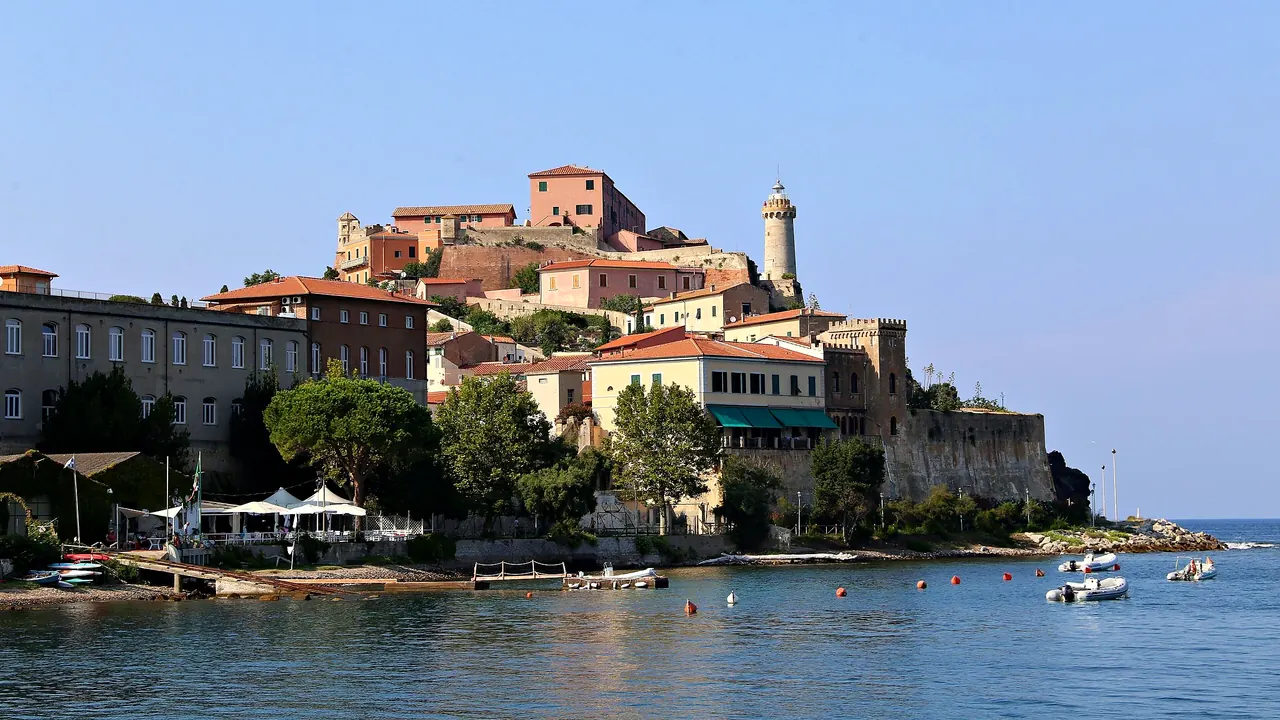
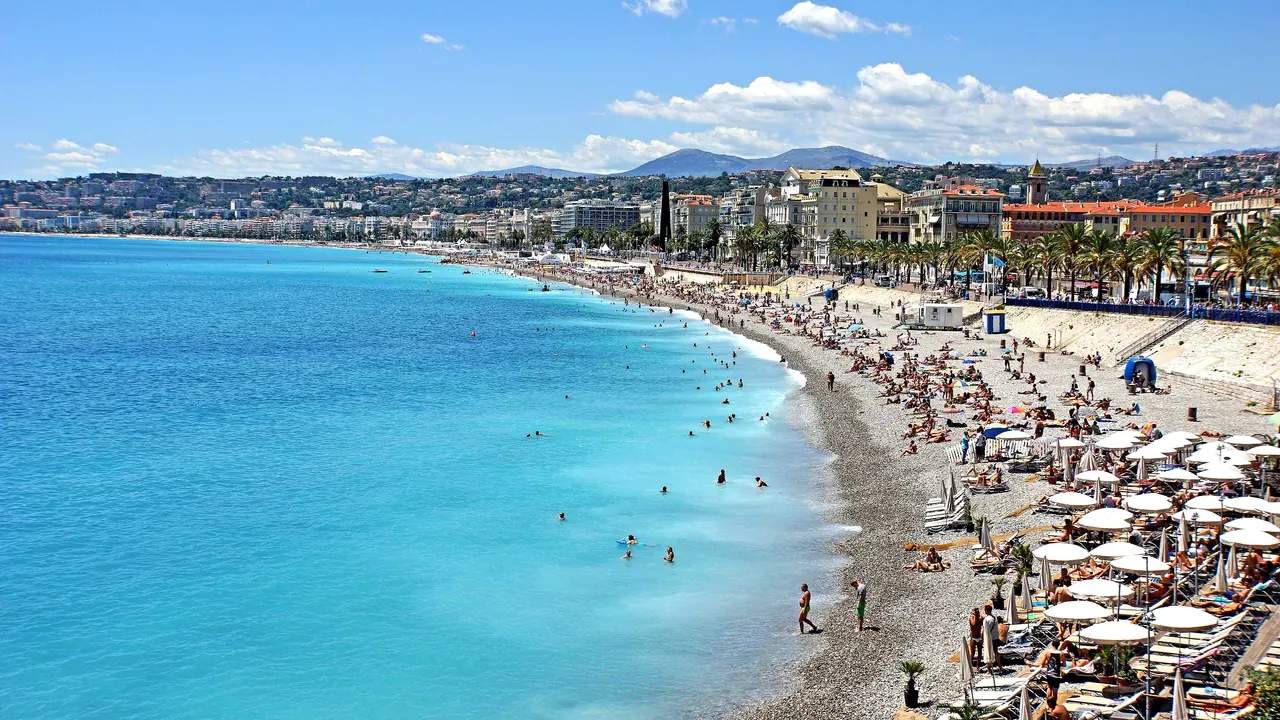
Photos: Elba by Sailko, CC BY 3.0, cropped; French Riviera by Dennis G. Jarvis, CC BY-SA 2.0, cropped.
Elba or French Riviera?
Our verdict in twelve categories, each scored against the same fixed benchmark cities, and the climate month by month, so you can choose for your trip.
Choose Elba for
- prices
- families
Elba suits travellers who want the sea and not much else to plan around. Its granite bays in the south-west, the gently shelving sand of Marina di Campo and Lacona, and the walking on Monte Capanne make for slow days of swimming and hill-village dinners. It costs somewhat less than the Riviera and has fewer distractions. Expect to drive, and expect quiet evenings.
Choose French Riviera for
- shopping
- live music and the arts
- nightlife
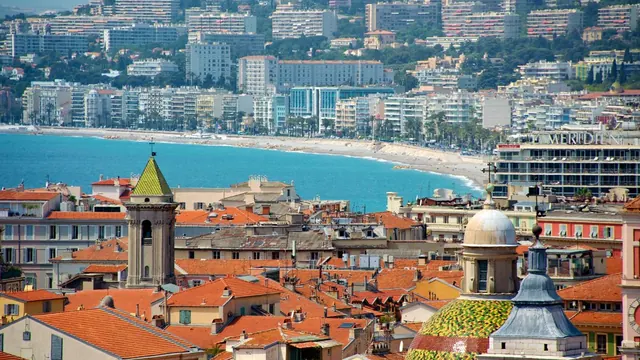
The French Riviera is the better choice for a trip that mixes the beach with towns, art and food. Matisse, Picasso and Chagall museums, Niçois cooking, opera in Monte-Carlo and a coastal railway linking Nice, Monaco and Menton give you something different every day without a car. You pay more for it, and in summer the crowds and private beaches come with the variety.
Scoreboard
Twelve categories on one fixed scale from 0 to 100. The shaded stretch is the gap between the two.
Your match
Pick a travel style or drag the sliders, and both match scores follow your weighting.
Wins on prices and families with your weighting.
Wins on shopping and live music and the arts with your weighting.
What matters to you?
Category by category
What the scores mean for a trip.
Beaches & swimming
These are two equally strong beach destinations with different shores. Elba's best swimming is in the granite bays of the south-west, Fetovaia, Cavoli and Seccheto, with pale sand and turquoise shallows, while the north coast near Portoferraio has white pebble coves under limestone cliffs. Even in August a footpath or dirt track leads to a quieter cove.
On the Riviera the sand lies to the west, at Cannes, Juan-les-Pins and the long sweep of Pampelonne, while Nice and Menton have pebbles and the Esterel breaks into red-rock coves. The catch is that private concessions take much of the best sand, so finding a free spot in summer is harder than on Elba.
Food & drink
The Riviera eats much better. Nice has a cuisine of its own, socca from wood ovens, pissaladière and daube with ravioli, and there are proper produce markets in Nice, Antibes and Menton. The coast from Menton through Monaco to Cannes also has a deep bench of serious restaurants.
Elba's cooking is honest Tuscan island food: cacciucco, stuffed squid, schiaccia briaca and its own Ansonica and Aleatico wines, best found in the trattorias of Capoliveri and Marciana. There is little fine dining or market life, though, and many beach restaurants shut once summer ends.
Culture & sights
The Riviera is far richer for sightseeing. It has a whole circuit of modern art made where it hangs: Matisse and Chagall in Nice, Picasso in the Grimaldi castle at Antibes, the Matisse chapel in Vence and the Fondation Maeght. Add Nice's baroque old town, the Prince's Palace in Monaco and the Villa Ephrussi on Cap Ferrat, and a week of sightseeing is easy.
Elba's history centres on Napoleon's exile, at the Palazzina dei Mulini and his villa at San Martino, plus the Medici bastions of Portoferraio and the Spanish fortress at Porto Azzurro. They make pleasant half-days between swims rather than a reason to come.
Nightlife
Going out is a real part of a Riviera summer, from the jet-set beach clubs of Saint-Tropez and Monaco to the late strip at Juan-les-Pins. Nice's old town and port keep pubs and wine bars going even out of season.
Elba's evenings are a late dinner and a walk through the piazza at Capoliveri or along the harbour at Porto Azzurro, with a few seasonal discos near Marina di Campo and Procchio. Anyone who wants to dance until dawn should go to the Riviera.
Nature & outdoors
Both have mountains above the sea, but the Riviera's run to a bigger scale. Behind Nice, the Vésubie valley climbs to the high larch-and-chamois country of the Mercantour, which has skiing in winter. The red Esterel, the cape paths and the Verdon gorges further west add more variety.
Elba packs its outdoors into one compact island that is mostly national park. You can hike the Grande Traversata along the ridges, take the open basket lift up Monte Capanne for views of Corsica, mountain-bike the iron-red east, or snorkel over granite reefs, all within a short drive of your base.
Day trips
The Riviera is made for outings. The coastal train puts Villefranche, Monaco and Menton well under an hour from Nice, and the perched villages of Eze and Saint-Paul-de-Vence, perfume-making Grasse, the Lérins islands and the Italian border towns of Ventimiglia and Dolceacqua are all close.
From Elba every excursion begins with the hour-long ferry to Piombino, then a drive to Populonia, Campiglia Marittima or Massa Marittima, or a boat out to Pianosa or Capraia. Most visitors manage one or two such days and spend the rest of their time on the island.
Good for families
Both work about equally well for families, and in both places the trip revolves around gently shelving sand. Elba's Marina di Campo, Lacona and Biodola have family-oriented campsites and apartments and a simple, relaxed rhythm, though winding roads can upset car-sick children.
The Riviera has more to do away from the beach, with the large aquarium in Monaco's Oceanographic Museum, Parc Phoenix in Nice and water parks near Antibes. Against that, family hotel rooms are costly and the cobbled hill villages are hard going with a pushchair.
Getting around
On the Riviera you can leave the car behind if you stay on the rail line. Trains run along the shore from Cannes through Antibes and Nice to Monaco and Menton, and Nice has a tram to the airport. Once you leave that strip it gets harder, with slow buses to the hill villages and jammed roads into Saint-Tropez.
Elba is small but practically demands a car or scooter, since buses are sparse and the narrow roads twist over the hills. Arriving means the Piombino ferry, best booked ahead in summer, and August brings queues into Portoferraio.
Shopping & style
On Elba, shopping is part of the evening walk. Small boutiques in the lanes of Capoliveri and Portoferraio sell linen, beachwear and jewellery, but the best things to take home are edible or mineral: Aleatico wine, honey, schiaccia briaca and crystals from the old mines.
Serious shoppers will find much more on the Riviera. There are luxury boutiques along the Croisette in Cannes and around the Monte-Carlo casino, and department stores on Avenue Jean-Médecin in Nice. The region also has real crafts: perfume in Grasse, bubbled glass in Biot and pottery in Vallauris.
Affordability
Neither is a bargain in summer, but Elba is the easier on the wallet. Campsites and self-catering apartments are everywhere, and inland trattorias are reasonable, though the car ferry, car hire and sunbeds add up.
The Riviera's top resorts, Saint-Tropez, Monaco and Cannes, charge some of Europe's highest room rates in high season, and private-beach lunches cost a lot. Basing yourself in Nice and using the cheap regional trains brings costs down, and visiting in May, June or September helps on both coasts.
Live music & performing arts
The Riviera has a real performing arts scene and Elba barely has one. Monte-Carlo's gilded opera house, its philharmonic and the Ballets de Monte-Carlo fill the winter season, and Nice has its own opera and orchestra. In summer, Jazz à Juan in the pines and the Nice Jazz Festival on Place Masséna take over.
On Elba, the music amounts to summer concerts in squares, churches and the Portoferraio fortresses, plus a long-running chamber music festival in late summer.
Wellness & relaxation
The two are close here, but the treatments differ. Elba's speciality is the thermal establishment at San Giovanni, using mud and seawater from the old salt pans, and its quietest rest comes from a June or September stay in Marciana or a vineyard farmhouse.
The Riviera leans towards polish, with thalassotherapy centres in Monaco and on the capes and large spas in the gardens of the grand hotels on Cap Ferrat and Cap d'Antibes. In both places July and August are too busy for real rest.
When should you go?
Pick your month. The climate figures are measured averages, not a forecast.
Elba in July
French Riviera in July
Daytime high, °C
Rainfall in the month, mm
Where the figures come from
Elba's temperatures are measured 62 km from the centre, at Grosseto.
Elba has no rain gauge within 25 km of the centre, so its rainfall comes from a gridded climate dataset read at the destination rather than from a gauge further away.
Temperature and rainfall are climate normals, averaged over the years shown. Elba: 1991-2020 (sunshine 1961-1990) normals, Grosseto (61.7 km from centre). French Riviera: 1991-2020 normals, Nice (9.8 km from centre).
On Elba the sea is warm enough to swim from June to September and reaches about 25°C in August. The Riviera's sea follows almost the same curve, and in October both are cooling but still swimmable for anyone who doesn't mind fresh water. Elba has the hotter summer. Afternoons there reach around 32°C in August, against about 28°C on the Riviera, so a midday walk on the open slopes or through the hill towns is hard work in high summer. July and August are close to dry in both places.
The rain comes in autumn, and more of it falls on the Riviera, about 124mm in October against 72mm on Elba. From winter right through to September the Riviera gets more sunshine. That matters most in the dark months, when Nice and the coast make a brighter town break and Elba's beach life has stopped. In October the two get the same amount of sun. May and late September are the best times for walking in either place.
Which traveller are you?
For a culture and arts trip, the French Riviera is the clear pick. The Matisse and Chagall museums in Nice, Picasso at Antibes and the Fondation Maeght sit alongside opera and ballet in Monte-Carlo, while Elba offers Napoleon's residences and a few forts.
On a food and nightlife trip, the Riviera again wins easily. Socca and the Cours Saleya market in Nice, serious restaurants from Menton to Cannes, and late bars in Nice's old town or Juan-les-Pins outdo Elba's trattorias and evening piazza strolls.
On a trip on a tight budget, Elba is the better bet, though neither is cheap in summer. Campsites, self-catering apartments and simple inland trattorias are widespread, and June or September prices for the same sea ease noticeably.
Before you go
| Measure | Elba | French Riviera |
|---|---|---|
| Official language | Italian | French |
| Currency | Euro (EUR) | Euro (EUR) |
| Sockets | CFL230 V, 50 Hz | CE230 V, 50 Hz |
| Driving side | Right | Right |
| Time zone | UTC+1, UTC+2 in summer | UTC+1, UTC+2 in summer |
| Emergency number | 112 | 112 |
| Main airport | Pisa International Airport (PSA)82 non-stop destinations | Nice-Côte d'Azur Airport (NCE)130 non-stop destinations |
| Public holidays this year | 13 days | 11 days |
By the numbers
| Measure | Elba | French Riviera |
|---|---|---|
| Population | 32,000 | - |
| People per km² | 143 | - |
| Swim season, months above 21 °C | 4 months | 4 months |
Where else could you go?
Every comparison below shares a destination with this one, so you can follow Elba or French Riviera somewhere new.
- Tuscanyvs Elba
- Cinque Terrevs Elba
- Corsicavs Elba
- Provencevs French Riviera
- Umbriavs Elba
- Cinque Terrevs French Riviera