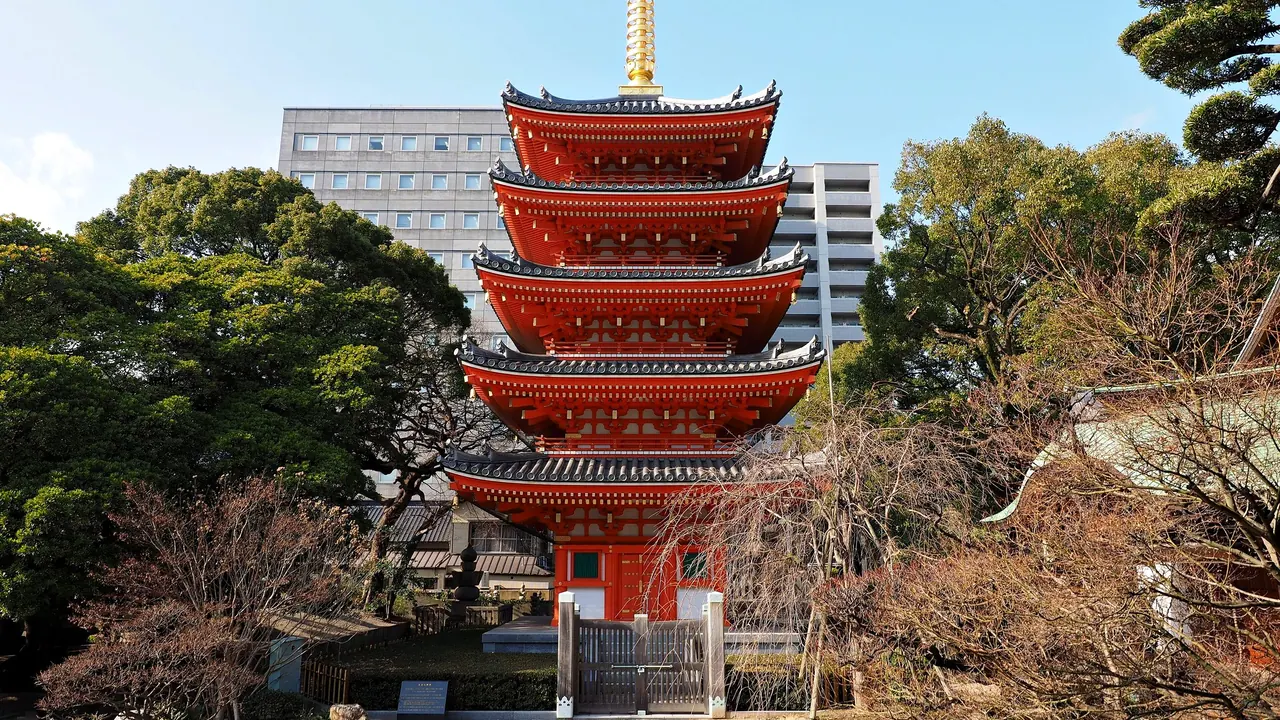
Photos: Fukuoka by Nick-D, CC BY-SA 4.0, cropped; Hokkaido by Komatta, Public domain.
Fukuoka or Hokkaido?
Our verdict in twelve categories, each scored against the same fixed benchmark cities, and the climate month by month, so you can choose for your trip.
Choose Fukuoka for
- day trips
- getting around
- beaches
Fukuoka suits a traveller who wants one easy base and plenty to do from it: ramen counters and riverside yatai in the evenings, a compact centre reached by subway straight from the airport, and fast trains that bring Dazaifu, Nagasaki, Kumamoto and even Hiroshima within a day. It is the better choice for a trip built around a city, with Tenjin's shops and a summer day on the Itoshima beaches as extras.
Choose Hokkaido for
- nature and the outdoors
- wellness
Pick Hokkaido if the landscape is the point. Powder snow at Niseko and Furano, caldera lakes, the volcanic plateaus of Daisetsuzan and the wild east around Shiretoko are on a scale nothing near Fukuoka can match, and an onsen night with snow falling on the outdoor pool fits into almost any route. The price is distance. Beyond Sapporo you need a car, a flight or patience with slow rural trains, so the island rewards a longer trip planned around a few areas.
Scoreboard
Twelve categories on one fixed scale from 0 to 100. The shaded stretch is the gap between the two.
Your match
Pick a travel style or drag the sliders, and both match scores follow your weighting.
Wins on day trips and getting around with your weighting.
Wins on nature and the outdoors and wellness with your weighting.
What matters to you?
Category by category
What the scores mean for a trip.
Beaches & swimming
Neither is a beach destination, but Fukuoka comes closer. Its sea is warm enough for proper swimming in high summer, Momochi gives an evening paddle within the city, and the white sand and clear water of Itoshima are under an hour away.
Hokkaido's beaches west of Sapporo and the coves of Shakotan are cooler and plainer, and they only fill up on hot weekends in a short season. On a summer trip there, the lakes and onsen are a better use of time near water.
Food & drink
Both are among Japan's great places to eat, so the difference is in what reaches the table. Fukuoka is a city of tonkotsu ramen, mentaiko and hotpots such as motsunabe and mizutaki, eaten at riverside yatai and in dense izakaya, all within a short walk of each other.
Hokkaido eats close to the source: crab, sea urchin and scallops in Sapporo's izakaya, seafood bowls at the Hakodate and Otaru markets, miso ramen, grilled lamb, soup curry and rich dairy, with Yoichi whisky to follow. Fukuoka is for evenings of grazing in one city, while Hokkaido makes a food trail across the island.
Culture & sights
Neither holds Japan's great heritage, but Fukuoka has the older layer and keeps it close together: Shofukuji, the wooden Buddha at Tochoji and the Kushida Shrine in Hakata's temple quarter, the castle walls above Ohori Park, and the ancient gold seal in the City Museum.
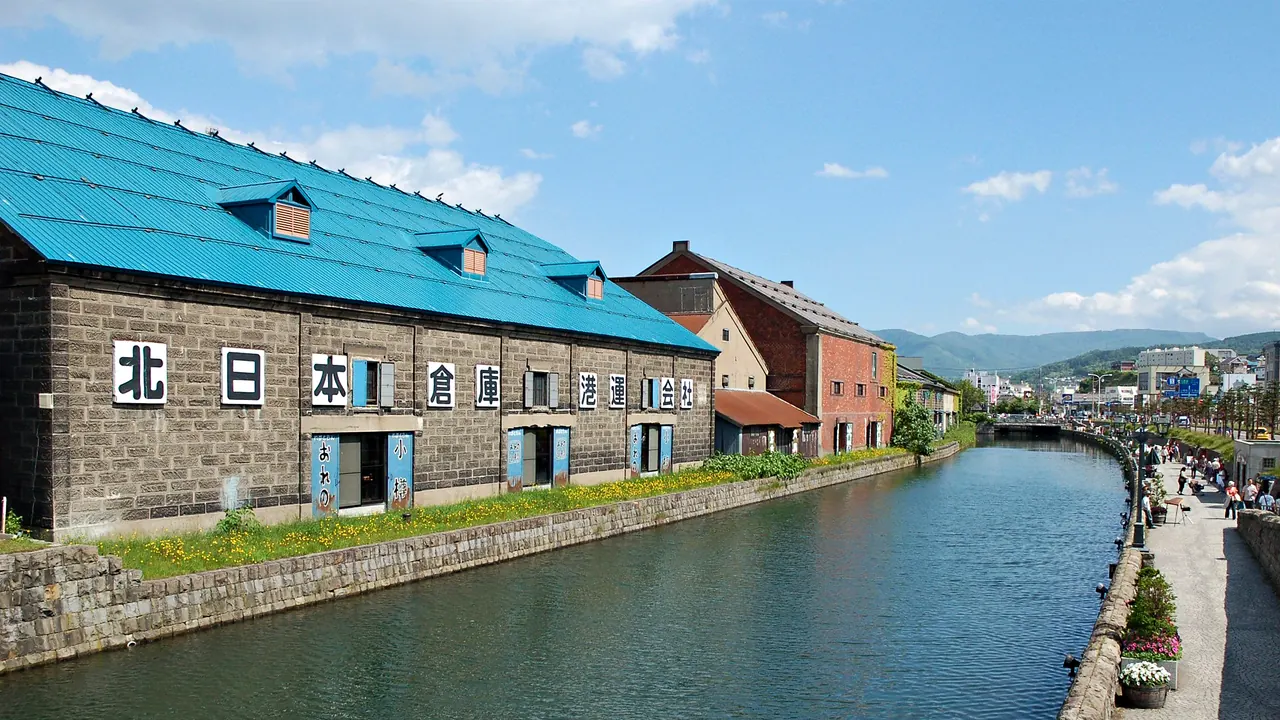
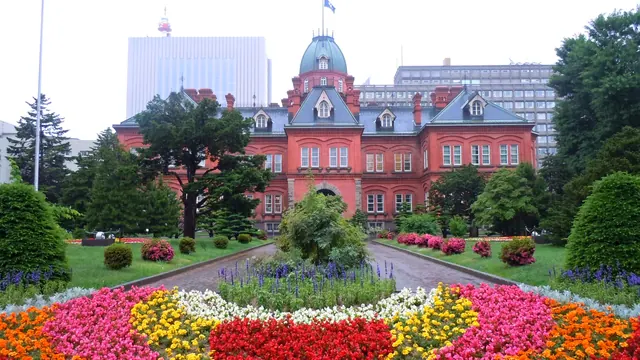
Hokkaido offers what the south cannot. Upopoy and Lake Akan present Ainu culture, while Sapporo's clock tower, Otaru's canal warehouses, Hakodate's Motomachi and the star fort of Goryokaku show the Meiji-era colonisation. These sights are spread out, though, and work best as stops between landscapes.
Nightlife
Evenings feel much the same in both: late, safe and built around small bars rather than big clubs. Fukuoka spreads its nights between the neon and yatai of Nakasu and the standing bars, craft beer and whisky bars of Daimyo and Tenjin, which makes bar-hopping after dinner easy.
In Hokkaido, nightlife almost always means Susukino in Sapporo, with towers of tiny bars, karaoke and ramen alleys open past midnight, plus Niseko's international après-ski crowd in winter. Elsewhere on the island, the night ends at the onsen.
Nature & outdoors
This is Hokkaido's great advantage. Winter powder at Niseko and Furano, the caldera lakes of Shikotsu and Toya, the alpine plateaus of Daisetsuzan and, further east, the crater lake at Mashu, Shiretoko's bears and the cranes of Kushiro are reasons to travel in their own right.
Fukuoka's outdoors are gentler and closer to hand: the loop around Ohori Park, the flower slopes of Nokonoshima, cycling at Uminonakamichi and on Itoshima, and day hikes in the Sefuri hills. Kyushu's volcanic country around Aso is a long day away.
Day trips
Fukuoka is by far the stronger base. Fast trains and the shinkansen bring Dazaifu, Yanagawa, Kumamoto's castle, Nagasaki and even Hiroshima and Miyajima within a day, and Karatsu, Arita and Mojiko are closer still. That is a remarkable run of castles, ports and history to reach from one hotel.
From Sapporo, the obvious outings are Otaru, Yoichi, Asahikawa and the onsen towns of Noboribetsu and Toya, and after those the towns thin out. Hokkaido is better seen by moving between bases than by coming back to the same one each evening.
Good for families
Both are safe and clean with excellent facilities, but Fukuoka is a little easier with small children because everything is close. Marine World's dolphin show, the Uminonakamichi playgrounds, the city zoo, the Anpanman museum and Ohori Park are all a short ride from the hotel.
Hokkaido offers bigger moments: slides at the Snow Festival, ski schools at Rusutsu and Niseko, the penguin walk at Asahiyama Zoo and butter-making on summer farms. The cost is long distances and a hard midwinter cold. Fukuoka's own weak point is humid summer heat.
Getting around
Fukuoka is about as easy to arrive in as anywhere. The airport is on the subway, the centre is flat and walkable, and Hakata Station connects to the whole of Kyushu. You only need a car for the Itoshima coast.
In Hokkaido, getting around is simple in Sapporo and along the main JR lines to Otaru, Asahikawa and Hakodate. Reaching Shiretoko, Akan or Biei means a car or an internal flight, the far east is a full day's drive away, and winter roads are demanding for visitors who are not used to snow.
Shopping & style
Fukuoka has the fuller range. Tenjin has department stores and a long underground arcade, Daimyo and Imaizumi have independent fashion and vintage shops, and Canal City covers the mainstream brands. Local crafts include Hakata-ori silk and porcelain from Arita.
Hokkaido's shopping is mostly in central Sapporo's underground streets and the Tanukikoji arcade, with Otaru glass and Ainu carving as the local specialities. Most visitors fill their bags with chocolates, butter biscuits, dried seafood and crab rather than clothes.
Affordability
Everyday costs are much the same: compact business hotels, cheap ramen and set lunches, and inexpensive city transport in both Fukuoka and Sapporo.
The difference is in what drives the bill up. In Fukuoka it is sushi, kaiseki and nights in Nakasu. In Hokkaido it is Niseko in ski season, car hire, long train journeys and ryokan dinners, though seafood there often costs less than the same quality further south.
Live music & performing arts
Neither is worth travelling to for a show alone, and what they offer differs in kind. Fukuoka has Hakataza for touring kabuki and musicals, the Kyushu Symphony Orchestra at Acros and small jazz venues around Daimyo. Above all, it has its street festivals: the dawn float race of the Yamakasa in July and the Dontaku parade in May.
Sapporo's Kitara hall has fine acoustics and hosts the Pacific Music Festival each July. The Ainu dance and mukkuri mouth-harp music performed at Upopoy and Lake Akan are something no other part of Japan offers.
Wellness & relaxation
Hokkaido is one of Japan's great places for bathing. Jozankei sits in a gorge less than an hour from Sapporo, Noboribetsu draws its water from the craters of Hell Valley, and Toya and Akan have baths overlooking the lakes. A ryokan night fits into almost any route and is at its best in winter, with snow falling on the outdoor pools.
Fukuoka has city bath complexes, the old spa town of Futsukaichi near Dazaifu and an unhurried pace for a city of its size. Beppu and Yufuin, though, are a long day away.
When should you go?
Pick your month. The climate figures are measured averages, not a forecast.
Fukuoka in July
Hokkaido in July
Daytime high, °C
Rainfall in the month, mm
Temperature and rainfall are climate normals, averaged over the years shown. Fukuoka: 1991-2020 normals, Fukuoka (1.9 km from centre). Hokkaido: 1991-2020 normals, Sapporo (2.2 km from centre).
Fukuoka is mild in winter and most comfortable for walking in April, May, October and November. The rainy season sets in during June and peaks in July at around 301mm, and high summer is hot and humid, with afternoons near 32°C. The same heat warms the sea to about 27°C in August, the one stretch when a beach day on Itoshima really makes sense.
Around Sapporo the year runs the other way. Midwinter highs hover around 0°C, and that cold is what brings the snow for skiing and snowy onsen from December into March. Late spring and early summer are the driest, sunniest spell. July and August are warm rather than oppressive, which suits the flower fields and mountain trails, though the sea only reaches about 22°C. September and October are wetter but bring the autumn colour to the high ground.
Which traveller are you?
For a short city break, Fukuoka is the clear pick. Hakata, Nakasu, Tenjin and Daimyo are a short walk apart, and two or three days cover the temples, castle walls, yatai and shops without a single long transfer. Hokkaido needs more time.
On an outdoors trip, Hokkaido is in another league. Fukuoka offers easy half-days, such as a park run, an island ferry or a coastal cycle, with dinner back in town. Hokkaido fills whole weeks with skiing, alpine trekking and wildlife, ideally with a hire car.
For a relaxing and wellness trip, Hokkaido wins. Fukuoka is calm for a city, with bath complexes and temple gardens, but for serious soaking you have to travel. In Hokkaido almost every day can end at a ryokan, with mineral baths and a long dinner.
Before you go
| Measure | Fukuoka | Hokkaido |
|---|---|---|
| Official language | Japanese | Japanese |
| Currency | Yen (JPY) | Yen (JPY) |
| Sockets | AB100 V, 50 and 60 Hz depending on the region | AB100 V, 50 and 60 Hz depending on the region |
| Driving side | Left | Left |
| Time zone | UTC+9 | UTC+9 |
| Emergency number | Police 110, fire 119 | Police 110, fire 119 |
| Elevation | 8 m | - |
| Main airport | Fukuoka Airport (FUK)5 km from centre46 non-stop destinations | New Chitose Airport (CTS)42 non-stop destinations |
| Public holidays this year | 16 days | 16 days |
By the numbers
| Measure | Fukuoka | Hokkaido |
|---|---|---|
| Population | 1,603,043 | 5,383,579 |
| People per km² | 4,715 | - |
| Museums within 10 km | 23 | - |
| UNESCO World Heritage sites within 50 km | 2 | - |
| Swim season, months above 21 °C | 4 months | 1 month |
Where else could you go?
Every comparison below shares a destination with this one, so you can follow Fukuoka or Hokkaido somewhere new.