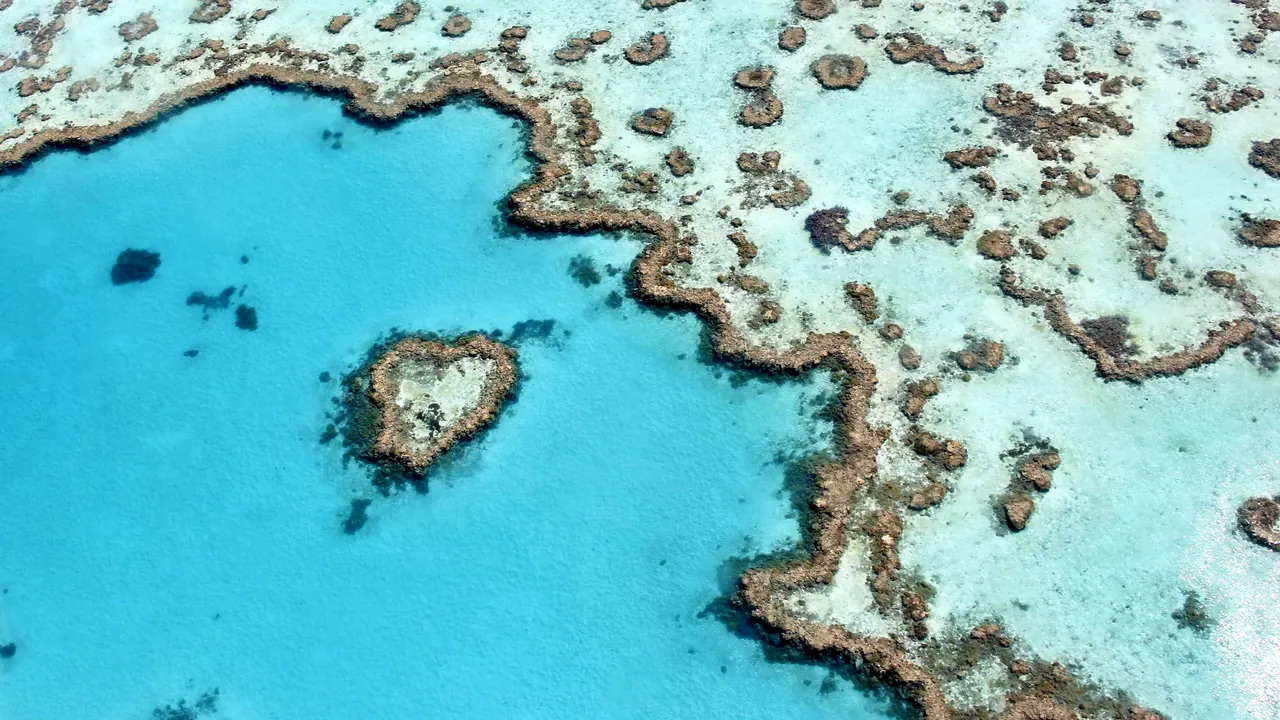
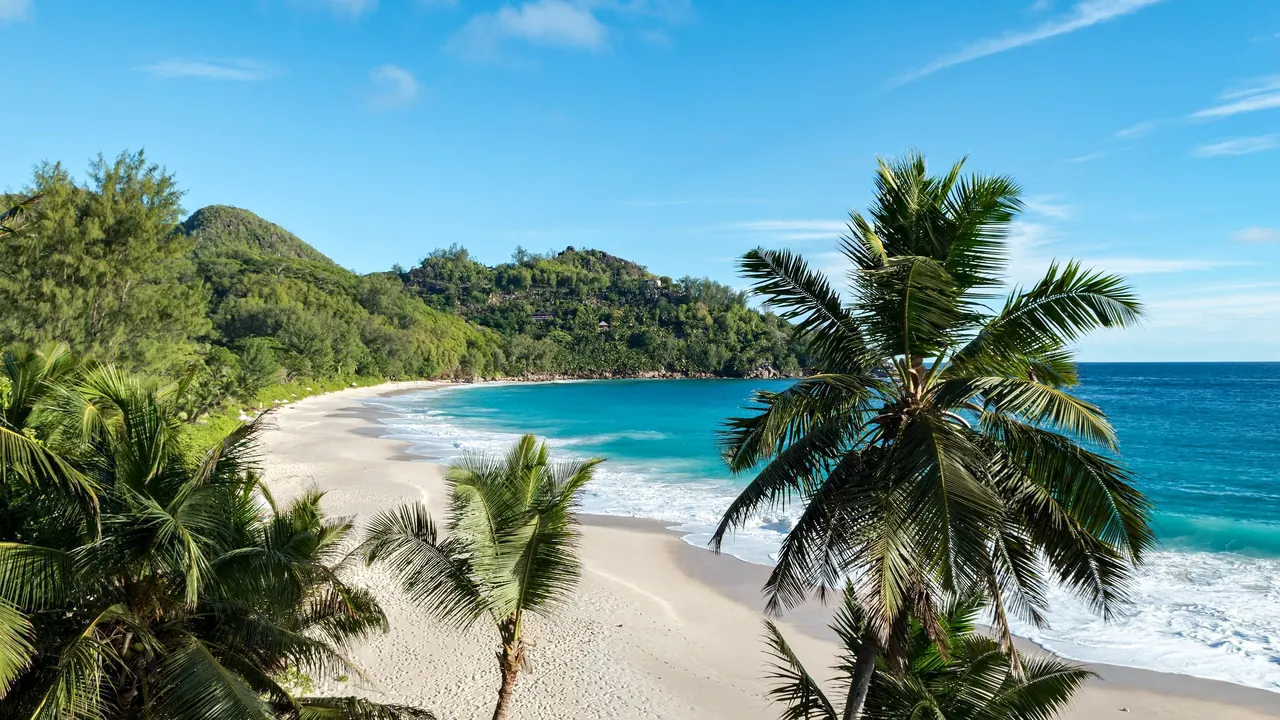
Photos: Great Barrier Reef by Ayanadak123, CC BY-SA 4.0, cropped; Mahe by dronepicr, CC BY 2.0, cropped.
Great Barrier Reef or Mahe?
Our verdict in twelve categories, each scored against the same fixed benchmark cities, and the climate month by month, so you can choose for your trip.
Choose Great Barrier Reef for
- nightlife
- nature and the outdoors
- prices
The Great Barrier Reef is for travellers who want the reef itself to be the trip. Fast boats run to the outer reef from Cairns and Port Douglas, the Daintree rainforest comes right down to the coast at Cape Tribulation, and there is wildlife on land as well as underwater. It is also the better choice for families with school-age children, for anyone who wants a few lively evenings, and for those who need a cheaper hostel or apartment base to keep costs down.
Choose Mahe for
- beaches
- wellness
Mahe suits people who mainly want a beach and quiet. Its white-sand coves between granite boulders are on the island where you sleep, with no boat trip needed. The pace is slow, many hotels have a bay to themselves, and evenings rarely go beyond a sundowner and dinner. Couples and anyone planning a restful week by the sea will feel more at home here than in the tour-led towns of the Queensland coast.
Scoreboard
Twelve categories on one fixed scale from 0 to 100. The shaded stretch is the gap between the two.
Your match
Pick a travel style or drag the sliders, and both match scores follow your weighting.
Wins on nightlife and nature and the outdoors with your weighting.
Wins on beaches and wellness with your weighting.
What matters to you?
Category by category
What the scores mean for a trip.
Beaches & swimming
Mahe has the better beaches, and they are easier to reach. More than sixty coves of white sand between granite boulders ring the island, from the long, easy curve of Beau Vallon to small coves like Anse Soleil. You only need to choose the coast that is sheltered from the trade winds that season.
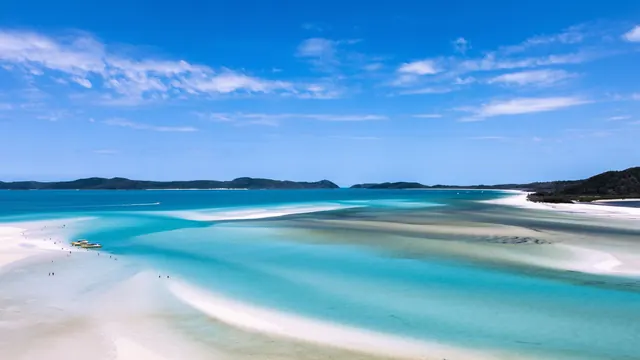
On the Great Barrier Reef, the beaches that appear on postcards, Whitehaven and Hill Inlet, are on islands you reach by boat. Cairns itself has no sandy beach, and from November to May stinger suits and crocodile signs are part of every swim. Four Mile Beach at Port Douglas is the best one on the mainland.
Food & drink
Neither is a place to travel for the food, but the eating is different in kind. Mahe has a real cuisine of its own, Seychellois Creole cooking, with octopus curry, grilled snapper and ladob. You eat it most cheaply from roadside takeaways or buy it fresh at the market in Victoria.
The Queensland coast has no local cuisine of that sort, but it has more choice. There are Asian kitchens and seafood places along the Cairns Esplanade, restaurants on the main street of Port Douglas, and coffee, cheese and rum up on the Tablelands.
Culture & sights
Both are thin on sights, and both reward only a few hours. What they offer is quite different. The most memorable culture on the reef coast comes from walks led by Aboriginal Traditional Owners around Mossman Gorge and the Daintree, which explain how people read the land and the sea.
Mahe's history is that of a colony, and it is compact. You can see Victoria's cathedrals, Hindu temple and Clock Tower in a morning, then visit the mission ruins at Sans Souci and the plantation houses at Val des Prés on a single drive.
Nightlife
The reef coast has much more going on after dark, though mostly for a young crowd. Airlie Beach's main street fills with sailors just back from their trips, and Cairns has beer gardens and a few late clubs near the Esplanade.
Mahe has nothing like that. A night out means the street market and weekend bands at Beau Vallon, or a club near Victoria on a Saturday, and on weeknights the island is asleep by eleven.
Nature & outdoors
The Great Barrier Reef has some of the finest nature anywhere. It is the world's largest coral reef system, with the Ribbon Reefs and Agincourt within reach of Cairns, and Heron and Lady Elliot islands where you can wade straight onto coral. On land there is the Daintree, the crater lakes of the Tablelands and the long wilderness trail on Hinchinbrook, so it offers far more variety.
Mahe is beautiful on a smaller scale. Granite peaks and cloud forest in Morne Seychellois rise behind the beaches, the marine parks off Ste Anne and Baie Ternay are good for snorkelling, and whale sharks sometimes pass through late in the dry months. The trails take hours, not days.
Day trips
There is about as much to do on day trips from each, but the outings are of different kinds. From Cairns you can take the scenic railway up to Kuranda, drive the coast road to Mossman or tour the farm towns of the Tablelands, a mix of mainland and island trips.
From Mahe, every day trip means crossing the water. The ferry to Praslin takes you to the coco de mer palms of the Vallée de Mai, and from there La Digue offers bicycles and a slow village life. The weather can cancel a crossing.
Good for families
The reef coast works much better with children. Pontoons on the outer reef have roped-off swimming areas and underwater viewing chambers, Cairns has a lifeguarded lagoon pool and an aquarium, and children can feed wallabies on Magnetic Island. The long boat days and the stinger season make it best for children over about six.
Mahe welcomes children and feels safe, and its calm bays and giant tortoises are easy hits. Beyond the beach and the kids' club, though, nothing is built for children, and the roads have no pavements. It suits younger children happy with a week of sand and pool.
Getting around
Getting around is fiddly in both places, but the problem is different. On the reef the problem is distance. Cairns to Airlie Beach is a full day's drive, so most people pick one base and fly if they want a second. From that base, tour companies collect you and the boats leave from central marinas.
Mahe is small, but its mountain roads are slow, with hairpin bends and no pavements. The buses are crowded and usually mean a change in Victoria, so most visitors hire a car.
Shopping & style
Neither place is worth visiting for the shopping, but the reef coast has a little more to browse and one thing really worth taking home: Aboriginal and Torres Strait Islander art. Buy it from a community-owned art centre, so the money goes back to the artists. Beyond that, shopping is spread across a few places: market stalls in the rainforest at Kuranda, a handful of galleries and beachwear shops in Port Douglas, and the malls of Cairns for anything practical.
On Mahe, the souvenirs are mostly things to eat. Vanilla, spices, tea and chilli sauces from the market in Victoria make better presents than the sarongs and model boats in the streets nearby. The one showpiece is a polished coco de mer nut, which needs an export permit before it can leave the islands.
Affordability
Both are expensive, but the reef coast is easier on a tight budget. Cairns and Airlie Beach have plenty of hostels, motels and self-catering apartments, so the real cost is the boat trips. Island resorts and liveaboards push the bill up quickly.
On Mahe almost everything is imported, so even car hire and a boat trip cost a lot. Creole guesthouses, roadside curry and the public bus help, but a careful stay still costs more than you would expect in the tropics.
Live music & performing arts
There is little live performance in either place. The reef coast has more of it. Townsville's chamber music festival is worth planning a winter visit around, and the performing arts centre in Cairns hosts touring shows.
On Mahe, performance usually means sega and moutya drumming at a hotel, which is at least truly local. The one big event is the Festival Kreol in late October.
Wellness & relaxation
Mahe is the easier place to switch off. The whole island is quiet, many hotels sit alone on their own bay, and the resort spas on the west and south coasts have treatment pavilions on the hillside.
On the reef coast you need to choose your base with care. Cairns and Airlie Beach are built around early tours. The calm is on a small island resort, in the spas of Port Douglas or at a lodge in the Daintree. Neither place has a bathing tradition of its own.
When should you go?
Pick your month. The climate figures are measured averages, not a forecast.
Great Barrier Reef in July
Mahe in July
Daytime high, °C
Rainfall in the month, mm
Where the figures come from
Great Barrier Reef has no rain gauge within 25 km of the centre, so its rainfall comes from a gridded climate dataset read at the destination rather than from a gauge further away.
Mahe's station stands 237 m below the place it is measured for, so that place is likely a little cooler than the figures say.
Temperature and rainfall are climate normals, averaged over the years shown. Great Barrier Reef: 1993-2010 (rainfall 1991-2020) normals, Green Island Aws (1.1 km from centre). Mahe: 1991-2020 normals, Seychelles International Airport (10 km from centre).
Around Cairns the year splits clearly in two. From June to October it is dry, the sea is calm and clear, and days are a comfortable 24°C or so, good for reef trips and rainforest walks. From December to April it is hot and very wet, with up to 504mm of rain in February. The warm months also bring box jellyfish and Irukandji, so from November to May you swim in a stinger suit. The sea stays warm enough to swim all year, though in winter it is noticeably cooler than in summer.
Mahe is hot and humid in every month, with a much smaller swing in temperature. Its wettest stretch runs from December to January, when rain reaches 442mm, and the driest month is July, with about 88mm. The sea is at its warmest in April, around 30°C, and from March to August most days are long and sunny. The trade winds matter more here than the rain: April and October bring calm water on almost every coast. Taken together, the dry Australian winter suits the reef best, while Mahe works for most of the year if you choose the sheltered coast for the season.
Which traveller are you?
For a beach and sun trip, Mahe is the clear choice. It has dozens of white-sand coves next to your hotel, warm water in every month and no stinger season. On the reef, the finest sand is a boat ride away, and Cairns faces mudflats.
For an outdoors trip, choose the Great Barrier Reef. You can snorkel or dive the outer reef, sail the Whitsundays, walk Hinchinbrook and look for cassowaries in the Daintree. Mahe's granite trails and marine parks are lovely, but the hikes are short and its reefs smaller.
On a family trip with children, the Great Barrier Reef is the stronger pick once they are about six and can snorkel. Go between June and October, when the sea is calmer and stinger suits are not needed. With toddlers, Mahe makes the simpler beach week.
Before you go
| Measure | Great Barrier Reef | Mahe |
|---|---|---|
| Official language | English | French, English, Seychellois Creole |
| Currency | Australian Dollar (AUD) | Seychelles Rupee (SCR) |
| Sockets | I230 V, 50 Hz | G240 V, 50 Hz |
| Driving side | Left | Left |
| Time zone | UTC+10 | UTC+4 |
| Emergency number | 000 | 112 or 999 |
| Main airport | Cairns International Airport (CNS)32 non-stop destinations | Seychelles International Airport (SEZ)19 non-stop destinations |
| Public holidays this year | 11 days | 13 days |
By the numbers
| Measure | Great Barrier Reef | Mahe |
|---|---|---|
| Population | - | 77,000 |
| People per km² | - | 490 |
| Swim season, months above 21 °C | 12 months | 12 months |
Where else could you go?
Every comparison below shares a destination with this one, so you can follow Great Barrier Reef or Mahe somewhere new.
- Praslinvs Mahe
- La Diguevs Mahe
- Zanzibarvs Mahe
- Raja Ampatvs Great Barrier Reef
- Balivs Great Barrier Reef
- Palawanvs Great Barrier Reef