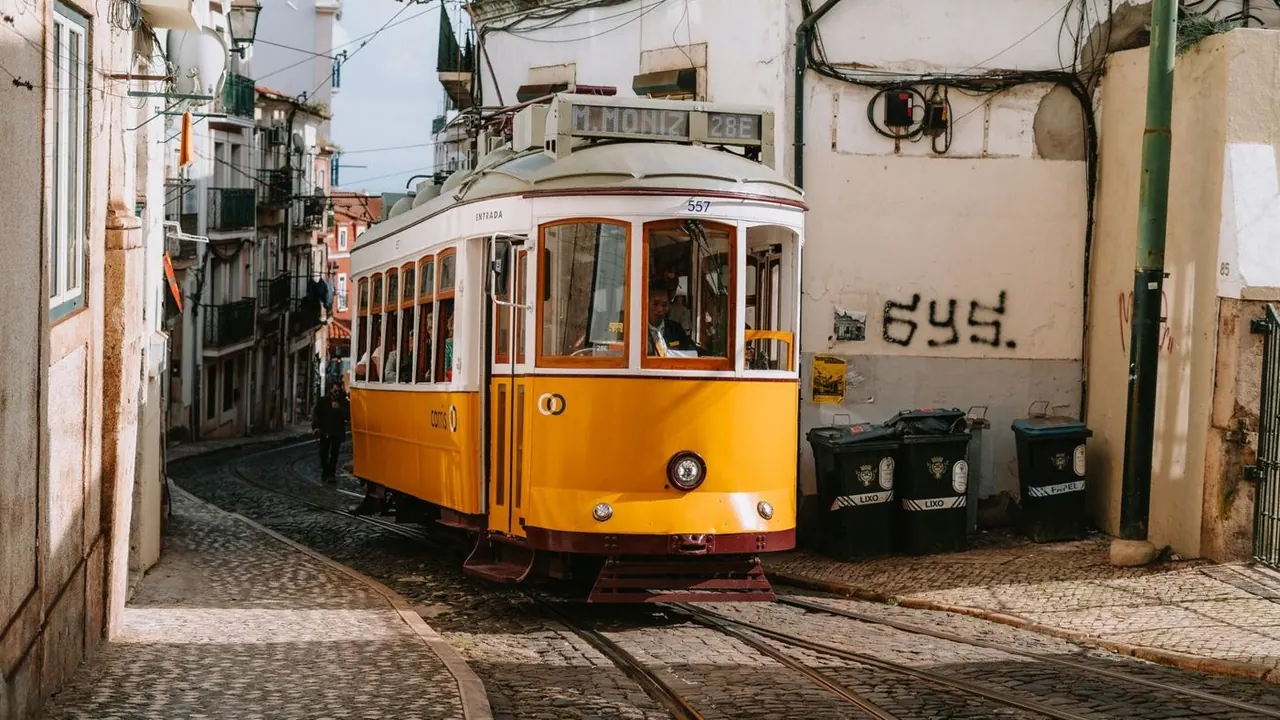
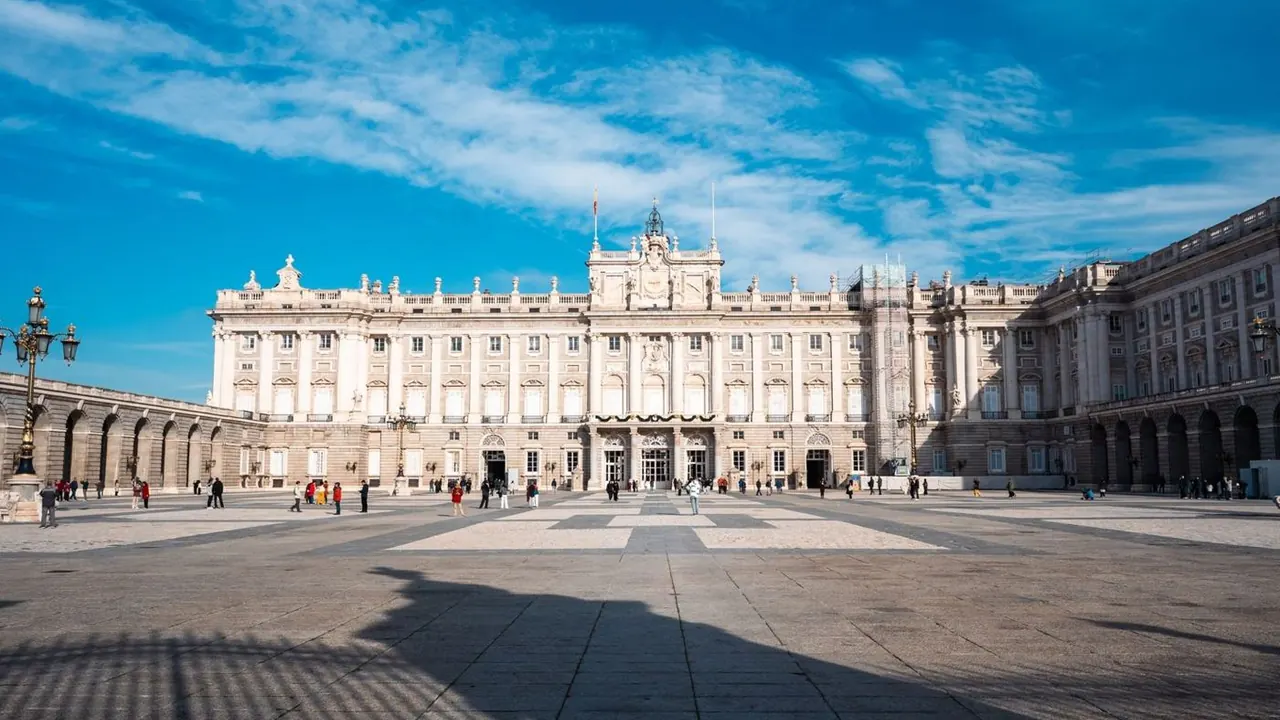
Photos: Lisbon by Riccardo Toso, Pexels License; Madrid by Mert Ocak, Pexels License.
Lisbon or Madrid?
Our verdict in twelve categories, each scored against the same fixed benchmark cities, and the climate month by month, so you can choose for your trip.
Choose Lisbon for
- beaches
- nature and the outdoors
- prices
Lisbon suits a trip that mixes city and coast. You spend a few days in Alfama, the Baixa and Belem, then take the riverside train to the Cascais beaches, go surfing at Carcavelos or Guincho, and lose a day in the misty Sintra hills. Choose it if you want the Atlantic close by, fado in the old lanes and a landscape of cliffs, estuary and pine, and if you don't mind steep streets.
Choose Madrid for
- getting around
- live music and the arts
- shopping
Madrid is the stronger pick when the trip is about painting, late nights and covering ground easily. The Prado, the Reina Sofía and the Thyssen stand on one avenue, the flat centre and large metro make the city simple to cross, and fast trains turn it into a base for Toledo, Segovia and Salamanca. Opera, flamenco and better shopping add to the case. The one thing it cannot give you is the sea.
Scoreboard
Twelve categories on one fixed scale from 0 to 100. The shaded stretch is the gap between the two.
Your match
Pick a travel style or drag the sliders, and both match scores follow your weighting.
Too close to call, 1 point apart
Wins on beaches and nature and the outdoors with your weighting.
Wins on getting around and live music and the arts with your weighting.
What matters to you?
Category by category
What the scores mean for a trip.
Beaches & swimming
Lisbon has no beach in the city itself, but a short train ride along the Tagus reaches surf at Carcavelos and calmer bays at Estoril and Cascais. Across the river are the long Atlantic sands of Costa da Caparica and the sheltered coves of the Arrabida. The water is cool and some beaches are better for surfing than swimming, but a beach day is easy to fit in.
Madrid sits far inland on a plateau, and the coast is too far for a day out. In summer, locals cool off in the big open-air pools or at the Guadarrama reservoirs. If you want sand on this trip, it has to be Lisbon or a separate stay on the Spanish coast.
Food & drink
Both cities eat very well, but in different ways. Lisbon's cooking comes from the sea and the neighbourhood tasca: grilled fish, many versions of bacalhau, clams and crab in the beer halls, and a warm custard tart with a bica. Good Alentejo and Douro wine is poured cheaply almost everywhere, and the best meals tend to be in residential quarters rather than around the Baixa.
Madrid eats standing up and late. People move from counter to counter along Cava Baja and around Santa Ana for small plates and a caña, eat hearty Castilian cocido and finish with churros in the small hours. Because Madrid is the capital, Galician seafood, Basque grills and high-end tasting menus are all there too, so the range is wider than Lisbon's, which is narrower on international food.
Culture & sights
Madrid has the greater art. The Prado, the Reina Sofía and the Thyssen-Bornemisza together make one of the finest stretches of painting anywhere, and an art lover can spend days on the Paseo del Prado alone. Around them the city is grand rather than old: Habsburg Plaza Mayor, the Bourbon Royal Palace and Gran Vía façades, with little medieval building left.
Lisbon is the opposite. Its museums are fewer, though the Gulbenkian and the Tile Museum are excellent, but its old fabric is richer. The Manueline Jeronimos Monastery and Belem Tower recall the age of discovery, and Alfama's medieval lanes climb towards the castle. Three or four days covers it, while Madrid's galleries reward a longer stay.
Nightlife
Madrid's night is bigger and runs later. Bars fill after midnight, clubs around Gran Vía and Sol go past dawn, and in summer this happens all week. Each district has its own character: Malasaña for rock and indie bars, Chueca for the gay scene, La Latina and Lavapiés for terraces and bar-hopping.
Lisbon is smaller, cheaper and more casual. In Bairro Alto, drinks are sold through bar doors and the crowd fills the lanes, Cais do Sodre carries on later, and the warehouse clubs by the river fill after 2am. Sunset at a miradouro is the local way to start an evening.
Nature & outdoors
Lisbon's surroundings are more varied and much closer. There are the wooded Sintra hills, the cliffs at Cabo da Roca, kitesurfing at Guincho and the surf reserve at Ericeira. South of the river are the limestone ridges of the Arrabida and the dolphins of the Sado estuary, and the Monsanto forest park sits inside the city.
Madrid has the one thing Lisbon lacks, which is mountains. The Sierra de Guadarrama, about an hour north, has granite peaks above 2,400m, the boulder maze of La Pedriza and modest skiing in winter. Between the city and the sierra, though, there is only open farmland, and the city's green space is mostly parks such as the Retiro and Casa de Campo.
Day trips
Both cities make excellent bases, and Madrid has the edge because of its fast trains. Toledo and Segovia are about half an hour away, Ávila is a little further, and Salamanca and Cuenca are close enough for a day. El Escorial and Aranjuez are nearer still. You can see several major historic cities without hiring a car.
Lisbon's best outing is Sintra, with its palaces only forty minutes away by train. Further out are Evora and the monasteries of Alcobaca, Batalha and Tomar, each a UNESCO site. These trips take longer and are often combined with Obidos or Nazare, so they suit travellers happy to spend a full day on the road.
Good for families
Madrid is the easier city with children. The centre is flat and good for pushchairs, many metro stations have lifts, and there is plenty to do: rowing boats and puppet shows in the Retiro, the zoo, aquarium and funfair at Casa de Campo, and theme parks further out. The heat in July and August is the main drawback.
Lisbon has one outstanding attraction, the Oceanario, with the science centre and a cable car right beside it, and children enjoy the trams and funiculars. Its hills, stairways and slippery limestone pavements make outings with pushchairs hard work, though the beach train is an easy escape on a hot day. In both cities, children are welcome in restaurants until late.
Getting around
Madrid is much easier to get around. The centre from the Royal Palace to the Prado is flat and walkable, and the large air-conditioned metro goes almost everywhere, including the airport. Atocha and Chamartín connect directly to the high-speed network.
Lisbon is compact but steep. Walking between the Baixa, Alfama and Bairro Alto means climbs and polished stone that turns slippery in rain. The metro does not reach Belem or the steepest quarters, and the famous trams are slow, crowded and a target for pickpockets. One card covers the metro, trains and river ferries, which does help.
Shopping & style
Madrid offers more and wider shopping. Calle Serrano in the Salamanca district has the luxury houses, Gran Vía and Preciados have the flagships and big department stores, Malasaña and Conde Duque have independent and vintage shops, and El Rastro fills the streets below La Latina every Sunday morning.
Lisbon is the place for things you can't get elsewhere: hand-painted azulejos, cork, Burel wool, embroidered linen and port. Principe Real, the LX Factory and the Feira da Ladra are good places to find them. International fashion beyond Avenida da Liberdade is limited.
Affordability
Overall costs are close, and neither city is cheap or expensive by Western European standards. In Lisbon the small things are where you save: a coffee at the counter, a tasca lunch, house wine and transport fares. Central rooms cost about what they do in any southern capital.
In Madrid the savings come at the table, from the fixed midday menu and tapas with a drink, and the great museums have free entry at set times. In both cities, hotel prices rise around big events, and eating away from the tourist streets makes the biggest difference.
Live music & performing arts
Madrid has a much fuller stage. There is opera at the Teatro Real, the national orchestra at the Auditorio Nacional, zarzuela at its own theatre, musicals along Gran Vía, and flamenco in tablaos where the best performers take it seriously. Jazz clubs and Malasaña's rock venues add to the choice.
Lisbon's strength is fado, heard every night in small rooms in Alfama and Mouraria, the neighbourhoods where the music began. Beyond fado, the Gulbenkian's concert season, the São Carlos opera house and the Centro Cultural de Belem make up a smaller formal scene.
Wellness & relaxation
Neither city has a bathing tradition, and neither is built for a restful stay. Madrid does have a few Arab-style bathhouses in the old centre, with warm and cold pools under brick vaults. In Lisbon, spa treatments mostly mean hotel wellness floors.
Rest comes in different forms. In Madrid you find it in long lunches, the Retiro and the Botanical Garden. In Lisbon it comes from a slow afternoon at a river viewpoint or the Gulbenkian gardens, and from the option of sleeping out on the quieter Cascais coast or in the Sintra hills.
When should you go?
Pick your month. The climate figures are measured averages, not a forecast.
Lisbon in July
Madrid in July
Daytime high, °C
Rainfall in the month, mm
Temperature and rainfall are climate normals, averaged over the years shown. Lisbon: 1991-2020 normals, Lisboa / Geof (1.1 km from centre). Madrid: 1991-2020 normals, Madrid (1.7 km from centre).
Lisbon has the gentler year. June to September is dry and very sunny, with highs around 28°C, and that is the beach season, although the Atlantic never gets much above 19°C. The rain comes in October and stays all winter, and November is the wettest month at about 121mm. Even so, winter days stay mild enough for sightseeing in a waterproof. Spring and early autumn are the best times for walking the hills.
Madrid has bigger swings between seasons. On the plateau, July and August reach about 33°C, which is too hot for long afternoon walks, and winter highs drop to around 10°C, cold but mostly dry and bright. The streets are at their best in May and from late September into October. In summer the city works better for evenings out than for sightseeing by day.
Which traveller are you?
On a beach and sun trip, Lisbon is the only real option. The train reaches Carcavelos, Estoril and Cascais quickly, and Costa da Caparica and the Arrabida coves are across the river. Madrid's answer to summer is a municipal pool or a mountain reservoir.
For a culture and arts trip, Madrid comes out ahead. Velázquez, Goya and Guernica hang within a short walk of one another, opera and zarzuela play most nights, and Toledo and Segovia are under an hour away by fast train. Lisbon's monuments are fine, but its museums are fewer.
On an outdoors trip, Lisbon's coast makes a better playground. You get surf at Ericeira, kitesurfing at Guincho, hiking and kayaking in the Arrabida and dolphins in the Sado. Madrid's Guadarrama has real granite peaks, but they are an hour away across open farmland.
Before you go
| Measure | Lisbon | Madrid |
|---|---|---|
| Official language | Portuguese | Spanish |
| Currency | Euro (EUR) | Euro (EUR) |
| Sockets | CF230 V, 50 Hz | CF230 V, 50 Hz |
| Driving side | Right | Right |
| Time zone | UTC, UTC+1 in summer | UTC+1, UTC+2 in summer |
| Emergency number | 112 | 112 |
| Elevation | 100 m | 663 m |
| Main airport | Lisbon Humberto Delgado Airport (LIS)7 km from centre157 non-stop destinations | Adolfo Suárez Madrid–Barajas Airport (MAD)14 km from centre241 non-stop destinations |
| Public holidays this year | 14 days | 12 days |
By the numbers
| Measure | Lisbon | Madrid |
|---|---|---|
| City population | 545,796 | 3,506,730 |
| People per km² | 5,453 | 5,801 |
| Museums within 10 km | 80 | 88 |
| UNESCO World Heritage sites within 50 km | 3 | 4 |
| Swim season, months above 21 °C | None | - |
Where else could you go?
Every comparison below shares a destination with this one, so you can follow Lisbon or Madrid somewhere new.