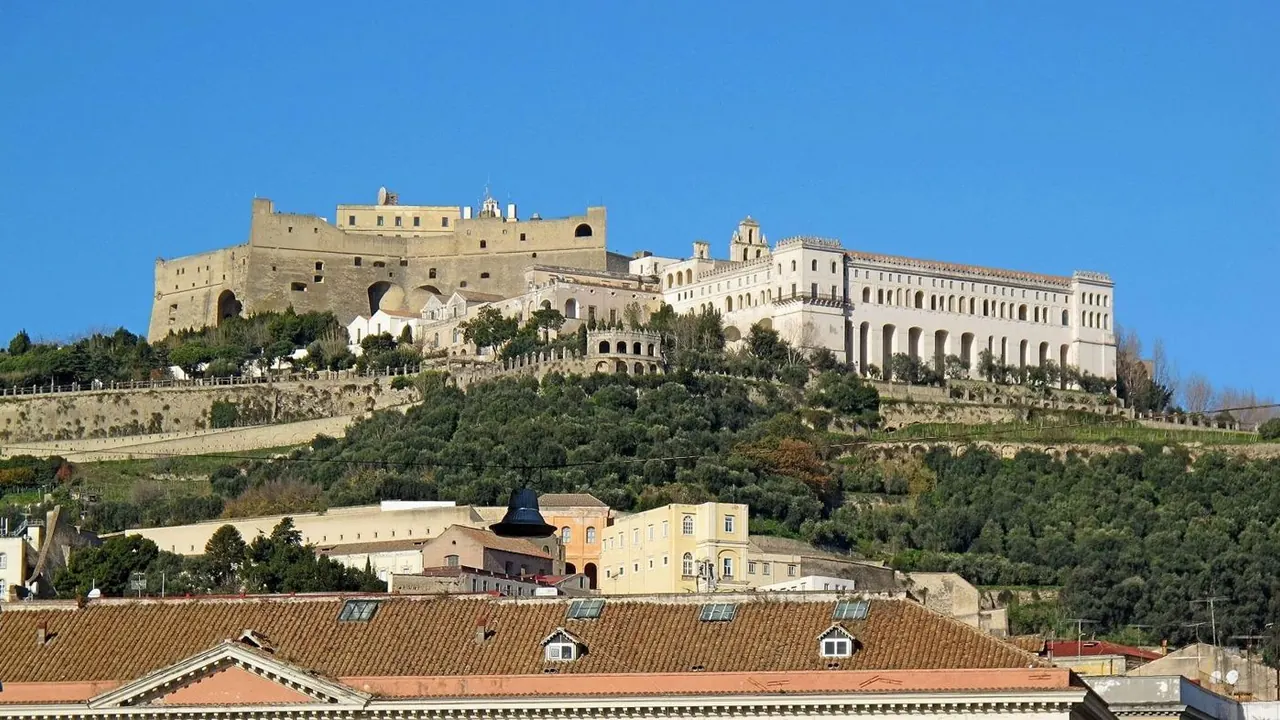
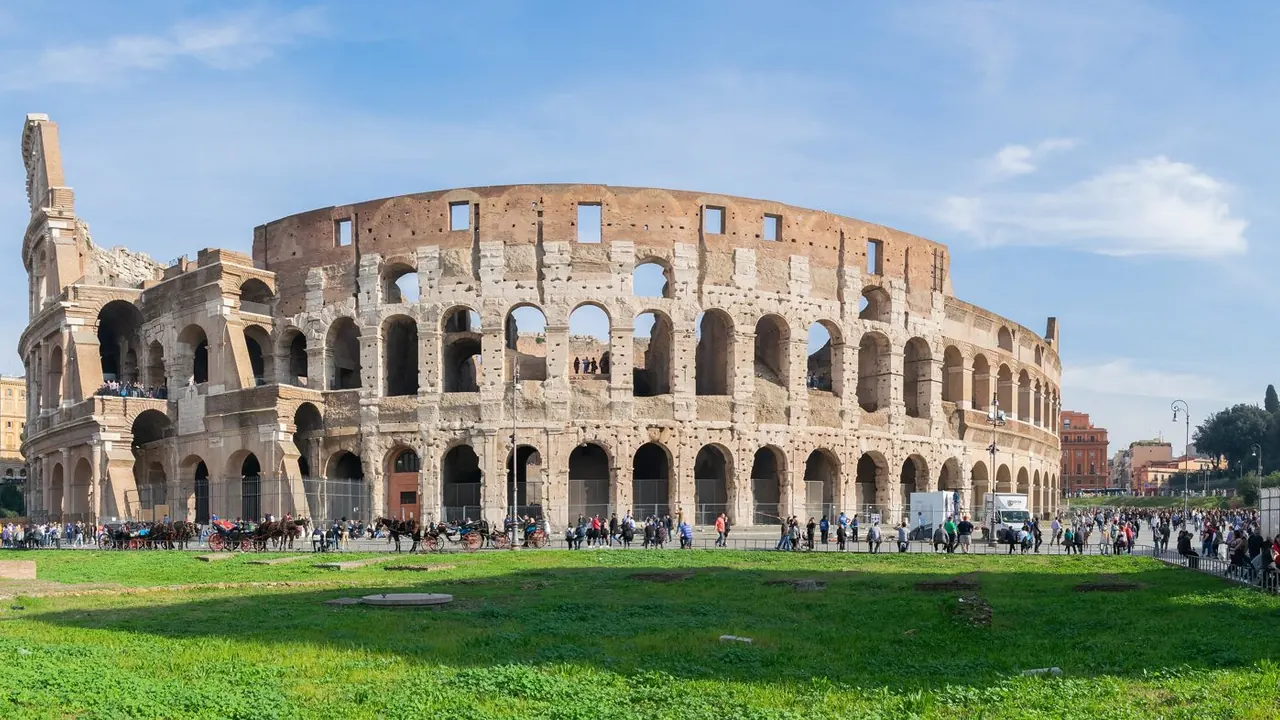
Photos: Naples by pietro scerrato, CC BY 3.0, cropped; Rome by Tournasol7, CC BY-SA 4.0, cropped.
Naples or Rome?
Our verdict in twelve categories, each scored against the same fixed benchmark cities, and the climate month by month, so you can choose for your trip.
Choose Naples for
- prices
- nature and the outdoors
- day trips
Pick Naples if you want a base for the volcanic coast as much as a city. Vesuvius, the Phlegraean craters, Pompeii, Herculaneum and the islands are all close by train or boat. Your money also goes further, from pizza to a guesthouse room in the old centre. The trade-off is a louder, rougher city that asks more of you on its streets.
Choose Rome for
- culture and sights
- shopping
- getting around
Rome is the better choice for travellers who come mainly for monuments and museums. The Colosseum, the Forum, the Vatican and the Borghese Gallery make it the deeper city for sightseeing, and its fashion streets give a fuller shopping trip. The cost is mostly in the room, which takes a larger share of the budget than it would in Naples.
Scoreboard
Twelve categories on one fixed scale from 0 to 100. The shaded stretch is the gap between the two.
Your match
Pick a travel style or drag the sliders, and both match scores follow your weighting.
Too close to call, 1 point apart
Wins on prices and nature and the outdoors with your weighting.
Wins on culture and sights and shopping with your weighting.
What matters to you?
Category by category
What the scores mean for a trip.
Beaches & swimming
Neither city is a beach destination, but the sea fits into each in a different way. In Naples, people swim off the rocks below the Lungomare and at small Posillipo lidos within the city. The clear water and rocky coves are a ferry ride away on Procida, Ischia or Capri.
From Rome, the sea means a half-hour train to Ostia's dark volcanic sand, mostly lined with paid lidos and rarely clear. Naples offers prettier water by boat, while Rome offers long sandy beaches by train.
Food & drink
Both cities eat equally well, but on different dishes. Naples is the city of soft, blistered pizza, fried street food, sfogliatelle and the produce of the Pignasecca and Porta Nolana markets, with Campanian wines like Falanghina and Aglianico to drink.
Rome's table is built on its four classic pastas, Jewish-style artichokes from the Ghetto and offal from Testaccio, with pizza al taglio by day. In Rome, the best eating means walking out to Trastevere, Monti or Testaccio. In Naples it is right in the old centre's loud pizzerias.
Culture & sights
Naples has a remarkable historic centre: a Greek street grid packed with churches, the Veiled Christ at Sansevero, a whole city underground, and the finds from Pompeii in the Archaeological Museum. It would fill a week.
Rome goes further on every count. The Colosseum, Forum and Pantheon still stand in the centre, and layers of Christian, Renaissance and Baroque building sit above them. The Vatican, the Sistine Chapel and the Borghese Gallery are collections few cities can match. For sightseeing alone, Rome is the deeper choice.
Nightlife
Evenings are much alike in both, spent outdoors with a drink rather than in clubs. Naples gathers students on the steps of Piazza Bellini and a smarter crowd in the alleys of Chiaia, and in summer the dancing moves out to the coast.
Rome spreads its evenings over more distinct quarters: aperitivo-to-midnight Trastevere, cocktail bars in Monti, cheap student San Lorenzo and arty Pigneto. It also has a modest club scene in Testaccio and Ostiense.
Nature & outdoors
Naples sits in a far more dramatic landscape. A short trail leads to the crater of Vesuvius, Astroni and Monte Nuovo are volcanic craters you can walk, the Gaiola underwater park is good for snorkelling, and the Path of the Gods and Monte Solaro are within a long day.
Rome's outdoors is gentler. There are the villa parks, cycling along the Appian Way, and the crater lakes of Albano and Nemi in the Alban Hills. Real mountain walking means going about ninety minutes out to the Apennines.
Day trips
Naples packs its famous names into a tight ring. Pompeii and Herculaneum are each under an hour on the Circumvesuviana, with the quieter villas of Oplontis and Stabiae on the same line. The Bourbon palace at Caserta is a short train ride inland, and hydrofoils from Molo Beverello reach Capri, Ischia and Procida. Sorrento, the Amalfi Coast towns and the Greek temples of Paestum extend the list to the south.
Rome's trips spread wider and lean inland. Ostia Antica, Villa d'Este and Hadrian's Villa at Tivoli are close, and further out are the wine towns of the Castelli Romani, the Etruscan painted tombs of Tarquinia and Cerveteri, and cliff-top Orvieto. High-speed trains make Florence an easy day out, and Pompeii is possible in a long one.
Good for families
Both welcome children at the table and both are tiring with a pushchair, so neither stands far ahead. Naples is the harder city on the street, with scooters in the lanes and broken pavements, but older children love its tunnels, funiculars and ferries. Many families sleep in Sorrento or on an island instead.
Rome holds attention with gladiators and the Mouth of Truth, and Villa Borghese gives them a zoo, rowing boats and space to run. Long queues at the big sights wear thin, though.
Getting around
Rome is a little easier to get around. Its main sights lie on a short walk from the Colosseum to Trastevere, and the metro covers the Vatican, Termini and the Colosseum, though buses crawl and the metro barely enters the core.
In Naples, the old centre is walkable, and Metro Line 1 and four funiculars handle the hills. Beyond them, slow buses, a crowded, unreliable Circumvesuviana and nerve-testing road crossings make every journey more work.
Shopping & style
Rome is the better shopping city. The big Italian fashion houses line Via Condotti and the streets off the Spanish Steps, Monti has independent boutiques and vintage shops, and Porta Portese is a vast Sunday flea market.
Naples is narrower but more particular. Its strengths are tailoring from the Chiaia workshops, nativity figures on Via San Gregorio Armeno, and coral and cameos from Torre del Greco. Come for a handmade suit or a craft piece rather than a long day of browsing.
Affordability
Naples is clearly the cheaper stay. Modest B&Bs are easy to find in the historic centre, and pizza, street food and transport cost little. Costs only climb on the islands and the Amalfi Coast.
In Rome, the expense is the room: central hotels are small and costly, and the Vatican, Colosseum and Borghese all charge substantial entry fees. Free drinking fountains and free churches help, but a Roman stay costs noticeably more.
Live music & performing arts
The two are evenly matched for music, but they give you different kinds of evening. In Naples, a night out for music usually means the San Carlo, where the gilded Bourbon hall is as much the draw as the opera or ballet on stage. The other choice is Neapolitan song, a tradition that belongs to the city, heard at small concerts or from players moving between trattoria tables. Beyond the opera house, the conservatory and the churches, there is not much else.
Rome has no single stage to match the San Carlo, but it gives you more choice night to night. The Santa Cecilia orchestra, jazz and world music all play at the Auditorium Parco della Musica, the city has long-established jazz clubs, and in summer there is open-air opera among the ruins of the Baths of Caracalla. In both cities theatre is almost all in Italian, so for most visitors the evening is about the music.
Wellness & relaxation
Neither city is restful, and both find their thermal water outside town. From Naples, that water is much better: Ischia, about an hour by hydrofoil, is a true spa island with terraced thermal gardens above the sea, and Agnano is on the city's edge.
Rome offers the sulphur pools of Bagni di Tivoli and free hot springs around Viterbo, further out. Within the city, its villa gardens and the Aventine give it calmer corners than Naples has.
When should you go?
Pick your month. The climate figures are measured averages, not a forecast.
Naples in July
Rome in July
Daytime high, °C
Rainfall in the month, mm
Where the figures come from
Naples's sunshine is measured 28 km from the centre, at Grazzanise.
Rome's sunshine is measured 31 km from the centre, at Vigna Di Valle.
Temperature and rainfall are climate normals, averaged over the years shown. Naples: 2005-2020 (sunshine 1991-2020, rainfall 1971-2000) normals, Napoli / Capodichino (4.6 km from centre). Rome: 1991-2020 normals, Roma / Ciampino (15.1 km from centre).
The two cities share almost the same year. Both reach about 30°C in July and August, too hot for long afternoons on foot, and both are best for sightseeing in May and again from late September into October, when days are warm without being punishing. Naples has slightly warmer sea, about 26°C in August against Rome's 25°C, and swimming is good in both from June to September. Rome has a little more summer sunshine.
The real difference is the autumn rain. In Naples it builds steadily to about 163mm in November, the wettest month of either city, while Rome peaks lower at about 114mm. In winter both are mild but damp, with highs in the low teens. They work for museums and churches then, but not for the coast or the craters around Naples.
Which traveller are you?
On a culture and arts trip, Rome is the stronger pick. The ancient city stands in the middle of town, and the Vatican, the Borghese and the Capitoline collections add Renaissance and Baroque art on top. Naples has superb Roman finds, but Rome's range is deeper.
For an outdoors trip, choose Naples. You can climb to the rim of Vesuvius, walk through the craters of the Phlegraean Fields, snorkel at Gaiola and hike the Path of the Gods, all within reach. Rome offers villa parks, the Appian Way and hills further out.
On a trip on a tight budget, Naples stretches money further. Pizza, street food and transport are cheap, and modest B&Bs fill the historic centre. In Rome, central rooms and big museum entry fees quickly eat into a budget.
Before you go
| Measure | Naples | Rome |
|---|---|---|
| Official language | Italian | Italian |
| Currency | Euro (EUR) | Euro (EUR) |
| Sockets | CFL230 V, 50 Hz | CFL230 V, 50 Hz |
| Driving side | Right | Right |
| Time zone | UTC+1, UTC+2 in summer | UTC+1, UTC+2 in summer |
| Emergency number | 112 | 112 |
| Elevation | 17 m | 21 m |
| Main airport | Naples International Airport (NAP)7 km from centre131 non-stop destinations | Rome–Fiumicino Leonardo da Vinci International Airport (FCO)23 km from centre242 non-stop destinations |
| Public holidays this year | 13 days | 13 days |
By the numbers
| Measure | Naples | Rome |
|---|---|---|
| City population | 913,462 | 2,748,109 |
| People per km² | 7,676 | 2,135 |
| Museums within 10 km | 65 | 178 |
| UNESCO World Heritage sites within 50 km | 5 | 8 |
| Swim season, months above 21 °C | 5 months | 5 months |
Where else could you go?
Every comparison below shares a destination with this one, so you can follow Naples or Rome somewhere new.