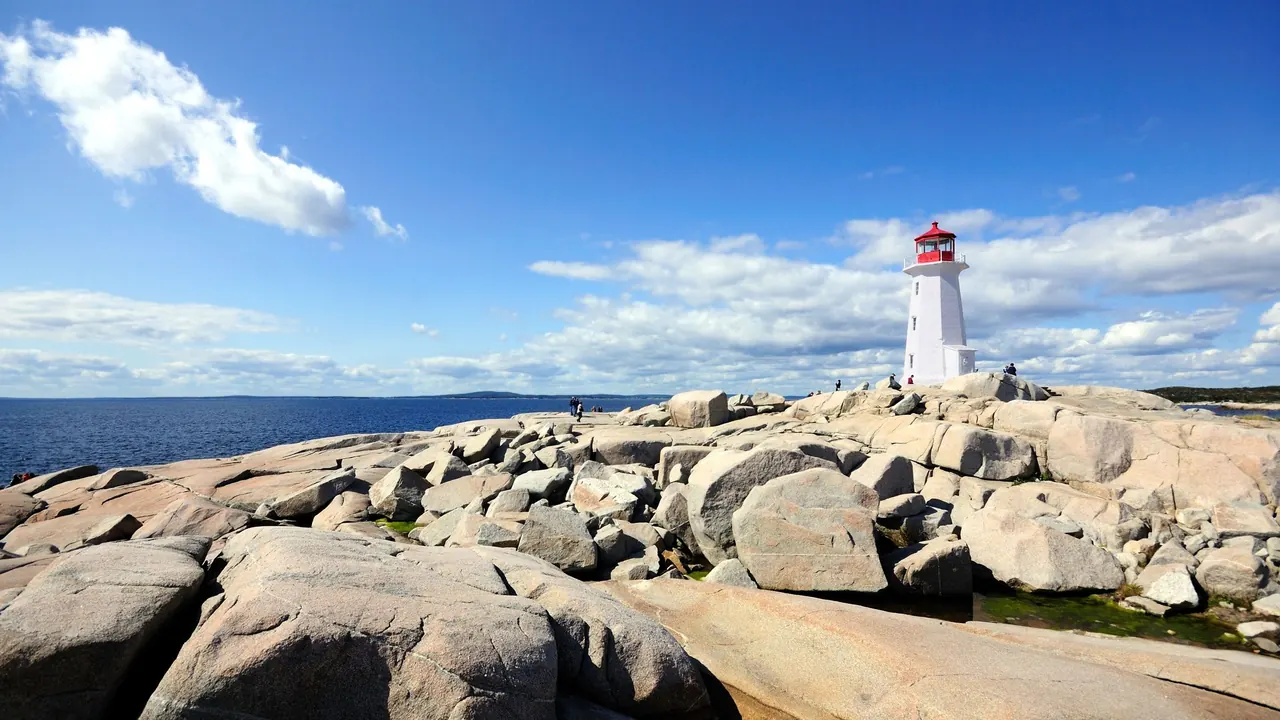
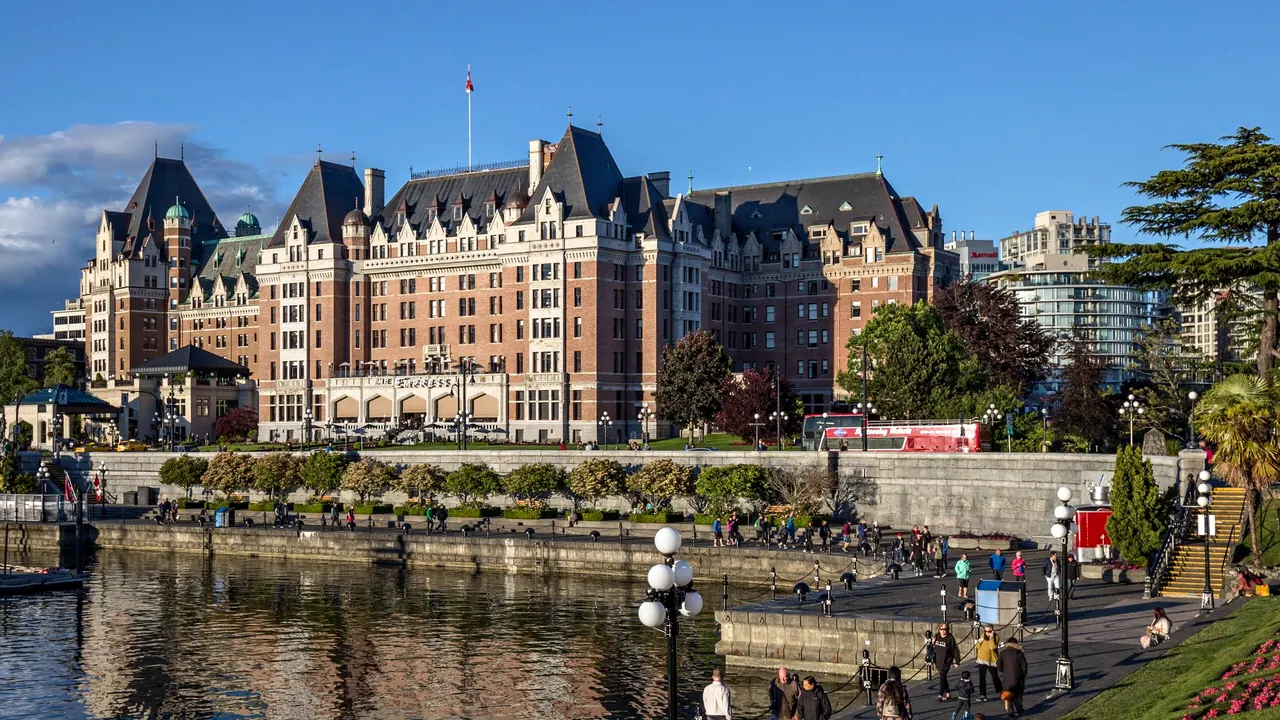
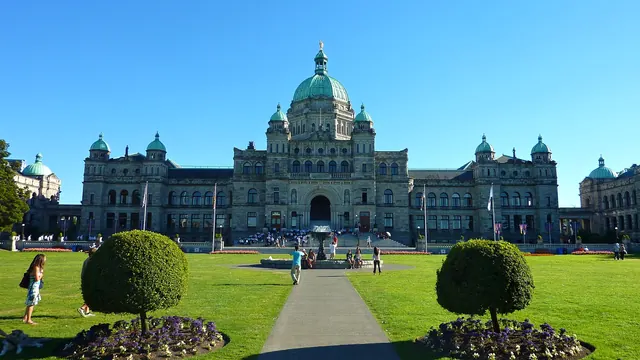
Photos: Nova Scotia by Taxiarchos228, CC BY-SA 3.0, cropped; Vancouver Island by Michal Klajban, CC BY-SA 4.0, cropped.
Nova Scotia or Vancouver Island?
Our verdict in twelve categories, each scored against the same fixed benchmark cities, and the climate month by month, so you can choose for your trip.
Choose Nova Scotia for
- live music and the arts
- prices
- beaches
Nova Scotia is the better pick for travellers who want history, music and evenings out to go with their coastline. Its colonial and Acadian heritage is spread through Lunenburg, Grand-Pré and the Fortress of Louisbourg, Cape Breton's fiddle and step-dance tradition gives summer nights a purpose, and Halifax has the livelier pubs. The warm Northumberland Strait beaches also make it the easier place for a swim, and a summer trip costs a little less.
Choose Vancouver Island for
- wellness
- nature and the outdoors
- shopping
Choose Vancouver Island when the landscape itself is the point. Old-growth rainforest, open Pacific surf, orcas and bears along the shore, and serious coastal hikes give it the wilder setting of the two. It also suits families with young children better, thanks to the shallow tidal flats at Parksville, and it suits anyone who wants to slow down, with hot springs at the edge of the sea and storm watching by the fire. Expect to pay for it, especially around Tofino.
Scoreboard
Twelve categories on one fixed scale from 0 to 100. The shaded stretch is the gap between the two.
Your match
Pick a travel style or drag the sliders, and both match scores follow your weighting.
Too close to call, 1 point apart
Wins on live music and the arts and prices with your weighting.
Wins on wellness and nature and the outdoors with your weighting.
What matters to you?
Category by category
What the scores mean for a trip.
Beaches & swimming
Neither is a classic beach destination, but Nova Scotia gives swimmers more. Its Atlantic sands at Crystal Crescent and Lawrencetown are cold, while the Northumberland Strait shore around Pugwash and Tatamagouche has long red-sand beaches where the shallow water warms to the low twenties in late summer. Inverness on Cape Breton adds another mild stretch.
On Vancouver Island, the famous beaches near Tofino are for surfing in a wetsuit and long walks. Swimming means the tidal flats at Parksville and Qualicum Beach, where the incoming tide warms over the hot sand, or a summer lake such as Cowichan Lake.
Food & drink
Both regions eat well from the sea and are much on a par, but the menus differ. Nova Scotia's is Atlantic: lobster in a roll, Digby scallops, Eastern Shore oysters and chowder. Halifax adds the donair as late-night street food and a long-running waterfront farmers' market, and Tidal Bay white from the Annapolis Valley goes well with the seafood.
Vancouver Island leans towards Pacific produce: Baynes Sound oysters, wild salmon, spot prawns and Dungeness crab, with the Cowichan Valley wineries and cideries close by. Victoria brings a serious coffee and craft beer habit and a taste for afternoon tea, and Tofino has a small group of ambitious restaurants. What it lacks is the street food and late eating that Halifax has.
Culture & sights
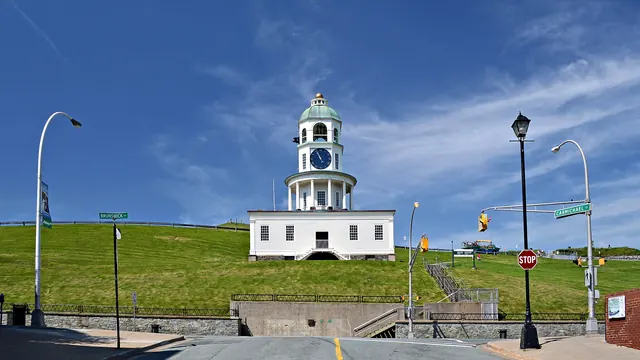
Nova Scotia has more to see, spread across the province. Lunenburg's colonial streets, the Acadian landscape at Grand-Pré, the Joggins Fossil Cliffs and the reconstructed French town at Louisbourg each make a day of their own. Halifax adds the Citadel, the Maritime Museum's rooms on the Titanic and the 1917 Explosion, and Pier 21.
Vancouver Island's sights are mostly in Victoria: the Parliament Buildings on the Inner Harbour, the Royal BC Museum with the totem poles of Thunderbird Park, Craigdarroch Castle and the Butchart Gardens. Further north, the stories are Indigenous rather than colonial, with the potlatch collection at Alert Bay as the highlight.
Nightlife
Halifax gives Nova Scotia the edge. The pubs, taprooms and cocktail bars around Argyle Street and along Gottingen Street in the North End stay busy with students at weekends, and the night ends with a donair.
Victoria's brewpubs and handful of clubs make for a quieter evening. Away from the two capitals, evenings end early in both regions, apart from Cape Breton's summer music nights.
Nature & outdoors
Both are outdoor destinations first, but Vancouver Island is the wilder of the two. Pacific Rim's old-growth cedar and surf, sea kayaking among the Broken Group Islands, the multi-day West Coast Trail and Strathcona's peaks above 2,000m add up to more variety, and it has skiing at Mount Washington in winter. Grey whales, orcas and shoreline bears are all part of a normal summer.
Nova Scotia's strengths are different. The Cabot Trail's cliffs above the Gulf of St Lawrence, the world's highest tides in the Bay of Fundy, rafting the tidal bore on the Shubenacadie, and canoeing in Kejimkujik make it a superb place to drive and paddle, if a gentler one.
Day trips
The two are about level, but the outings differ in kind. From Halifax, the days out are small and pretty places: Peggy's Cove, Chester and Mahone Bay on the South Shore, or the wineries around Wolfville in the Annapolis Valley. There is no second city to visit.
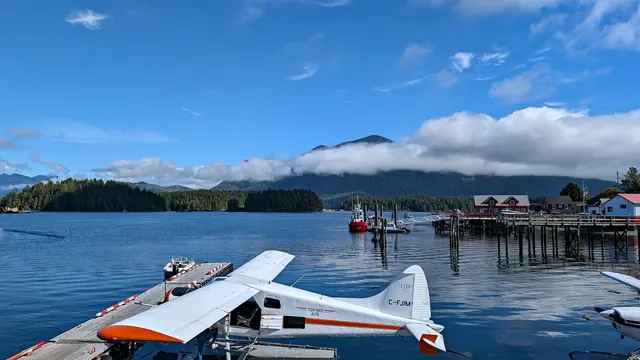
From Victoria, the Cowichan Valley and Chemainus's murals are easy drives, and a short ferry reaches Salt Spring's Saturday market. The island also has what Nova Scotia lacks: a big city within reach, with Vancouver half an hour away by floatplane, and a ferry to Port Angeles in the United States.
Good for families
Vancouver Island suits children a little better. The shallow tidal flats at Parksville and Qualicum Beach are ideal for toddlers, and Victoria adds the Royal BC Museum, the petting farm in Beacon Hill Park and the small aquarium at Sidney. Older children have tide-pooling, whale boats and surf lessons at Tofino.
Nova Scotia offers warm, shallow water on the Northumberland shore, fossil hunting on the Fundy flats and the musket-firing soldiers of Louisbourg. Halifax has a hands-on science centre, but there is no large zoo, aquarium or theme park. In both places, long drives between regions are the main strain on young families.
Getting around
Nova Scotia is the simpler place to arrive. Most visitors fly straight into Halifax, pick up a hire car and drive a loop on quiet, well-kept roads. The cost is distance: the Cabot Trail is about four and a half hours from the city and takes a full day of slow driving once you are on it. Halifax itself is easy on foot, if hilly up to the Citadel, and a harbour ferry crosses to Dartmouth.
On Vancouver Island, the journey starts on the water, with a ferry crossing of about an hour and a half from the mainland and summer queues at the terminals, or a quicker floatplane. Victoria's Inner Harbour is compact, with city buses and small harbour ferries, but beyond it you need a car. The highway up the sheltered east coast is straightforward, while the road west to Tofino is a slow, winding mountain drive.
Shopping & style
Nova Scotia's shopping is scattered through craft studios along its coasts, while Vancouver Island's is gathered in Victoria's old town, which makes the island the better place to browse. In Nova Scotia the finds are in the potters' and weavers' workshops around Mahone Bay and Lunenburg and in the Cape Breton villages: hooked rugs, tartan and sea glass jewellery. Spring Garden Road in Halifax adds only a modest choice.
In Victoria, Government Street, Lower Johnson Street and Market Square have independent clothing shops, bookshops and outdoor gear within a short walk of one another. The things worth carrying home are Northwest Coast Indigenous prints and hand-knitted Cowichan sweaters, and Salt Spring's summer markets add pottery and woodwork.
Affordability
Both are pricey in July and August, but Vancouver Island costs more. Tofino's lodges are among the dearest in the country in summer, and the ferry crossings come on top of car hire, fuel and high restaurant prices. Staying around Parksville or Comox brings costs down.
Nova Scotia is mid-priced to expensive, with sales tax added at the till and busy inns in Lunenburg and Baddeck. Rural cottages and campgrounds are easier to find, and in June or late September prices ease further.
Live music & performing arts
Nova Scotia has the stronger music, and it is folk rather than formal. Fiddlers and step dancers play summer ceilidhs in the village halls around Mabou and Inverness, Celtic Colours fills Cape Breton with concerts each October, and Halifax pubs host sessions most nights.
Vancouver Island's offer is more conventional and smaller. In Victoria, the symphony and Pacific Opera Victoria perform at the Royal Theatre, the Belfry stages contemporary plays in a former church, and there are summer jazz and fringe festivals. Chemainus adds a summer repertory theatre.
Wellness & relaxation
Vancouver Island has much more for a restful trip. Hot Springs Cove, reached by boat or floatplane and a rainforest boardwalk, lets you soak in rock pools beside the ocean. Tofino's lodges combine spa treatments with winter storm watching, and Salt Spring offers yoga and retreat stays.
Nova Scotia has no hot springs or bathing culture, and its spas are mostly in resort hotels. Its form of rest is a quiet base, such as a cottage on the South Shore or a Cape Breton inn, where you simply stay put.
When should you go?
Pick your month. The climate figures are measured averages, not a forecast.
Nova Scotia in July
Vancouver Island in July
Daytime high, °C
Rainfall in the month, mm
Where the figures come from
Vancouver Island's sunshine is measured 86 km from the centre, at Vancouver International Airport.
Temperature and rainfall are climate normals, averaged over the years shown. Nova Scotia: 1991-2020 (sunshine 1981-2010) normals, Shearwater Airport (6 km from centre). Vancouver Island: 1991-2020 normals, Victoria Gonzales CS (4.3 km from centre).
Both destinations are at their best in July and August, but their years look very different. Nova Scotia has a proper winter, with highs around 0°C in January and February, and warms to about 23°C in August. Rain falls fairly evenly all year and is heaviest from October to December, so there is no truly dry spell. The Atlantic reaches only about 17°C in August, which is why swimmers head for the warmer Northumberland shore between July and early September. Late September and early October are still good for walking and driving under the turning leaves, though the rain picks up.
Vancouver Island is milder in winter and far drier in summer. Winter highs stay around 8°C, summer days peak in the low twenties, and July brings only about 11mm of rain, with noticeably more sunshine than Nova Scotia gets. The sea stays cold all year, so swimming means the sun-warmed tidal flats on the east coast and the lakes. From May to September the weather is settled and good for touring. From November to January the rain sets in, which suits storm watchers on the west coast more than walkers.
Which traveller are you?
On a culture and arts trip, Nova Scotia is the stronger choice. Three World Heritage sites, the costumed life of Louisbourg and Lunenburg's painted harbour town give it more history to see, and Cape Breton's ceilidhs and Celtic Colours give you living music to plan the trip around.
For a relaxing and wellness trip, Vancouver Island gives you more. You can soak in the rock pools of Hot Springs Cove, book a lodge spa in Tofino and watch winter storms from the fireside, or stay at a retreat on Salt Spring. Nova Scotia offers quiet villages but nothing beyond hotel spas.
On a trip with a tight budget, Nova Scotia is easier to manage. Rural motels, cottages and campgrounds keep costs down, and there is no ferry fare just to arrive. Vancouver Island's Tofino lodges, ferry crossings and restaurant prices push a summer trip noticeably higher.
Before you go
| Measure | Nova Scotia | Vancouver Island |
|---|---|---|
| Official language | French, English | French, English |
| Currency | Canadian Dollar (CAD) | Canadian Dollar (CAD) |
| Sockets | AB120 V, 60 Hz | AB120 V, 60 Hz |
| Driving side | Right | Right |
| Time zone | UTC-4, UTC-3 in summer | UTC-8, UTC-7 in summer |
| Emergency number | 911 | 911 |
| Main airport | Halifax / Stanfield International Airport (YHZ)37 non-stop destinations | Victoria International Airport (YYJ)16 non-stop destinations |
| Public holidays this year | 12 days | 11 days |
By the numbers
| Measure | Nova Scotia | Vancouver Island |
|---|---|---|
| Population | 969,383 | 864,864 |
| Swim season, months above 21 °C | None | None |
Where else could you go?
Every comparison below shares a destination with this one, so you can follow Nova Scotia or Vancouver Island somewhere new.
- Olympic National Parkvs Vancouver Island
- Prince Edward Islandvs Nova Scotia
- Mount Rainiervs Vancouver Island
- Acadiavs Nova Scotia
- Canadian Rockiesvs Vancouver Island
- Cape Codvs Nova Scotia