Koror
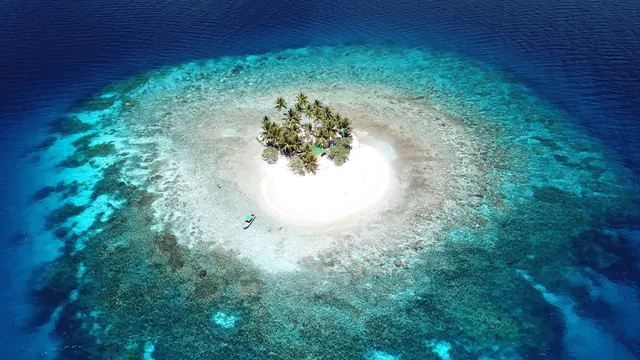
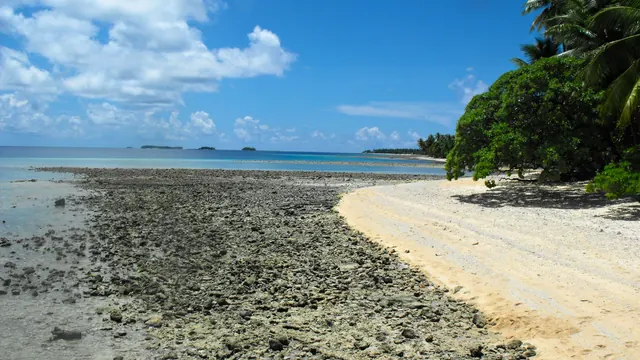
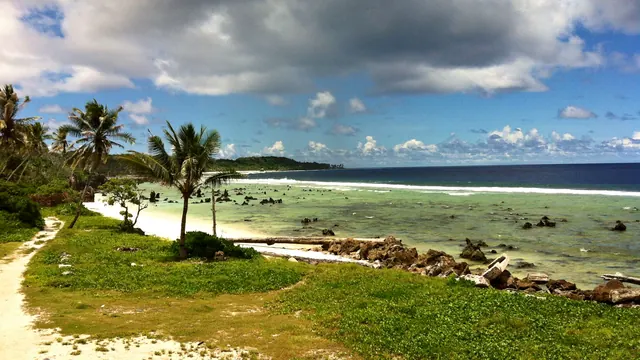
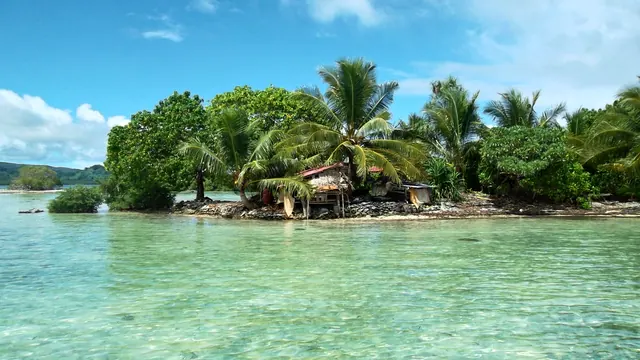
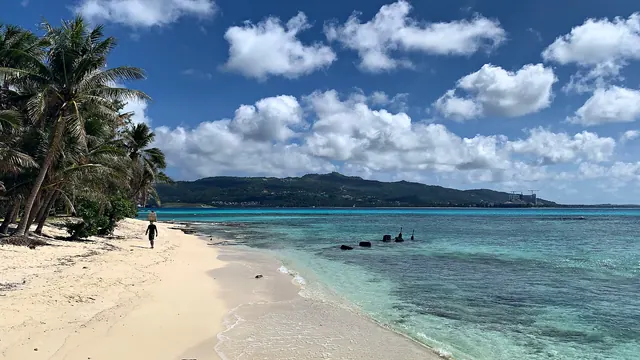
Palms, white sand and a turquoise lagoon at Malakal in Koror
- Nature & outdoors91
- Beaches72
- Families40
Photo: ito1117, CC BY-SA 3.0, cropped
Match
33
Every category weighted equally
- Beach & sun41
- Culture & arts25
- Food & nightlife24
- Family trip40
- Outdoors44
- Relax & unwind41
- Shopping & style26
- On a budget33
Koror in twelve categories
Our verdict on each, scored 0 to 100 against the same fixed benchmark cities, so a score means the same thing on every page.
Beaches & swimming. Scores 72 out of 100.
Food & drink. Scores 30 out of 100.
Culture & sights. Scores 17 out of 100.
Nightlife. Scores 10 out of 100.
Nature & outdoors. Scores 91 out of 100.
Day trips. Scores 30 out of 100.
Good for families. Scores 40 out of 100.
Getting around. Scores 22 out of 100.
Shopping & style. Scores 14 out of 100.
Affordability. Scores 28 out of 100.
Live music & performing arts. Scores 7 out of 100.
Wellness & relaxation. Scores 40 out of 100.
Koror category by category
Beaches & swimming
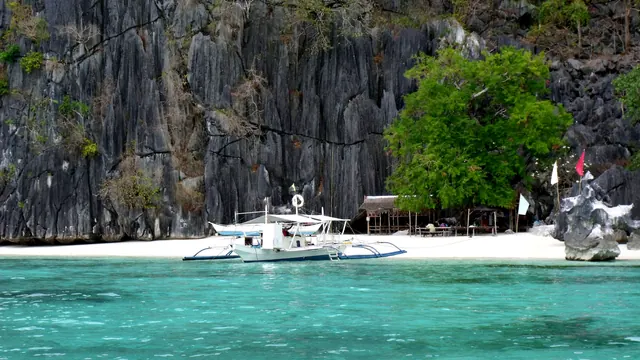
72Koror is not a town of beach promenades. Much of its shoreline is mangrove, harbour and causeway, and the sandy stretches on the main islands mostly belong to resorts on Arakabesang and Malakal. The beaches people come for lie out in the Rock Islands, small white crescents under limestone cliffs, reached by boat in half an hour to an hour, usually as part of a snorkelling or kayak tour.
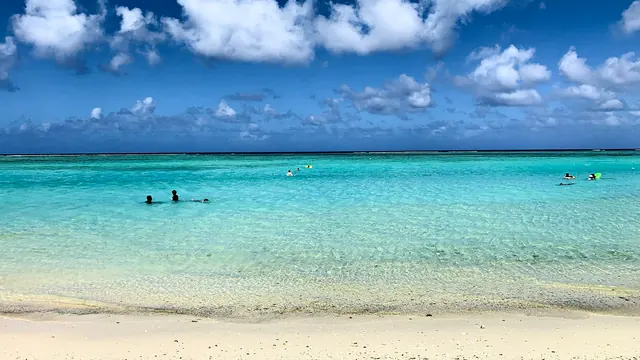
The water is the draw: lagoon temperatures sit around 28-30°C all year, calm and very clear, and swimming straight off a boat onto a reef is normal. What it lacks is the easy, walk-down-to-the-sand day; almost every beach outing is planned and boat-based.
Food & drink
30Eating in Koror reflects Palau's history more than a cuisine of its own. Japanese influence shows in fresh sashimi, bento and noodle counters, and there are Filipino, Korean, Thai and American-style diners along the main road. Palauan dishes such as taro, tapioca, coconut crab and reef fish appear on some menus, and the more adventurous can find fruit bat soup. Much produce is imported, so quality and choice are modest, and most evenings come down to a short list of familiar places.
Culture & sights
17Koror's sights fit into a morning. The Belau National Museum, the oldest in Micronesia, tells Palau's story through the Spanish, German, Japanese and American periods, with a traditional bai meeting house in its grounds decorated with painted storyboards. The privately founded Etpison Museum adds shell money, carvings and archaeology. Scattered remnants of the Japanese administrative capital survive around town. Beyond that the town is functional and low-rise; Palau's heritage lies mostly in its villages and on other islands.
Nightlife
10Evenings are short in Koror, since dive boats leave early. There are a few bars along the main street, resort bars by the water and karaoke rooms that locals and expatriates use at weekends, but nothing that adds up to a night out to plan around.
Nature & outdoors
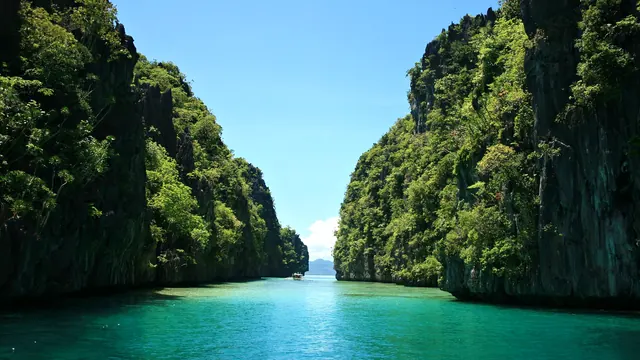
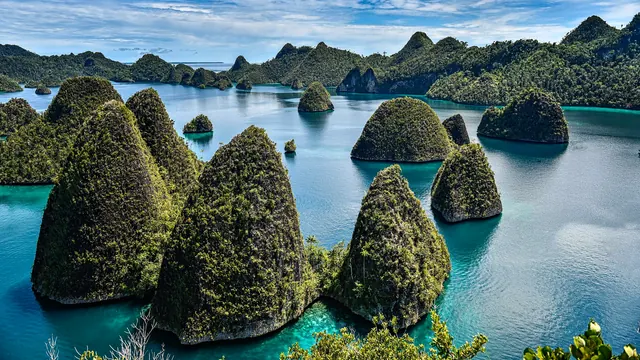
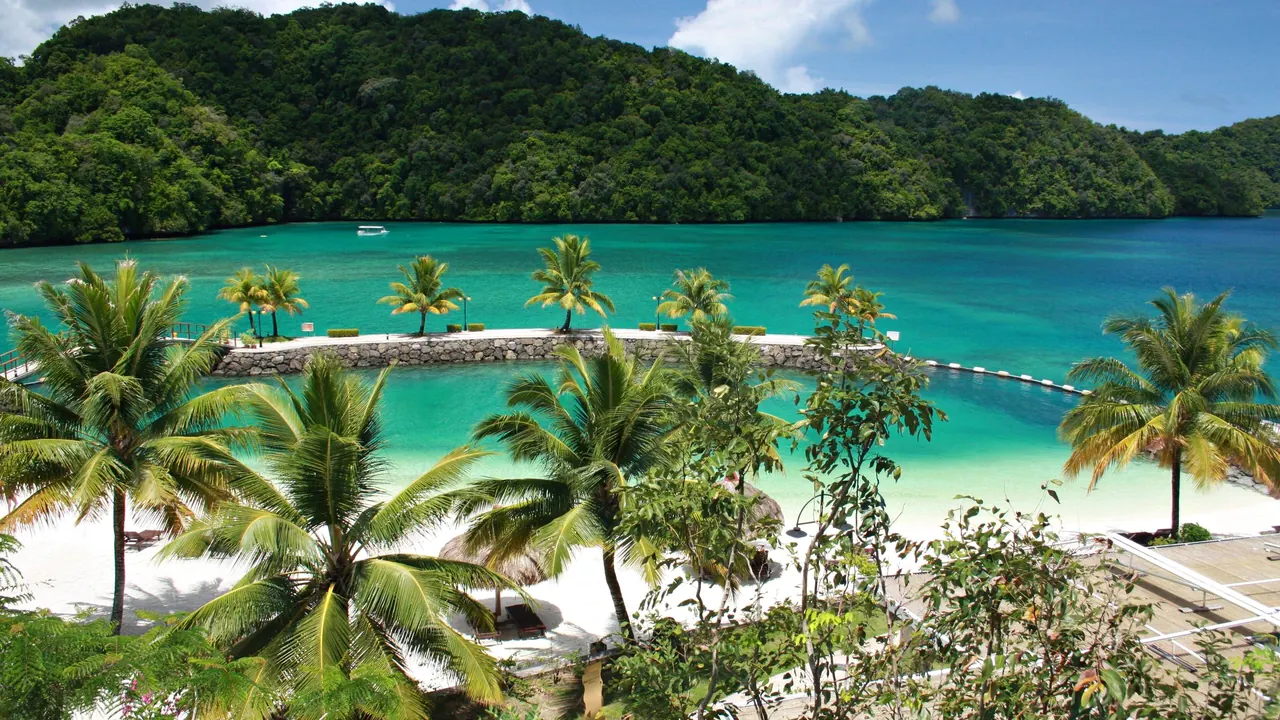
91Koror is the gateway to the Rock Islands Southern Lagoon, hundreds of mushroom-shaped limestone islands covered in jungle and rising from turquoise water. It is one of the great diving destinations: walls, channels and drop-offs such as Blue Corner and German Channel bring sharks, manta rays, turtles and huge schools of fish, with strong currents for experienced divers and sheltered reefs for beginners. Kayaking through the islands, marine lakes such as Jellyfish Lake and the chalky Milky Way lagoon fill the non-diving days.
On land the choice is smaller. Across the bridge on Babeldaob there are mangrove river trips and jungle walks to the Ngardmau waterfall, but no mountains. Rain comes in heavy bursts all year, a little less so in the drier months early in the year.
Day trips
30Two outings stand out. Peleliu, about an hour by speedboat, was the site of one of the fiercest battles of the Pacific War, and its jungle still holds tanks, bunkers, aircraft wrecks and memorials. Babeldaob, the large island across the bridge, has the Badrulchau stone monoliths, traditional bai meeting houses in Airai and the domed national capitol at Melekeok, best seen with a driver for the day. Beyond these the places to visit are tiny villages, and most excursions from Koror are about the sea rather than towns.
Good for families
40Koror is safe, quiet and friendly, and families with confident swimmers can have a memorable time snorkelling in calm, warm lagoons and spotting turtles from tour boats. The aquarium at the coral reef research centre is a good introduction to what lies offshore. Little else is made for children, though: there are no parks or play attractions to speak of, the days revolve around boat trips that can be long and choppy, and the heat and sudden downpours tire small children. It suits families with older kids more than toddlers.
Getting around
22There is no public transport in Koror. The town strings out along a single main road linking its islands by causeways, and walking it in the heat and rain, with intermittent pavements, gets old quickly. Most visitors use taxis, which are easy to find, or hire a car, especially for Babeldaob. For the sea, dive and tour operators collect guests from their hotels and handle the boats, so the main outings need no planning of transport at all.
Shopping & style
14Shopping is practical rather than a pastime. A couple of large general stores supply groceries and household goods, and souvenir shops sell T-shirts and shell jewellery. The one craft worth seeking out is the Palauan storyboard, a carved wooden panel depicting legends and village life, sold by local carvers and small craft shops around town.
Affordability
28Koror is an expensive place to stay. Rooms cost a lot for what they offer, since the island has few hotels and imports nearly everything, and the boat tours, dives and Rock Islands permits that make up most days add up fast. Visitors also pay a national environmental fee on arrival. Everyday eating in local diners and taxis around town are more reasonable, but a stay here costs more than most of the region.
Live music & performing arts
7There is no theatre, concert hall or regular live-music venue in Koror. Traditional Palauan chant and dance can be seen at cultural festivals and community events, and resorts sometimes stage dance evenings, but performance is not part of a typical stay.
Wellness & relaxation
40Koror moves at an unhurried island pace, and the days of sun, salt water and early nights are restorative in themselves. Proper spas are found only at a few resort hotels, offering massage and treatments that often draw on coconut and local plants. There is no bathing or spa tradition to explore, so the unwinding here happens mostly on the water and by the hotel pool.
When should you go?
Pick a month to see what it is like. The climate figures are measured averages, not a forecast.
Koror in July
Daytime high, °C
Rainfall in the month, mm
The whole year
Shaded against this destination’s own year: the deepest cell is its best month for that figure and the palest its weakest.
Temperature and rainfall are climate normals, averaged over the years shown. Koror: 1991-2020 normals, Babelthuap Island, Babelthuap/Koror Airport (6.4 km from centre).
Before you go
| Measure | Koror |
|---|---|
| Official language | English, Japanese, Palauan |
| Currency | US Dollar (USD) |
| Sockets | AB120 V, 60 Hz |
| Driving side | Right |
| Time zone | UTC+9 |
| Emergency number | 911 |
| Elevation | 22 m |
| Main airport | Roman Tmetuchl International Airport (ROR)7 km from centre7 non-stop destinations |
| Public holidays this year | 11 days |
By the numbers
| Measure | Koror |
|---|---|
| Population | 8,744 |
| Museums within 10 km | 2 |
| UNESCO World Heritage sites within 50 km | 1 |
| Swim season, months above 21 °C | 12 months |
Compare Koror with
Every comparison with a written verdict behind it.