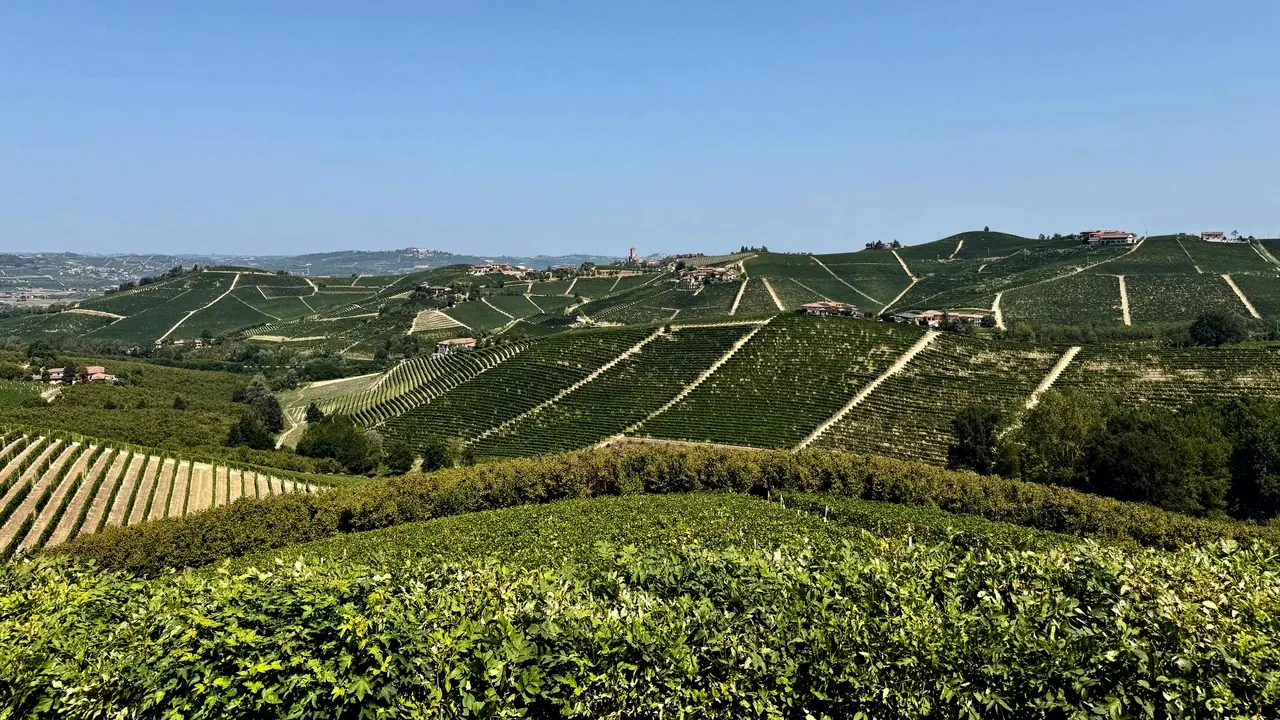
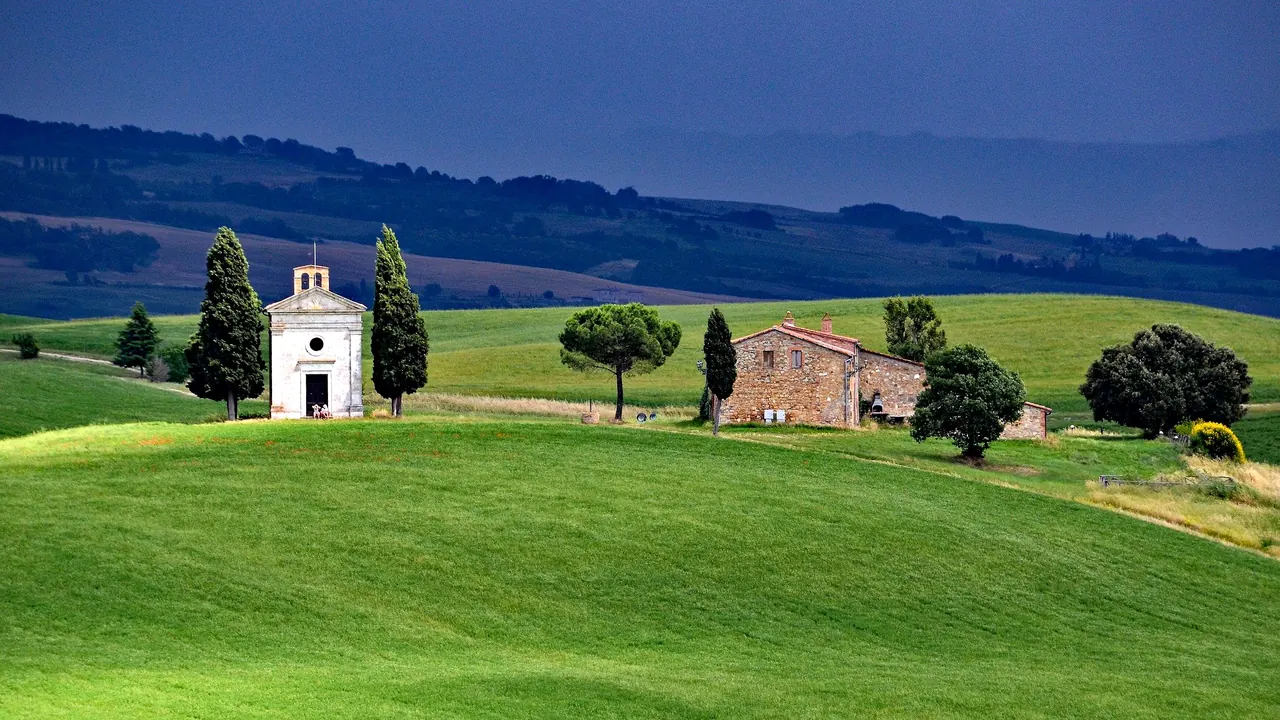
Photos: Piedmont by Martina Amaro, Pexels License; Tuscany by Hervé Simon, CC BY-SA 2.0, cropped.
Piedmont or Tuscany?
Our verdict in twelve categories, each scored against the same fixed benchmark cities, and the climate month by month, so you can choose for your trip.
Choose Piedmont for
- prices
- nature and the outdoors
- food and drink
Piedmont suits travellers who put food and wine first and want real mountains close at hand. The Barolo and truffle country of the Langhe, Turin's coffee houses and Egyptian Museum, and the high Alps around Monte Rosa make a rich trip with fewer crowds, and it costs less than its neighbour.
Choose Tuscany for
- beaches
- wellness
- culture and sights
For art, beaches and spa waters, Tuscany is the stronger choice. Florence, Siena and the hill towns give it deeper culture and more day trips, and the coast and Elba add a proper seaside. Its hot springs suit a slower stay, as long as you can accept higher prices and summer crowds.
Scoreboard
Twelve categories on one fixed scale from 0 to 100. The shaded stretch is the gap between the two.
Your match
Pick a travel style or drag the sliders, and both match scores follow your weighting.
Wins on prices and nature and the outdoors with your weighting.
Wins on beaches and wellness with your weighting.
What matters to you?
Category by category
What the scores mean for a trip.
Beaches & swimming
Piedmont has no coast, so a swim means the lidos and pebble beaches of Lake Maggiore around Stresa and Baveno, or a grassy spot on Lake Orta. That is pleasant in high summer, but the season is short and it never adds up to a beach trip.
Tuscany has a real sea coast, with several styles to choose from: the clear sandy bays of Elba, the pine-backed strands of the Maremma and Cala Violina, and the long, orderly beach-club sand of Versilia. Its swimming season also lasts longer, into late September. The catch is that Florence and the hill towns are well inland, so the beach needs its own base.
Food & drink
Both regions take the table seriously, and the difference is in style. Piedmont's cooking is richer and more elaborate: tajarin in butter, agnolotti del plin, raw veal, white truffles from Alba in autumn and Barolo and Barbaresco from the Langhe. Turin adds a café culture of bicerin, gianduiotti and vermouth at aperitivo.
Tuscany cooks more plainly, with bread, olive oil, beans and beef grilled over coals. Florence also has what Turin lacks, tripe and lampredotto sold from street carts. Its wine country covers more ground, from Chianti through Montalcino and Montepulciano to Bolgheri near the sea.
Culture & sights
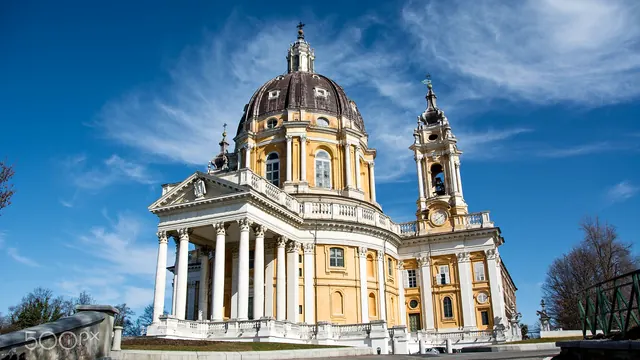
Turin gives Piedmont a strong cultural centre in the Egyptian Museum, the Savoy palaces led by Venaria Reale, and a Baroque capital of arcades and squares. Further out are the Sacra di San Michele and the Sacri Monti chapels. It is grand, orderly and much less crowded.
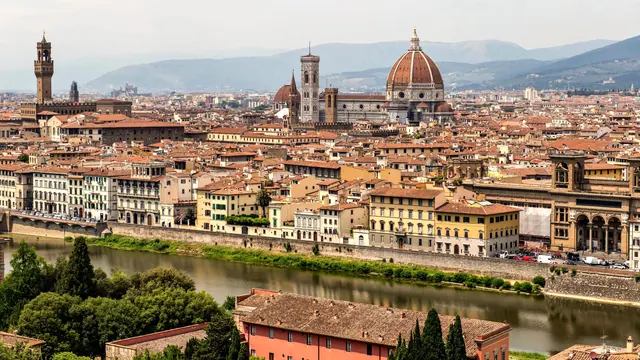
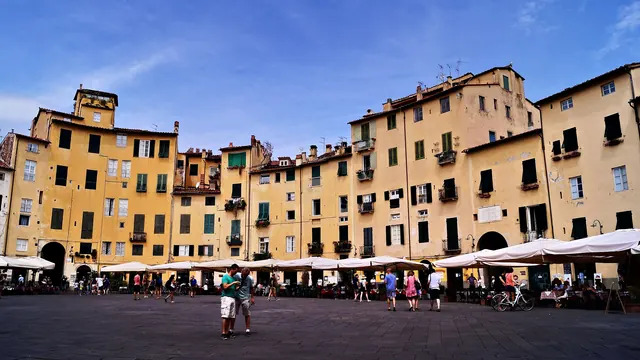
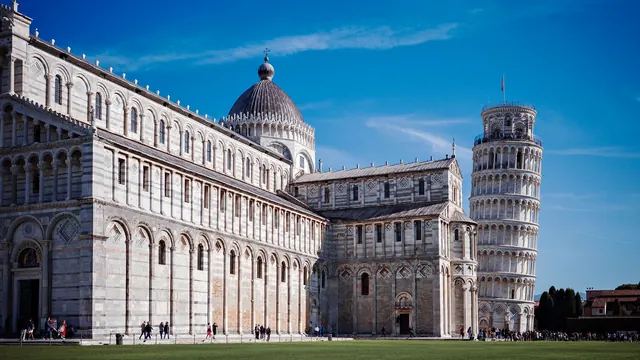
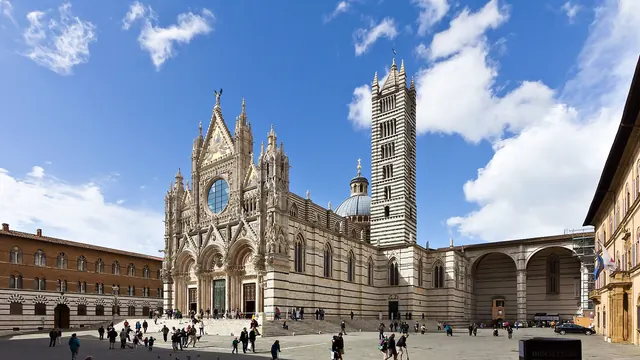
Tuscany is in another league. Florence alone has the Uffizi, the David, Brunelleschi's dome and the Bargello within walking distance of each other. After that come Siena's Campo, Pisa's cathedral square, San Gimignano, Lucca, Pienza and Piero della Francesca's frescoes in Arezzo, if you can face the summer crowds in Florence.
Nightlife
Neither region is a nightlife destination, and in both the evening is built around a long dinner. What differs is where the late nights happen. In Piedmont it is Turin all year round, with aperitivo taken seriously, student bar streets in San Salvario and Vanchiglia, and the banks of the Po in summer.
In Tuscany, Florence has the Santo Spirito steps and the wine bars of Oltrarno. Its real late scene is seasonal, though: the beach clubs and dance halls of Versilia stay busy until dawn all summer.
Nature & outdoors
Piedmont has the bigger mountains. Monte Rosa above Alagna and Macugnaga, the ibex of Gran Paradiso, the wild Val Grande and the Via Lattea ski area give it true high-Alpine hiking, climbing and skiing. Lower down are the Langhe vineyards and Lakes Maggiore and Orta, which have mountains behind them and are good for sailing and kayaking.
Tuscany's outdoors is gentler and shaped by farming. The cypress lanes and wheat fields of the Val d'Orcia and Chianti are ideal for slow cycling and walking between towns, and its wilder corners, the Apuan Alps and the Casentino forests, are smaller in scale. What landlocked Piedmont cannot match is the sea: cliff paths in the Maremma, and sailing and diving around Elba.
Day trips
Piedmont makes a good hub. Milan, Genoa and Aosta are all within easy reach of Turin, and Alba, Asti and the Barolo villages make full days out in the wine country. Lake Maggiore adds boat trips to the Swiss shore.
Tuscany simply has more first-rate places close together. From Florence or Chianti, Siena, Lucca, Pisa, San Gimignano and Volterra are all easy to reach, and Montalcino, Montepulciano and Pienza make a loop of their own. Bologna, the Cinque Terre, Assisi and Orvieto lie just past the borders, so most visitors run out of days before they run out of outings.
Good for families
Both suit families who mix sights with open space, but the kind of space differs. In Piedmont, children's best days are the mummies and the Cinema Museum tower in Turin, island boats and peacock gardens on Lake Maggiore, and gentle ski schools in winter.
Tuscany relies on farmhouse stays with pools and animals, sandy, shallow, lifeguarded beaches, the Pinocchio park at Collodi and cycling on Lucca's walls. The beaches give it a slight edge in summer, although Florence's galleries and the midsummer heat are hard on young children.
Getting around
Both regions work the same way: an easy main city with good rail links, and countryside that really calls for a car. Turin has trams, a metro line and arcades for wet days, with trains to Alba, Asti and Stresa. Florence is compact enough to see on foot, and its rail line to Pisa, Lucca and Viareggio makes a car-free trip simple.
Away from the railways, Piedmont's ski resorts and mountain valleys mean long climbs by road. In Tuscany, old town centres are closed to visitors' cars, and the ferries to Elba and Giglio need planning on summer weekends.
Shopping & style
What you take home from Piedmont is mostly edible: chocolates and gianduiotti, vermouth, hazelnuts, cheese and Barolo bought at the cellar. For clothes there are the brand shops on Turin's Via Roma and the cashmere mills around Biella. On Saturdays the Balon flea market fills with antiques and bric-a-brac.
Tuscany has far more to buy beyond food. Florence offers leather workshops, goldsmiths on the Ponte Vecchio, bookbinders in Oltrarno and luxury houses on Via de' Tornabuoni. Around the region there is alabaster in Volterra and ceramics in Montelupo, and designer outlets in the Arno valley for anyone looking for labels.
Affordability
Piedmont is the cheaper of the two. Turin's hotels, set lunches and generous aperitivo keep a city stay moderate, and farm stays in the hills are fairly priced. Costs rise mainly in the Langhe during truffle season, around Lake Maggiore in high summer and in the ski resorts.
Tuscany is expensive in the months people want to visit. Central Florence, villas in Chianti and beach clubs in Versilia all cost a lot, and Forte dei Marmi is among Italy's priciest resorts. Staying in Lucca, Arezzo or the Maremma, or travelling in spring or autumn, brings the bill down.
Live music & performing arts
Live music and theatre are evenly matched, and in both regions much of it is seasonal outside the main city. Turin has the broader city programme, with opera and ballet at the Teatro Regio, the RAI National Symphony Orchestra, drama at the Teatro Carignano and big summer electronic and rock events.
Tuscany's strength is opera with a sense of place: the Maggio Musicale in Florence, Puccini recitals in Lucca and his operas staged by the lake at Torre del Lago. Siena adds summer concerts in its palaces and churches.
Wellness & relaxation
Piedmont has real spa towns. The Bollente spring rises steaming in the middle of Acqui Terme, Valdieri and Vinadio have mountain thermal baths, and its wine resorts in the Langhe are restful places to stay.
Tuscany has more springs and more varied ones: Montecatini's grand pump rooms, the open terraced pools at Saturnia, the steaming bath in Bagno Vignoni's square and the white limestone pools of Bagni San Filippo. Add a farmhouse in the Val d'Orcia and it is the better choice for a slow, restorative trip.
When should you go?
Pick your month. The climate figures are measured averages, not a forecast.
Piedmont in July
Tuscany in July
Daytime high, °C
Rainfall in the month, mm
Where the figures come from
Piedmont has no weather station within reach, so its figures come from a gridded climate model rather than a measured record, and read a broad area rather than one spot.
Tuscany has no rain gauge within 25 km of the centre, so its rainfall comes from a gridded climate dataset read at the destination rather than from a gauge further away.
Tuscany's sunshine is measured 71 km from the centre, at Pisa / S. Giusto.
Temperature and rainfall are climate normals, averaged over the years shown. Piedmont: 1991-2020 normals, TerraClimate 4 km grid at the town, no weather station within 90 km. Tuscany: 1995-2020 (sunshine 1991-2020, rainfall 1991-2020) normals, Firenze / Peretola (5.6 km from centre).
Piedmont is warm from May to September, with highs near 29°C in July and August. That is comfortable for Turin's streets and the right season for the lakes, where swimming runs from June to early September, and summer also opens the high Alpine trails. Rain falls mainly in spring and autumn and peaks at about 89mm in November. Winter is cool but fairly dry, with daytime highs around 9°C. A coat is enough for the arcades and museums, and up in the mountains it is the skiing season.
Tuscany is a few degrees warmer, and its summers are long and sunny. July and August reach 33°C, which suits a coastal stay but makes the middle of the day hard going in Florence and the hill towns. For sightseeing, May, June and September are the better months. Autumn is much wetter than in Piedmont, with November bringing around 124mm, and winter is slightly milder.
Which traveller are you?
On a beach and sun trip, Piedmont gives you an afternoon on a lido at Stresa or Baveno, but not a week of swimming. In Tuscany you can stay on Elba and try a different sandy bay each day, or settle under an umbrella in Versilia.
For a trip on a tight budget, Piedmont lets you stay in Turin, make a supper of the aperitivo snacks and eat set lunches without giving up much. In Tuscany the money goes further only if you swap Florence for Lucca or Arezzo and avoid July and August.
On an outdoors trip, Piedmont is best for anyone willing to stay up in the mountains: walking from refuge to refuge under Monte Rosa from Alagna, or a ski week at Sestriere. Tuscany suits cyclists and walkers going between hill towns on white gravel roads, with the Apuan ridges for steeper days.
Before you go
| Measure | Piedmont | Tuscany |
|---|---|---|
| Official language | Italian | Italian |
| Currency | Euro (EUR) | Euro (EUR) |
| Sockets | CFL230 V, 50 Hz | CFL230 V, 50 Hz |
| Driving side | Right | Right |
| Time zone | UTC+1, UTC+2 in summer | UTC+1, UTC+2 in summer |
| Emergency number | 112 | 112 |
| Main airport | Turin Airport (TRN)65 non-stop destinations | Florence Airport, Peretola (FLR)46 non-stop destinations |
| Public holidays this year | 13 days | 13 days |
By the numbers
| Measure | Piedmont | Tuscany |
|---|---|---|
| Population | 4,341,375 | 3,729,641 |
| Swim season, months above 21 °C | 4 months | - |
Where else could you go?
Every comparison below shares a destination with this one, so you can follow Piedmont or Tuscany somewhere new.
- Umbriavs Tuscany
- Elbavs Tuscany
- Cinque Terrevs Tuscany
- Lake Maggiorevs Piedmont
- Cinque Terrevs Piedmont
- French Rivieravs Piedmont