Djerba
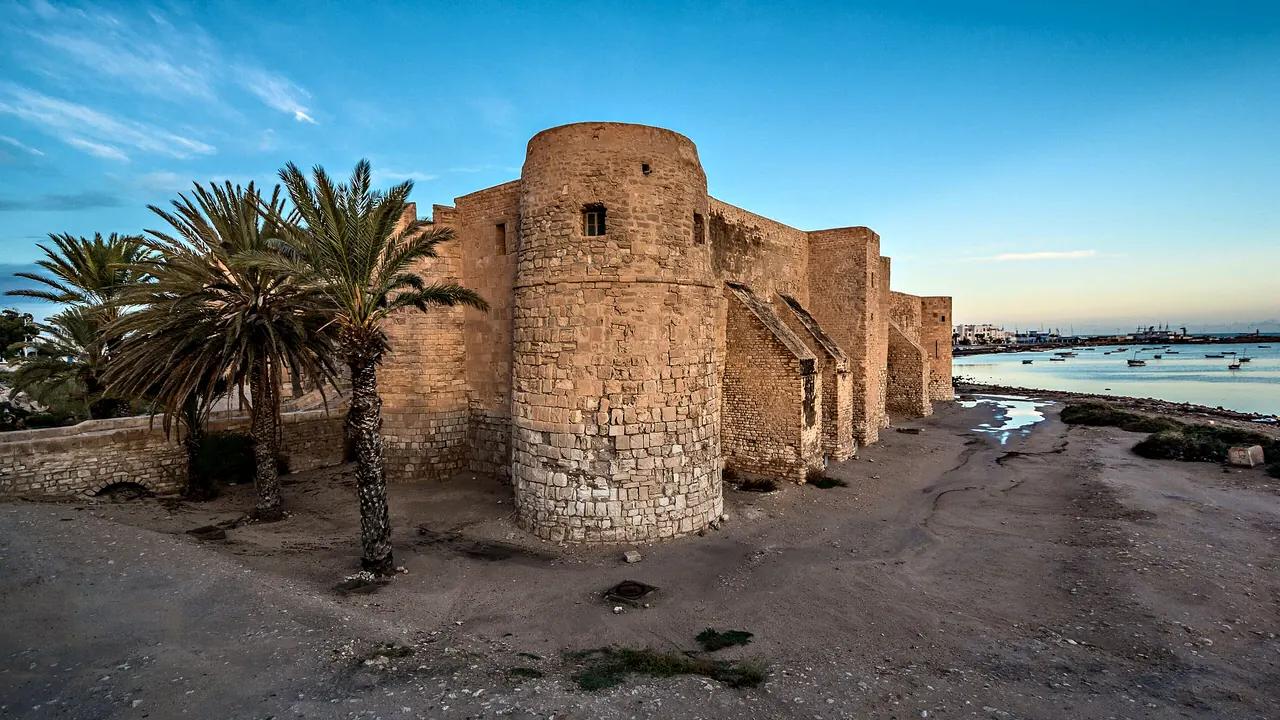
The Borj Ghazi Mustapha fortress in Houmt Souk with palms and the sea
- Affordability80
- Beaches78
- Wellness & relaxation70
Photo: IssamBarhoumi, CC BY-SA 4.0, cropped
Match
47
Every category weighted equally
- Beach & sun54
- Culture & arts41
- Food & nightlife40
- Family trip54
- Outdoors50
- Relax & unwind53
- Shopping & style43
- On a budget51
Djerba in twelve categories
Our verdict on each, scored 0 to 100 against the same fixed benchmark cities, so a score means the same thing on every page.
Beaches & swimming. Scores 78 out of 100.
Food & drink. Scores 40 out of 100.
Culture & sights. Scores 45 out of 100.
Nightlife. Scores 20 out of 100.
Nature & outdoors. Scores 36 out of 100.
Day trips. Scores 40 out of 100.
Good for families. Scores 62 out of 100.
Getting around. Scores 42 out of 100.
Shopping & style. Scores 40 out of 100.
Affordability. Scores 80 out of 100.
Live music & performing arts. Scores 10 out of 100.
Wellness & relaxation. Scores 70 out of 100.
Djerba category by category
Beaches & swimming
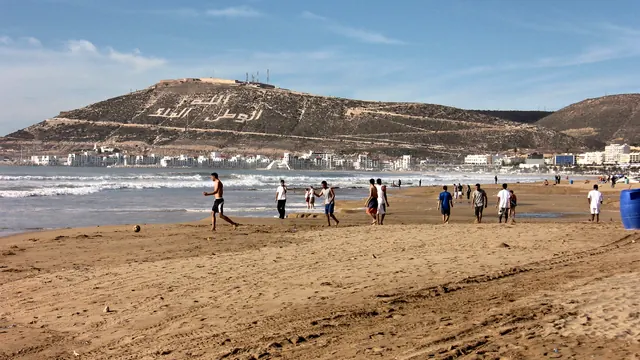
78Most visitors come to Djerba for the beach. The best sand runs along the northeast coast, from Sidi Mahrez through Seguia to Aghir. It is pale and fine, and the hotels line up behind it. The sea shelves very gently, so you can wade a long way out in calm, shallow water. It is warm enough to swim from June to October and reaches about 27°C in August. Spring and late autumn suit people who can handle cooler water.
The setting is flat and simple, with no cliffs or coves. On windy days the water can turn cloudy, and seaweed washes up on some beaches. Sidi Jmour on the west coast is quieter and wilder. The long sandy spit at Ras Rmel is reached by boat and makes a good half-day out.
Food & drink
40Many visitors eat mostly at all-inclusive buffets, and these give little idea of the island's own cooking. To eat locally, go to Houmt Souk. Simple grills there cook fish and squid from the morning auction. The island's best-known dish is riz djerbien, rice steamed with greens, liver and spices. You will also find fish couscous, brik pastries, harissa and good olive oil.
The range is small. There are a few fish restaurants around the old harbour and some cafés serving mint tea and coffee, but very little fine dining and almost no street-food culture outside the town. Alcohol is mainly found in hotels and a few licensed restaurants.
Culture & sights
45Djerba's heritage is spread thinly across the island. The best-known site is the Ghriba synagogue at Erriadh, a place of pilgrimage for one of the oldest Jewish communities in North Africa. Its tiled and painted interior is the island's main sight. Houmt Souk has whitewashed lanes, old funduqs that once lodged merchants, and the Borj el Kebir, a seafront fort with medieval and Ottoman layers.
The rest is quieter but distinctive. Small fortified Ibadite mosques stand in the countryside. Menzels, the traditional domed farmsteads, are scattered among the olive groves. Guellala has a pottery museum, and a large heritage museum covers the island's crafts and costume. Together these are worth a couple of days. They do not add up to a cultural destination.
Nightlife
20Most evenings on Djerba take place inside the resort hotels, with entertainment programmes, a bar by the pool and sometimes a disco. A few clubs along the coastal tourist zone stay open late in high summer. Houmt Souk is quiet after dinner, and evenings there mean a café terrace and a glass of tea. Drinking is limited to hotels and licensed places. Nobody should choose the island for going out.
Nature & outdoors
36Djerba is low and flat, a landscape of palm groves, ancient olive trees, sandy tracks and salt flats. The best of it is around the Ras Rmel lagoon in the northeast. Flamingos and other wading birds feed in the shallows there, especially in winter and spring. The steady wind and wide, shallow water around the coast suit kitesurfing and windsurfing.
The flat interior is easy to cross by bicycle, on horseback or by camel, and the countryside is pleasant for that. There are no hills or real hiking, though. For desert scenery you have to leave the island and go into the mainland south.
Day trips
40Day trips leave the island by the Roman causeway or the short ferry from Ajim. The Roman ruins of Gightis are just across the water. The fortified granaries at Medenine are about an hour and a half away. Further south, around Tataouine, the hilltop ksour and the Berber village of Chenini make a long but rewarding day. Matmata's underground cave houses take about two and a half hours to reach.
The Sahara at Douz and Ksar Ghilane is usually done as an overnight trip rather than in one day. Zarzis, along the coast, has little to add. There is plenty to see, but most of it involves long drives across dry country.
Good for families
62For a family vacation centred on the beach, Djerba works well. The sea along the northeast coast is shallow and calm, so small children can paddle safely. Many resorts are built for families, with pools, children's clubs and food that suits fussy eaters. The large heritage park near Midoun has a crocodile farm that children enjoy, and camel and horse rides on the beach are easy to arrange.
There is little made for children beyond that. Midsummer heat is strong, and Houmt Souk's market can be crowded and full of hard selling. The trips south mean long, hot days in a vehicle, which is a lot to ask of young children.
Getting around
42Djerba is small and flat, and most visitors stay in the hotel zone along the northeast coast. From there, Houmt Souk and Midoun are a short taxi ride away. The yellow taxis are the practical way to get around, as local buses are infrequent and hard for visitors to use. Hiring a bike or a quad works well along the coast road. Houmt Souk itself is easy to explore on foot.
Trips to the mainland mean taking the causeway or the Ajim ferry, then driving long distances. Most people go with a tour or hire a driver.
Shopping & style
40Houmt Souk is where to shop. Its covered souks and small squares are lined with stalls selling rugs, blankets, leather, spices and silver and gold jewellery, a trade long tied to the island's Jewish craftsmen. Haggling is expected, and the more insistent sellers can be tiring.
Guellala, in the south, has made pottery for centuries, and you can buy straight from the workshops. The weekly markets in the island's villages are more local and less touristy. There is nothing in the way of fashion, design or department stores.
Affordability
80Djerba is a cheap place for a beach vacation. All-inclusive hotels on the northeast coast cost far less than comparable Mediterranean resorts, even in summer. Taxis around the island cost little, and a fish lunch in Houmt Souk or a glass of tea in a café is very cheap. Entry to the sights is cheap too.
Prices are higher in hotel bars and for imported alcohol. Excursions to the south cost more, though shared tours keep them reasonable.
Live music & performing arts
10Djerba has almost no performing arts scene. Visitors mostly see folk music and dance shows put on in the hotels. Traditional music is heard at weddings and village festivals in summer, but there is no theatre, concert hall or live music venue to plan an evening around.
Wellness & relaxation
70Thalassotherapy is one of the island's main draws. Many of the larger hotels along the northeast coast have big centres offering seawater pools, hydrotherapy, wraps and massage. Some visitors book a whole stay around a programme of treatments, especially in the mild months between autumn and spring. Houmt Souk and the villages also have traditional hammams, simpler places used by local people.
The island moves slowly. Days follow the sun and the heat, with long lunches, a siesta and tea in the shade, and the resort coast is quiet. People looking for calm and treatments rather than sights will find it easy to unwind here.
When should you go?
Pick a month to see what it is like. The climate figures are measured averages, not a forecast.
Djerba in July
Daytime high, °C
Rainfall in the month, mm
The whole year
Shaded against this destination’s own year: the deepest cell is its best month for that figure and the palest its weakest.
Where the figures come from
Djerba has no rain gauge within 25 km of the centre, so its rainfall comes from a gridded climate dataset read at the destination rather than from a gauge further away.
Djerba's sunshine is measured 73 km from the centre, at Gabes.
Temperature and rainfall are climate normals, averaged over the years shown. Djerba: 1991-2020 normals, Djerba Mellita (14.2 km from centre).
Before you go
| Measure | Djerba |
|---|---|
| Official language | Arabic |
| Currency | Tunisian Dinar (TND) |
| Sockets | CE230 V, 50 Hz |
| Driving side | Right |
| Time zone | UTC+1 |
| Emergency number | Police 197, ambulance 190, fire 198 |
| Main airport | Djerba Zarzis International Airport (DJE)34 non-stop destinations |
| Public holidays this year | 8 days |
By the numbers
| Measure | Djerba |
|---|---|
| Population | 175,820 |
| People per km² | 342 |
| Swim season, months above 21 °C | 6 months |
Compare Djerba with
Every comparison with a written verdict behind it.