Port Vila
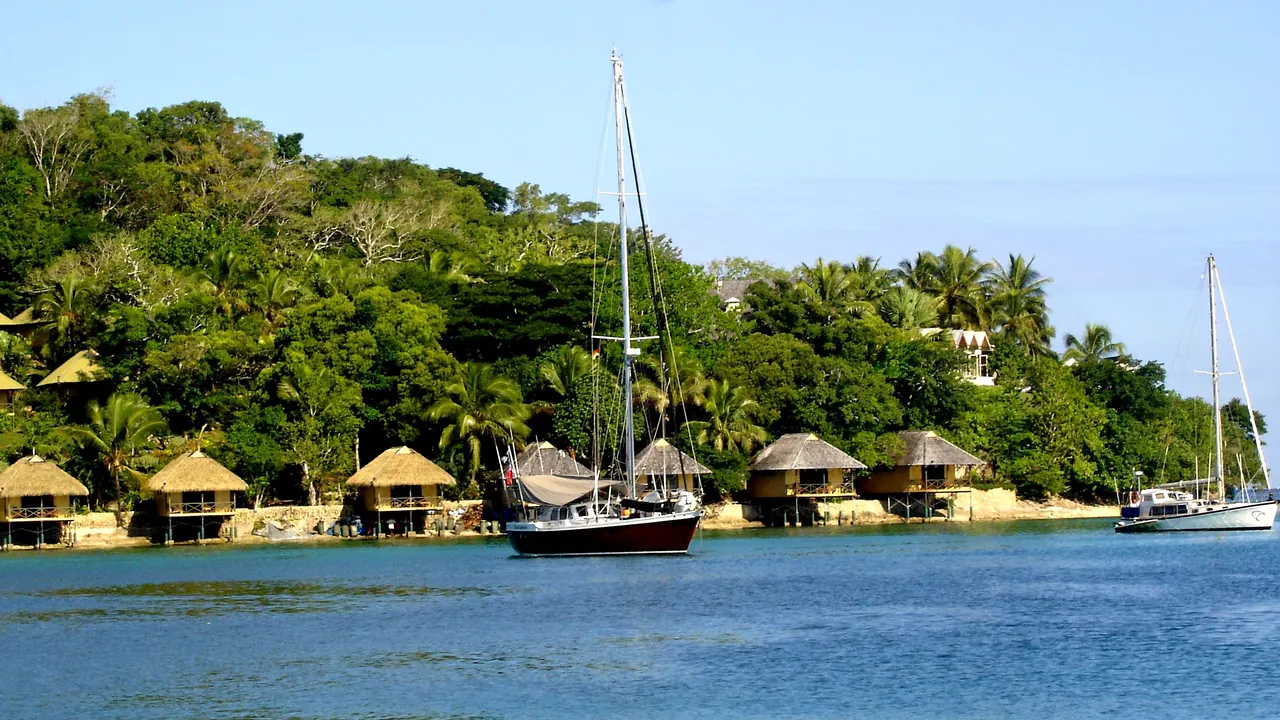
A sailing boat in Port Vila harbour before Iririki Island
- Beaches70
- Nature & outdoors66
- Families45
Photo: Phillip Capper from Wellington, New Zealand, CC BY 2.0, cropped
Match
38
Every category weighted equally
- Beach & sun44
- Culture & arts31
- Food & nightlife33
- Family trip43
- Outdoors43
- Relax & unwind43
- Shopping & style34
- On a budget38
Port Vila in twelve categories
Our verdict on each, scored 0 to 100 against the same fixed benchmark cities, so a score means the same thing on every page.
Beaches & swimming. Scores 70 out of 100.
Food & drink. Scores 42 out of 100.
Culture & sights. Scores 20 out of 100.
Nightlife. Scores 22 out of 100.
Nature & outdoors. Scores 66 out of 100.
Day trips. Scores 28 out of 100.
Good for families. Scores 45 out of 100.
Getting around. Scores 42 out of 100.
Shopping & style. Scores 22 out of 100.
Affordability. Scores 36 out of 100.
Live music & performing arts. Scores 15 out of 100.
Wellness & relaxation. Scores 45 out of 100.
Port Vila category by category
Beaches & swimming
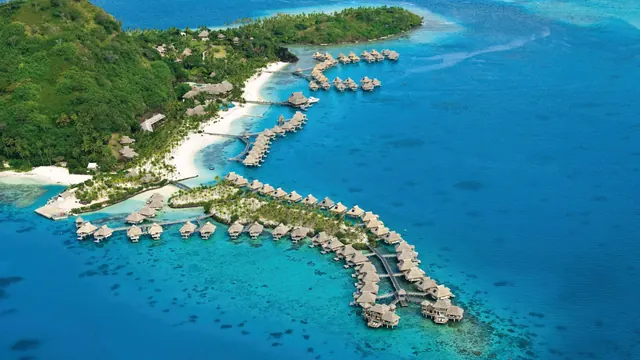
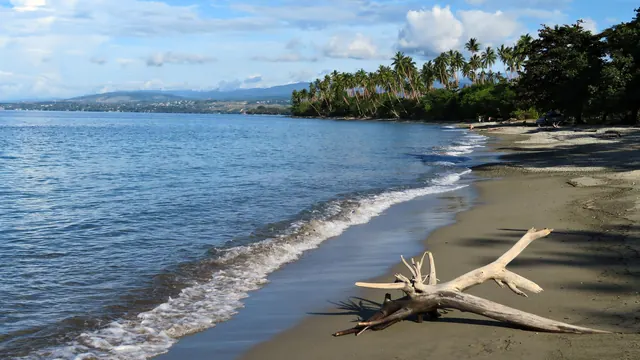
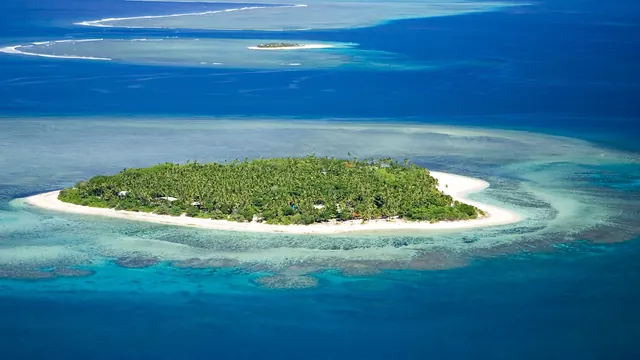
70The water is the reason most people come. The sea around Efate stays warm all year, about 25°C in the cooler months and close to 29°C in summer, and it is clear enough for snorkelling straight off the shore. The town has no beach of its own on the harbour front. Swimming happens on the lagoons and small islands around it: Iririki and Erakor are a short boat hop away, Hideaway Island in Mele Bay has a marine reserve within fins' reach of the sand, and the coast towards Pango and Eton has quieter stretches.
These are small beaches, often narrow, with coral underfoot in places, and many of the best are attached to resorts. A visitor who pictures long white strands will find coves and lagoons instead. Reef shoes help, and the swimming is calmest inside the lagoons.
Food & drink
42Eating in Port Vila is a small-town affair with a French accent. Bakeries turn out baguettes and pastries each morning, waterfront restaurants serve grilled reef fish, lobster and Santo beef, and island coffee from Tanna is worth seeking out. The local staple is lap lap, grated root vegetables baked in banana leaves with coconut cream, found at the market food stalls rather than in restaurants.
The produce market on the harbour is the town's food centre, piled with taro, island cabbage, pawpaw and coconuts. At dusk locals drink kava in simple nakamals, an earthy, numbing drink that is more ritual than pleasure. Range is limited, imported ingredients are dear, and a week exhausts the options.
Culture & sights
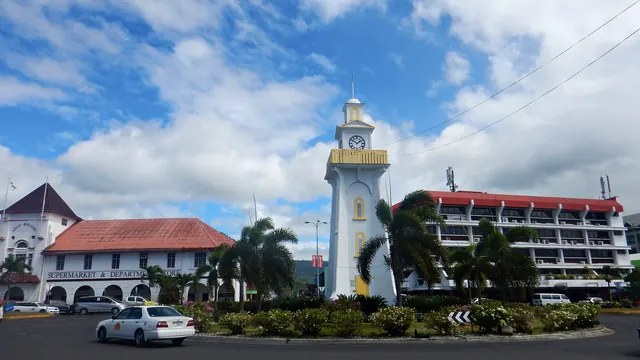
20The town's main sight is the Vanuatu Cultural Centre and National Museum, with a fine collection of slit drums, carved figures, ceremonial masks and sand-drawing displays, the best introduction to the islands' many cultures. Beyond it there is little to tour: a modest colonial past shows in a few old buildings, and the waterfront and churches are pleasant rather than remarkable. Visitors come for the sea and the island life, and the most memorable cultural encounters happen in villages outside town.
Nightlife
22Evenings start early and gently. At sunset locals head for kava nakamals, dim and quiet bars where the point is to sit still, and visitors join for a shell or two. Afterwards there are a few waterfront bars where expatriates and yachties gather, resort cocktail lounges and a casino, with a couple of dance spots busier on Friday and Saturday nights. Most of the town is asleep well before midnight, and nobody should come for a night out.
Nature & outdoors
66Efate is a green, volcanic island ringed by reef, and the outdoors here is mostly about the water. Diving and snorkelling are strong, with coral gardens, drop-offs and wrecks within a short boat ride of the harbour, and the sheltered lagoons suit kayaking and stand-up paddling. Inland, the Mele Cascades tumble down limestone terraces through rainforest, and a drive round the island passes plantations, villages and the bright freshwater pools near Eton.
The hills are low and the marked hiking is limited. The dry season from May to October is the comfortable time for being outside; summer is hot, humid and the cyclone season. The archipelago's most dramatic landscape, the active volcano on Tanna, is a flight away.
Day trips
28There are no other towns on Efate to visit, so outings are to villages and one important heritage site. Chief Roi Mata's Domain, on the northwest coast about forty minutes' drive away, is a UNESCO-listed chiefly landscape including the island of Artok, where the legendary chief was buried, and is visited with local guides. Small boats run to Pele, Nguna and Lelepa, islands of thatched villages and church-centred communities, and custom villages near town show traditional life. Further islands mean a domestic flight.
Good for families
45Families come here for a resort stay, and on those terms it works. Lagoon resorts have calm, shallow water, kayaks and often kids' clubs, and children take readily to snorkelling at Hideaway Island. Ni-Vanuatu culture is warm towards children, and the town is small and relaxed.
There is nothing built specifically for children, no zoo, aquarium or theme park, so days revolve around water and the occasional outing to the waterfalls or a village. Medical care is basic for anything serious, mosquitoes need taking seriously, and the hot, wet summer is harder going than the drier winter months.
Getting around
42The centre is compact and the harbour front is easy to walk, though pavements are patchy and the town climbs steeply behind the water. Getting further is done in shared minibuses marked with a B on the plate: wave one down, say where you are going and the driver drops each passenger at their door. There are no routes or timetables, which feels odd at first and quickly becomes convenient. Taxis fill the gaps, resorts run boats to their islands, and a trip round Efate needs a hire car, a driver or a tour.
Shopping & style
22Shopping is modest. The handicraft stalls near the harbour sell woven pandanus baskets, carvings, tam-tam drums in miniature and shell jewellery from across the islands, and a few duty-free stores on the main street cater to cruise passengers. Tanna coffee, kava powder, coconut oil and sandalwood products make the best things to take home. Beyond that there is little: no fashion, no malls of note and imported goods at island prices.
Affordability
36Port Vila costs more than its size suggests. Almost everything is imported, so groceries, wine and restaurant meals cost roughly what they would in a mid-sized Australian town. The lagoon resorts set their rates for short-haul visitors from Australia and New Zealand, who make up most of the market. Organised tours and dive trips quickly add up.
The savings are local ones. Shared minibus rides cost little, the market food stalls serve filling plates for small change, and an evening in a kava nakamal costs next to nothing. Simple guesthouses in town bring the daily cost down considerably for travellers who can do without a resort.
Live music & performing arts
15There is no theatre, opera or concert hall to speak of. Live music means string bands, the cheerful guitar-and-ukulele sound of Vanuatu, playing at resorts, markets and church events, and custom dance performances at cultural villages near town. The capital also holds a long-standing annual music festival of local and Pacific bands. Otherwise a visitor's evening entertainment is a resort show.
Wellness & relaxation
45There is no bathing tradition here, and spa life means resort spas and a handful of day spas in town offering massage with coconut oil and local scrubs. What the place does have is pace. The town runs on island time, Sundays are almost silent, and a lagoon resort with a hammock and a sunset kava is about as calm as a vacation gets. It suits someone who wants to switch off rather than someone looking for a proper spa or treatment culture.
When should you go?
Pick a month to see what it is like. The climate figures are measured averages, not a forecast.
Port Vila in July
Daytime high, °C
Rainfall in the month, mm
The whole year
Shaded against this destination’s own year: the deepest cell is its best month for that figure and the palest its weakest.
Temperature and rainfall are climate normals, averaged over the years shown. Port Vila: 1991-2020 normals, Bauerfield Efate (4.1 km from centre).
Before you go
| Measure | Port Vila |
|---|---|
| Official language | French, English, Bislama |
| Currency | Vatu (VUV) |
| Sockets | CGI220 V, 50 Hz |
| Driving side | Right |
| Time zone | UTC+11 |
| Emergency number | 112 |
| Elevation | 59 m |
| Main airport | Bauerfield International Airport (VLI)4 km from centre9 non-stop destinations |
| Public holidays this year | 14 days |
By the numbers
| Measure | Port Vila |
|---|---|
| Population | 49,034 |
| People per km² | 2,078 |
| Museums within 10 km | 2 |
| UNESCO World Heritage sites within 50 km | 1 |
| Swim season, months above 21 °C | 12 months |
Compare Port Vila with
Every comparison with a written verdict behind it.